Posted on

iPhone 18 Pro details and M5 Mac release date both might’ve leaked

In a blog post on Medium, Apple insider Ming-Chi Kuo revealed interesting details about Apple’s future iPhone 18 and M5 Mac releases. According to the analyst, BE Semiconductor will drastically benefit from Apple’s upcoming products as the company has business with Apple’s manufacturers.

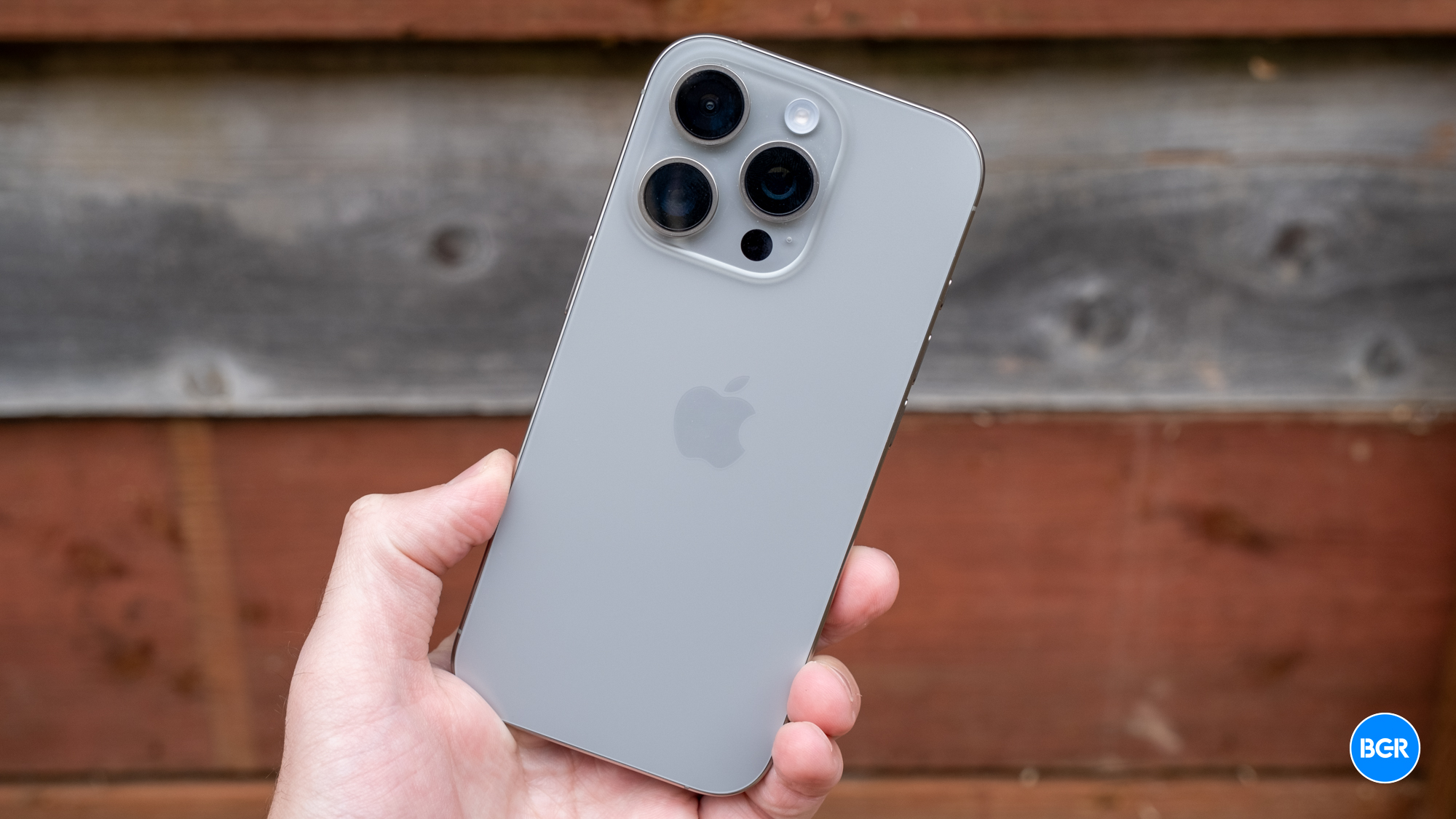
Kuo says that the iPhone 18 Pro’s wide camera will be upgraded to variable aperture in 2026, and BESI is the supplier of assembly equipment for aperture blades, a critical component of this upgrade. Last month, Kuo already revealed that Apple planned to add this change to the iPhone.

At the time, the analyst wrote that the “2026 high-end iPhone 18” will feature a wide camera lens with a variable aperture, “significantly enhancing the user photography experience.” The insider, known for his generally accurate predictions about unreleased iPhones, probably refers to the iPhone 18 Pro or iPhone 18 Pro Max. Apple has introduced new camera features with the iPhone Pro Max model before making them available to other models.

Apple wouldn’t be the first smartphone vendor to adopt cameras with variable apertures. Earlier this year, we saw similar features from phones like the Xiaomi 14 Ultra and the Honor Magic 6 Pro. Before that, Samsung phones like the Galaxy S9 and S10 featured cameras with variable apertures.

Tech. Entertainment. Science. Your inbox.

Sign up for the most interesting tech & entertainment news out there.

By signing up, I agree to the Terms of Use and have reviewed the Privacy Notice.

Besides the iPhone 18 Pro improvements, the analyst also leaked information about Apple’s upcoming M5 chips. According to him, the M5 processors will adopt TSMC’s N3P node, which is known as the third generation of the 3nm process. With that, mass production for upcoming chips is expected in this timeline:

  • Base-model M5: 1H25
  • M5 Pro and M5 Max: 2H25
  • M5 Ultra: 1H26

That said, Apple will likely unveil M5 Macs by the second half of 2025, as it still has some M4 Macs to unveil throughout 2025.

In addition, the analyst says Apple will continue to build out it’s Private Cloud Compute infrastructure by producing high-end M5 chips, which will be better suited for AI inferencing. Previously, rumors revealed Apple wanted to ask other companies to create specific chips for its PCC infrastructure starting in 2026.

BGR will let you know once we learn more about future Apple products.

Source

Posted on

iPad 11 leak may reveal release timing for Apple’s new entry-level tablet

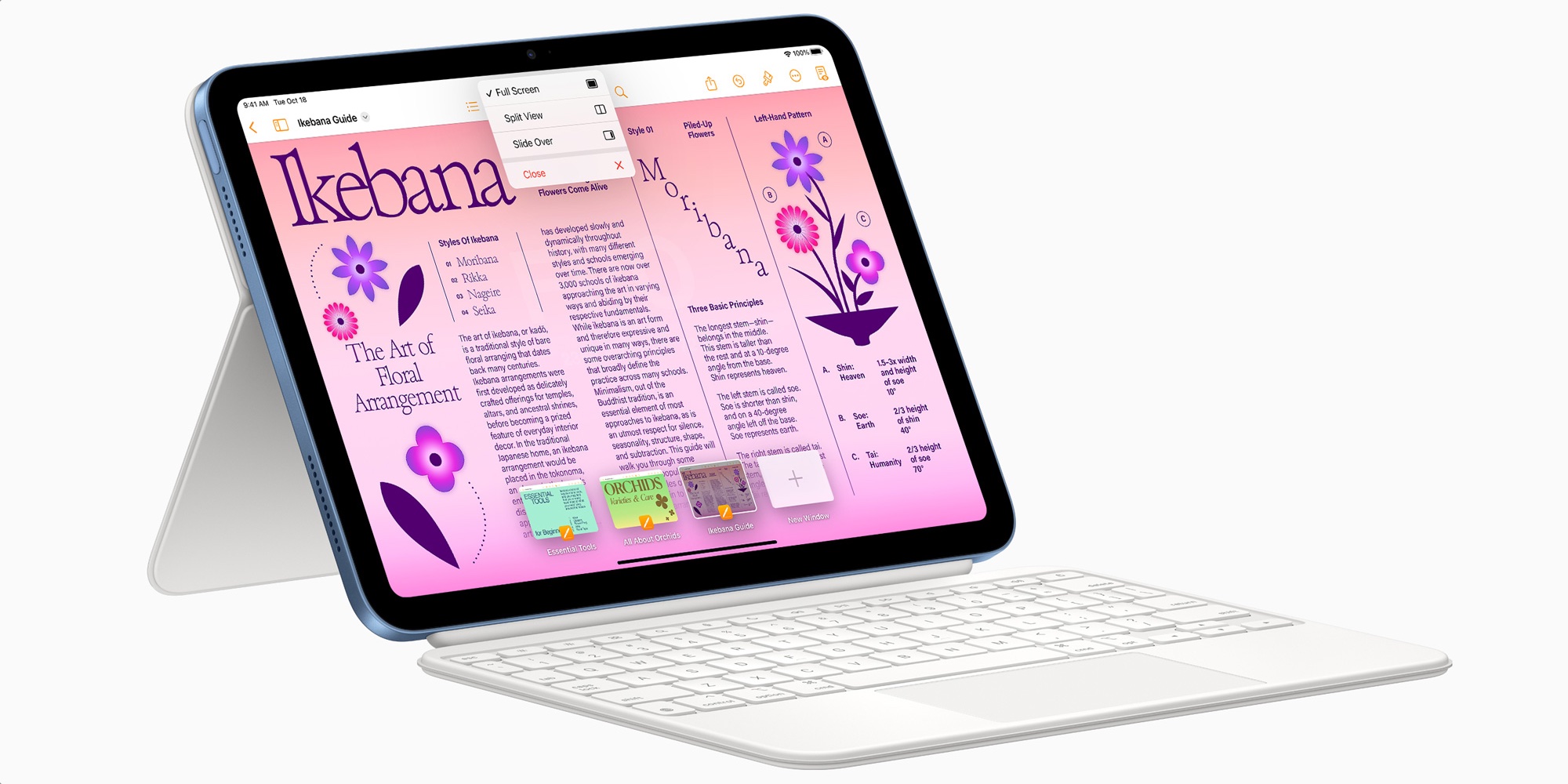
Apple’s upcoming iPad 11 can’t come soon enough. The latest leak says that Cupertino’s entry-level tablet will be released with iPadOS 18.3. While we don’t think this device will be announced alongside iPadOS 18.3, the news suggests that an iPad 11 release is coming before iPadOS 18.4 rolls out in April.

The information comes from a prominent X leaker who prefers not to be named. The device will have two options: Wi-Fi and Wi-Fi + Cellular. So far, leaks on the iPad 11 reveal Apple will bump its specifications to bring Apple Intelligence to the company’s entry-level tablet.

That being said, the iPad 11 will feature 8GB of RAM and, most likely, Apple’s A18 chip. More interestingly, today’s leak reveals that this tablet could have Apple’s upcoming custom 5G modem, which is also expected to be available with the new iPhone SE 4.

Even if Apple keeps the same design, display, and ports, this $349 tablet would be an instant hit. People in school would have a powerful tablet with several capabilities without having to spend a ton of money. In addition, when this tablet is released, Apple Intelligence will be a more reliable platform with even more features.

Tech. Entertainment. Science. Your inbox.

Sign up for the most interesting tech & entertainment news out there.

By signing up, I agree to the Terms of Use and have reviewed the Privacy Notice.

Bloomberg’s Mark Gurman says Apple is also working on a revamped keyboard for the entry-level iPad 11 and the iPad Air, which could be released in mid-2025. This tablet will support the USB-C Apple Pencil.

iPad 11 will likely debut at a spring event

With today’s iPad 11 leak, it makes sense for Apple to release this tablet at a spring event. So far, iPadOS 18.3 is expected to launch in late January. If Cupertino follows the trend, we could see a keynote in March highlighting this entry-level tablet, the new iPhone SE 4, Apple’s 13-inch and 15-inch MacBook Air with the M4 chip, and AirTag 2.

Fortunately, it won’t take long until the company unveils this tablet, which is a top seller for education and those looking for a more reliable device than an entry-level Windows notebook.

Source

Posted on

Apple’s new AirPods Pro 3 features may have just leaked

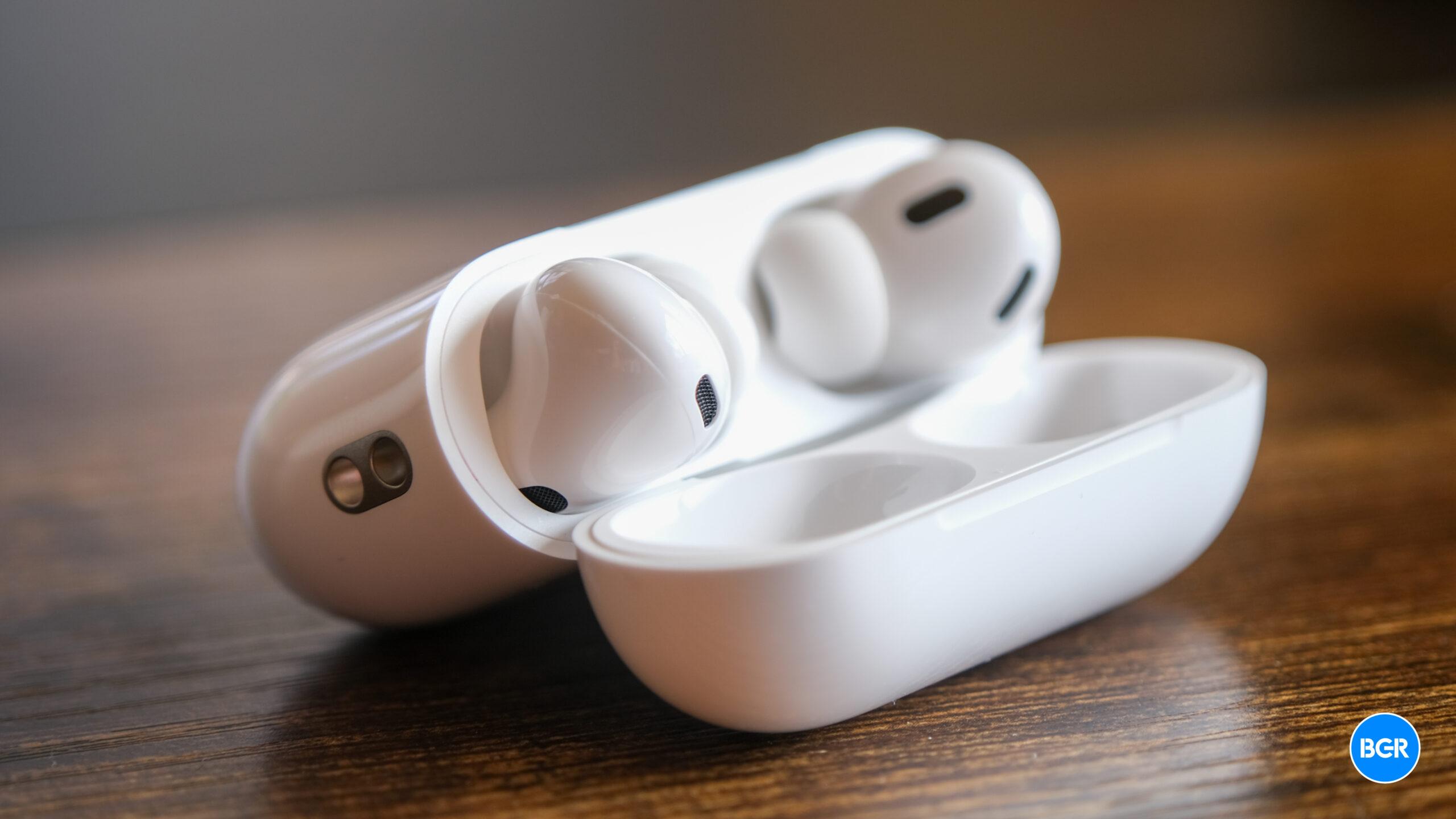
Future iterations of Apple’s AirPods Pro may include impressive health monitoring features, according to a new report in Mark Gurman’s PowerOn newsletter. While specific details are scarce, reports indicate that Apple is exploring capabilities that include heart rate monitoring and other physiological metrics. 

The development of these features is still in its early stages, with initial tests indicating that the heart rate monitoring functionality has yielded encouraging and relatively accurate results. And while there’s no telling when such a feature will hit the market, Gurman writes that it might “be ready for the next-generation AirPods Pro.”

Potential AirPods Pro 3 release

Admittedly, there haven’t been any concrete rumors about when we might see Apple release AirPods Pro 3. If history is any indication, however, it might be coming up sooner than you think.

For context, recall that the first AirPods Pro hit stores in October of 2019. AirPods Pro 2 then came around about three years later, in September of 2022. If Apple sticks with a 3-year upgrade cycle, there’s a chance we’ll see new a AirPod Pro model in the fall of next year. And remember, Apple typically aims to keep its upgrade cycle on a consistent schedule.

Tech. Entertainment. Science. Your inbox.

Sign up for the most interesting tech & entertainment news out there.

By signing up, I agree to the Terms of Use and have reviewed the Privacy Notice.

Rumored AirPods Pro 3 features

Notably, an AirPods Pro model with a heart rate monitor is reportedly the feature Apple is most focused on.

Gurman writes:

The main work right now is getting the AirPods to reliably measure a user’s heart rate. Though the Apple Watch already does this, the feature could be a selling point for people who don’t like wearing watches or just want a backup fitness tracker… 

In Apple’s testing, heart-rate data is more accurate on the watch than AirPods, but the earbuds aren’t terribly far off. 

Besides rumors of a heart rate monitor, some other AirPod Pro 3 rumors we’ve seen point to improved audio performance, a new H3 chip, more robust water and dust resistance, more seamless integration with the Vision Pro, and improved battery life. One feature we can likely look forward to is improved Active Noise Cancellation. One interesting but peculiar rumor claims that AirPods Pro 3 might include a feature that would allow users to measure their body temperature and perspiration level.

Apple’s commitment to health

Apple’s commitment to adding new health-oriented features to its AirPods Pro line shouldn’t come as much of a surprise. After all, the current AirPods Pro 2 have a clinical-grade Hearing Aid feature that was brilliantly showcased in the ad below:

Additionally, Apple CEO Tim Cook has been quite vocal about Apple’s commitment to leveraging its product line towards improving individual health. Notably, Cook during an interview a few years back said that Apple’s work in the health space may ultimately be what the company is most known and revered for.

If you zoom out into the future, and you look back, and you ask the question, ‘What was Apple’s greatest contribution to mankind?’ It will be about health.

We are taking what has been with the institution and empowering the individual to manage their health.

Lastly, it’s worth noting that Apple has also devoted a lot of resources to figuring out a way to get the Apple Watch to measure a user’s blood glucose levels. There’s no telling if Apple will ever be able to achieve this, but if it does, it will truly prove to be a godsend for millions of people across the globe.

Source

Posted on

Face ID could give Apple the best video doorbell on the planet

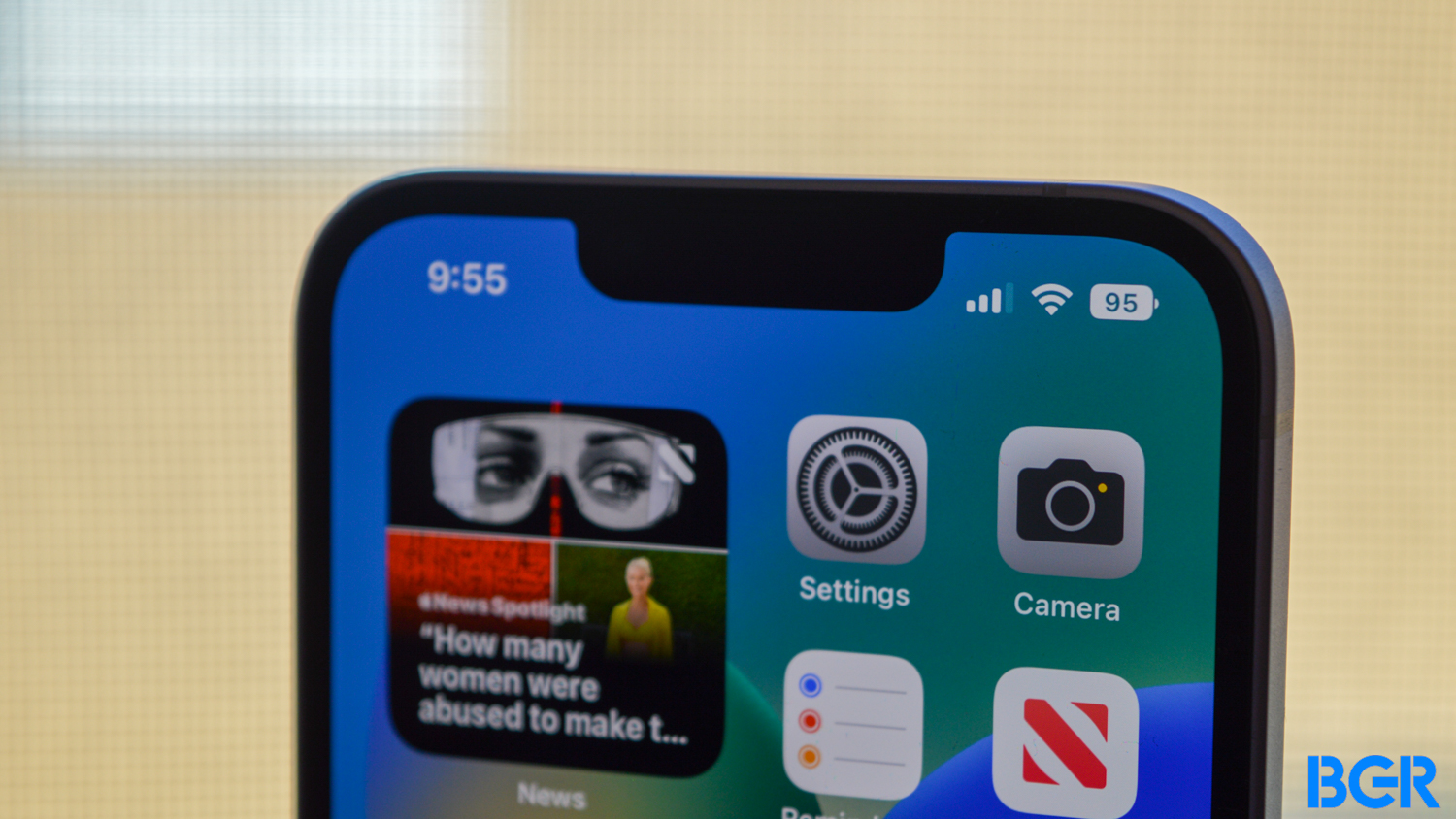
When Apple launched the first Face ID device, the iPhone X, I said it was the start of a world where seamless, perpetual, passive authentication would change the way we use Apple computers and software.

Then, Apple brought Face ID to the iPad but not to the Mac, where I always thought it could be very useful. Seven years later, the Mac still lacks Face ID, but that’s only because Apple can’t fit its components inside the laptop’s lid, which is much skinnier than iPhones or iPads.

However, Apple might be working on a Face ID product that could be even cooler than a Mac with 3D face authentication support, and one I should have totally seen coming. According to Bloomberg’s Mark Gurman, Apple is developing a Face ID doorbell that will integrate with other Apple devices, including upcoming smart home products.

While it’s unclear when or even if Apple will actually launch the doorbell, a Face ID doorbell would change the way home security works. It would be even cooler than smart locks that let you unlock the door with an iPhone or a wearable. The door would recognize your face and let you in as easily as unlocking your iPhone with Face ID.

Tech. Entertainment. Science. Your inbox.

Sign up for the most interesting tech & entertainment news out there.

By signing up, I agree to the Terms of Use and have reviewed the Privacy Notice.

Recent rumors, including previous coverage from the Bloomberg reporter, mentioned other smart home devices in Apple’s product roadmap. Next year, Apple will launch a smart home display that looks like a smaller iPad and acts like a smart home hub. Apple is also reportedly working on security cameras for the home that would work with the smart display.

A video doorbell with Face ID support seems like the kind of product that Apple would have to develop in this context. It would leverage some of Apple’s best features, including the secure 3D authentication algorithm and the strong privacy and security of Apple’s ecosystem. Gurman says the doorbell would protect consumer data using Apple’s upcoming Proxima chipset and its secure enclave feature.

The work on the Face ID doorbell is said to be in the early stages. If Apple decides to proceed with it, it might launch the product before the end of next year.

Apple is reportedly assessing some risks associated with this type of product. Face ID is very secure, with Apple saying that the system has less than a 1-in-1-million chance of a security breach. But if a breach does happen with a doorbell, an intruder could gain entry to the user’s home.

Gurman also cites another danger that Apple must account for. Since the doorbell would work with third-party smart locks via the HomeKit ecosystem, Apple would also have to deal with the home invasion risks associated with those devices.

Finally, Gurman says Apple may decide against selling the product under its own brand and partner with Logitech or Belkin. The reporter still notes that Apple is very interested in turning the smart home market into a moneymaker, regardless of whether the Face ID doorbell project is greenlit or canceled.

Source

Posted on

Interview: Wendy Redshaw, chief digital information officer, NatWest Retail Bank

Wendy Redshaw, chief digital information officer (CDIO) at NatWest Retail Bank, has had a distinguished career leading technology-led change in some of the world’s biggest financial services organisations. Now, she’s using that experience to drive even more innovation.

After four years as CIO for collaborative technology solutions with Deutsche Bank, Redshaw says she was eager to work for a UK finance house. In late 2018, she found the perfect home at NatWest as head of technology and digital distribution for the personal bank.

“The opportunity was interesting because NatWest was ready for digital transformation but wasn’t naturally sitting in a leadership position at that time,” she says. “The role allowed me to land and think about what to do. I found an organisation that was fundamentally focused on its customers and perhaps had less digital experience in-house.”

After working with her team to deliver technological improvements across the personal bank offline and online, Redshaw moved into the CDIO position in February 2020. “It wasn’t just because I wanted a longer acronym than most technologists,” she jokes.

“We created the role so we could sew together business and technology because, as with many organisations, technology had historically been something that happened over there, and the business did their thing, and then they would give the technologists something to work on. We wanted better integration.”

Embracing digital change

Redshaw says the creation of her CDIO role in 2020 was a public statement that NatWest wanted to create a partnership approach to technology and business: “This is a digital bank in the making, and hopefully, with the results that we’ve seen, we’ve achieved our aims.”

The technological transformation in banking services that Redshaw oversees at NatWest today differs greatly from the finance industry she joined as a software engineer in 1987.

“We didn’t call it digital then,” she says. “I remember the focus was on, ‘How do we use technology to make things quicker, simpler and more secure for our customers?’” She points to work on a security module for the London Stock Exchange and the beginning of the settlement systems CHAPS and Euroclear.

“There was a lot of change where technology was being brought in, but it was more for the underpinning services than for the consumer-facing areas,” she says, before fast-forwarding to the present-day bank. “Over that time, we’ve seen that digital is now in the hands of our retail customers.”

Redshaw says the shift in technological focus also helped prompt her switch to the retail side of banking. After a career driving behind-the-scenes IT changes in major firms, such as Lloyds TSB, Barclays Capital and Royal Bank of Scotland, her current role at NatWest is focused on delivering innovative customer services.

“That’s where the exciting stuff is happening. Yes, of course, we use AI across several areas of the organisation – something like 17% of our models are AI-based now, such as for controlling fraud, financial crime and so on,” she says.

“However, in terms of affecting human beings, digital services are at our customers’ fingertips. If you think about my driver for going into the CDIO role, the customer is where I thought I’d have the most impact.”

Delivering pioneering innovations

As CDIO, Readshaw is directly accountable to the group CIO and retail banking CEO. Responsible for digital operations leadership, she manages 4,500 people across four locations globally and leads the delivery of retail banking technology for Royal Bank of Scotland, NatWest and Ulster Bank North.

Redshaw’s team is digitalising services to make life easier for the group’s customers. Their work is supported by a planned investment of £3.5bn from 2023 to 2025, with more than 70% of spending targeted at data and technology.

NatWest has 10.9 million digitally active retail and business banking customers and 3.5 million use online banking platforms. The hard work continues apace. In 2024, Redshaw led the launch of a retail banking app on Apple’s Vision Pro virtual reality headset.

One of her proudest achievements is the introduction of generative AI (GenAI) into the bank’s conversational assistant, Cora. She says the bank made an early move into chatbots. Cora was introduced in 2017. The technology could answer basic questions, but Redshaw wanted it to do more.

“When I joined in 2018, I realised it was quite a good channel to do something with,” she says. “I had some grand ambitions for her – things like digital avatars having a voice, and all these engaging ways of doing things. I said, ‘Look, I see this particular technology being something we could get moving on’.”

Redshaw saw that, while machine learning technology was progressing at pace, it wasn’t quite ready for the giant leap in digital experiences she envisioned. However, the public release of generative AI models in late 2022 helped turn theory into a practical reality. Working with experts from IBM’s client engineering team to develop the initial proof of concept, NatWest launched its next-generation assistant, Cora+, in June 2024.

Cora+ is a multichannel platform that securely accesses data from multiple sources, including products, services and banking information. The virtual assistant technology is powered by IBM’s Watsonx Assistantand built on IBM Cloud. Estimates suggest the technology is creating a 150% improvement in satisfaction for some customer queries.

“It was the perfect example of an interest in technology, an interest in people, and an interest in delivering business value,” she says. “I feel very excited about how we’ve taken something that just answered questions and moved into generative AI at scale for millions of customers. And it’s only the first step. I’ve got big ambitions for what I want to do with that technology.”

Building strong partnerships

Cora+ uses ChatGPT 3.5 alongside an unnamed GPT large language model (LLM). The second model is trained to judge the output of the first model. While the GPT models play an important role in NatWest’s digital strategy, the organisation is eager to keep an open approach to AI and innovation.

Redshaw says the group wants to avoid being locked into a specific LLM. She wants the capability to swap from large to small language models (SLMs). Organisations can use SLMs to derive outputs from constrained amounts of data that require less computing power, which is important for a big business like NatWest that wants to meet sustainability targets.

“As a result, it was a case of, ‘OK IBM, we like working with you, but we want to be able to switch the language models in and out depending on the business requirement’,” she says. “And they were like, ‘Absolutely’. So, that’s great. We have the same mindset around using the best of everything to get value for our customers safely.”

Wendy Redshaw, Natwest

“This is a digital bank in the making, and hopefully, with the results that we’ve seen, we’ve achieved our aims”

Wendy Redshaw, NatWest Retail Bank

In addition to the work on Cora+, Redshaw and her colleagues are analysing how AI can boost customer experiences in other areas. NatWest has worked with IBM to develop a digital legal assistant powered by GenAI. This tool streamlines contract management and enhances accessibility, especially for neurodivergent users. The tool supports colleagues with compliance checks, producing 20% efficiency gains.

More generally, Redshaw is proud her team completes thousands of releases annually. The department’s focus on micro-projects is as important as delivering large-scale initiatives and helps NatWest hit tight transformation deadlines. Across all projects, IBM acts as a key technology partner, with Redshaw suggesting the nature of the long-term working relationship with the tech giant is like interacting with people on the internal team.

John Duigenan, distinguished engineer and general manager of the global financial services industry at IBM, says shifting to constant innovation, experimentation, and learning is typical of the work his company sees in its most pioneering clients. “We got to work with a trusted partner, and we got to learn together,” he said, referring to IBM’s relationship with NatWest.

“It’s great we co-create approaches to using technology and collaborate on innovation. Our teams blend incredibly well, and we deliver together in new ways. We have an approach that says, ‘We know why this work will matter for all of us because we can measure the impact’.”

Providing new experiences

Redshaw reflects on achievements during the past few years. While the benefits of the digital transformation she’s enacted at NatWest are clear, there’s always an opportunity to do more.

She says the rapid pace of transformation makes it difficult to predict with any degree of certainty what will happen next: “What will the success metrics be in three years? We won’t be judged on the same metrics because digital banking is changing quickly.”

However, she expects to see developments in some key areas. “In the AI space, I expect to see more voice,” she says. “At the moment, Cora listens to our telephony and sends a text, a deep link, or something else that’s required. In the future, I think it’ll probably answer the phone and deal with questions.”

Redshaw also expects progress in text-based answering. Her bank’s research suggests people in financial difficulties often prefer having a guilt-free conversation with a bot rather than a human. “I would expect something in that financial health and support space that uses natural language,” she says.

There’s even the potential for advances in unexpected areas. Redshaw says she’s keen to add Cora to ATMs, something that she was previously told was impossible.

“I’ve now spoken to some innovation engineers, and they’ve said they think it might be possible,” she says. “So, I suspect we will see something like a digital point of presence.”

Finally, Redshaw expects the bank to continue honing its approach to mobile. “People now have their bank in their pocket,” she says. “I imagine we will give more richness and engagement through these devices. Even though our mobile strategy is great, I think it will lean towards more engagement and personalisation during the next 24 months.”

Source

Posted on

Nvidia in 2024: year in review

Nvidia experienced a memorable 2024 in some ways, and certainly CEO Jensen Huang won’t forget the year in which his company finally outdid Apple as the most valuable firm in the world.

We also received a clutch of powerful new GeForce GPUs from Team Green, along with a huge move on the software front too, and, inevitably, AI continued to be a massive driving force for Nvidia.

Nvidia’s value exceeded $1 trillion in 2023, but it blew through the roof this year, with its stock heading steeply upwards throughout 2024 – driven, of course, in large part by its AI GPUs.

Indeed, Nvidia became the world’s most valuable company in June 2024, beating out the likes of Apple and Microsoft, exceeding a market cap of $3 trillion. Team Green slipped back a bit as the year went on, but then retook pole position from Apple in November 2024, approaching a $3.5 trillion valuation. Nvidia also barged Intel off the Dow Jones Industrial Average index.

Throughout the year, Jensen was gleefully stoking the AI hype furnace, unsurprisingly. A lot of leather jackets can be bought for the kind of cash Nvidia is now worth, and the swiftness with which this financial rise has occurred has been nothing less than breathtaking.

Is Nvidia going to be the first company to hit the $4 trillion mark? It’s a fair bet if the momentum behind AI keeps on chugging the way it has been – and maybe Nvidia is even set to become a household name eventually (something it most definitely isn’t yet, despite all this success).

An Nvidia GeForce RTX 4080 Super on a desk

(Image credit: Future / John Loeffler)

The year of the Super graphics cards

Nvidia continued to dominate the desktop GPU market in 2024, to no one’s surprise, to the point of a near-monopoly in fact.

{ window.reliablePageLoad.then(() => { var componentContainer = document.querySelector(“#slice-container-newsletterForm-articleInbodyContent-jUamdD2HT8rV4VaGqCApam”); if (componentContainer) { var data = {“layout”:”inbodyContent”,”header”:”Get daily insight, inspiration and deals in your inbox”,”tagline”:”Sign up for breaking news, reviews, opinion, top tech deals, and more.”,”formFooterText”:”By submitting your information you agree to the Terms & Conditions and Privacy Policy and are aged 16 or over.”,”successMessage”:{“body”:”Thank you for signing up. You will receive a confirmation email shortly.”},”failureMessage”:”There was a problem. Please refresh the page and try again.”,”method”:”POST”,”inputs”:[{“type”:”hidden”,”name”:”NAME”},{“type”:”email”,”name”:”MAIL”,”placeholder”:”Your Email Address”,”required”:true},{“type”:”hidden”,”name”:”NEWSLETTER_CODE”,”value”:”XTR-D”},{“type”:”hidden”,”name”:”LANG”,”value”:”EN”},{“type”:”hidden”,”name”:”SOURCE”,”value”:”60″},{“type”:”hidden”,”name”:”COUNTRY”},{“type”:”checkbox”,”name”:”CONTACT_OTHER_BRANDS”,”label”:{“text”:”Contact me with news and offers from other Future brands”}},{“type”:”checkbox”,”name”:”CONTACT_PARTNERS”,”label”:{“text”:”Receive email from us on behalf of our trusted partners or sponsors”}},{“type”:”submit”,”value”:”Sign me up”,”required”:true}],”endpoint”:”https://newsletter-subscribe.futureplc.com/v2/submission/submit”,”analytics”:[{“analyticsType”:”widgetViewed”}],”ariaLabels”:{}}; var triggerHydrate = function() { window.sliceComponents.newsletterForm.hydrate(data, componentContainer); } if (window.lazyObserveElement) { window.lazyObserveElement(componentContainer, triggerHydrate); } else { triggerHydrate(); } } }).catch(err => console.error(‘%c FTE ‘,’background: #9306F9; color: #ffffff’,’Hydration Script has failed for newsletterForm-articleInbodyContent-jUamdD2HT8rV4VaGqCApam Slice’, err)); }).catch(err => console.error(‘%c FTE ‘,’background: #9306F9; color: #ffffff’,’Externals script failed to load’, err)); ]]>

Sign up for breaking news, reviews, opinion, top tech deals, and more.

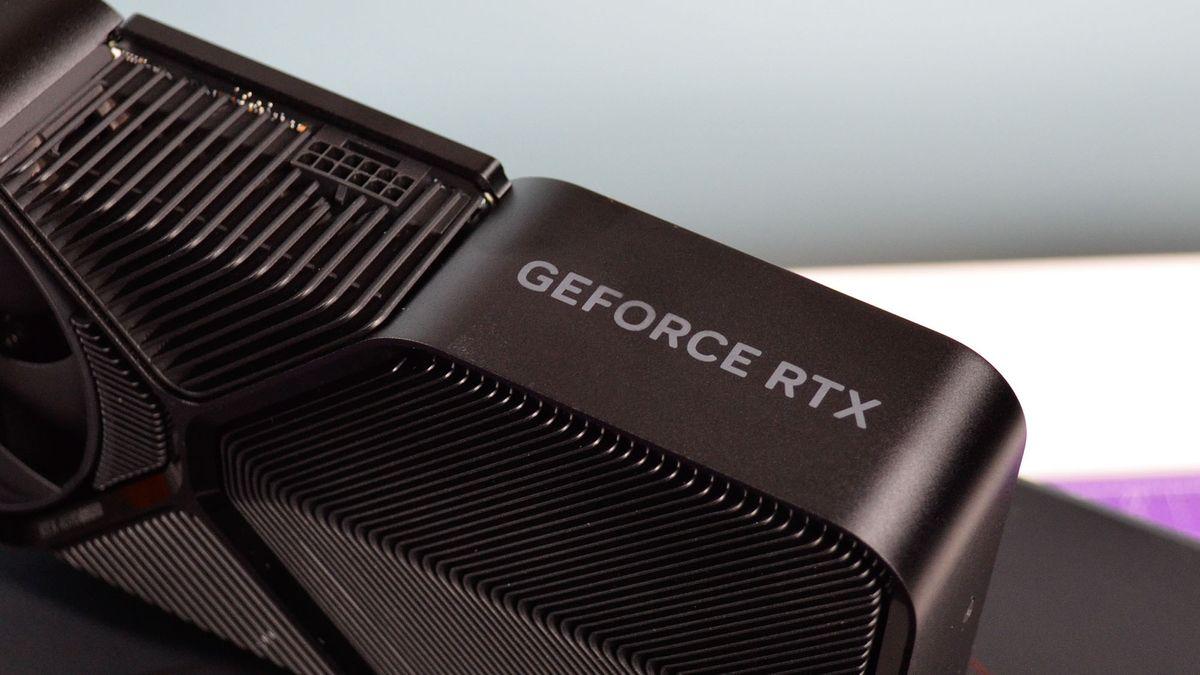
Helping to maintain its momentum here was a trio of new graphics cards for the Lovelace range which Nvidia revealed as the year kicked off. These fresh additions to the best Nvidia GPUs out there were the GeForce RTX 4070 Super, RTX 4070 Ti Super, and RTX 4080 Super.(And yes, we still can’t get over the fact that Nvidia made a ‘Ti Super’ as a way to jam an extra model into a cluttered mid-to-upper-range space).

These Super GPUs replaced the existing models in all but the case of the RTX 4070, which was kept in production to run alongside the RTX 4070 Super, but at a cheaper price point (obviously).

Overall, the new graphics cards were welcome introductions and powerhouse offerings, but what wasn’t so welcome were the price tags attached to them. In true Nvidia style, these mid-to-higher leaning GPUs were all expensive. Notably, the RTX 4070 Ti Super fell a little short in our review, being rather overshadowed by the RTX 4080 Super, which we declared was the enthusiast GPU we’ve all been waiting for.

Our review of the RTX 4070 Super also represented a big thumbs-up for the GPU, and it proved to be our favorite overall of the new graphics cards (even if its 12GB of VRAM limits the card’s 4K chops – the 4080 Super become the new champ here, of course).

On the issue of priciness, it’s true that some of these new Super variants got price cuts to a limited extent as the year rolled on, but overall, AMD’s mid-range remained the much better value picks compared to Team Green.

Otherwise, we didn’t see much else from Nvidia in the way of GPU releases, save for a fresh spin on the RTX 4070 with slightly slower video RAM. It was effectively the same as the original RTX 4070, though, and a move made by Team Green to ensure supply remained strong, we were told.

An EVGA RTX 3060 on a table in front of its retail packaging

(Image credit: Future/Jackie Thomas)

There was nothing to be seen elsewhere, and once again, tumbleweeds at the lower-end of the market. The old RTX 3060 remained a strong seller as a result – the 12GB flavor, with that VRAM loadout proving a definite carrot for some gamers – despite chatter from the grapevine around the middle of the year that Nvidia might be discontinuing this model.

Indeed, the RTX 3060 is still the most popular GPU out there going by the Steam hardware survey, with the RTX 4060 making good headway too – that graphics card remains our top pick for 1080p gaming (and it’s solid for 1440p as well).

Despite plenty of rumors suggesting a 2024 launch earlier in the year, we didn’t see the RTX 5000 series turn up this year, with the expectation now being that Nvidia will launch new RTX 5090 and 5080 (and possibly RTX 5070) GPUs at the very start of 2025 at CES.

NVIDIA App | Essential Companion for PC Gamers & Creators – YouTube NVIDIA App | Essential Companion for PC Gamers & Creators - YouTube Watch On

There was some super new software, too

Broadly speaking, Nvidia GPU owners have had a somewhat rocky relationship with GeForce Experience. A good chunk of gamers with an Nvidia graphics card preferred to just install the graphics driver, and not bother with the companion software, GeForce Experience, at all – and Team Green took the hint. In 2024, Nvidia canned GeForce Experience and made an all-new official app.

The Nvidia App (oh, the hours upon hours that must’ve been spent in brainstorming marketing meetings coming up with that name) arrived in beta in February 2024. It was billed as an all-in-one replacement for GeForce Experience and the Nvidia Control Panel, plus the RTX Experience. All these separate pieces were instead housed under one convenient umbrella (where driver installs are handled, too).

The Nvidia App emerged as a full release in November, after being worked on extensively during the year. Nvidia even actively solicited feedback from gamers on which legacy features should be preserved, and more besides.

That feedback was listened to in terms of implementing elements such as in-game frame rate and latency info (plus much more) in the revamped overlay for the Nvidia App, and it offered some smart new features such as easy GPU overclocking. The new app was generally well-received, appears to run smoothly and responsively in the main, and fortunately, there are no onerous account or login requirements here either – hopefully that’ll remain the case going forward.

There was one notable niggle that cropped up in mid-December, though, when reports emerged that an option in the Nvidia App could cause considerable slowdown of gaming frame rates. Nvidia is currently investigating that problem (at the time of writing), and there’s a fix (of sorts) for the apparent bug.

Also on the software side of the equation, DLSS continued to dominate the frame rate boosting scene, and remains a powerful weapon in Nvidia’s armory of GPU tricks.

Nvidia CEO Jensen Huang at Nvidia's pre-Computex 2024 keynote showing off Nvidia Rubin

(Image credit: Nvidia)

AI FTW still

Naturally AI remained an area where Nvidia realized some big successes this year, and as we already mentioned, it helped to drive the company’s market value skywards (or moon-wards, perhaps we should say).

Team Green was predictably keen to push forward with new Rubin AI chips, the successor to Blackwell for AI workloads, being announced just a few months after the latter.

It’s possible that Rubin, which was the focus of Computex 2024, could power the GeForce graphics cards that follow the next generation – mirroring the way Blackwell has been deployed for AI GPUs and RTX 5000 desktop boards – so this could have been our first (sort of) sighting of RTX 6000. (If RTX 6000 ever happens, and here at TechRadar, we’ve made arguments as to why there are valid reasons to doubt this – namely the juggernaut profits in the AI world, of which there are a bunch of major concerns around, it has to be said).

GeForce Now 4K streaming on laptop

(Image credit: Nvidia)

GeForce Now continues to evolve – with a catch

Last year was an important one for Nvidia’s streaming service for PC gamers, with the new ‘Ultimate’ subscription coming in (offering up to 240 frames per second, and a less laggy experience – for those with an internet connection up to the task, that is).

Early in 2024, Nvidia introduced a Day Pass for GeForce Now – allowing you to try out the full service for a day, to see how it works for you – and then towards the tail end of the year, a big upgrade was announced for the middle tier ‘Priority’ membership. This was renamed ‘Performance’ and Nvidia boosted its visual quality from 1080p to 1440p resolution (with ultrawide monitor support on top), all with no additional cost.

At least there was no financial cost, but there was a catch in the form of a monthly time limit imposed on these subscribers (and Ultimate tier members too). On the face of it, capping play time was a move to help Nvidia shorten queues and keep the streaming quality running smoothly, but it went down badly with some subscribers, who felt the 100-hour limit was too stingy.

Note that the new time limit doesn’t come into force until 2025 starts, and won’t apply to existing subscribers until 2026. Still, this led to plenty of threats of quitting GeForce Now on online forums – we’ll just have to see if that turns out to be mere noise, or whether a bunch of subscribers are indeed about to exit stage left.

Nvidia CEO Jensen Huang

(Image credit: Nvidia)

Concluding thoughts

In 2024, Nvidia brought some high-quality graphics cards into its Lovelace range, although the more affordable end of the GPU market was totally neglected (again). The company continues to dominate the desktop graphics card arena, and that won’t likely change in the near future – especially not at the higher-end where Nvidia won’t even be challenged going forward, if the rumors are right.

The Nvidia App was a high point for Team Green – and it’s great to see gamer feedback helped to shape the software – with DLSS also helping to build on, and reinforce, its consumer GPU success.

AI was the massive money-spinner, though, and the driving force behind Nvidia exploding to become the world’s most valuable company.

As we touched on above, the worry for PC gamers might be that the blistering success of AI GPUs – if it continues, and it doesn’t seem a good idea to bet against that – could mean Nvidia’s gaming graphics cards are eventually side-lined, or perhaps dispensed with entirely. With AMD also looking to cash in on AI, and Intel’s GPU prospects seeming shakier these days, all this does prompt some concern around the future of desktop graphics cards in the consumer marketplace.

You might also like

Source

Posted on

M4 MacBook Air to launch before iPhone SE 4 and iPad 11

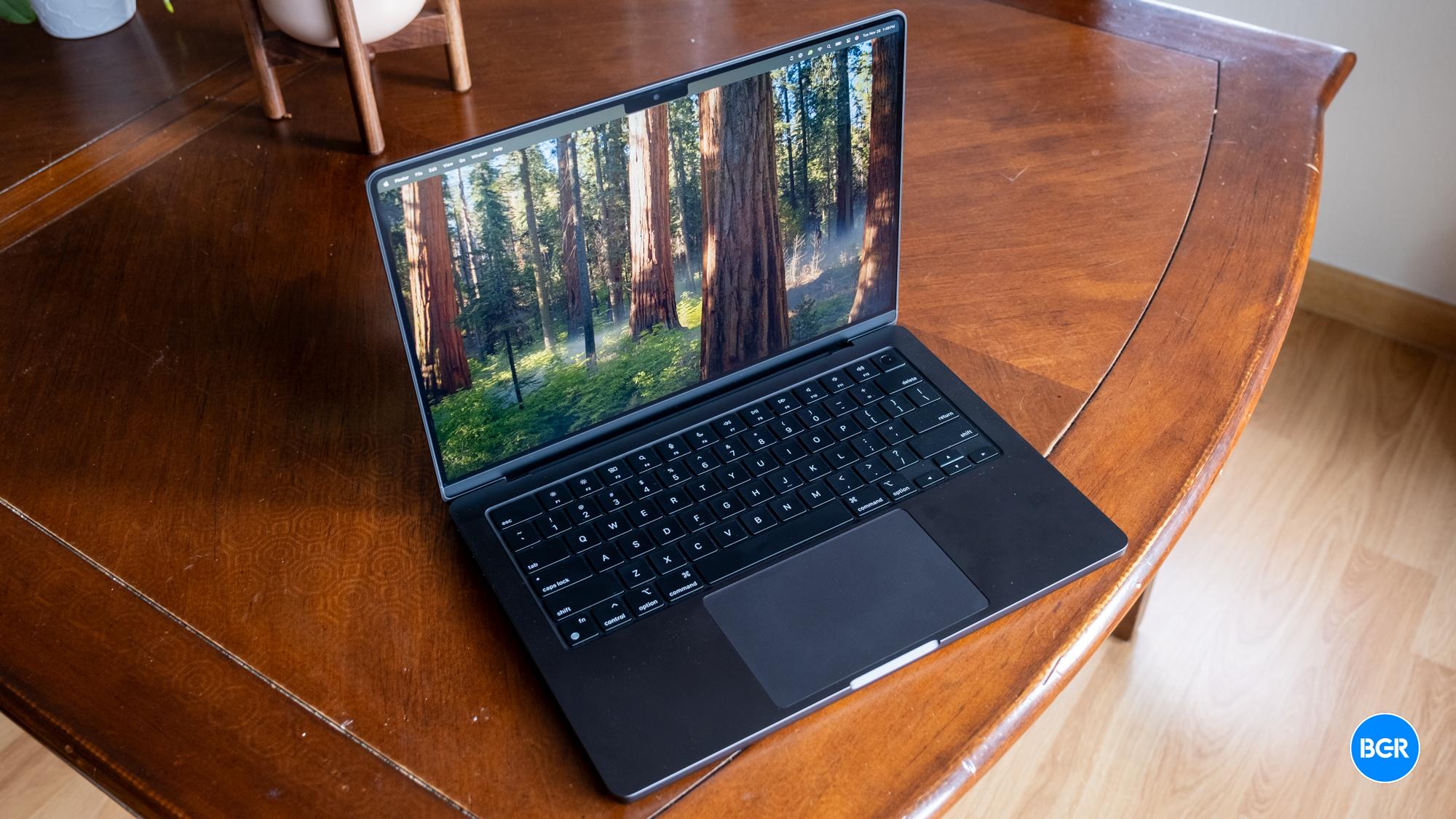
Apple upgraded several Macs to the M4 chip a few weeks ago, including the MacBook Pro, iMac, and Mac mini. The former is easily the most exciting of the three, as Apple gave fans a much-needed upgrade. The M4 MacBook Pro comes with 16GB of RAM instead of 8GB, effectively reducing the laptop’s price for those who would spend extra money for more memory.

It’s all in the name of Apple Intelligence, a suite of genAI features still in its early days. Apple is ensuring that all its devices will have the resources to handle AI and one’s non-AI computing needs.

I said at the time that Apple had no choice but to give the M4 MacBook Air the same 16GB memory upgrade. Apple practically confirmed this during the M4 Mac launch week when it said that existing M2 and M3 MacBook Airs will also come with 16GB of RAM as the new default.

Apple didn’t reveal the M4 MacBook Air release date at the time, but leaks said the 13-inch and 15-inch laptops would drop at some point in the first quarter of 2025. A new update from an insider teases an even faster launch than expected, as Apple might not want to wait until the iPhone SE 4 and iPad 11 are also ready to launch.

Tech. Entertainment. Science. Your inbox.

Sign up for the most interesting tech & entertainment news out there.

By signing up, I agree to the Terms of Use and have reviewed the Privacy Notice.

After the iPhone 16 launch event, we thought we’d get a Mac-centric keynote for the M4 Macs. Apple chose to announce the laptops via press releases, though it also posted extended presentations on YouTube for each of the three Macs that got the M4 treatment.

Before Apple’s announcements in the first quarter of 2025, reports said that the iPhone SE 4 would drop in March. That’s also going to be a rather exciting iPhone for certain buyers.

Considering the mid-ranged iPhone’s rollout expectations and what Apple did with the M4 Macs, it’s easy to assume the company would repeat the play: Pick a week in March and announce a new product each day. We’d get the M4 MacBook Air, the iPhone SE 4, and the iPad 11, in whatever order Apple chooses to do it.

However, Mark Gurman said on X that the M4 MacBook Air launch is coming sooner than expected. He didn’t divulge an actual release date for the M4 MacBook Air models, but he said that the laptops will precede the iPhone SE 4 and iPad 11:

As I wrote in October, new entry level iPads (J481 and J482) are coming in the spring. iPhone SE, new iPad Air are on the same general timeline. The M4 MacBook Air will be earlier.

The Bloomberg reporter also penned a newsletter over the weekend, where he also addressed Apple’s tentative roadmap for the M4 Macs. He said the M4 MacBook Airs will arrive early next year, without mentioning the iPhone SE 4 and iPad 11:

But the real meat of the Mac lineup will get refreshed in the first three quarters of 2025. Things will kick off pretty early next year with M4 versions of the 13-inch and 15-inch MacBook Air (these models are already deep into the manufacturing phase). As the year progresses, there will be a new Mac Studio with a high-end M4 chip. The M4 transition will get completed later in the year with a version of the Mac Pro. This will mark the first time since Apple began using in-house chips that its entire computer portfolio moved to a new M-series generation.

The tweet above gives us a better estimate of when to expect the new MacBook Airs. That said, we have no release dates, so it’s unclear how soon the M4 MacBook Airs will arrive.

Finally, I’ll remind you that Apple has confirmed the M4 MacBook Air in a recent software update. Given Gurman’s claims, Apple’s accidental reveal makes sense if the launch is imminent.

Source

Posted on

We just learned a key detail about Apple’s foldable iPhone

A Display Supply Chain Consultants (DSCC) report a few days ago claimed that Apple will enter the foldable smartphone market in 2026. The move is expected to turbocharge the foldables market, which will face stagnation next year. Dominated by Samsung and Huawei, the current foldable phone landscape has grown all it can without Apple. According to the report, the foldable iPhone is the holy grail event the market needs.

The claims make some sense, especially as rumors about foldable iPhones and iPads are heating up. Add to that the approaching 20th anniversary of Apple’s first-generation iPhone, and a foldable iPhone might be just the kind of design change Apple needs.

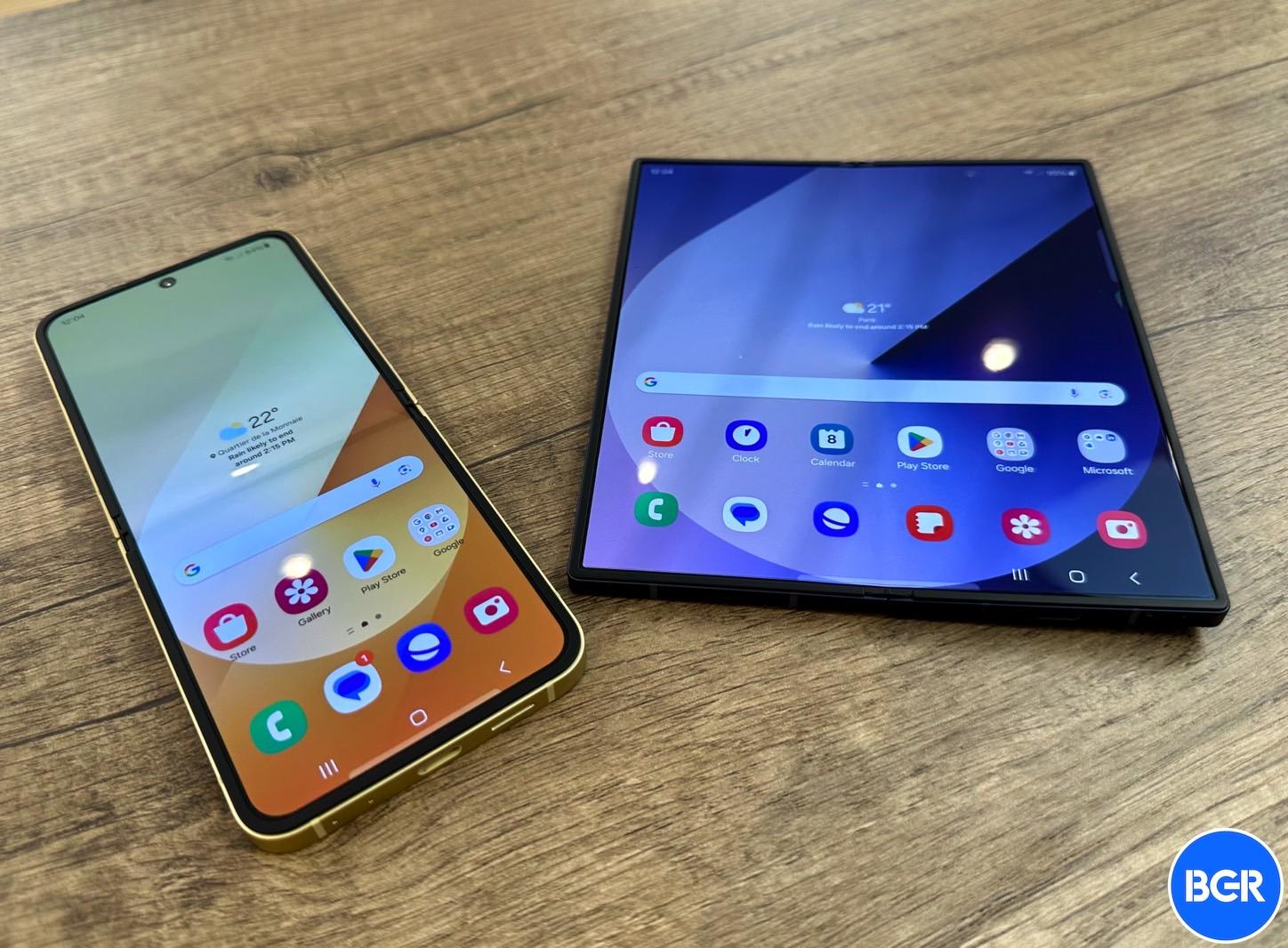
However, the DSCC report didn’t mention what type of design Apple chose. The only viable choices right now are the fold and flip form factors — either a smartphone that becomes a tablet, like the Galaxy Z Fold 6, or a clamshell foldable, like the Galaxy Z Flip 6. Apple could very well embrace both designs, just like Samsung did. Yes, we have double-fold foldables in the wild, but Apple would probably not consider them in the near future, especially if it wants to launch a foldable Mac/iPad in 2028.

Ross Young, the CEO of DSCC and a steady source of iPhone leaks, has answered questions about the type of foldable iPhone design Apple will choose, claiming that Apple is going with an iPhone Fold rather than an iPhone Flip.

Tech. Entertainment. Science. Your inbox.

Sign up for the most interesting tech & entertainment news out there.

By signing up, I agree to the Terms of Use and have reviewed the Privacy Notice.

The comments are buried in an X thread that followed the DSCC report last week. When a user asked whether Apple’s foldable iPhone would be a Flip, Fold, or both, Young answered with one word, “Fold.”

The display analyst then expanded on the comment, saying that Apple is going for a Fold-style “at the moment.”

The same user X user mentioned that most people expect Apple to make a Flip-type of foldable iPhone, asking Ross whether he was sure about Apple’s choice.

That’s when Young said that Apple reportedly canceled the Flip-type design. The foldable iPhone is a “7.x-inch Fold,” he said, adding that he doesn’t want to go into too many details about screen sizes on X.

Samsung also entered the foldable market with a Fold-type device, the ill-fated Galaxy Fold whose original design came with a few critical failures that Samsung had to push back the launch by several months. Samsung perfected the Fold design in subsequent iterations. The first-gen Galaxy Z Flip arrived on the scene a year later.

While I favored the Fold design over the Flip, I changed my mind in recent years. I don’t think I need a tablet in my pocket. It’s clamshell phones like the Motorola Razr and the Galaxy Z Flip that made me dream of a foldable iPhone Flip device.

Take the 6.7-inch iPhone 16 Plus, which I struggled to carry in my pocket for nearly two months. Flip that phone, and it’s a different ball game.

On the other hand, given Apple’s rumored roadmap, an iPhone Fold makes sense. I explained why an iPhone 17 Air design is a key piece of the foldable iPhone puzzle. Also, I told you that Apple’s rumored 6-inch smart display device will pave the way for software interfaces and displays that could very well benefit a foldable iPhone in the future.

If Apple has settled on the Fold design for the first-gen foldable iPhone, we should see more leaks confirming Ross’s claims in the coming year.

Source

Posted on

How to take an AirPods Pro 2 hearing test

With iOS 18.2 now available, Apple expanded the AirPods Pro 2 hearing test feature to more countries and regions, including Cyprus, Czechia, France, Italy, Luxembourg, Romania, Spain, the United Arab Emirates, and the United Kingdom.

With this feature, you can identify if you have hearing loss by testing your hearing at different frequencies of sound, which are measured in decibels hearing level (dBHL). In addition, some regions already have the ability to use AirPods Pro 2 as a hearing aid device. I recently did Apple’s AirPods Pro 2 hearing test, and I wasn’t happy with what I discovered.

Here’s everything you need to know about Apple’s AirPods Pro 2 hearing test feature and how to take the most out of it.

What do you need to take the AirPods Pro 2 hearing test?

There are a few requirements to take the hearing test:

Tech. Entertainment. Science. Your inbox.

Sign up for the most interesting tech & entertainment news out there.

By signing up, I agree to the Terms of Use and have reviewed the Privacy Notice.

  • AirPods Pro 2
  • Update them to the latest firmware
  • Have an iPhone or iPad running iOS 18.1/iPadOS 18.1 or later

Preparing for the test

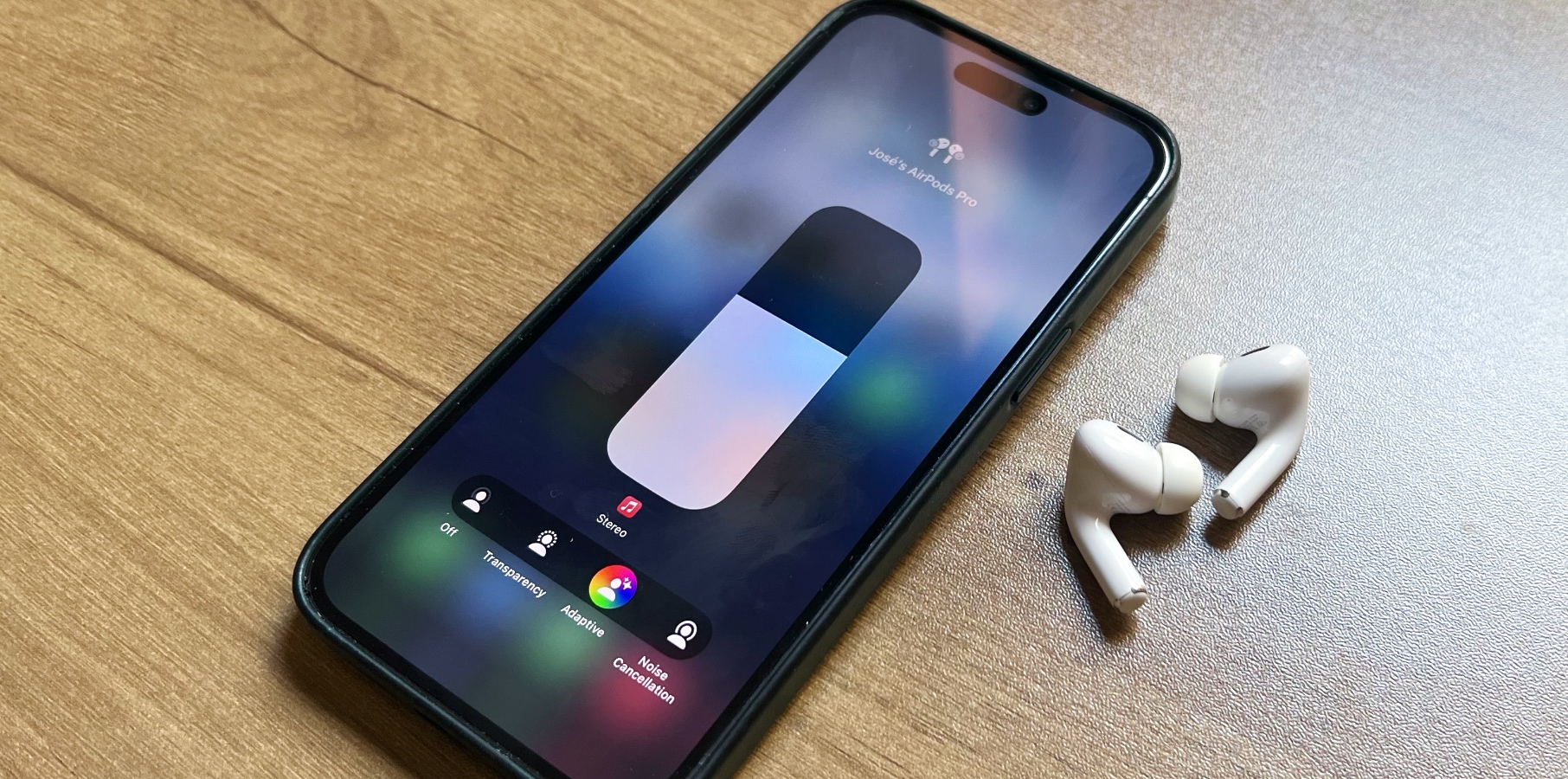
AirPods Pro 2 Adaptative Audio on iPhone 14 Pro Max running iOS 17AirPods Pro 2 next to an iPhone 14 Pro Max. Image source: José Adorno for BGR


If you match the requirements above, you need to prepare for your test. To make sure your AirPods have the proper fit, you can take the Ear Tip Fit Test (iPhone or iPad only). The Hearing Test also tests the fit of your AirPods.

Your test results might be affected if any of these apply to you:

  • If you’ve had a cold, a sinus infection, or an ear infection within the last 24 hours.
  • If you’re currently suffering from allergies.
  • If you’ve been in a loud environment, like a concert, within the last 24 hours.

Once you found a quiet place to take the hearing test, here’s what you need to do

It’s time to take the hearing test

The hearing test feature is intended for people 18 years and older and takes approximately five minutes.

  1. Make sure that your AirPods are sufficiently charged and that you are in a quiet room.
  2. With your AirPods in your ears and connected to your paired iPhone or iPad, go to Settings > your AirPods. You can also start the Hearing Test from the Health app.
  3. Tap Take a Hearing Test, then follow the instructions:
    • If the app asks to run a check, put your AirPods back in their case, close the lid, then tap OK. Tap Take Hearing Test when the check is finished.
    • If prompted to find a quieter space, turn off air conditioning or fans that might be creating noise in your environment, or wait until night when there’s less ambient noise, like traffic noise. The test monitors ambient noise and will let you know when it’s quiet enough for the test.
    • If the test recommends that you adjust the fit of your AirPods, try a different size of ear tips.
    • If the test recommends that your AirPods Pro needs cleaning, follow AirPods Pro cleaning instructions.
  4. When the Hearing Test starts, tap the screen when you hear a tone. During the test, tones are pulsed three times to give you time to respond to the tone played. You only need to tap one time when you hear a tone. It’s OK if you miss a tone.
  5. If you remove or adjust your AirPods (or if the environmental noise around you becomes loud), the Hearing Test may pause. The test resumes when you put the AirPods back in your ear or when the environmental noise is quiet again.

How to see your results

When the test is complete, you can see the results on your device. The results show your overall hearing loss in decibels of hearing level (dBHL), your hearing loss classification, and recommended next steps.

To see a detailed audiogram, tap Show Details. Your audiogram is securely stored in the Health app on your device, so you can access the data at any time. Here’s what you need to know about the results:

  • Up to 25 dBHL indicates little to no hearing loss.
  • 26-40 dBHL indicates mild hearing loss, where you can hear words spoken in a normal voice from three feet away.
  • 41-60 dBHL indicates moderate hearing loss, where you can hear words spoken in a raised voice from three feet away.
  • 61-80 dBHL indicates severe hearing loss, where you can hear some words when they’re shouted into your ear.

Source

Posted on

How to take an AirPods Pro 2 hearing test

With iOS 18.2 now available, Apple expanded the AirPods Pro 2 hearing test feature to more countries and regions, including Cyprus, Czechia, France, Italy, Luxembourg, Romania, Spain, the United Arab Emirates, and the United Kingdom.

With this feature, you can identify if you have hearing loss by testing your hearing at different frequencies of sound, which are measured in decibels hearing level (dBHL). In addition, some regions already have the ability to use AirPods Pro 2 as a hearing aid device. I recently did Apple’s AirPods Pro 2 hearing test, and I wasn’t happy with what I discovered.

Here’s everything you need to know about Apple’s AirPods Pro 2 hearing test feature and how to take the most out of it.

What do you need to take the AirPods Pro 2 hearing test?

There are a few requirements to take the hearing test:

Tech. Entertainment. Science. Your inbox.

Sign up for the most interesting tech & entertainment news out there.

By signing up, I agree to the Terms of Use and have reviewed the Privacy Notice.

  • AirPods Pro 2
  • Update them to the latest firmware
  • Have an iPhone or iPad running iOS 18.1/iPadOS 18.1 or later

Preparing for the test

AirPods Pro 2 Adaptative Audio on iPhone 14 Pro Max running iOS 17AirPods Pro 2 next to an iPhone 14 Pro Max. Image source: José Adorno for BGR

If you match the requirements above, you need to prepare for your test. To make sure your AirPods have the proper fit, you can take the Ear Tip Fit Test (iPhone or iPad only). The Hearing Test also tests the fit of your AirPods.

Your test results might be affected if any of these apply to you:

  • If you’ve had a cold, a sinus infection, or an ear infection within the last 24 hours.
  • If you’re currently suffering from allergies.
  • If you’ve been in a loud environment, like a concert, within the last 24 hours.

Once you found a quiet place to take the hearing test, here’s what you need to do

It’s time to take the hearing test

The hearing test feature is intended for people 18 years and older and takes approximately five minutes.

  1. Make sure that your AirPods are sufficiently charged and that you are in a quiet room.
  2. With your AirPods in your ears and connected to your paired iPhone or iPad, go to Settings > your AirPods. You can also start the Hearing Test from the Health app.
  3. Tap Take a Hearing Test, then follow the instructions:
    • If the app asks to run a check, put your AirPods back in their case, close the lid, then tap OK. Tap Take Hearing Test when the check is finished.
    • If prompted to find a quieter space, turn off air conditioning or fans that might be creating noise in your environment, or wait until night when there’s less ambient noise, like traffic noise. The test monitors ambient noise and will let you know when it’s quiet enough for the test.
    • If the test recommends that you adjust the fit of your AirPods, try a different size of ear tips.
    • If the test recommends that your AirPods Pro needs cleaning, follow AirPods Pro cleaning instructions.
  4. When the Hearing Test starts, tap the screen when you hear a tone. During the test, tones are pulsed three times to give you time to respond to the tone played. You only need to tap one time when you hear a tone. It’s OK if you miss a tone.
  5. If you remove or adjust your AirPods (or if the environmental noise around you becomes loud), the Hearing Test may pause. The test resumes when you put the AirPods back in your ear or when the environmental noise is quiet again.

How to see your results

When the test is complete, you can see the results on your device. The results show your overall hearing loss in decibels of hearing level (dBHL), your hearing loss classification, and recommended next steps.

To see a detailed audiogram, tap Show Details. Your audiogram is securely stored in the Health app on your device, so you can access the data at any time. Here’s what you need to know about the results:

  • Up to 25 dBHL indicates little to no hearing loss.
  • 26-40 dBHL indicates mild hearing loss, where you can hear words spoken in a normal voice from three feet away.
  • 41-60 dBHL indicates moderate hearing loss, where you can hear words spoken in a raised voice from three feet away.
  • 61-80 dBHL indicates severe hearing loss, where you can hear some words when they’re shouted into your ear.

Source