Posted on

Samsung’s Galaxy S25 Slim specs leaked from an early benchmark test

Samsung will unveil the Galaxy S25 in less than two weeks at its first Unpacked press event of the year. Rumors say the keynote will deliver at least one surprise in the form of an ultra-thin Galaxy S25 Slim phone. The handset will be introduced at Unpacked, but it might not ship for several months. Development of the phone might be running behind compared to the regular Galaxy S25 variants.

Samsung reportedly decided to make the Galaxy S25 Slim after it became clear that Apple plans to launch an ultra-slim iPhone 17 Air handset this fall. Coming out with the Galaxy S25 Slim before Apple unveils the thinner iPhone 17 variant could be in Samsung’s favor, at least from a marketing perspective.

A new discovery seems to back up rumors that the Galaxy S25 Slim was added to the Galaxy S25 lineup later than usual. The first purported Geekbench 6 benchmark leaked for the handset, confirming some of its specs in the process.

Found by leaker Jukanlosreve, the Geekbench 6 test for the Galaxy S25 Slim is available at this link.

Tech. Entertainment. Science. Your inbox.

Sign up for the most interesting tech & entertainment news out there.

By signing up, I agree to the Terms of Use and have reviewed the Privacy Notice.

At the time of this writing, two such tests were available on Geekbench for the same phone. It’s a Samsung phone with model number SM-S937U. The Galaxy S25 Slim name doesn’t appear anywhere in the identifiers, of course. But we’ve seen that codename in previous Galaxy S25 Slim rumors.

Leaked Galaxy S25 Slim Geekbech 6 benchmark test.Leaked Galaxy S25 Slim Geekbech 6 benchmark test. Image source: Geekbench

Regarding performance, we’re looking at single-core scores of around 3,000 and multi-core scores of almost 7,000 points. While the single-core test nearly matches the Galaxy S25 Ultra’s early tests that leaked in early November, the multi-score performance lags by about 3,000 points.

This indicates we’re looking at an early test or that Samsung will have to throttle performance on the thinner phone to prevent overheating. While I’m speculating, ultra-thin handsets will come with compromises.

Despite the performance differences there’s good news here. The Galaxy S25 Slim will share some of the most important specs with the Galaxy S25 Ultra. The phone in the benchmark test above runs on the same Qualcomm chip as the one in the Galaxy S25 Ultra tests. They’re identical, down to the clock speeds. It means the Galaxy S25 Slim will pack the Snapdragon 8 Elite chip.

That’s great news for buyers looking for an ultra-thin flagship phone. I say that as an iPhone user looking forward to the iPhone 17 Air. I know the handset should be as powerful as the base iPhone 17 because that’s how Apple does things.

The benchmark test above indicates that Samsung will take a similar approach. The Galaxy S25 Slim will not feature a less powerful chip than the rest of the Galaxy S25 line. That is, Samsung won’t try to cut costs. It also implies the Galaxy S25 Slim won’t be more affordable, as the Elite processor is an expensive component.

The test also reveals another detail about the Galaxy S25 Slim’s specs. The phone will feature 12GB of RAM, while the Ultra will pack 16GB of RAM. However, I don’t expect memory to be a problem on a phone like the Galaxy S25 Slim.
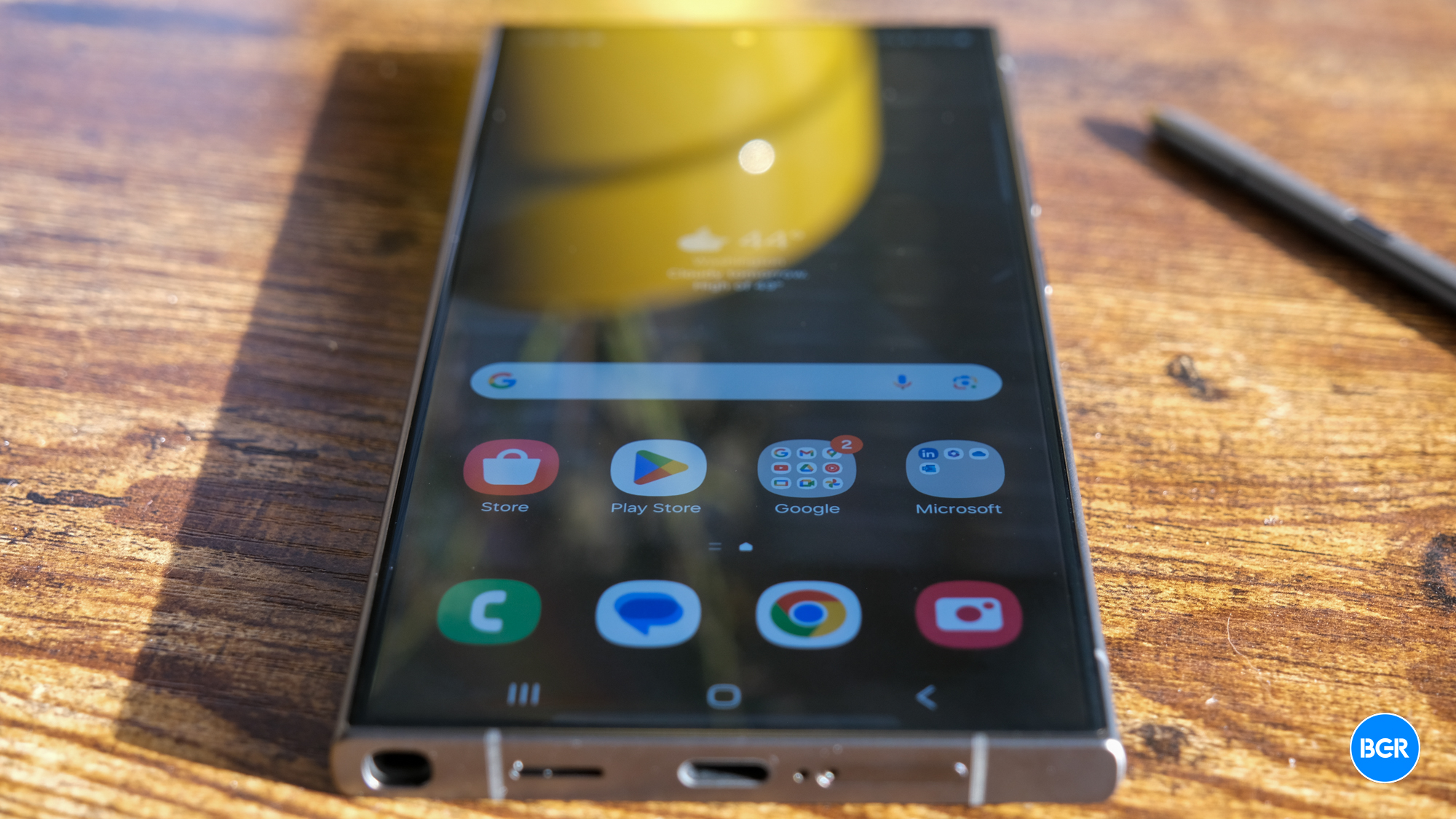
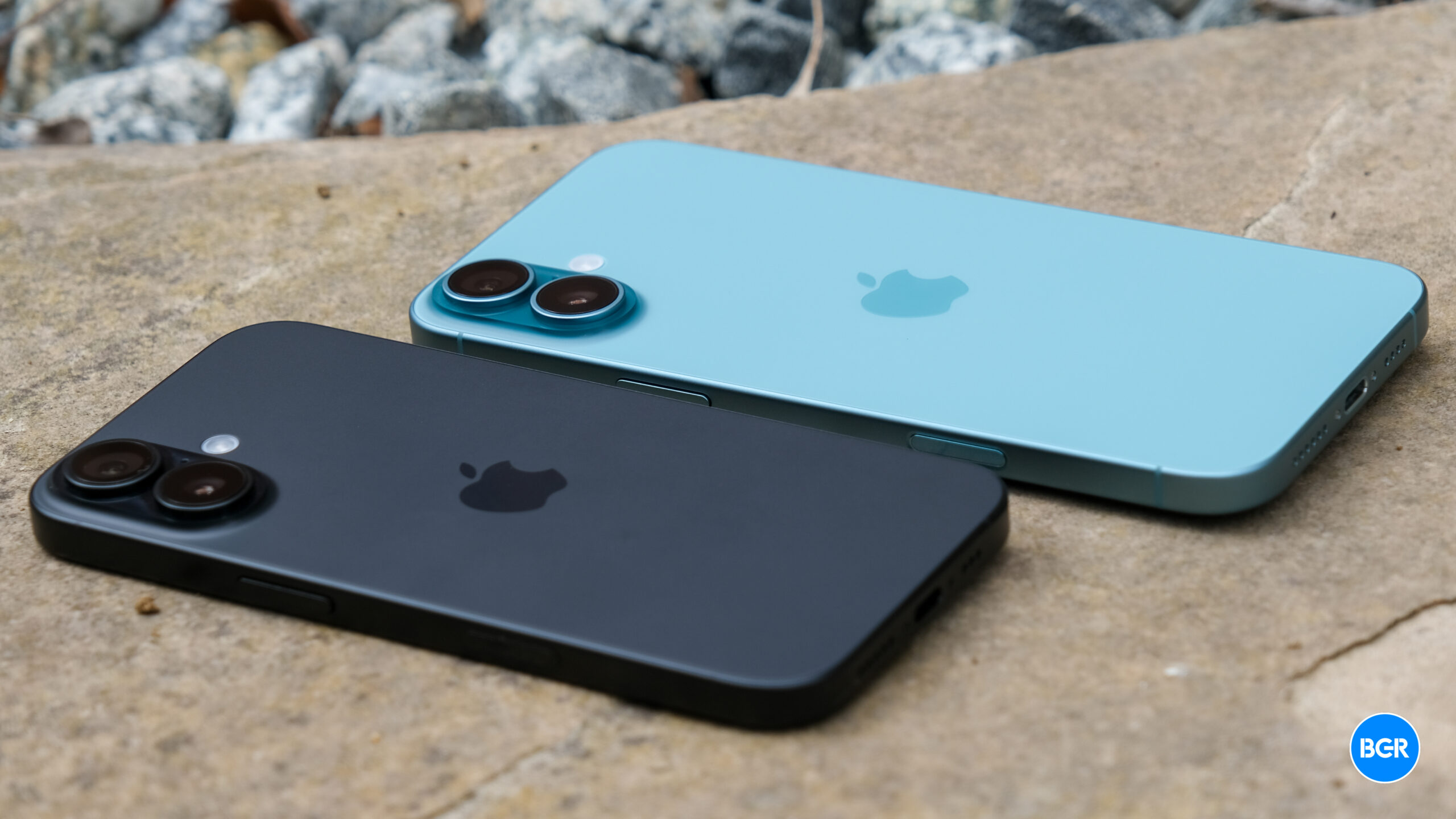
Source

Posted on

Galaxy S25 price leak sparks concern about imminent hikes

Now that CES 2025 has come and gone, the next big event in the tech world is Samsung’s Galaxy Unpacked event on January 22nd. Samsung will unveil the Galaxy S25 lineup at the show, including a Galaxy S25 Slim variant.

The ultra-thin phone might hit stores in just a few months, but that’s hopefully not the only surprise Samsung has prepared for fans. Rumors say Samsung will unveil its Android XR-based AI-infused smart glasses at the show. We certainly expect to see the Vision Pro rival, Project Moohan, unveiled officially. Samsung might also announce a new Galaxy Ring 2 model.

But Unpacked might also bring some unexpectedly bad news: Price hikes for the three (well, four) Galaxy S25 models, the show’s stars.

We saw warnings a few weeks ago that at least one of the three main Galaxy S25 versions could cost more than last year’s model. Now, a new report from Europe suggests price hikes might be in order for all three models, which will be available in stores by February.

Tech. Entertainment. Science. Your inbox.

Sign up for the most interesting tech & entertainment news out there.

By signing up, I agree to the Terms of Use and have reviewed the Privacy Notice.

Reports from Korea detailed in mid-December the two factors that might force Samsung to raise prices for the Galaxy S25 models. First, there was the political turmoil in Korea that impacted the dollar-won exchange. Then there’s the Snapdragon 8 Elite processor, the high-end chip that will power all Galaxy S25 models, that’s significantly more expensive than its predecessor.

The report singled out the Galaxy S25 Ultra as the likely model to get a higher price tag than the Galaxy S24 Ultra.

A month later, Italian blog SmartWorld says that a local store in Italy has already set up placeholder pages for the Galaxy S25 phones that will go on sale after Unpacked.

The store listed prices for all three Galaxy S25 versions and their respective memory options, indicating that price hikes will be in order. According to this information, the Galaxy S25, S25 Plus, and S25 Ultra will cost at least €50 more than their predecessors.

While that might seem troubling, I’ll say there’s nothing official about these prices. That’s a point the Italian blog makes. Maybe it’s just placeholder information waiting to be edited once Unpacked drops. SmartWorld also says that well-known inside Roland Quandt said in December that the Galaxy S25 European prices would match last year’s models.

If the price hikes are real, they might not reflect Samsung’s plans worldwide. It’s unclear in which markets Samsung will raise prices for the Galaxy S25. After all, a €50 hike isn’t as big as expected. If it translates to a $50 price hike in the US, you can offset it by simply registering to preorder a Galaxy S25 flavor. Registration will give you $50 in Samsung credit.

On the other hand, European prices also factor in VAT. The actual price hike might be lower when you remove the tax.

I’ll also remind you that Samsung and its carrier partners will run plenty of promos during the preorder period to make the Galaxy S25 price more palatable. One already leaked: free Gemini Advanced access for up to a year. That’s a subscription that usually costs $20/month. It offers plenty of cloud storage in addition to Google’s best AI model.

Finally, a recent rumor says that Samsung wants to launch a hardware subscription plan soon for devices like the Galaxy S25. While it will be available only in certain markets initially, a hardware subscription plan might make the Galaxy S25 a lot easier on the wallet.

As for the Galaxy S25 Slim, the handset doesn’t have a predecessor, so we can’t predict how much it’ll cost. But I don’t expect it to be more affordable than the base Galaxy S25 model. The ultra-thin phone will still run on the same high-end Snapdragon chip as the rest of them.

Source

Posted on

Apple leaker reveals marquee features for several future iPhone models

The iPhone 17 will be the most important product Apple ships in 2025, and we already have a few exciting rumors about the series. First, the iPhone 17 Air will be Apple’s thinnest iPhone in years. The base iPhone 17 variants will get a 120Hz display, and the iPhone 17 Pro Max will get a smaller Face ID Dynamic Island. That is if all the current rumors come true.

But Apple is also working on iPhone innovations for future generations. A leaker from Asia claims that Apple’s current parts suppliers are already developing components that might serve future iPhone generations. The insider mentioned a foldable display and Face ID components that might help Apple reduce the 3D face recognition system’s footprint.

Weibo user Digital Chat Station, who is known for various accurate leaks in the past, posted an update that mentions multiple components for iPhone models that Apple might be working on.

A machine translation of the post tells us Apple’s supply chain is developing a multi-fold periscope lens, a variable aperture main camera, a foldable screen, and a miniaturized ToF (Time of Flight) technology for Face ID.

Tech. Entertainment. Science. Your inbox.

Sign up for the most interesting tech & entertainment news out there.

By signing up, I agree to the Terms of Use and have reviewed the Privacy Notice.

While the leaker doesn’t mention the specific iPhone models these innovations might debut on, this isn’t the first time we’ve seen such claims.

The foldable screen might concern the foldable iPhone Apple is expected to launch in 2026. A main camera with a variable aperture is reportedly in the works for next year’s iPhone 18. Recent reports also said that the main camera would get a lens from Samsung instead of Sony.

The smaller ToF component for the Face ID system might be related to previous rumors that Apple wants to shrink the Dynamic Island and transform it into a circular hole in the coming years. The Face ID components would move under the display, while the selfie camera would still peek through the OLED panel.

The transition to a smaller Dynamic Island might start this year with the iPhone 17 Pro Max. The premium phone should feature metalens optics for the Face ID system inside the Dynmic Island. The pill-shaped cutout will be smaller than the version Apple has used since the iPhone 14 Pros.

The only purported iPhone component in the leaker’s list that is more puzzling is the multi-fold periscope lens. Apple uses a tetraprism zoom lens in the iPhone 15 Pro Max and the 16 Pro models. Apple will likely want to improve the digital zoom experience in future models by using a more complex prism to bend light.

It’s unclear which iPhone model will introduce the next-gen zoom camera. But if parts suppliers are already sending Apple samples for prototype testing, it should happen in the not-too-distant future.

That’s assuming Apple is happy with the components and goes forward with these features. The iPhone maker tests all sorts of ideas for the headset, but not all of them get promoted to commercial products. As for some of the ones that do leak, they can get postponed.

Source

Posted on

Samsung just hallucinated that it will become the global AI leader in 2025

Samsung was the first big smartphone vendor to launch a flagship phone with AI at the core of its marketing efforts. Last year’s Galaxy S24 series introduced the Galaxy AI suite of features. Samsung followed with the Galaxy Z Fold 6 and Flip 6, which got additional AI capabilities. Samsung then extended Galaxy AI support to older flagship devices. And in a few weeks, Samsung will launch the Galaxy S25 series, which should introduce even more Galaxy AI novelties.

But Samsung leadership is hallucinating worse than an AI program ever could about Samsung’s global role in genAI. In a New Year’s address, Samsung Electronics CEO and Vice Chairman Han Jong-hee and DS Division Vice Chairman Jeon Young-hyun addressed Galaxy AI, saying that Samsung should become the undisputed leader of device AI this year.

“Now is the time for bold innovation that goes beyond the existing success methods as we face an inflection point in AI technology,” the execs said, according to a machine-translated Samsung release. “Let’s establish ourselves as a clear device AI leader this year through advanced intelligence.”

The goal of becoming the undisputed AI leader is noble. It’s what you’d expect key execs to say ahead of a busy year when AI will continue to dominate the tech world. It’s also something officials at other leading tech companies could say, considering AI is the main priority right now.

Tech. Entertainment. Science. Your inbox.

Sign up for the most interesting tech & entertainment news out there.

By signing up, I agree to the Terms of Use and have reviewed the Privacy Notice.

But Samsung is nowhere close to being a leader in AI, and I don’t see it happening in 2025 either. The main problem with Samsung’s Galaxy AI approach is that it doesn’t have a meaningful model of its own to power the genAI tech on phones like the Galaxy S24 and S25.

Using Google's Circle to Search AI feature on the Galaxy S24 Ultra.Using Google’s Circle to Search AI feature on the Galaxy S24 Ultra. Image source: Samsung

Galaxy AI is a mix of AI technologies. Google’s Circle to Search is a good example. Also, Galaxy S25 phones are rumored to come with free Google Gemini Advanced, Google’s best version of Gemini AI.

I’ll also point out that Samsung’s upcoming XR devices, Project Moohan and unnamed AR smart glasses, will work on Google’s Android XR platform, with Gemini playing a key role. I expect Galaxy AI to be part of the picture for both types of products because Samsung can’t AI on its own.

Samsung doesn’t have an alternative to ChatGPT or Gemini. If it is working on Bixby upgrades and Gauss upgrades, matching these AI models will take a long time.

Also, Samsung doesn’t have a desktop presence. ChatGPT is my primary AI tool right now, and I use it across devices. Most of the time, I access it on my Mac rather than a mobile phone.

OpenAI and Google have better models. Meta, Claude, and Microsoft also have AI tools that are more advanced than Samsung’s. Apple is working on a Siri LLM that will behave like ChatGPT and has incorporated ChatGPT into Apple Intelligence on the iPhone.

As for on-device AI, Samsung might have been the first to push AI on mobile devices with Galaxy AI, but it’s not the only one. Google is doing it with Pixel phones and Android in general. Apple laid out an even better vision of on-device AI with Apple Intelligence this year, which Samsung doesn’t appear to be able to match.

Samsung's Project Moohan Android XR headset.Samsung’s Project Moohan Android XR headset. Image source: Samsung
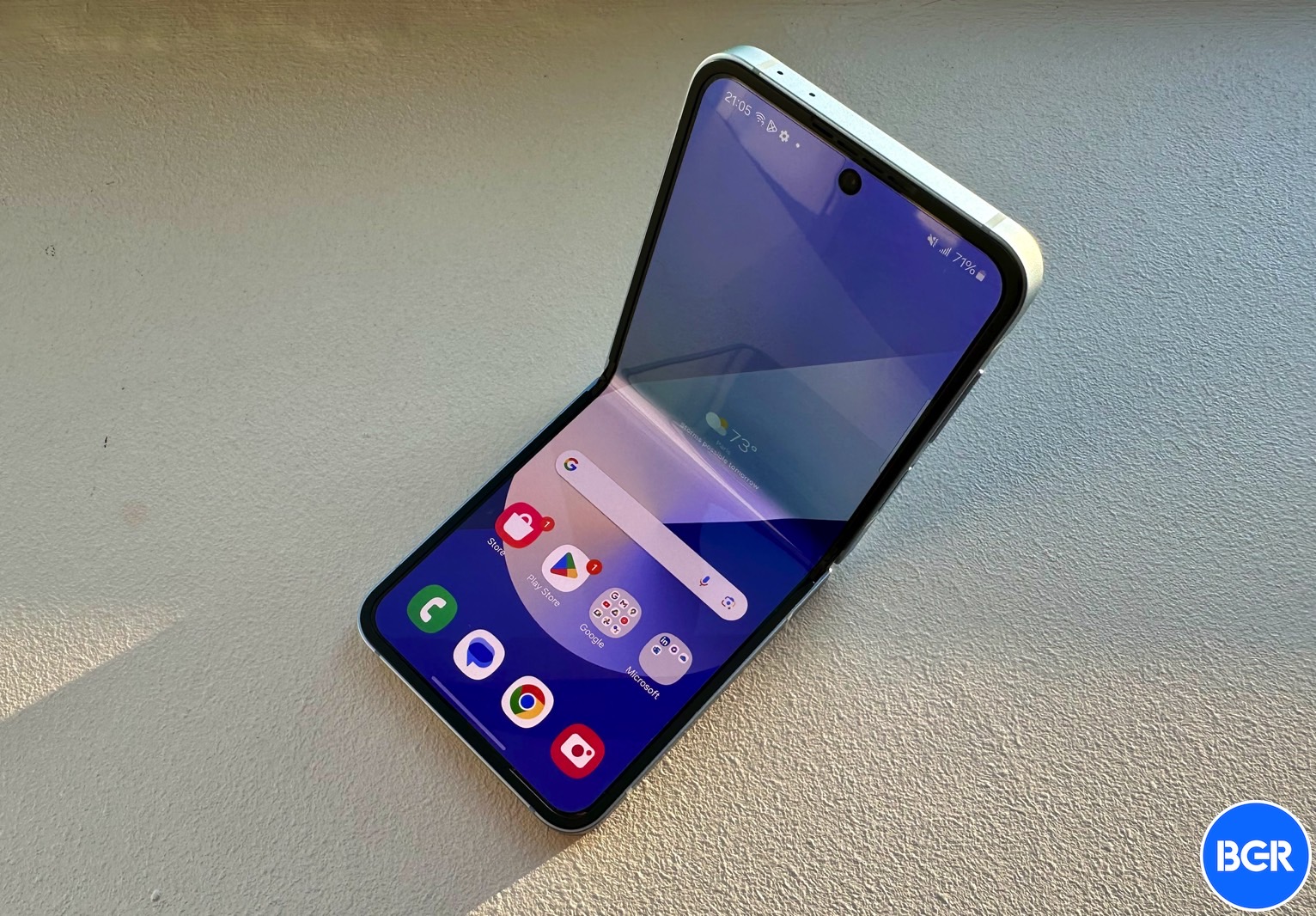
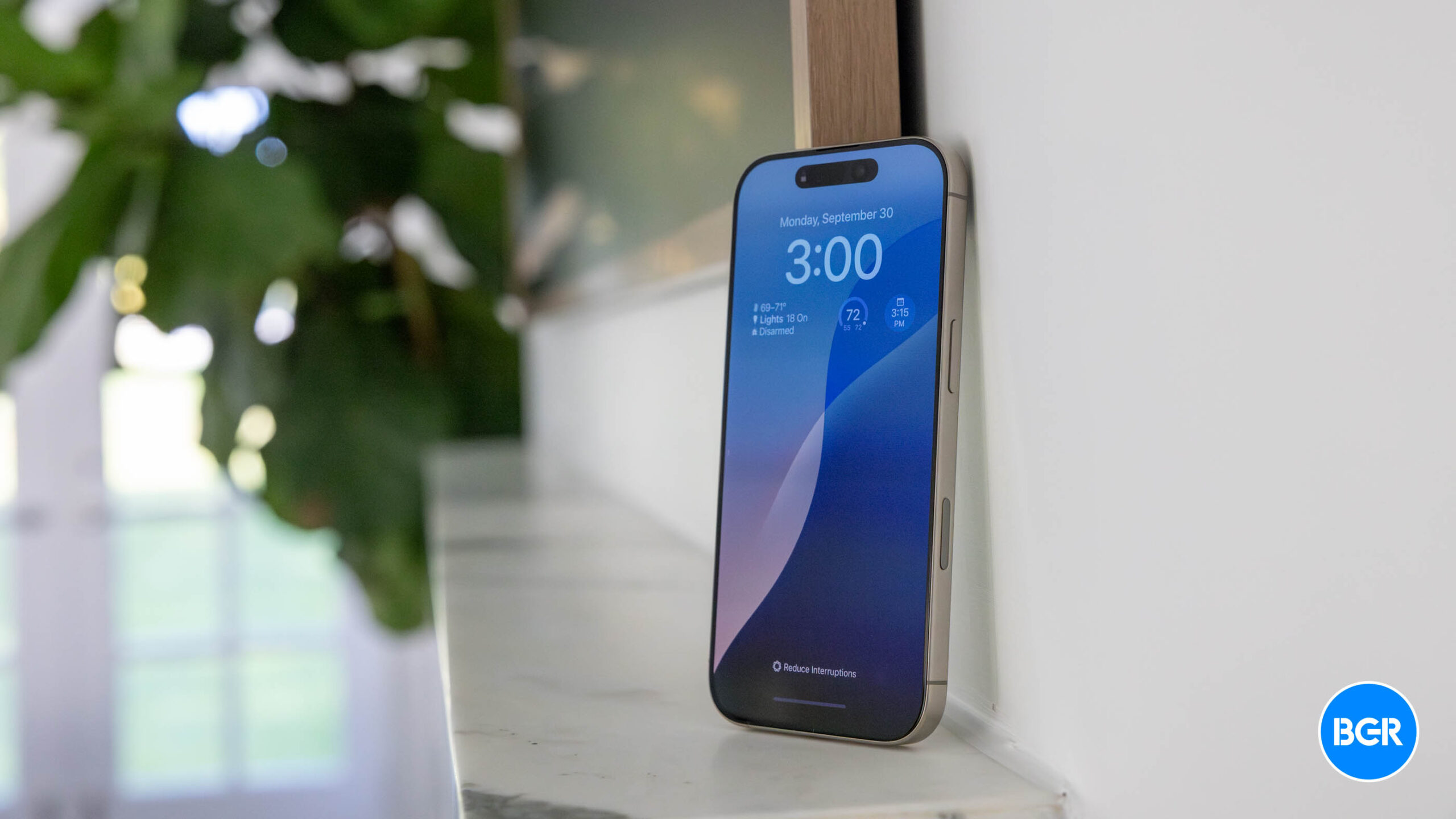
Apple Intelligence might be behind Galaxy AI and other rivals, but Apple has something rivals can’t match: a massive base of devices that can use Apple Intelligence, and the list is growing rapidly. Once Apple Intelligence matures, Apple could very well become the undisputed device AI leader.

Speaking of Apple’s AI vision, Samsung has yet to match what Apple wants to do with iPhones. It’s not just about text and notification summaries, text generation, wallpaper generation, photo editing, and translation. It’s about Siri becoming a more useful assistant by accessing on-device contextual information about the user.

Apple has a plan, at least; one that Samsung might follow. Samsung’s Galaxy AI teasers during the Fold 6 and Flip 6 launch event revealed the company is working on a similar vision. But Samsung waited for Apple’s Apple Intelligence reveal before it unveiled its own plans.

I’ll also point out that Apple Intelligence is designed to offer more on-device AI features and better privacy for cloud-based AI than Galaxy AI can. Turn off Galaxy AI on your phone right now, and you’ll lose many of its useful features. Samsung has yet to match Apple’s Private Cloud Compute, a private cloud-based AI system.

What I’m getting at is that it’ll take years for any company to become the undisputed leader in device AI. If that ever happens. And it’s way too early for Samsung to call for that title, especially considering its massive reliance on partners like Google.

Also, suppose the Samsung execs only want the company to sell as many products that can run third-party AI programs within Galaxy AI. In that case, that still doesn’t qualify as being the undisputed leader of device AI.

Source

Posted on

A more affordable Galaxy Z Flip FE is set to launch this year

Samsung’s next-gen foldable phones are at least seven months away, but it looks like 2025 will be the year when the Korean giant introduces cheaper models instead of giving us another round of price hikes.

Rumors in November and December mentioned the affordable Galaxy Z Flip FE model that Samsung is supposedly developing for a summer 2025 launch. We now have more evidence that indicates the “Fan Edition” version of the Galaxy Z Flip 7 is real and likely launching this year.

According to SmartPrix, the Galaxy Z Flip FE appeared in the GSMA database already. The device has been added to the database after Christmas, listed as a “Galaxy Z Flip XE” device with model number SM-F761B.

The “XE” designator in the name is either a spelling mistake or an attempt to avoid detection. Another possibility is that Samsung is not sure which moniker to use.

Tech. Entertainment. Science. Your inbox.

Sign up for the most interesting tech & entertainment news out there.

By signing up, I agree to the Terms of Use and have reviewed the Privacy Notice.

Fan Edition (FE) is a name Samsung routinely uses for the cheaper Galaxy S models that launch in the second half of the year. Then there’s the Special Edition (SE) name that Samsung used in late 2024 for a limited version of a thin Galaxy Z Fold 6.

Considering the previous leaks that claimed Samsung is developing a cheaper Flip-type foldable, the Fan Edition name seems more likely. That’s why the Galaxy Z Flip FE designator makes more sense.

Also, the Galaxy Z Flip line sells much better than the Fold, as it’s more affordable. Also, the Fold 6 got slightly more expensive last year. Making a cheaper version of the foldable that gets more attention from buyers might be the better play here.

The GSMA listing doesn’t provide details about the Galaxy Z Flip FE. It’s unclear what compromises we should expect from a cheaper Flip variant launching this year. Samsung will also have a regular Galaxy Z Flip 7 in stores and a Fold 7 phone that will look much like the Galaxy Z Fold SE.

I expect the Galaxy Z Flip SE to use the Flip 6 design and some of its main specs. Samsung can also save money by replacing the Qualcomm flagship chip with an Exynos variant, but that’s all just a guess.

Last year’s Galaxy Z Flip 6 is easily Samsung’s best Flip phone to date, a better flagship than any of its predecessors. The phone starts at $1,099 before any deals, which is more expensive than candybar flagships. It’ll be interesting to see what Samsung prices the Flip FE variant.

The base 2024 Motorola Razr costs $699.99, which is a great price for a foldable handset. I’d expect Samsung to target this price point with the Galaxy Z Flip FE.

Source

Posted on

Which came first, the iPhone 17 Air or the Galaxy S25 Slim?

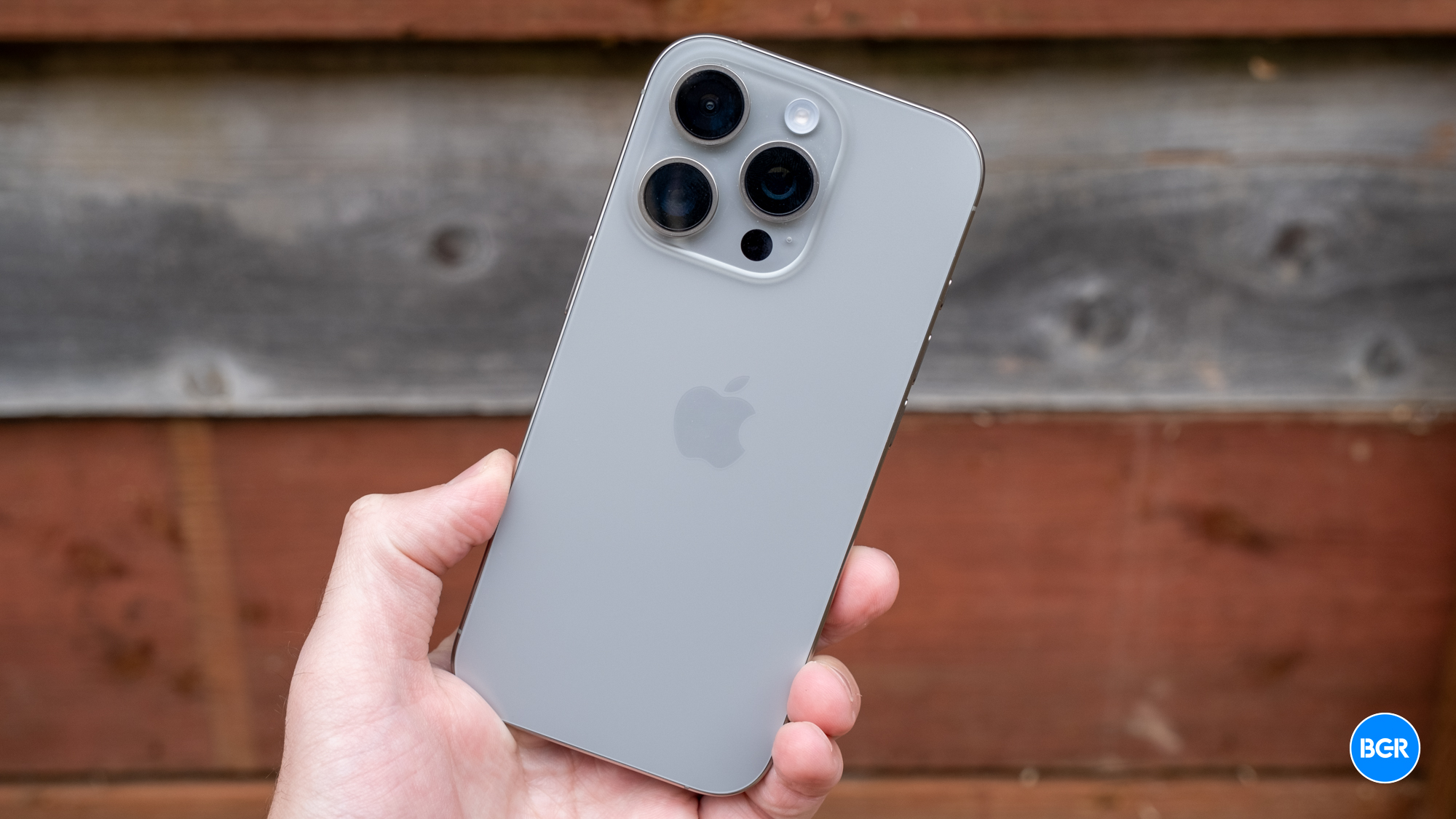
Apple and Samsung are both expected to launch ultra-thin smartphones this year. The iPhone 17 Air will be Apple’s thinnest iPhone 17 flavor and the thinnest iPhone ever made. The Galaxy S25 Slim will also be much thinner than the rest of the Galaxy S25 lineup.

The iPhone 17 Air was the first to appear in rumors and reports, while the Galaxy S25 Slim showed up in leaks only recently. However, the release order will be reversed.

Word on the street is that the Galaxy S25 Slim will make an appearance at Unpacked this month but hit stores in the second quarter of the year. The iPhone 17 Air will be unveiled in the first half of September and start selling in stores about 10 days later.

This would make it seem like Samsung was the first to the market with an ultra-thin phone. Regardless of the Slim’s appeal to the public, I still expect Samsung to use it as a marketing tool the second Apple unveils the iPhone 17 Air this September.

Tech. Entertainment. Science. Your inbox.

Sign up for the most interesting tech & entertainment news out there.

By signing up, I agree to the Terms of Use and have reviewed the Privacy Notice.

But who was really the first to come up with the idea of making an ultra-thin handset? A new story from Korea offers the answer you might already be expecting.

Korean-language news outlet SisaJournal detailed both ultra-thin devices in a report, repeating some of the claims that appeared in other rumors.

The iPhone 17 Air will have a profile of around 6.25mm, which is up to 1.6mm thinner than the iPhone 15 (7.8mm). The Galaxy S25 Slim will be slightly thicker than the Air at 6.6mm, but the Samsung phone will still be thinner than the 7.6mm Galaxy S24. The Galaxy S25 Slim could have a big camera advatage over the Air, a multi-lens camera on the back.

The report also notes that the iPhone 17 Air will replace the Plus model. The Air will be unveiled in September and cost about as much as the Plus. This is where things get interesting, as the report quotes an unnamed industry official who said Apple has already completed product planning for the iPhone 17 Air.

Moving on to Samsung, the report says the Korean giant will unveil the Galaxy S25 series soon. But the Galaxy S25 Slim will be released in the second or third quarter of 2025. This release window would still ensure that Samsung’s ultra-thin phone will be available in stores before the iPhone 17 Air launches.

The Galaxy S25 Slim’s price will be lower than the Ultra, which isn’t a surprising claim. The report cites an official from the smartphone industry saying that the Galaxy S25 Slim can’t be expensive. Its main purpose is to respond to the iPhone 17 Air preemptively. Samsung also wants to see how the market reacts to a thinner flagship phone.

The report says that Samsung decided to make a Galaxy S25 Slim phone only when Apple decided to go forward with the iPhone 17 Air model. That could settle the upcoming dispute about which ultra-thin phone came first. Then again, none of this is official.

How would Samsung even know about Apple’s plans? For starters, we’ve had rumors about the iPhone 17 Air long before the Galaxy S25 showed up in leaks. We also know that Samsung phones are never well-kept secrets. Neither is the iPhone, but Apple at least manages to save a few surprises here and there.

More importantly, Samsung Display and LG Display are rumored to supply the LTPO OLED panels Apple needs for the entire iPhone 17 series. All four phones should support ProMotion (120Hz refresh rate).

The iPhone 17 Air screen will be smaller than the iPhone 16 Plus. It might have other particularities that Samsung and LG would have to be aware of during the manufacturing phase. Therefore, Samsung would have some knowledge that the iPhone 17 series might see a specific design change.

Separately, I’ll point out that Samsung made an ultra-thin foldable last year. The Galaxy Z Fold SE is a limited edition device released in Korea and China a few months ago. Samsung only developed it after years of pressure from competitors. The handset seems to be a success, and rumors say the Galaxy Z Fold 7 will inherit that design.

What I’m getting at is that Samsung has the tech to make such devices happen, whether they’re foldables or not. It doesn’t have the courage to be first, even if it’ll say so once the Galaxy S25 Slim beats the iPhone 17 Air to market.

Source

Posted on

iPhone 17 Air price and exact thickness may have just leaked

The upcoming iPhone 17 Air looks more like a real product after every leak. This time, South Korea’s Sisa Journal (via MacRumors) reveals the iPhone 17 Air’s price and its exact thickness.

According to the publication, Apple aims for this device to be 6.25mm thick, which would make this device the thinnest iPhone ever. Comparatively, MacRumors points out that this would make the iPhone 17 Air 20% thinner than the regular iPhone 16 models and 25% thinner than the iPhone 16 Pro versions.

This leak is corroborated by other sources who previously stated that Apple plans to release an iPhone 17 Air with a thickness of around 5mm to 6mm. Now, after rumors saying Cupertino wants to charge extra for this device, Sisa Journal believes this iPhone will be a replacement for the Plus model, and Apple will likely keep the exact price point of the iPhone Plus for this Air version.

That means the iPhone 17 Air’s price could be $899—or at least a variation of the iPhone 16 Plus price, depending on the configuration Apple offers.

Tech. Entertainment. Science. Your inbox.

Sign up for the most interesting tech & entertainment news out there.

By signing up, I agree to the Terms of Use and have reviewed the Privacy Notice.

Still, it’s safer to assume that the iPhone 17 Air will be cheaper than the Pro models, but it doesn’t mean Apple won’t offer a price hike across the lineup. Last December, Well-connected leaker jukanlosreve shared the following quote from Jong Wook Lee, a senior researcher at Samsung Securities Research Center:

Although there were initial expectations that Apple’s iPhone prices would rise this year, prices were unusually not increased. As a result, profit margins have declined since the third quarter of this year. iPhone prices are expected to increase next year.

The leaker speculated that the Galaxy S25, S26, iPhone 17, and iPhone 18 might all get price hikes. Obviously, if the Galaxy S25 and iPhone 17 were to see price hikes, their successors would also be more expensive than the 2024 Galaxy S24 and iPhone 16. Samsung and Apple would not necessarily have to raise prices two years in a row. And I’m not sure customers would stomach such a scenario.

Below, you can learn more about the iPhone 17 Air.

Source

Posted on

iPhone 18 might get a major battery breakthrough

The iPhone 16 has terrific battery life, which I can attest to as a former iPhone 16 Plus owner. Battery life was the least of my worries, and I miss only having to charge the iPhone every other day. It’s not just the Plus and Pro Max that have better battery life, but all iPhone 16 variants.

As we approach the launch of Apple’s iPhone 17 series, I expect Apple to keep improving battery life on at least three of the four models. The rumored iPhone 17 Air will likely have to compromise battery performance so Apple can make the phone as thin as possible.

I hope the iPhone 17 generation delivers the big battery breakthrough rumors teased in previous years. Apple is supposedly developing new battery tech that would allow it to increase the iPhone battery life significantly. Rumors have mentioned solid-state batteries in the past, as well as new materials for the anode and cathode. The next-gen batteries would have higher density in addition to higher capacities, and they might support faster charging rates.

However, this big battery upgrade might not be ready in 2025. Instead, we may have to wait until the iPhone 18 series rolls out, which would be perfect timing because it might include a foldable iPhone model.

Tech. Entertainment. Science. Your inbox.

Sign up for the most interesting tech & entertainment news out there.

By signing up, I agree to the Terms of Use and have reviewed the Privacy Notice.

Next-gen battery tech is in the works

Well-known Korean leaker named yeux1122 penned a blog post about battery innovations coming to smartphones in the coming years. Apparently, Chinese vendors are looking to equip 2026 smartphones with batteries ranging from 7,000 mAh to 8,000 mAh, but they don’t want to make their devices any thicker.

The leaker says that Apple and Samsung are also developing battery tech innovations to respond to this type of competition.

The Chinese batteries will use high-silicon materials rather than relying on previous lithium-ion tech. Samsung is supposedly working on its new battery materials for the cathodes and anodes, looking to develop a new type of battery.

The leaker says Samsung has made significant progress with the technology. The company was able to increase the silicon in its batteries while avoiding side effects like battery expansion.

yeux1122 also says that Apple has a nearly identical strategy, with the first iPhone battery breakthroughs likely coming in 2026. That implies the iPhone 18 models could deliver sigificant battery life improvements.

Chinese phones already use silicon-carbon batteries

Nothing is confirmed right now, but I’ll remind you that Chinese vendors like Honor have been using silicon-carbon batteries for a couple of years. Initially, the battery tech was restricted to units sold in China. Honor then brought the tech to Europe last year with the Honor Magic 6 Pro’s 5,600 mAh battery.

Honor advertises industry's first silicon-carbon battery tech during Magic 5 Pro launch event at MWC 2023.Honor advertises industry’s first silicon-carbon battery tech during Magic 5 Pro launch event at MWC 2023. Image source: Chris Smith, BGR
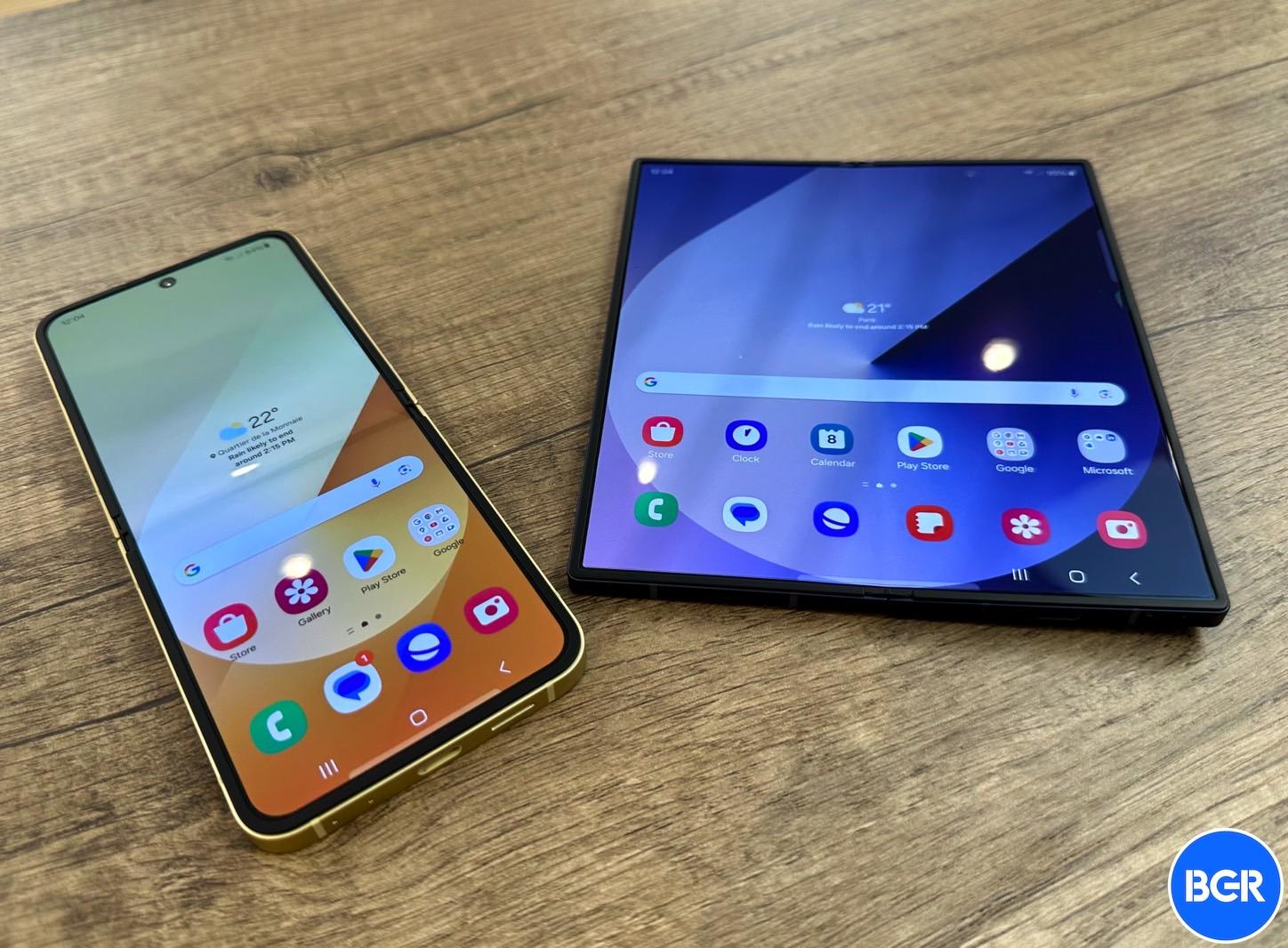

Interestingly, Honor announced the Magic 7 Lite phone this week, a mid-range device with a 6,600 mAh silicon-carbon battery and 66W charging support. Honor seems ready to use the new battery tech in cheaper phones while significantly increasing capacity. This confirms, at least in part, that Chinese vendors are pushing new smartphone battery tech to other phones.

What exactly is Apple working on?

Looking at the yeux1122 report, a different leaker connected the story with a rumor from late 2023. Jukanlosreve pointed to an ETNews story that I recognized. Back in 2023, I said I hoped the iPhone would get the custom Apple battery tech the Korean report described.

It wasn’t clear at the time when Apple would have the tech ready, and it still isn’t. But the ETNews report said Apple was creating a “completely new battery” by developing new materials for the cathode and anode. Apple was looking to replace graphite with silicon in the anode while ensuring the new material would not expand during charging and discharging.

The silicon-carbon batteries that Chinese vendors use also feature anodes that replace graphite with silicon.

What I’m getting at is that Apple might be on the verge of delivering a big breakthrough for iPhone battery life, though it might not be ready this year.

In addition to competing against Chinese phones with monster batteries, the tech could also significantly improve the battery life of the iPhone 18 Air and iPhone 18 Fold, which could launch next year. But that’s just speculation and wishful thinking from this longtime iPhone user.

Source

Posted on

iPhone 18 Pro details and M5 Mac release date both might’ve leaked

In a blog post on Medium, Apple insider Ming-Chi Kuo revealed interesting details about Apple’s future iPhone 18 and M5 Mac releases. According to the analyst, BE Semiconductor will drastically benefit from Apple’s upcoming products as the company has business with Apple’s manufacturers.

Kuo says that the iPhone 18 Pro’s wide camera will be upgraded to variable aperture in 2026, and BESI is the supplier of assembly equipment for aperture blades, a critical component of this upgrade. Last month, Kuo already revealed that Apple planned to add this change to the iPhone.

At the time, the analyst wrote that the “2026 high-end iPhone 18” will feature a wide camera lens with a variable aperture, “significantly enhancing the user photography experience.” The insider, known for his generally accurate predictions about unreleased iPhones, probably refers to the iPhone 18 Pro or iPhone 18 Pro Max. Apple has introduced new camera features with the iPhone Pro Max model before making them available to other models.

Apple wouldn’t be the first smartphone vendor to adopt cameras with variable apertures. Earlier this year, we saw similar features from phones like the Xiaomi 14 Ultra and the Honor Magic 6 Pro. Before that, Samsung phones like the Galaxy S9 and S10 featured cameras with variable apertures.

Tech. Entertainment. Science. Your inbox.

Sign up for the most interesting tech & entertainment news out there.

By signing up, I agree to the Terms of Use and have reviewed the Privacy Notice.

Besides the iPhone 18 Pro improvements, the analyst also leaked information about Apple’s upcoming M5 chips. According to him, the M5 processors will adopt TSMC’s N3P node, which is known as the third generation of the 3nm process. With that, mass production for upcoming chips is expected in this timeline:

  • Base-model M5: 1H25
  • M5 Pro and M5 Max: 2H25
  • M5 Ultra: 1H26

That said, Apple will likely unveil M5 Macs by the second half of 2025, as it still has some M4 Macs to unveil throughout 2025.

In addition, the analyst says Apple will continue to build out it’s Private Cloud Compute infrastructure by producing high-end M5 chips, which will be better suited for AI inferencing. Previously, rumors revealed Apple wanted to ask other companies to create specific chips for its PCC infrastructure starting in 2026.

BGR will let you know once we learn more about future Apple products.

Source

Posted on

We just learned a key detail about Apple’s foldable iPhone

A Display Supply Chain Consultants (DSCC) report a few days ago claimed that Apple will enter the foldable smartphone market in 2026. The move is expected to turbocharge the foldables market, which will face stagnation next year. Dominated by Samsung and Huawei, the current foldable phone landscape has grown all it can without Apple. According to the report, the foldable iPhone is the holy grail event the market needs.

The claims make some sense, especially as rumors about foldable iPhones and iPads are heating up. Add to that the approaching 20th anniversary of Apple’s first-generation iPhone, and a foldable iPhone might be just the kind of design change Apple needs.

However, the DSCC report didn’t mention what type of design Apple chose. The only viable choices right now are the fold and flip form factors — either a smartphone that becomes a tablet, like the Galaxy Z Fold 6, or a clamshell foldable, like the Galaxy Z Flip 6. Apple could very well embrace both designs, just like Samsung did. Yes, we have double-fold foldables in the wild, but Apple would probably not consider them in the near future, especially if it wants to launch a foldable Mac/iPad in 2028.

Ross Young, the CEO of DSCC and a steady source of iPhone leaks, has answered questions about the type of foldable iPhone design Apple will choose, claiming that Apple is going with an iPhone Fold rather than an iPhone Flip.

Tech. Entertainment. Science. Your inbox.

Sign up for the most interesting tech & entertainment news out there.

By signing up, I agree to the Terms of Use and have reviewed the Privacy Notice.

The comments are buried in an X thread that followed the DSCC report last week. When a user asked whether Apple’s foldable iPhone would be a Flip, Fold, or both, Young answered with one word, “Fold.”

The display analyst then expanded on the comment, saying that Apple is going for a Fold-style “at the moment.”

The same user X user mentioned that most people expect Apple to make a Flip-type of foldable iPhone, asking Ross whether he was sure about Apple’s choice.

That’s when Young said that Apple reportedly canceled the Flip-type design. The foldable iPhone is a “7.x-inch Fold,” he said, adding that he doesn’t want to go into too many details about screen sizes on X.

Samsung also entered the foldable market with a Fold-type device, the ill-fated Galaxy Fold whose original design came with a few critical failures that Samsung had to push back the launch by several months. Samsung perfected the Fold design in subsequent iterations. The first-gen Galaxy Z Flip arrived on the scene a year later.

While I favored the Fold design over the Flip, I changed my mind in recent years. I don’t think I need a tablet in my pocket. It’s clamshell phones like the Motorola Razr and the Galaxy Z Flip that made me dream of a foldable iPhone Flip device.

Take the 6.7-inch iPhone 16 Plus, which I struggled to carry in my pocket for nearly two months. Flip that phone, and it’s a different ball game.

On the other hand, given Apple’s rumored roadmap, an iPhone Fold makes sense. I explained why an iPhone 17 Air design is a key piece of the foldable iPhone puzzle. Also, I told you that Apple’s rumored 6-inch smart display device will pave the way for software interfaces and displays that could very well benefit a foldable iPhone in the future.

If Apple has settled on the Fold design for the first-gen foldable iPhone, we should see more leaks confirming Ross’s claims in the coming year.

Source