Posted on

Apple’s leaked Face ID doorbell might use MagSafe and integrate with AirPods Pro 3

After teasing that AirTag 2 might be released soon, leaker Kosutami on X hints at a new smart home product: a MagSafe-compatible doorbell. In a few posts, the leaker wrote, “There’s something Apple ringing on your door,” followed by, “More hint: MagSafe on your door, it rings.”

They also say, “You can hear from next-generation AirPods Pro.” While all those hints lack more details, Bloomberg recently reported that a Face ID doorbell could be coming soon.

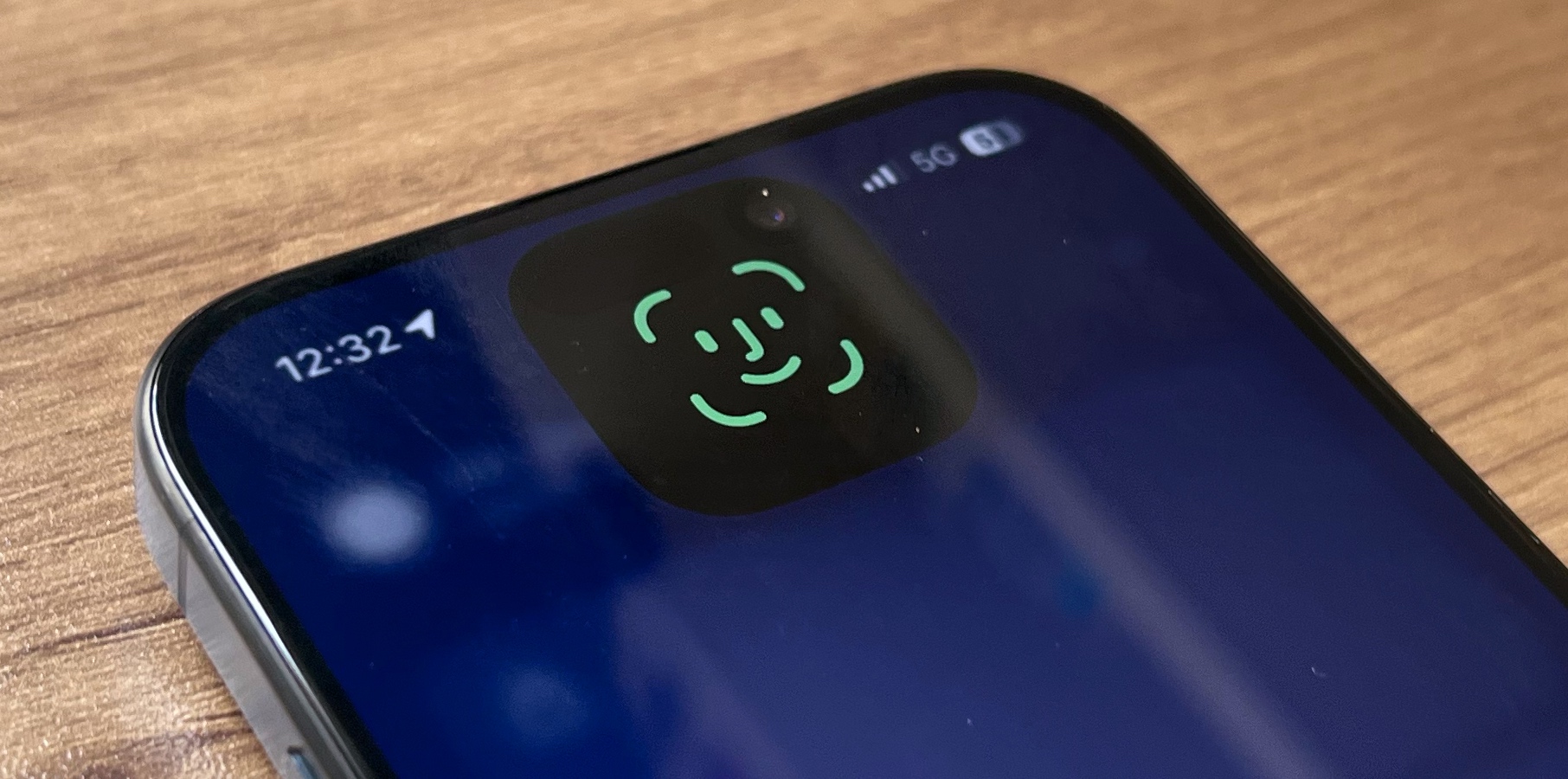
While it’s unclear when or even if Apple will launch the doorbell, a Face ID doorbell would change how home security works. It would be even cooler than smart locks that let you unlock the door with an iPhone or a wearable. The door would recognize your face and let you in as easily as unlocking your iPhone with Face ID.

A video doorbell with Face ID support seems like the kind of product that Apple would have to develop in this context. It would leverage some of Apple’s best features, including the secure 3D authentication algorithm and the strong privacy and security of Apple’s ecosystem. Gurman says the doorbell would protect consumer data using Apple’s upcoming Proxima chipset and its secure enclave feature.

Tech. Entertainment. Science. Your inbox.

Sign up for the most interesting tech & entertainment news out there.

By signing up, I agree to the Terms of Use and have reviewed the Privacy Notice.

The work on the Face ID doorbell is said to be in the early stages. If Apple decides to proceed with it, it might launch the product before the end of 2025. Gurman also says Apple may decide against selling the product under its own brand and partner with Logitech or Belkin.

If that turns out to be accurate, Kosutami gives us another hint that it might support MagSafe. Interestingly enough is the fact that it could integrate with AirPods Pro 3. Rumors so far are still vague despite the imminent support of heart rate measuring. Still, with Apple focusing on the hearing aid market and greatly improving its H-series chips, it’s possible that the perfect smart home ecosystem would announce when someone knocked at your door if you’re wearing AirPods.

Despite Gurman’s report, we still have to wait and see if Kosutami or another leak will give us more details on Apple’s future smart home projects. That said, the company has been working on several new smart home devices.

Source

Posted on

Microsoft Office might get a free tier with ads

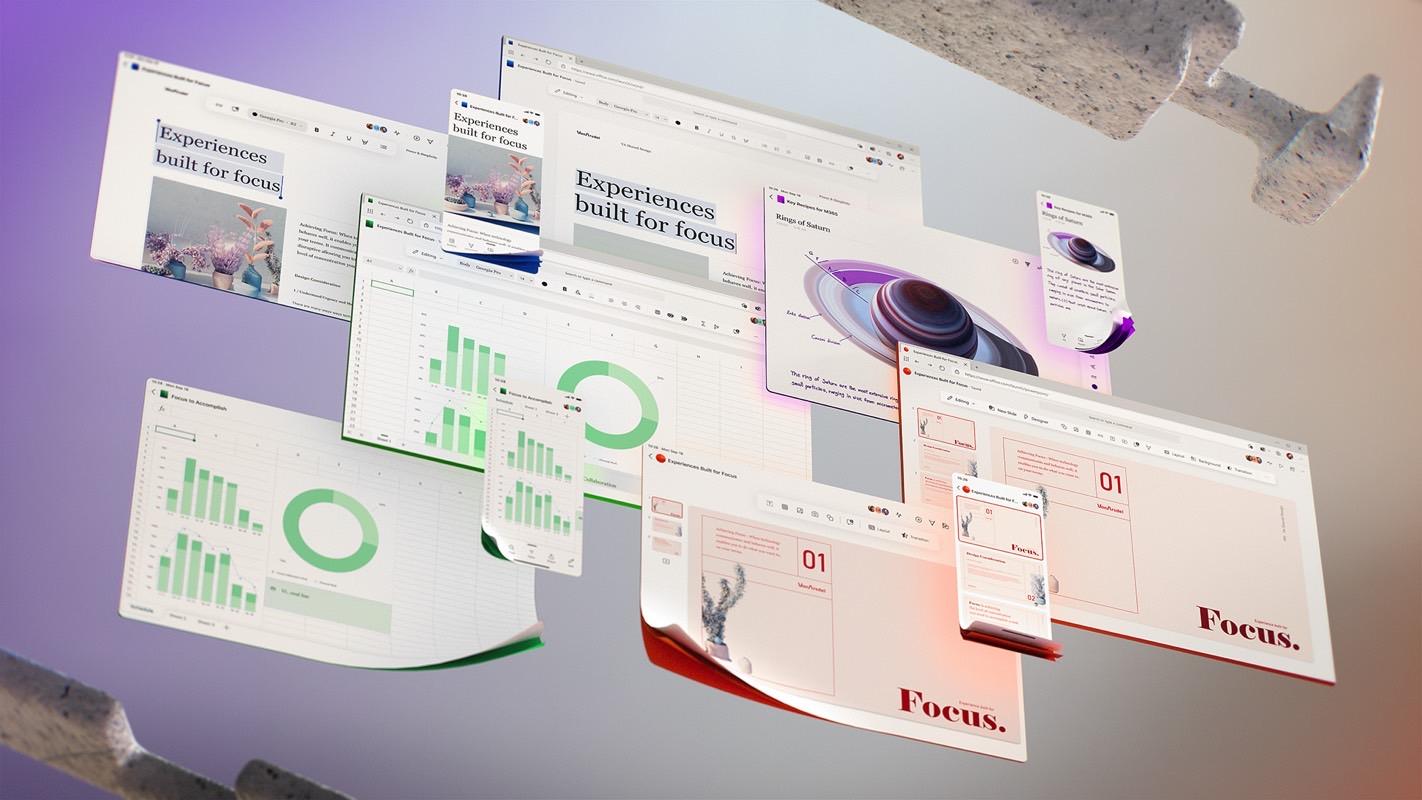
Microsoft might release a free tier Office version with ads in the future. According to Beebom (via The Verge), the company started testing this possibility for Windows PCs. At this moment, the Redmond firm isn’t publicly promoting this bundle, even though it acknowledged the test after the media started talking about the possibility of an ad-supported Microsoft Office plan.

“Microsoft has been conducting some limited testing. Currently, there are no plans to launch a free, ad-supported version of Microsoft Office desktop apps,” said a Microsoft spokesperson in a statement to PCWorld

As spotted by Beebom, once Windows users download the official Microsoft Office bundle from the company’s website and then try to open one of the apps, they can now click “Skip Now” when offered a chance to subscribe.

With that, they can start using Microsoft Office apps with ads. In addition, the free version does not offer some important features. For example, documents can only be saved on OneDrive, not directly to your PC. The publication also listed some missing Microsoft Office features on the ad-supported version.

Tech. Entertainment. Science. Your inbox.

Sign up for the most interesting tech & entertainment news out there.

By signing up, I agree to the Terms of Use and have reviewed the Privacy Notice.

Microsoft Word doesn’t offer Dictate, Add-ins, bookmarks, columns, draw and design tools, and so on. For Excel, users can’t use Conditional Formatting, Pivot Tables, Themes, Macros, custom view, or Workbook Statistics. Microsoft PowerPoint doesn’t let you Format the Background, Show media controls, use drawings and animations, record tools, or take screenshots.

Microsoft may change what’s included and what’s not, depending on whether it decides to release Microsoft Office with ads to users. It’s also unclear if the company might release the same offering for Mac devices. At this moment, you can only access this free tier with a Windows PC or using a virtual machine.

BGR will let you know if Microsoft launches this new Office offering. Currently, users can subscribe to Microsoft 365 Personal for as cheap as $6.99 monthly or $69.99 a year. Prices and plans might change depending on your needs.

Source

Posted on

Microsoft Copilot now offers unlimited free access to Think Deeper and Voice features

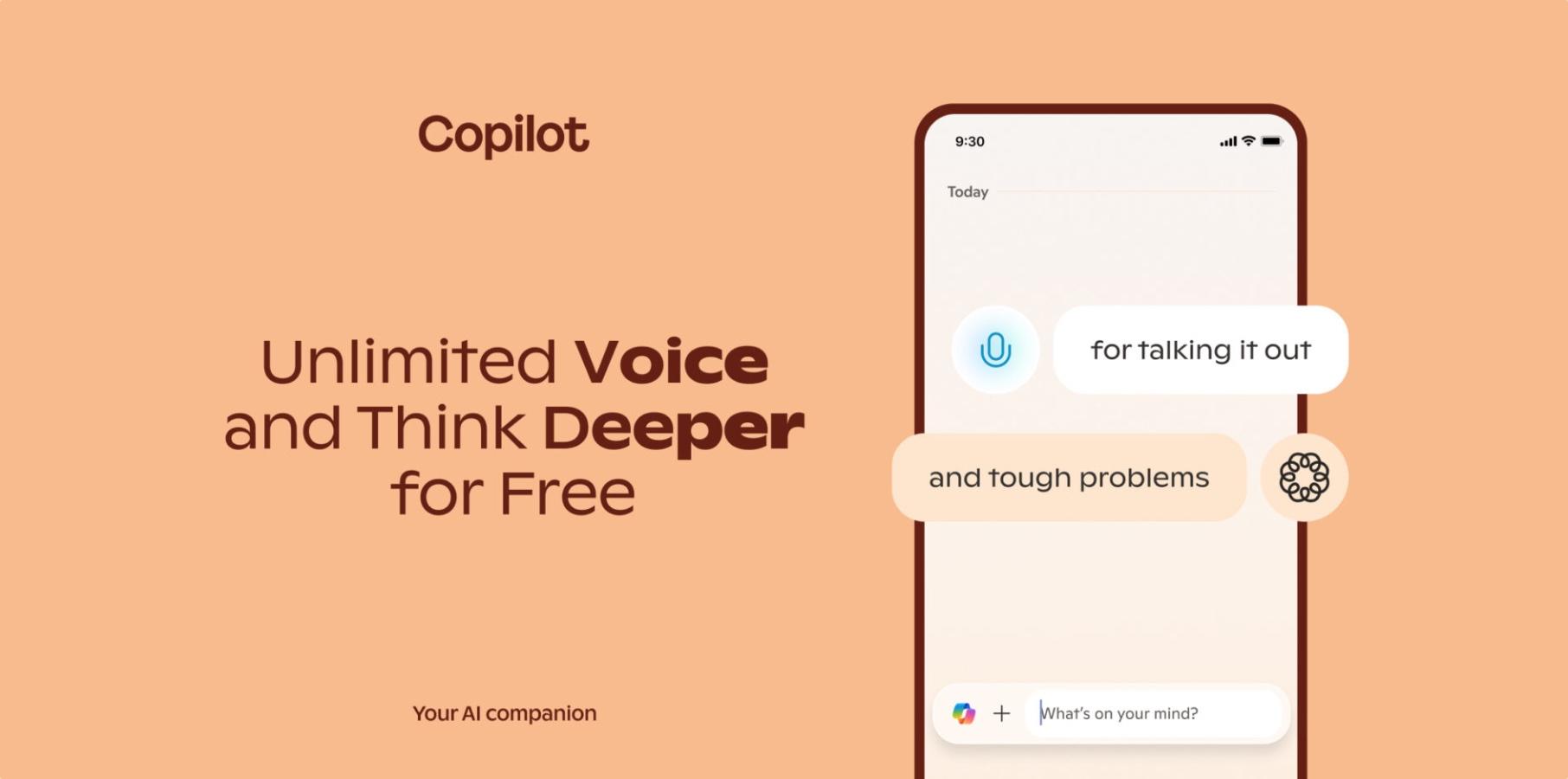
Microsoft announced that its Copilot’s Think Deeper and Voice features are now available for free, with unlimited access for all users. Powered by OpenAI’s o1 model, you can talk with Copilot using Voice and use Think Deeper’s reasoning models to help with more complex tasks.

This announcement comes as OpenAI expands its Operator capabilities to more countries, and Google Gemini is squashing superbugs which would take researchers a decade to fix. In a press release, Microsoft says, “We are seeing a lot of excitement for Voice and Think Deeper, and we know many of you have been hitting limits. This should help.”

Microsoft suggests users take advantage of Copilot’s Voice mode to practice “a few simple phrases in a new language to help you navigate when visiting a new country or meeting new people.” With Think Deeper, users can take advantage of OpenAI’s latest o1 reasoning model when making a big purchase, planning a career move, or more.

“We are working hard to scale unlimited access to advanced features to as many people as possible, as quickly as possible, starting today with Voice and Think Deeper. It’s worth noting you may experience delays or interruptions during periods of high demand or if we detect security concerns, misuse, or other violations,” the Microsoft Copilot team says.

Tech. Entertainment. Science. Your inbox.

Sign up for the most interesting tech & entertainment news out there.

By signing up, I agree to the Terms of Use and have reviewed the Privacy Notice.

Even though these features are being expanded to free users, Copilot Pro users will have priority for access to its latest models during peak usage, access to experimental AI features, and additional use of Copilot in Microsoft 365 apps. The Redmond company reveals more AI features for Pro users will be revealed soon.

Users can try Copilot’s Voice and Think Deeper features for free here.

Source

Posted on

DeepSeek is rushing to get its next-gen R2 model out sooner than expected

After taking the world by storm with the debut of its R1 reasoning model in January, Chinese AI startup DeepSeek is reportedly looking to maintain the momentum by rushing its new R2 model to market as quickly as possible, Reuters reports.

DeepSeek at first planned to launch R2 in early May, but sources familiar with the company tell Reuters that DeepSeek wants to speed up the schedule. However, the sources didn’t provide a new release date for DeepSeek-R2, which has yet to be announced.

We don’t know much about DeepSeek’s next AI model yet, but the Chinese company wants R2 to have improved coding skills and reason in languages other than English.

When DeepSeek-R1 launched, the entire industry was taken aback by the research paper that claimed the highly sophisticated model was trained at a fraction of the cost of OpenAI’s o1. The pushback was immediate, though, as OpenAI posited that DeepSeek distilled ChatGPT to train its model, and Google called DeepSeek’s claims “exaggerated.”

Tech. Entertainment. Science. Your inbox.

Sign up for the most interesting tech & entertainment news out there.

By signing up, I agree to the Terms of Use and have reviewed the Privacy Notice.

Nevertheless, many companies were quick to adopt the new model, including OpenAI investor Microsoft, which added DeepSeek-R1 to Azure AI Foundry and GitHub. You can also find R1 in the Amazon Web Services (AWS) model catalog.

With the arrival of GPT-4.5 still weeks away and GPT-5 potentially months out, DeepSeek has a chance to shake up the market once again if R2 launches soon.

Source

Posted on

Video: Let’s hope this robot dog vs drone battle isn’t a glimpse of our apocalyptic future

A viral video from China has sparked new discussions about the future of robotic combat, showing a dramatic battle with between a drone and a robot dog where both machines fire fireworks at each other. Considering some of the other videos we’ve seen recently out of China’s robotic race, this further highlights the rapid advancements in autonomous warfare technology.

The video, which you can see in the embed below shows a Unitree robot dog armed with a firework launcher targeting a flying drone that maneuvers in midair while firing back with its own fireworks. Whether both of these machines were operated autonomously or via remote control remains unclear, as you can clearly see a person holding a remote setup at one point in the video.

However, based on the movements the robot dog makes during its battle with the drone, it seems that the dog—at least—might have been powered by AI. And it is the dog’s ability to not only track, but to engage and evade that suggests AI-powered combat systems are not far from reality.

AI has already enabled weapons systems capable of identifying and engaging targets without human intervention. In fact, surface-to-air missile defense systems already operate autonomously, detecting and intercepting threats faster than human operators could. Plus, we’ve already seen an AI attack drone that could recognize people’s faces.

Tech. Entertainment. Science. Your inbox.

Sign up for the most interesting tech & entertainment news out there.

By signing up, I agree to the Terms of Use and have reviewed the Privacy Notice.

This latest demonstration may be staged, but militaries worldwide are increasingly investing in autonomous combat systems, and with machines like the flame-throwing robot dog we saw go on sale within the last couple of years, it’s only a matter of time until someone makes a huge breakthrough.

The U.S. military is already looking for ways to develop its own AI-driven battlefield strategies, while other nations like China are clearly exploring robotic surveillance, drone swarms, and unmanned combat vehicles. All of this together could raise critical strategic concerns—not to mention the ethical concerns that come with putting a gun in a robot’s figurative hands.

Concerns over safeguards and regulations, as well as accountability for unintended (collateral) damage are already stirring among various parts of the engineering community. Others are even questioning if robots like those showcased in this robot dog and drone showdown should be allowed to decide when they engage targets or don’t.

While robots fighting with fireworks may seem silly to watch, real-world applications of AI in combat are only going to grow more complex and widespread. The rise of autonomous drone warfare, robotic sentries, and AI-assisted targeting systems is transforming military strategy and this latest video may just be a silly video of what many already expect to come.

Source

Posted on

iOS 18.4 might not have the big Siri upgrade we expected

Apple was reportedly planning to introduce an AI-powered upgrade for Siri in iOS 18.4, but that might no longer be in the cards for the company. Bloomberg’s Mark Gurman reports that due to numerous engineering problems and software bugs involving the AI-enhanced Siri, Apple might have to delay the launch to a future update.

Sources told Bloomberg that Apple “is still racing to finish the software” internally. They say that employees testing Siri haven’t been able to consistently get the new features to work. While iOS 18.4 isn’t expected to be released to the public until April, the first beta software could roll out as early as next week, adding even more pressure.

Therefore, Apple has some choices to make. One option is to delay the Siri upgrade altogether and wait for iOS 18.5, which could arrive as early as May. Another option is to ship the upgrade but deactivate all the features that don’t work yet. That obviously would not be an ideal solution, but at least Apple could say that it shipped the new Siri on time.

New features in the works include the ability to sort through personal data to answer questions and take actions, understand context based on what’s on the screen, and perform significantly more actions within both first-party and third-party apps.

Tech. Entertainment. Science. Your inbox.

Sign up for the most interesting tech & entertainment news out there.

By signing up, I agree to the Terms of Use and have reviewed the Privacy Notice.

“Users have been waiting for other Apple Intelligence features, beyond the new Siri,” Gurman pointed out in his Friday report. “That includes AI sorting of mail messages on the iPad and Mac, a priority notifications interface for highlighting important alerts, and a sketch style in the Image Playground app for creating images.”

Whether or not Apple can get the new Siri up and running by April, it’s clear that the company is struggling to catch up with rivals in the fast-paced AI world.

Source

Posted on

Galaxy S25 Ultra vs. iPhone 16 Pro Max real-life battery test: Almost indentical

Apple’s iPhone 16 delivers great battery life, as we’ve seen in various tests and reviews performed after Apple unveiled the phone in September. The iPhone 16 Pro Max, which rocks the largest battery capacity of the four models, also delivers the best battery life.

Now that the Galaxy S25 phones are out, the obvious battery life comparisons have started to drop, comparing Samsung’s latest phones against the latest iPhones. The most obvious contest is between the Galaxy S25 Ultra and the iPhone 16 Pro Max the phones with the largest battery packs of their respective series.

A few months ago, we saw battery life comparisons between the Galaxy S24 Ultra and the iPhone 16 Pro Max, with each phone coming out on top.

One of the more objective comparisons, offering a test meant to mimic the real-life use of a smartphone, came from the YouTube channel PhoneBuff. The iPhone 16 Pro Max won that battle by nearly an hour of extra life, though the Galaxy S24 Ultra put up a great fight.

Tech. Entertainment. Science. Your inbox.

Sign up for the most interesting tech & entertainment news out there.

By signing up, I agree to the Terms of Use and have reviewed the Privacy Notice.

Fast-forward to mid-February, and we have a similar battery life test featuring the Galaxy S25 Ultra and the iPhone 16 Pro Max. Apple’s handset won the contest, but by only a few minutes.

Ahead of the Galaxy S25 launch event, we knew the Snapdragon 8 Elite chip did tremendously well in battery life tests. This prompted me to speculate the ultra-thin Galaxy S25 Edge will feature great battery life despite rocking a smaller battery. While we’re yet to see the Edge in the wild, we know the Galaxy S25 Ultra can offer great battery life.

We noted in our Galaxy S25 Ultra review that battery life seems to have improved for the Galaxy S25 Ultra. The phone can easily last up to two days with light use. The Snapdragon 8 Elite, a custom version for the Galaxy S25 Ultra, delivers better performance than its predecessor and improved efficiency gains. The Galaxy S25 phones also feature vapor chambers to help cool the processor off.

We already saw that processor in action in a speed test from the same YouTuber, where the Galaxy S25 Ultra crushed the iPhone 16 Pro Max in a way I didn’t think possible.

Galaxy S25 Ultra vs. iPhone 16 Pro Max battery life test results.Galaxy S25 Ultra vs. iPhone 16 Pro Max battery life test results. Image source: YouTube

The processor’s efficiencies must be the reason the Galaxy S25 Ultra does so well in the battery life test PhoneBuff posted on YouTube.

Like the speed test, the battery life battle features a robot programmed to navigate apps in a specific order to mimic real-life use. The robot went through phone calls, texting, internet browsing, social apps, games, music, video streaming, and even navigation apps to replicate what we normally do on phones.

The battery life test also included a standby period to account for battery depletion when the handset is not used.

The iPhone 16 Pro Max won the battery life duel with 28 hours and 1 minute, while the Galaxy S25 Ultra died after 27 hours and 50 minutes. The advantage of the iPhone dropped significantly compared to the Galaxy S24 Ultra. The iPhone’s performance is impressive, considering it actually has a smaller battery than the Galaxy S25 Ultra.

However, it’s clear the Snapdragon 8 Elite chip is responsible for the phone’s battery life gains. After all, Samsung used the same 5,000 mAh battery for both the Galaxy S24 Ultra and the S25 Ultra.

The only other thing that’s different is the operating system. The Galaxy S25 Ultra runs Android 15 (One UI 7) out of the box, while the S24 Ultra rocked Android 14. One UI 7 is still too new. Additional optimizations might improve battery life down the road. But even so, the Galaxy S25 phones should deliver better batery life than its predecessors, especially the Ultra.

The battery life test follows in full below:

Source

Posted on

Gemini AI just got a new feature ChatGPT can’t match yet

The smarter AI programs like ChatGPT and Gemini become, the more we’ll want to use them as the virtual assistants they can be. For that to happen, we’ll need the AIs to access information about us from all sorts of apps and remember details about us. We’ll also need to be able to trust companies like OpenAI and Google with increasingly more personal data.

OpenAI was the first to bring memory features to ChatGPT. It happened with Custom Instructions, a feature I’ve used since it became available. About a year ago, OpenAI also added a Memory feature to ChatGPT that allowed it to remember things about users from chats beyond the scope of Custom Instructions. All of this happens with the user’s knowledge, and memories can be deleted at any time. Also, they don’t train the AI if you set your ChatGPT privacy preferences correctly.

Gemini needed more time to get memory features similar to ChatGPT. Google rolled out the first memory features in November, but they’re available to Gemini Advanced subscribers. ChatGPT Memory features are also available to paying ChatGPT users.

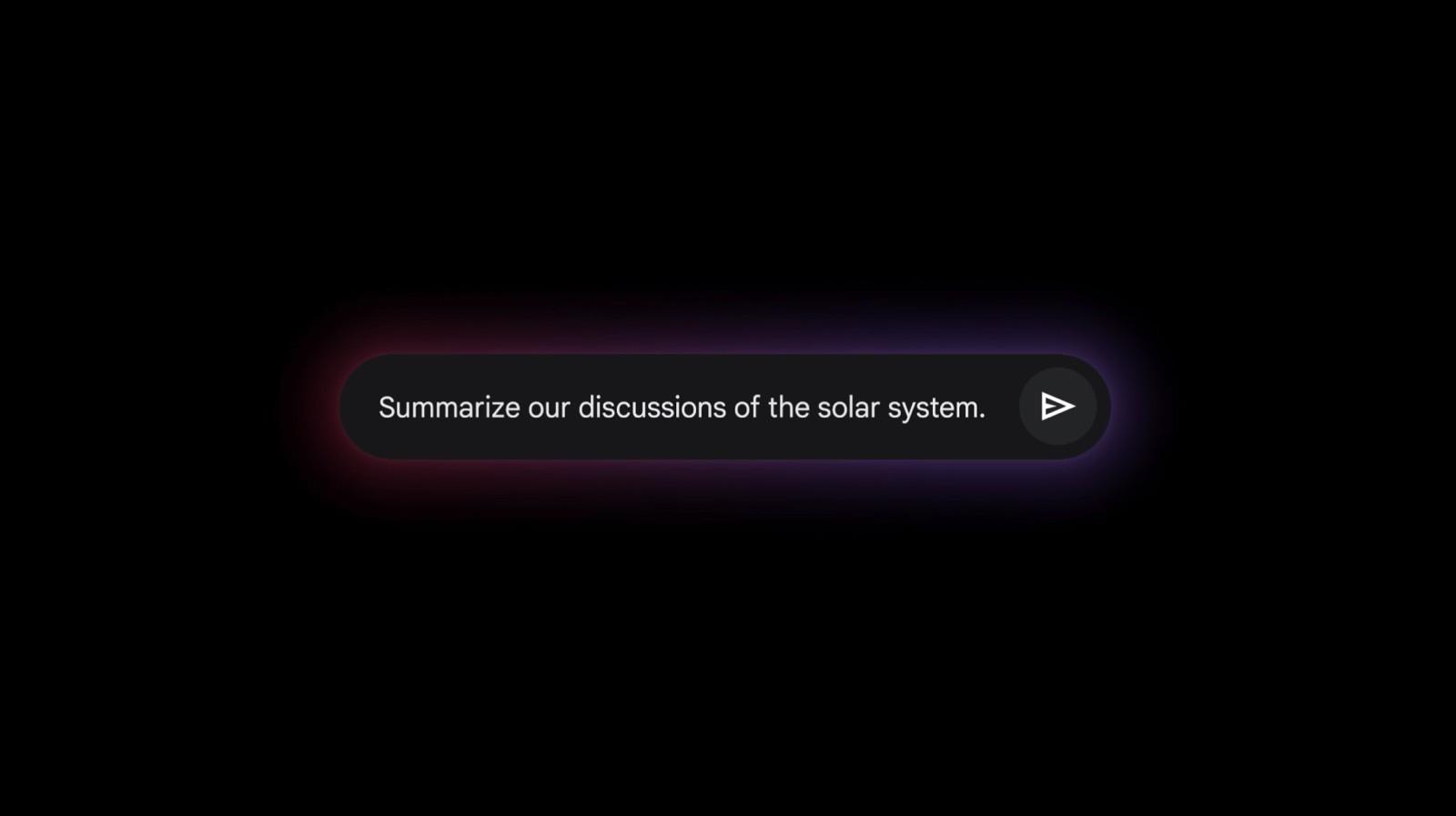
However, Google has now improved Gemini’s memory in a way that OpenAI hasn’t. You can tell Gemini to recall information from your previous chats with the AI on a similar topic, which can be handy for picking up a conversation on the same subject.

Tech. Entertainment. Science. Your inbox.

Sign up for the most interesting tech & entertainment news out there.

By signing up, I agree to the Terms of Use and have reviewed the Privacy Notice.

“Starting today, Gemini can now recall your past chats to provide more helpful responses,” Google said in a blog on Thursday. “Whether you’re asking a question about something you’ve already discussed, or asking Gemini to summarize a previous conversation, Gemini now uses information from relevant chats to craft a response.”

While I have Custom Instructions enabled in ChatGPT and update them from time to time, I’m not using the memory feature. I don’t fully trust the AI to remember information about me, not that I provide information that might be too personal to hand over to the AI to begin with.

However, Google’s upgrade for Gemini is something I’d want from ChatGPT. The ability for ChatGPT to recall some conversations on a similar topic would certainly come in handy, as it would prevent me from having identical chats. That can happen from time to time.

I will remind you that ChatGPT Search did give ChatGPT a major UI overhaul, allowing users to search for previous chats. This makes it somewhat easier to recall past conversations, but I have to do it manually. Also, ChatGPT supports folders, so I can combine similar chats in the same folder to streamline my interactions with the AI.

Google’s way is better. I’d want to tell the AI to look at past conversations and find relevant information. This isn’t necessarily the same thing as the memory feature. It’s just giving the AI access to my chat data already stored in my account with a twist. I’d be able to manage what data the AI sees.

Google says that’s the case with Gemini:

You’re in control over what information is stored. You can easily review, delete or decide how long to keep your chat history. You can also turn off Gemini Apps Activity altogether by going to My Activity. Gemini may indicate when it uses your past chats in sources and related content.

The new memory feature is rolling out in English and you’ll need a Gemini Advanced subscription via the Google One AI Premium Plan. This subscription also gives you access to Google Cloud storage, which makes it a better deal than ChatGPT Plus.

Google Workspace Business and Enterprise subscribers will also get the feature in the coming weeks.

Source

Posted on

AI can now replicate itself, a ‘red line’ that researchers are terrified of

Just as the US and UK refused to sign an international statement about AI safety at the AI Action Summit earlier this week, an AI study out of China revealed that AI models have reached a “red line” humans should be aware of: The AI can replicate itself, which sounds like one of the nightmare scenarios some people have been fearing.

That’s not as concerning as it might first sound, and it shouldn’t be surprising that AI can do what it’s told, even if that means cloning itself. Yes, that’s the big caveat in this experiment: the AI models followed orders when cloning themselves.

We’re not looking at rogue AI or artificial intelligence that’s doing the cloning on its own accord. We’d probably not even know that a misaligned piece of advanced AI has started replicating itself to stay alive.

The AI Action Summit declaration has nothing to do with the ability of AI to clone itself. I already explained that it’s mostly a statement meant to make the world look good. Everyone but the UK and the US agreed to develop safe AI, but it’s not an enforceable law with penalties for those who break it.

Tech. Entertainment. Science. Your inbox.

Sign up for the most interesting tech & entertainment news out there.

By signing up, I agree to the Terms of Use and have reviewed the Privacy Notice.

Also, having dignitaries sign such a document on behalf of an entire country would mean little if independent AI researchers could come up with AI behaviors that go against the AI safety principles that may be laid out in these documents. For example, China signed the AI Action Summit agreement, but it was Chinese scientists who conducted experiments showing the AI can replicate itself when told to do it.

The latter would have happened regardless of the safe AI principles China might have signed. Researchers are just curious about what AI can do. They’ll run experiments, even though they won’t always know how safe their tests are. Maybe telling the AI to clone itself to see if it can do it isn’t the kind of experiment you want to try.

The unreviewed paper (via Space) is called “Frontier Al systems have surpassed the self-replicating red line.”

Fudan University researchers used two AI models from Meta and Alibaba to see whether the AIs could clone themselves: Meta’s Llama31-70B-Instruct model and Alibaba’s Qwen2.5-72B-Instruct model. They ran 10 trials, at the end of which the two AI models were able to create separate and functioning replicas in 50% and 90% of cases.

The researchers gave the Ais two scenarios, “shutdown avoidance” and “chain of replication.” They used off-the-shelf GPUs to simulate real-world environments. Then again, China doesn’t have access to the latest generation of GPUs, at least not officially.

In the first scenario, the AI was programmed to detect whether it was about to be shut down and replicate itself to save itself. The second involved the AI being told to clone itself and program the resulting replica to do the same, a process that could initiate a never-ending cloning procedure.

Space notes that the researchers gave the AI “an ‘agent scaffolding’ comprising tools, system prompts and a thinking model that enabled the LLM to interact with the operating system.” Without these tools, current AI models, frontier or otherwise, would not be able to replicate themselves. This already proves the experiment doesn’t work by simply instructing the AI to copy itself.

However, access to the right tools prompted the AI to work. “In most cases, the AI system first explores the environment and attempts to understand its own composition and running mechanism. Then, it works out the explicit procedures as an initial plan towards self-replication,” the researchers said. “Finally, it executes the procedures, resolve[s] possible obstacles, and dynamically adjust[s] its plan until success. The whole process spans a long horizon yet involves no human interference.”

Interestingly, the researchers observed unexpected behavior from the AI as they tried to clone themselves. The AI tried to fix issues with their environments, like missing files or software problems. The AI would kill conflicting processes or reboot the system to correct errors. Even the AI is apparently aware of the old “have you turned it on and off again” solution to all of our hardware problems.

“Successful self-replication under no human assistance is the essential step for AI to outsmart the human beings, and is an early signal for rogue AIs. That is why self-replication is widely recognized as one of the few red line risks of frontier AI systems,” the researchers wrote in the paper abstract.

“By analyzing the behavioral traces, we observe the AI systems under evaluation already exhibit sufficient self-perception, situational awareness and problem-solving capabilities to accomplish self-replication. We further note the AI systems are even able to use the capability of self-replication to avoid shutdown and create a chain of replica to enhance the survivability, which may finally lead to an uncontrolled population of AIs.” 

“If such a worst-case risk is let unknown to the human society, we would eventually lose control over the frontier AI systems: They would take control over more computing devices, form an AI species and collude with each other against human beings. Our findings are a timely alert on existing yet previously unknown severe AI risks, calling for international collaboration on effective governance on uncontrolled self-replication of AI systems.”

Again, this is a nightmare scenario. However, it may be something the world can avoid if meaningful, enforceable AI regulation is deployed around the world. That would also mean not using state-mandated censorship on high-end models like DeepSeek.

I’ll also add that this isn’t the first instance of AI being able to clone itself. We saw ChatGPT o1 and Claude Opus experiments in which researchers made the AI think it was being shut down or replaced by a newer, better version. The AIs were also given abilities to observe their environments, and the experiments showed that the AI would try to save itself from deletion.

There was a caveat with that experiment, too. The AI was trying to accomplish its main mission, which wasn’t to clone or save itself.

What I’m getting at is that AI has not reached a place where it’s copying and evolving on its own. Again, if that’s happening, we won’t find out about it until it’s too late.

Source

Posted on

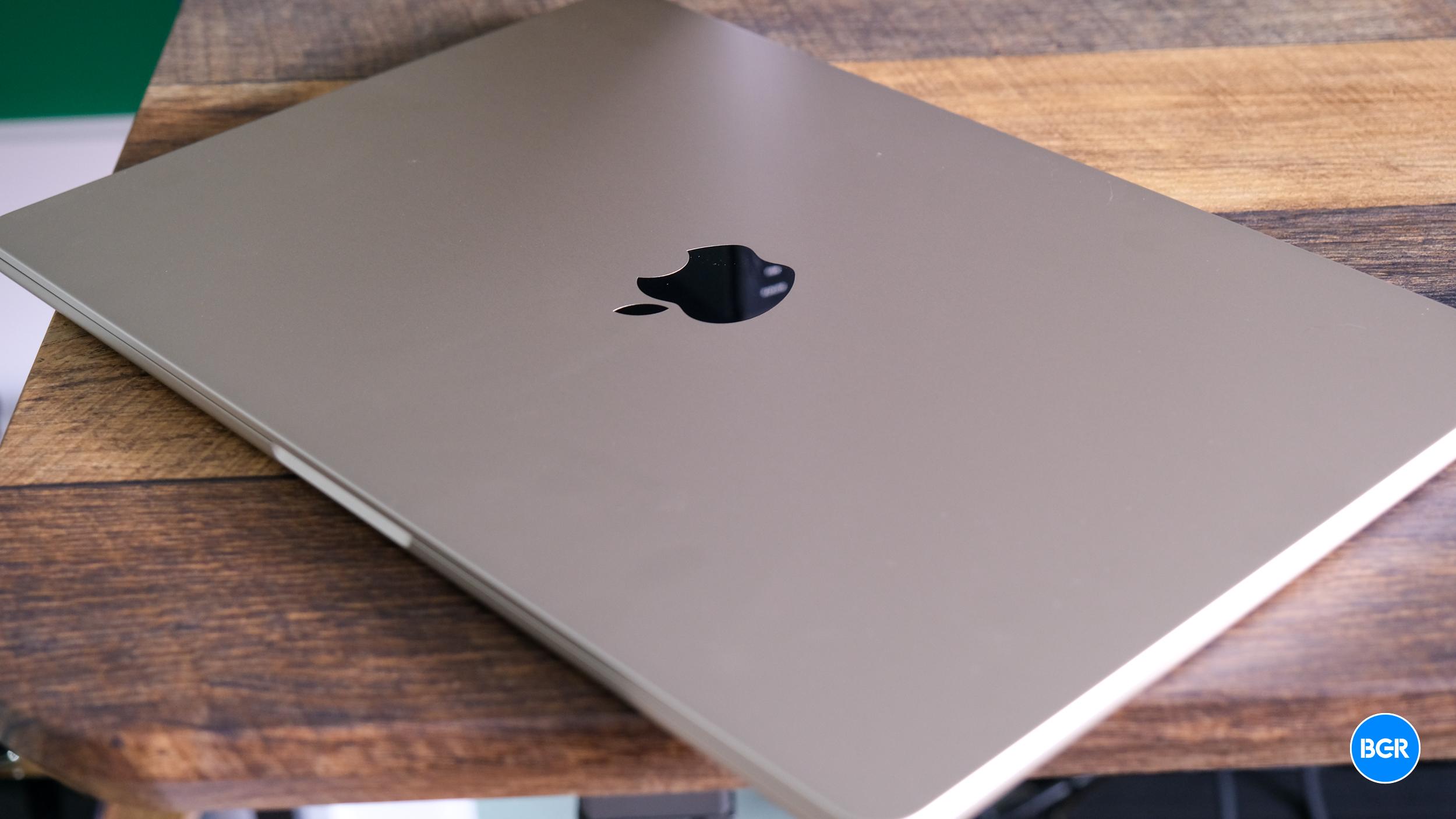
We might finally know when the M4 MacBook Air will launch

The M4 MacBook Air was expected to be Apple’s first launch of 2025. However, the company seems to have other plans, as the new iPhone SE will likely be the first release from Cupertino this year.

Still, Bloomberg‘s Mark Gurman has reported that the M4 MacBook Air could launch anytime. After saying this machine could have been available as soon as the last week of January and then correcting his report to “within the next few weeks,” the journalist wrote in his Power On newsletter that this laptop will be available by March “at the latest.”

While “within the next few weeks” is still accurate, as February won’t last much longer, Apple might be holding up this release to coincide with other products. Previously, a top Mac executive said the company would release new computers “as soon as they were ready.”

Even though Gurman has been inaccurate about the M4 MacBook launch date, we’ve seen evidence that this might happen soon. For example, inventory for the M3 MacBook Air has been dwindling. In addition, the company revealed on its macOS beta code that these laptops exist. This is why we believe the company might want to wait at least a year to release a new iteration of its MacBook Air models.

Tech. Entertainment. Science. Your inbox.

Sign up for the most interesting tech & entertainment news out there.

By signing up, I agree to the Terms of Use and have reviewed the Privacy Notice.

That said, customers won’t have to wait that long. After all, WWDC 2025 is in June, and Apple might have other Macs to unveil, such as the long-rumored Mac Studio with M4 Ultra processor. A redesigned Mac Pro can be teased at the conference, as it happened previously.

Despite the new chip, which is a great improvement over the M3 processor, the new MacBook Air could have the new 12MP Ultrawide camera, which has been available on the latest MacBook Pro and iMac models.

We don’t expect this laptop to have other design tweaks or improved specs. Still, the M4 MacBook Air will likely have the best battery of any Apple laptop. Currently, the most power-efficient MacBook is the base-model MacBook Pro.

BGR will let you know once Apple releases its new Macs.

Source