Posted on

Black mothers seek ‘total agency’ over perinatal healthcare data

A group of black women in Birmingham have initiated a community-led research project that aims to give black mothers “total agency” over how their perinatal healthcare data is gathered, interpreted and ultimately used.

Drawn from Maternity Engagement Action (MEA) – an organisation that provides safe spaces and leadership for black women throughout pregnancy, birth and early motherhood – the women came together over their shared concern about the significant challenges faced by black women when seeking reproductive healthcare.

Through a process of qualitative data gathering – entailing discussions, surveys, workshops, trainings and meetings – the women developed a participatory, community-focused approach to black perinatal healthcare, culminating in the launch of MEA’s See Me, Hear Me campaign.

“We want policy-makers to see the benefits of community-led research and community driven data and use it in policy development. For there to be real change to the current statistics that black women are 3.7 times more likely to die than white women during perinatal period we need data from the community affected,” they said.

“Our vision is to work collaboratively with research bodies and the black perinatal community to create a model where the intersectional voices of black maternal women are centred, included and amplified in creating and implementing solutions to the issue of black maternal mortality and morbidity.”

Ultimately, the initiative aims to shift from the current top-down approach that defines black perinatal healthcare, to one where community data and input drives systemic change in ways that better meet the needs of local women instead.

Inequitable outcomes

Initially motivated by media reports that black women were five times more likely to die from pregnancy and childbirth than their white counterparts during the pandemic, the women started to speak about their own traumatic experiences of seeking perinatal support within Birmingham’s public health system.

In recounting their stories to one another, a number of common experiences emerged. This included facing a lack of continuity and consistency in their care, undermining black women’s agency and resulting in staff making assumptions about their birth plans; receiving less quality time with caregivers; being regularly denied pain relief when it’s requested; not being believed when they raise an issue; and being coerced into unwanted medical interventions, such as C-sections or inductions.

Speaking with Computer Weekly, Tamanda Walker – a sociologist and founder of community-focused research organisation Roots & Rigour – said it was common for women to feel like they were being passed from one part of the service to the next without any say in their treatment, leaving them feeling powerless in the face of it.

“Many of the women involved were making the very basic point that if they encounter trouble and raise it during the perinatal period, they often don’t feel seen or heard by medical professionals,” she said, adding that in one case, a woman with a prior mental health condition had to bite her tongue because any expression of distress was perceived as an indication of her mental health problem.

“That was exacerbated for her because she came from a poorer background, so her fear was, ‘If I show too much distress, my children will be taken away, because I’m already known to social services’, all the while she’s struggling in this labour situation and isn’t being heard.”

In an attempt to reverse these “unjust and inequitable” healthcare outcomes for pregnant black women, the group collated their experiences into a qualitative data set to use as the basis for further analysis and action. The entire process has been documented in a report published by the MEA.

The research process

Walker initially connected with the campaign at the Black Thrive Birmingham (BTB) Community Assembly in March 2022, an event focused on exploring how black-led research and data initiatives can put power directly in the hands of black communities.

She said the event largely revolved around exploring what it would mean for black communities to own their own data and interpret it for themselves, as well as what it would mean for them to be in a position where they had the power to design solutions in collaboration with the health system to ensure needs were better met.

Walker added this led to two years of work that involved the women from MEA gathering their own data on the experiences of local women who had gone through the health system: “One of the benefits has been, rather than women holding their own single stories in isolation, feeling as if they’re the only ones experiencing these problems, they’ve come together to look at how their stories map onto each other, and to see that they’re not alone and that there are numerous people going through these same experiences.”

She added while the datafication of people’s lives often risks reducing complex experiences to “objective outputs” – ultimately taking power away from people who are represented by that data and “putting it in the hands of who will make those decisions for them and without them” – melding the data already held by the healthcare system with the qualitative data generated by the campaign “gives people the power to tell their own stories”.

As it developed, the See Me, Hear Me campaign partnered with Connected By Data’s Catalysing community campaign initiative, which seeks to act as an startup-style accelerator for organisations or groups looking to leverage data in their social change efforts.

“Over that six-month programme, they incubated us, they did some upskilling for community organisations in understanding what data is, how you might think about a data cycle within community campaigning and organising, how you might design data work that’s about social change or certain kinds of interventions, and use that to add rigour and credibility to the change one’s pushing for,” said Walker.

“What I’ve found in my experience is that when community members that I work with – and I work with quite a lot of them beyond this – hear the words ‘research and data’, they’re like, ‘That’s complicated, that’s not for me’. As soon as you sit down and get them to tell their stories and get them to click that their story is a kind of data, a load of pennies start dropping, and a load of things become possible.

“It’s just about making what can feel like quite complex topics accessible to people, so that they have an understanding of how they can influence and shape their own realities.”

Next steps

Walker noted that because the See Me, Hear Me group were only able to gather a small data sample, the next step is undertaking work to expand the qualitative data set and match it with existing NHS systems data.

“One of the problems we have is that the system isn’t always collecting data, and they’re not always collecting data on ethnicity or more in depth qualitative data about the experiences of women in general, but black women in particular,” she said, adding that the plan is to build relationships with the local health system, and negotiate data sharing agreements so that the campaign can make sense of that data themselves.

“We need to know if ethnicity data is even collected, and then how we marry that with the qualitative data we’ve collected. If there isn’t appropriate collecting of that data…then we need to…work together and think about how we can use that data to drive change together.”

Walker added that this qualitative, community-led approach will only become more important with the further proliferation of artificial intelligence (AI) systems in healthcare settings, given their propensity to reproduce existing social biases.

“We know AI reproduces bias if it’s being used in diagnostics or other things. Some of the problems we identified in the current system was a lack of continuity and a lack of human empathy to it, so what does it mean to exist in a world where those kinds of changes might occur and we might be left behind?”

She added that while AI is great at crunching numbers, “there’s something about interpreting that data which is intimately tied to who you are, your position, and your power in society that needs to be unpacked”. She noted that the technology should be used to free up people’s capacity “to do the actual caring, the human piece of the exercise, rather than become the whole exercise”.

Through her organisation Roots & Rigour, Walker said she is already involved in other projects that are taking a similar community data approach to other issues that affect black communities in the UK, including around disproportionality in the rate of stop and search, and the health risks associated with commercially available black hair products.

“The idea is to think about how can we secure funding to develop these – and we want to build up to a national level the ones that are successful [so] you can begin to get a bigger picture and story of what’s going on.”
Source

Posted on

Nvidia RTX 5080 benchmark suggests this will be a mighty laptop GPU, getting PC gamers excited about the RTX 5090 mobile

  • An RTX 5080 mobile benchmark has been shared from Geekbench
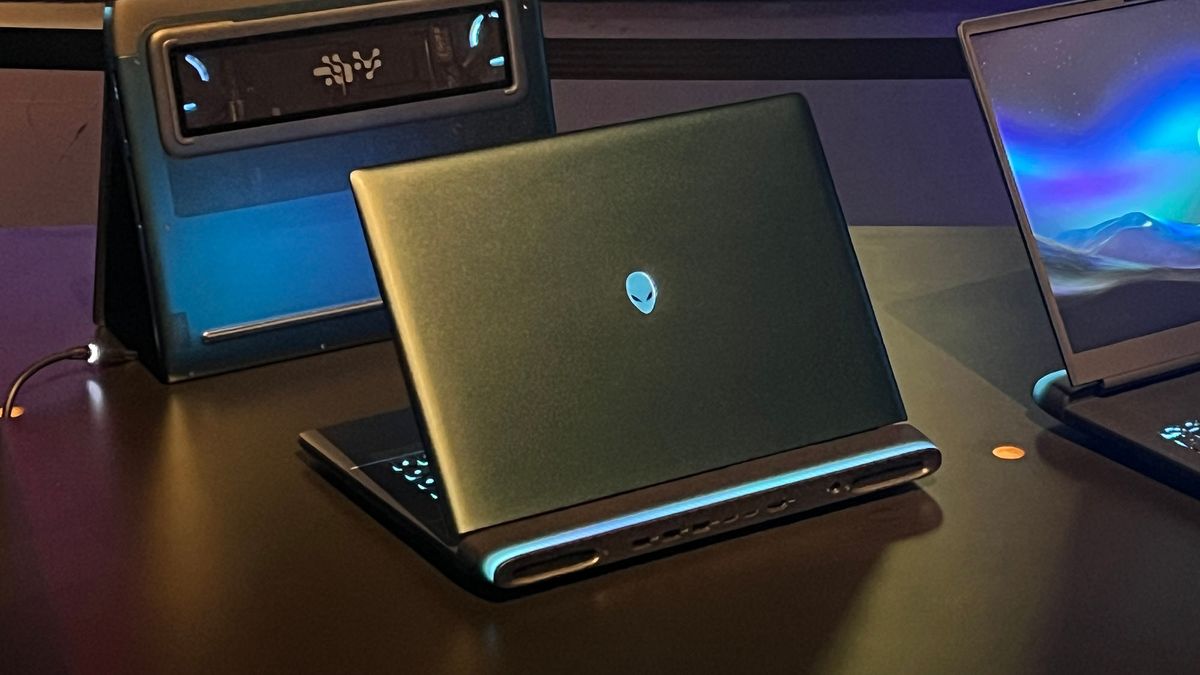
  • This was apparently conducted on an Alienware laptop at CES 2025
  • The result shows a nippy GPU, though it’s been greeted with somewhat mixed reactions

A benchmark has surfaced for the RTX 5080 laptop GPU, the first (unofficial) result we’ve seen for Nvidia’s next-gen mobile parts that were revealed at CES 2025 – although you shouldn’t get too excited about the score achieved (which is certainly the temptation here, as we’ll see).

Why not? Well, firstly it’s just a purported result – that could be some kind of fake – and secondly, the benchmark is from Geekbench, which is hardly the most useful metric for judging the gaming prowess of the RTX 5080.

The test was seemingly run by a rogue actor (hey, let’s throw in a bit of drama, why not?) on the CES 2025 show floor, who had access to an Alienware 18 Area 51 gaming laptop, and managed to get Geekbench going on the device (as noticed by VideoCardz).

The resulting Geekbench score of 190,326 in the OpenCL (graphics) test for the RTX 5080 has been greeted with somewhat mixed reactions.

Render of a new RTX 4000 Max-Q gaming laptop.

(Image credit: Nvidia)

Analysis: RTX 5080 looks promising for gaming laptops

That 190,000 score is around 18% faster than the RTX 4080 laptop GPU, so on the one hand, there’s been some chatter that this feels a bit on the lean side for a generational gain. Especially as some folks have chimed in online to say that their RTX 4080 notebook gets closer to 190,000 than the official Geekbench ranking data suggests.

However, if we stick to those official figures, the RTX 5080 is actually 6% faster than the RTX 4090 laptop GPU (and remember, that last-gen flagship has 25% more CUDA cores than the 5080). The RTX 5080 is also about equal to the RTX 4070 Super on the desktop – which is a lot of power packed into a mobile GPU.

Furthermore, this is (presumably) with pre-release drivers (so performance may be a little lacking due to that), and the clock speed is shown at 1.5GHz in this test, which is low – we’d expect it to be running at nearer 2GHz (with boost). The RTX 4080 mobile could boost to 2GHz, or even higher (up towards 2.2GHz).

{ window.reliablePageLoad.then(() => { var componentContainer = document.querySelector(“#slice-container-newsletterForm-articleInbodyContent-AYNYSdZzBG3Axeer8Qd73A”); if (componentContainer) { var data = {“layout”:”inbodyContent”,”header”:”Get daily insight, inspiration and deals in your inbox”,”tagline”:”Sign up for breaking news, reviews, opinion, top tech deals, and more.”,”formFooterText”:”By submitting your information you agree to the Terms & Conditions and Privacy Policy and are aged 16 or over.”,”successMessage”:{“body”:”Thank you for signing up. You will receive a confirmation email shortly.”},”failureMessage”:”There was a problem. Please refresh the page and try again.”,”method”:”POST”,”inputs”:[{“type”:”hidden”,”name”:”NAME”},{“type”:”email”,”name”:”MAIL”,”placeholder”:”Your Email Address”,”required”:true},{“type”:”hidden”,”name”:”NEWSLETTER_CODE”,”value”:”XTR-D”},{“type”:”hidden”,”name”:”LANG”,”value”:”EN”},{“type”:”hidden”,”name”:”SOURCE”,”value”:”60″},{“type”:”hidden”,”name”:”COUNTRY”},{“type”:”checkbox”,”name”:”CONTACT_OTHER_BRANDS”,”label”:{“text”:”Contact me with news and offers from other Future brands”}},{“type”:”checkbox”,”name”:”CONTACT_PARTNERS”,”label”:{“text”:”Receive email from us on behalf of our trusted partners or sponsors”}},{“type”:”submit”,”value”:”Sign me up”,”required”:true}],”endpoint”:”https://newsletter-subscribe.futureplc.com/v2/submission/submit”,”analytics”:[{“analyticsType”:”widgetViewed”}],”ariaLabels”:{}}; var triggerHydrate = function() { window.sliceComponents.newsletterForm.hydrate(data, componentContainer); } if (window.lazyObserveElement) { window.lazyObserveElement(componentContainer, triggerHydrate); } else { triggerHydrate(); } } }).catch(err => console.error(‘%c FTE ‘,’background: #9306F9; color: #ffffff’,’Hydration Script has failed for newsletterForm-articleInbodyContent-AYNYSdZzBG3Axeer8Qd73A Slice’, err)); }).catch(err => console.error(‘%c FTE ‘,’background: #9306F9; color: #ffffff’,’Externals script failed to load’, err)); ]]>

Sign up for breaking news, reviews, opinion, top tech deals, and more.

Of course, all this bodes well for the performance levels of the new Blackwell laptop flagship, the RTX 5090.

Before we get too carried away with the positivity, though, we need to exercise plenty of skepticism around the purported result – we don’t know much about how this Alienware gaming laptop was configured. And again, remember that Geekbench is far from the best way to put a gaming laptop through its paces (and synthetic tests in general aren’t nearly as useful as real in-game benchmarks).

You might also like

Source

Posted on

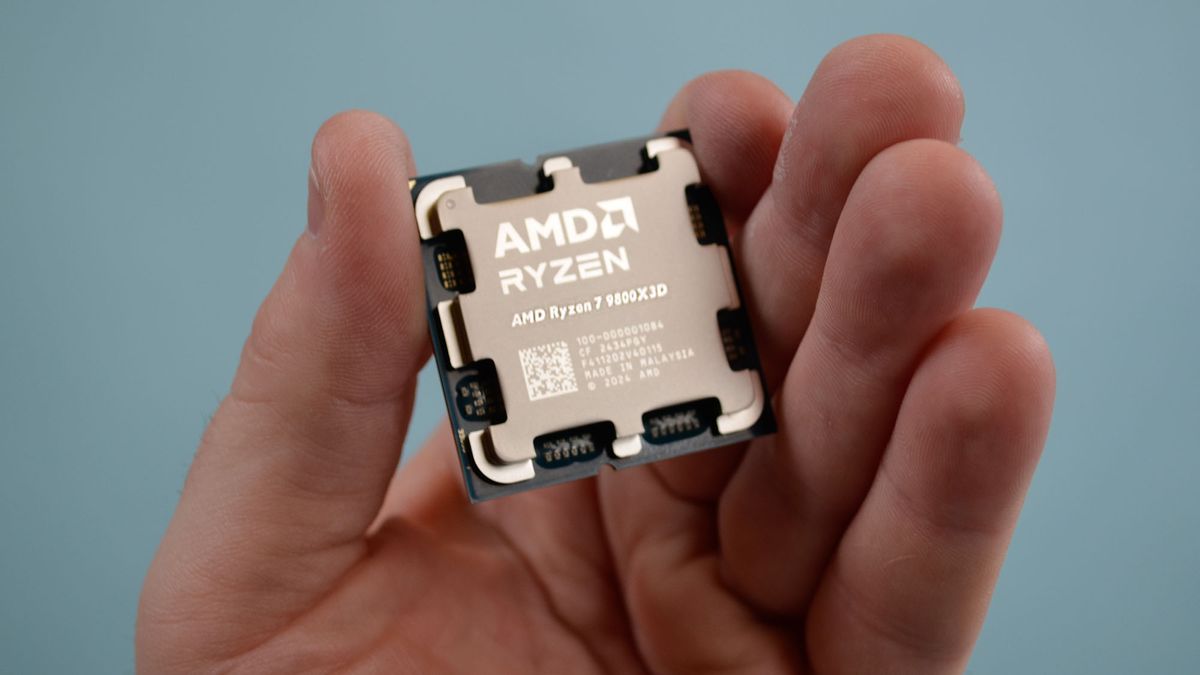
AMD blames Ryzen 9800X3D stock shortage on Intel’s ‘horrible’ Arrow Lake launch, rubbing salt in Team Blue’s CPU wounds

  • AMD’s Frank Azor has fired shots at Intel’s Arrow Lake desktop CPUs
  • He called the Core Ultra 200S CPUs ‘horrible’ and said this increased demand for the Ryzen 9800X3D
  • That higher demand has led to stock woes, Azor claims, and inventory issues won’t likely ease anytime soon

An AMD executive fired flak at Intel, calling Team Blue’s latest Arrow Lake desktop chips ‘horrible’ no less.

The quote came from a roundtable with AMD execs at CES 2025, where our sibling site, Tom’s Hardware, asked about the ongoing shortage of Ryzen 7 9800X3D stock (regarded as the best CPU for gaming that you can buy since its launch, and a processor that we gave a glowing review).

AMD observed that demand has outstripped supply – clearly enough – and the full quote from Frank Azor, who heads up consumer and gaming marketing at AMD, will surely leave Intel bigwigs suitably unimpressed.

Azor told Tom’s Hardware: “We knew we built a great part [in the 9800X3D]. We didn’t know the competitor [Intel] had built a horrible one [Arrow Lake]. So the demand has been a little higher than we forecasted.”

Ouch. You’ve probably noticed that Intel’s latest Arrow Lake desktop chips, which arrived in October 2024, experienced a rocky launch, with various problems that Team Blue still hasn’t fully put to bed.

We’ll come back to Intel’s misfortunes later, but what about the Ryzen 9800X3D stock situation?

David McAfee, VP and GM of Ryzen channel business at AMD, explained: “It’s crazy how much we have increased [our monthly, quarterly output of X3D parts] over what we were planning. I would say the demand we’ve seen for the 9800X3D and the 7800X3D has been unprecedented. So the demand has been higher than ever.”

{ window.reliablePageLoad.then(() => { var componentContainer = document.querySelector(“#slice-container-newsletterForm-articleInbodyContent-jJTEXM4CLaZ5VMt7iEHKE6”); if (componentContainer) { var data = {“layout”:”inbodyContent”,”header”:”Get daily insight, inspiration and deals in your inbox”,”tagline”:”Sign up for breaking news, reviews, opinion, top tech deals, and more.”,”formFooterText”:”By submitting your information you agree to the Terms & Conditions and Privacy Policy and are aged 16 or over.”,”successMessage”:{“body”:”Thank you for signing up. You will receive a confirmation email shortly.”},”failureMessage”:”There was a problem. Please refresh the page and try again.”,”method”:”POST”,”inputs”:[{“type”:”hidden”,”name”:”NAME”},{“type”:”email”,”name”:”MAIL”,”placeholder”:”Your Email Address”,”required”:true},{“type”:”hidden”,”name”:”NEWSLETTER_CODE”,”value”:”XTR-D”},{“type”:”hidden”,”name”:”LANG”,”value”:”EN”},{“type”:”hidden”,”name”:”SOURCE”,”value”:”60″},{“type”:”hidden”,”name”:”COUNTRY”},{“type”:”checkbox”,”name”:”CONTACT_OTHER_BRANDS”,”label”:{“text”:”Contact me with news and offers from other Future brands”}},{“type”:”checkbox”,”name”:”CONTACT_PARTNERS”,”label”:{“text”:”Receive email from us on behalf of our trusted partners or sponsors”}},{“type”:”submit”,”value”:”Sign me up”,”required”:true}],”endpoint”:”https://newsletter-subscribe.futureplc.com/v2/submission/submit”,”analytics”:[{“analyticsType”:”widgetViewed”}],”ariaLabels”:{}}; var triggerHydrate = function() { window.sliceComponents.newsletterForm.hydrate(data, componentContainer); } if (window.lazyObserveElement) { window.lazyObserveElement(componentContainer, triggerHydrate); } else { triggerHydrate(); } } }).catch(err => console.error(‘%c FTE ‘,’background: #9306F9; color: #ffffff’,’Hydration Script has failed for newsletterForm-articleInbodyContent-jJTEXM4CLaZ5VMt7iEHKE6 Slice’, err)); }).catch(err => console.error(‘%c FTE ‘,’background: #9306F9; color: #ffffff’,’Externals script failed to load’, err)); ]]>

Sign up for breaking news, reviews, opinion, top tech deals, and more.

McAfee notes that making chips takes some time – “it’s basically 12 to 13 weeks from when you start a wafer to when you get a product out the other end of the machine” – and that the 3D V-Cache stacking process adds complexity and is even more time consuming. Meaning it’s harder to catch up with unexpected spikes in demand.

The upshot? McAfee says: “I think as we go through the first half of this year, you’ll see us continue to increase the output of X3D.” And the exec further notes that in the future, AMD is “ramping capacity to ensure we catch up with that demand for as long as customers want those X3D parts.”

It’s the Ryzen 7 X3D processors which represent most of the demand, you’ll be unsurprised to learn – as the benefits of hopping up to a Ryzen 9 X3D chip are marginal for PC gamers (if anything, indeed, gaming performance may even dip). So the 9800X3D and its predecessor represent the sweet spot for gaming and value.

McAfee said the workhorse 8-core X3D parts outsell Ryzen 9 X3D flavors by a massive 10-to-1, all of which means that the introduction of Ryzen 9950X3D and 9900X3D CPUs (ushered in at CES 2025) isn’t going to ease any pressure on the stock levels of the 9800X3D.

Intel Core Ultra processor

(Image credit: Future / John Loeffler)

Analysis: Broken Arrow? Hardly…

In short, don’t expect the Ryzen 9800X3D to become more widely available for some time yet, though as we head into the second quarter of 2025, matters should ease and the CPU may well populate the shelves in greater numbers.

Back to the flak fired by AMD at Intel, and it’s pretty harsh to use a term like ‘horrible’ to describe a rival product. Is desktop Arrow Lake really that awful? Well, the launch wasn’t a disaster, but it was disappointing, particularly as gaming performance did not live up to Intel’s promises due to multiple issues.

That said, Intel’s fixes – which have now been deployed for Arrow Lake, all but one final measure – don’t help much, or at all, at least according to Tom’s Hardware’s (limited) testing. Something we’ll need to verify ourselves, mind you, so take that with plenty of caution at this stage.

At any rate, Arrow Lake desktop has been troubled since it was pushed out, there’s no denying that, and the problem is that this happened against a backdrop of more serious instability issues with Intel’s preceding Core CPU ranges (13th and 14th) on the desktop. Those were really nasty gremlins in the works, and while Intel had them fixed by the end of last year, that whole episode was a very dark cloud over 2024 for Team Blue – with considerable reputational damage done.

So, while that episode has nothing to do with Arrow Lake – which doesn’t suffer those instability woes – it still casts a deep shadow over Intel’s newest desktop range and the separate issues with these chips.

It’s a messy time for Intel in the CPU world, in short, and AMD pulling no punches isn’t really a surprise. Although as we’ve said, ‘horrible’ is going rather too far, and somewhat gleefully playing on Intel’s other mishaps of late.

It should be noted that AMD is not entirely without blemishes with its current-gen processors, as Ryzen 9000 launched to some disappointment with its generational uplift, again particularly for gaming – though the 9800X3D has gone a long way towards addressing that. The only problem is you can’t buy the thing at the moment, a situation which isn’t about to change, clearly.

You might also like

Source

Posted on

Show this AI a single image, and it can imagine an entire world

Imagine transforming a single still image into an entire virtual world. This futuristic capability isn’t just a dream; it’s the reality of GenEx (Generative World Explorer). Designed to eliminate the need for physical exploration, GenEx saves time and cost and reduces risk.

The potential of such a system spans from disaster response to immersive gaming, offering a new lens through which we can view and interact with the world, the researchers behind the new system explain in a pre-published paper. GenEx stands out for its human-like reasoning.

Much like how we infer the presence of a hidden object based on context, GenEx uses cues and prior knowledge to imagine unseen areas of an environment. This probabilistic prediction allows for logical decision-making even without direct observation, mimicking the cognitive leaps we make daily.

For instance, just as a driver deduces why a car suddenly stops, GenEx predicts unseen scenarios to guide decisions. The applications here are far-reaching. In disaster response, it can remotely explore hazardous zones using a single surveillance image, enabling safer and quicker rescue operations.

Tech. Entertainment. Science. Your inbox.

Sign up for the most interesting tech & entertainment news out there.

By signing up, I agree to the Terms of Use and have reviewed the Privacy Notice.

For navigation, GenEx enhances the training of autonomous robots and navigation apps by providing a detailed understanding of their environment. Gaming and virtual reality also stand to benefit from this technology, creating more immersive and lifelike experiences for users.

At the heart of GenEx are several key features. It generates synthetic, navigable environments from static images and employs “spherical consistency learning” to ensure seamless 360-degree panoramic views. With its “imagination-augmented policy,” GenEx empowers AI agents to make logical, adaptive decisions and flexibly navigate virtual spaces based on directional input and distance parameters.

Tests have shown that GenEx’s capabilities aren’t just theoretical. GenEx has outperformed traditional benchmarks in video generation and improved human decision-making in augmented scenarios. Looking ahead, integrating real-world sensor data and dynamic scenes could make virtual worlds even more realistic.

We’ve seen AI do some crazy things—like making accurate images based on street noise—but we’ve yet to see something as promising as GenEx and its virtual environment generation.

Source

Posted on

Meta is about to ruin WhatsApp with AI bots no one wants

Of all the generative AI assistants out there, Meta AI must be the most annoying for the simple fact that Meta is shoving it down our throats. No app is safe, from Facebook to Messenger to WhatsApp to Instagram. Meta AI is there whether you want it or not, and there’s no way to deactivate it.

Meanwhile, ChatGPT is entirely optional, not that OpenAI can really force it on anyone. Apple’s Apple Intelligence is also optional; you don’t have to use it even if you have access to it. Then there’s Google Gemini, which is baked into many Google products but doesn’t feel as intrusive as Meta AI. The same goes for Microsoft’s Copilot.

The worst part about Meta AI is that Meta isn’t done ruining its apps with overdoing the AI presence. We’ve just learned of AI profiles coming to Facebook and Instagram, which is extremely annoying. It gets worse; Meta will now give AI bots prime plans inside WhatsApp, a feature that nobody really asked for from the one Meta app that’s actually useful.

WhatsApp is the world’s largest chat app. It works on iPhone and Android and supports end-to-end encryption across platforms. That’s the only reason I’m still using it. That, and the fact that Meta relented on its annoying WhatsApp policy change a few years ago.

Tech. Entertainment. Science. Your inbox.

Sign up for the most interesting tech & entertainment news out there.

By signing up, I agree to the Terms of Use and have reviewed the Privacy Notice.

Come to think of it, the only reason WhatsApp is so good and still encrypted, is that the app was built this way well before Meta bought it for a small fortune.

The last thing I want in WhatsApp is support for AI chatbots. Yes, it’s great that you can save a ChatGPT number to chat with the chatbot from WhatsApp, but that’s optional.

Say that Meta feels like it has to put AI bots in WhatsApp to expose more people to Meta AI and potentially make some money in the process. I still hate the idea of WhatsApp getting a dedicated AI menu. That’s wasted screen real estate right there. It’s a feature I’ll never use, and I’m sure others will be equally uninterested.

The new AI bots menu in a WhatsApp beta release for Android.The new AI bots menu in a WhatsApp beta release for Android. Image source: WABetaInfo

Meta is testing the new interface in an Android beta version of WhatsApp. Always reliable WABetaInfo surfaced the image above that shows the new AI tab replacing the Communities tab. That menu, which might actually be useful, is merging with the Chats tab.

The new AI tab will include all sorts of AI chatbots to talk to, including third-party models that can talk to you about specific topics.

I don’t doubt that some WhatsApp users will want to use these services. I say that as a longtime ChatGPT user who chats with OpenAI’s chatbot about all sorts of things daily. But I absolutely hate the idea of any AI product being forced on me the way Meta is doing with Meta AI.

WhatsApp is especially important to me as I use it to talk to many people. It’s not just Android users in my family or friends group that like WhatsApp; plenty of iPhone owners prefer the platform over iMessage. AI isn’t needed. Or if it is, it should be hidden somewhere and accessible on demand.

It might get even worse than that. WABetaInfo found evidence in a different WhatsApp beta version that Meta wants to let users create custom AI chatbots right inside the app. The process might be similar to what’s already available on Instagram.

Support for custom AI bot creation in a WhatsApp beta release for Android.Support for custom AI bot creation in a WhatsApp beta release for Android. Image source: WABetaInfo
The feature resembles the custom chatbots available in ChatGPT and Gemini, so it’s not entirely surprising. But, again, it’s not something I want to clutter a key app like WhatsApp.

I don’t see any value in adding AI bots to WhatsApp or supporting the creation of custom ones.

Remember that if left unchecked, some custom AI chatbots might be harmful, especially when certain types of users are exposed to them. And it’s not like Meta is improving its content moderation policies, so we have no idea how it’ll police this universe of AIs it’s bringing to apps like WhatsApp and Instagram.

I can only hope that Meta will not bring these features out of beta, but that’s just wishful thinking. If anything, I take some solace in knowing that it’ll take longer for Meta to deploy the AI changes to WhatsApp in Europe.

Source

Posted on

Leaked Nvidia RTX 5090 laptop GPU benchmarks are weird

  • Nvidia’s RTX 5090 laptop GPU shows inconsistent Geekbench 6 performance scores
  • Fails to score higher than the RTX 4080 or 4090 laptop GPUs in Vulkan
  • It hasn’t launched yet, and there aren’t any official drivers available

CES 2025 finally gave us a look at Nvidia’s new RTX 5000 series of graphics cards, and the flagship RTX 5090 GPU’s performance capabilities compared to the last generation’s RTX 4090 – but early benchmarks for its laptop GPU don’t look very promising.

This comes from BenchLeaks on X, which claims to have leaked Geekbench 6 results of Nvidia‘s RTX 5090 laptop GPU using Vulkan (graphics API used in plenty of games), with its highest score of 114,821. Tom’s Hardware highlighted this as the fourth benchmark among five different tests, with the lowest score sitting at 51,831 and the final test scoring 77,989.

Each benchmark score points towards wildly inconsistent performance for Team Green’s flagship laptop GPU, which failed to score higher than the RTX 4080’s 145,067 and the RTX 4090’s 167,655 Geekbench scores in Vulkan (both of which are for the laptop versions of those GPUs). While these results might be cause for concern, it’s far too early to draw any conclusions.

Nvidia geforce 4070

(Image credit: Nvidia)

Should we be worried about these early benchmarks?

While these tests are almost certainly not great to see, it’s absolutely not a reason to panic. Aside from the fact that these benchmarks are not official, but are claimed to be leaked, the RTX 5000 series hasn’t even officially launched yet (the RTX 5090 will be available at the end of the month), which means the necessary drivers and optimizations have not been made yet.

It’s also important to note that in-game benchmarks are what matter most – while Geekbench 6 can be accurate for measuring the performance capabilities of a GPU, scores are never going to be the same as each test will often vary drastically or closely. Despite the inconsistent scores here, we should wait to see how the RTX 5090 laptop GPU fares across multiple games once Nvidia makes the necessary adjustments and official drivers have been released.

We should be getting both the desktop RTX 5090, alongside gaming laptops with the mobile version, in for review, so make sure you check out our full reviews when they are live for reliable and independent verdicts on just how good (or not) these new GPUs from Nvidia really are.

You may also like…

{ window.reliablePageLoad.then(() => { var componentContainer = document.querySelector(“#slice-container-newsletterForm-articleInbodyContent-ck4ufNKYg8pJpSq6jzS44J”); if (componentContainer) { var data = {“layout”:”inbodyContent”,”header”:”Get daily insight, inspiration and deals in your inbox”,”tagline”:”Sign up for breaking news, reviews, opinion, top tech deals, and more.”,”formFooterText”:”By submitting your information you agree to the Terms & Conditions and Privacy Policy and are aged 16 or over.”,”successMessage”:{“body”:”Thank you for signing up. You will receive a confirmation email shortly.”},”failureMessage”:”There was a problem. Please refresh the page and try again.”,”method”:”POST”,”inputs”:[{“type”:”hidden”,”name”:”NAME”},{“type”:”email”,”name”:”MAIL”,”placeholder”:”Your Email Address”,”required”:true},{“type”:”hidden”,”name”:”NEWSLETTER_CODE”,”value”:”XTR-D”},{“type”:”hidden”,”name”:”LANG”,”value”:”EN”},{“type”:”hidden”,”name”:”SOURCE”,”value”:”60″},{“type”:”hidden”,”name”:”COUNTRY”},{“type”:”checkbox”,”name”:”CONTACT_OTHER_BRANDS”,”label”:{“text”:”Contact me with news and offers from other Future brands”}},{“type”:”checkbox”,”name”:”CONTACT_PARTNERS”,”label”:{“text”:”Receive email from us on behalf of our trusted partners or sponsors”}},{“type”:”submit”,”value”:”Sign me up”,”required”:true}],”endpoint”:”https://newsletter-subscribe.futureplc.com/v2/submission/submit”,”analytics”:[{“analyticsType”:”widgetViewed”}],”ariaLabels”:{}}; var triggerHydrate = function() { window.sliceComponents.newsletterForm.hydrate(data, componentContainer); } if (window.lazyObserveElement) { window.lazyObserveElement(componentContainer, triggerHydrate); } else { triggerHydrate(); } } }).catch(err => console.error(‘%c FTE ‘,’background: #9306F9; color: #ffffff’,’Hydration Script has failed for newsletterForm-articleInbodyContent-ck4ufNKYg8pJpSq6jzS44J Slice’, err)); }).catch(err => console.error(‘%c FTE ‘,’background: #9306F9; color: #ffffff’,’Externals script failed to load’, err)); ]]>

Sign up for breaking news, reviews, opinion, top tech deals, and more.

Source

Posted on

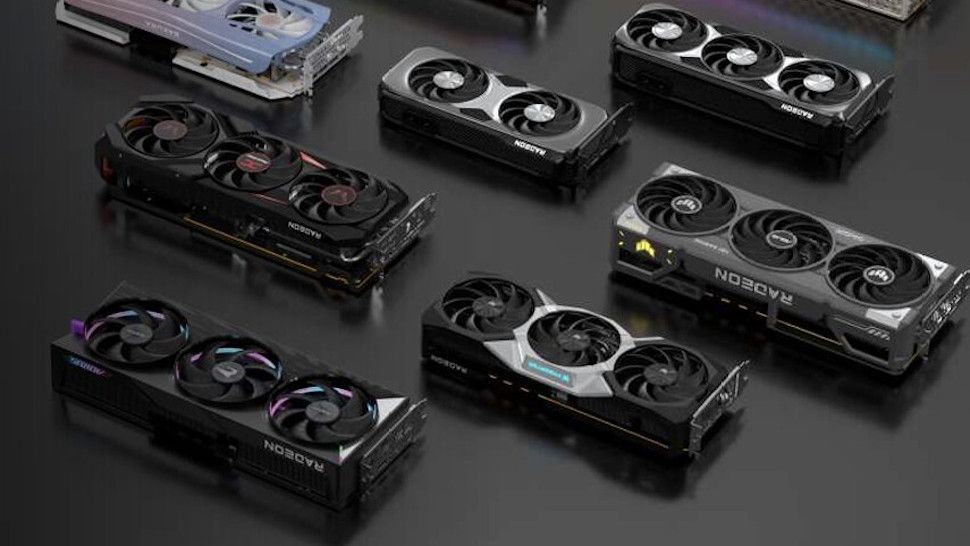
AMD exec drops hints on RX 9070 pricing and some PC gamers are panicking – but this sounds like good news to me

  • AMD’s Frank Azor was interviewed by a Spanish YouTuber about RDNA 4
  • The exec told us that the RX 9070 will be a ‘very competitive product’
  • Pricing was also mentioned, in a vague way, and some gamers are taking it as a bad sign – but that’s jumping the GPU gun

AMD has given us some clues as to the price points RDNA 4 graphics cards will land at, albeit some very vague hints, courtesy of one of Team Red’s execs – and a good deal more interesting info on the next-gen GPUs besides.

All this comes from Frank Azor, AMD’s head of consumer and gaming marketing, who has been busy this week, firing some weighty flak at Intel’s Arrow Lake in the CPU world, and then sharing these fresh GPU details in another interview.

This chat was with Michael Quesada, a Spanish YouTuber who has a PC gaming channel. We should note that the conversation is in Spanish, and so the quotes we have here (courtesy of VideoCardz) are a translation (made with help from Spanish tech site El Chapuzas Informatico).

Quesada kicked off by questioning Azor on the flimsy RDNA 4 announcement at CES 2025, which provided very scant details, besides the names and existence of the RX 9070 and 9070 XT – why was this so light on information?

Azor repeated the assertion already made by AMD that there simply wasn’t time in the 45-minute CES 2025 keynote to fit in RDNA 4 and properly do it justice.

The marketing chief told us: “What are we announcing here? With the announcements of RDNA 2 and RDNA 3, we had dedicated events to present the architecture and performance improvements. We can’t cover that in five minutes. If we had, everyone would be angry with us for not giving the new graphics cards the attention they deserve.

“That’s why we decided to reserve the announcement of the new graphics cards for a separate event where we can give them proper focus.”

{ window.reliablePageLoad.then(() => { var componentContainer = document.querySelector(“#slice-container-newsletterForm-articleInbodyContent-gzsHZEiHegqJEbsKXNNaDL”); if (componentContainer) { var data = {“layout”:”inbodyContent”,”header”:”Get daily insight, inspiration and deals in your inbox”,”tagline”:”Sign up for breaking news, reviews, opinion, top tech deals, and more.”,”formFooterText”:”By submitting your information you agree to the Terms & Conditions and Privacy Policy and are aged 16 or over.”,”successMessage”:{“body”:”Thank you for signing up. You will receive a confirmation email shortly.”},”failureMessage”:”There was a problem. Please refresh the page and try again.”,”method”:”POST”,”inputs”:[{“type”:”hidden”,”name”:”NAME”},{“type”:”email”,”name”:”MAIL”,”placeholder”:”Your Email Address”,”required”:true},{“type”:”hidden”,”name”:”NEWSLETTER_CODE”,”value”:”XTR-D”},{“type”:”hidden”,”name”:”LANG”,”value”:”EN”},{“type”:”hidden”,”name”:”SOURCE”,”value”:”60″},{“type”:”hidden”,”name”:”COUNTRY”},{“type”:”checkbox”,”name”:”CONTACT_OTHER_BRANDS”,”label”:{“text”:”Contact me with news and offers from other Future brands”}},{“type”:”checkbox”,”name”:”CONTACT_PARTNERS”,”label”:{“text”:”Receive email from us on behalf of our trusted partners or sponsors”}},{“type”:”submit”,”value”:”Sign me up”,”required”:true}],”endpoint”:”https://newsletter-subscribe.futureplc.com/v2/submission/submit”,”analytics”:[{“analyticsType”:”widgetViewed”}],”ariaLabels”:{}}; var triggerHydrate = function() { window.sliceComponents.newsletterForm.hydrate(data, componentContainer); } if (window.lazyObserveElement) { window.lazyObserveElement(componentContainer, triggerHydrate); } else { triggerHydrate(); } } }).catch(err => console.error(‘%c FTE ‘,’background: #9306F9; color: #ffffff’,’Hydration Script has failed for newsletterForm-articleInbodyContent-gzsHZEiHegqJEbsKXNNaDL Slice’, err)); }).catch(err => console.error(‘%c FTE ‘,’background: #9306F9; color: #ffffff’,’Externals script failed to load’, err)); ]]>

Sign up for breaking news, reviews, opinion, top tech deals, and more.

Azor also poured cold water on any idea that the next-gen Radeon graphics cards might be delayed (as some theorized as to why AMD kept its 9070 revelations very bare).

Everything remains on track, we’re assured, and here’s where Azor made a very interesting statement. The translation in this case is direct from YouTube (and what I could make of it), so take this with a large dollop of caution, but the AMD exec appears to admit that the other reason Team Red didn’t reveal specs and pricing for the RX 9070 is that the firm wanted to look at what Nvidia was announcing and react to that.

In other words, AMD needed to ensure that RDNA 4 is competitive with what Nvidia was doing with RTX 5000, a theory I put forward earlier this week. (Not just me of course – it’s an obvious enough thought, really, but Azor is, translation wobbles aside, saying this was indeed what AMD was up to).

The most interesting part of the interview, though, is the clues about pricing I mentioned at the outset, which cropped up later.

Azor observed: “We’re going to bring a very competitive product [with RDNA 4]. Everyone will benefit from this launch. It will be worth the wait.

“The Radeon RX 7800 XT and RX 7900 GRE offered aggressive pricing for their performance. The market responded well, especially in a landscape where prices are constantly rising.”

“AMD remains focused on delivering value for money. When we announce RDNA 4, we’ll introduce a powerful graphics card – not a $300 card, but also not a $1,000 card.”

Frank Azor of AMD being interviewed at CES 2025

(Image credit: YouTube / Michael Quesada)

Analysis: Careful with that pitchfork, Eugene

There’s some refreshing plain speaking here, then, from Azor, regarding why AMD’s reveal was tissue-thin for details on the RX 9070 models, and the lack of any pricing. It was to better pitch RDNA 4 to be competitive with what Nvidia has cooked up with the RTX 5000 series.

The part of the interview relating to RDNA 4 pricing has predictably got every forum and social media outlet buzzing. Does this mean AMD is thinking about a $650 price tag for the RX 9070 XT, some folks are asking – as that’s the average of the two mentioned low and high prices (a total $1,300, divided by two).

Of course, it’s never going to be as simple as that. But whatever the RX 9070 XT and its vanilla sibling end up costing, AMD is going to make the price to performance ratio stand up and compete with Nvidia’s RTX 5070 in the mid-range.

Simply given AMD’s chosen name change – to the RX 9070, versus the RTX 5070 – the pricing has to make sense in terms of that showdown. The MSRPs will be “very competitive” as Azor puts it, based on the relative performance provided by RDNA 4 – and as we don’t know how peppy the RX 9070 XT will be yet, trying to work out pricing averages doesn’t make any sense. Neither does running down to cellars, looking for pitchforks and torches, while muttering about a $650 Radeon flagship being a rip-off based on past performance rumors for Navi 48.

Let’s not engage with that kind of nonsense. The main point to focus on here is not the dollar amounts Azor chose to mention – and the exec used such a huge spread, of course, to make them kind of meaningless – but what he said about the RX 9070 GPUs being very competitive with Nvidia. And that these next-gen offerings will match the RX 7900 GRE for price/performance, this is the other key point to home in on. That’s an excellent value graphics card and one that remains top of our list of best GPUs, in fact, where it has sat for some time.

AMD could well be waiting to test the RTX 5070 and 5070 Ti itself before finalizing pricing for RDNA 4 here. If I had to call a most likely price point, the recently aired rumor of $479, or around the $500 mark, seems more likely than anything higher than the RTX 5070’s MSRP ($549). But again, whatever it turns out to be, that price needs to be viewed through the lens of the card’s performance.

Roll on that incoming full RX 9070 launch event, then, so we can finally find out where price and performance will shake out. The rumor mill believes that an announcement is likely coming in just a couple of weeks (RDNA 4 pre-orders might kick off on January 23 based on one retailer leak). If true, that means the RX 9070 variants could be on sale at the end of January, ahead of the RTX 5070 models which aren’t out until February.

You might also like…

Source

Posted on

Apple leaker reveals marquee features for several future iPhone models

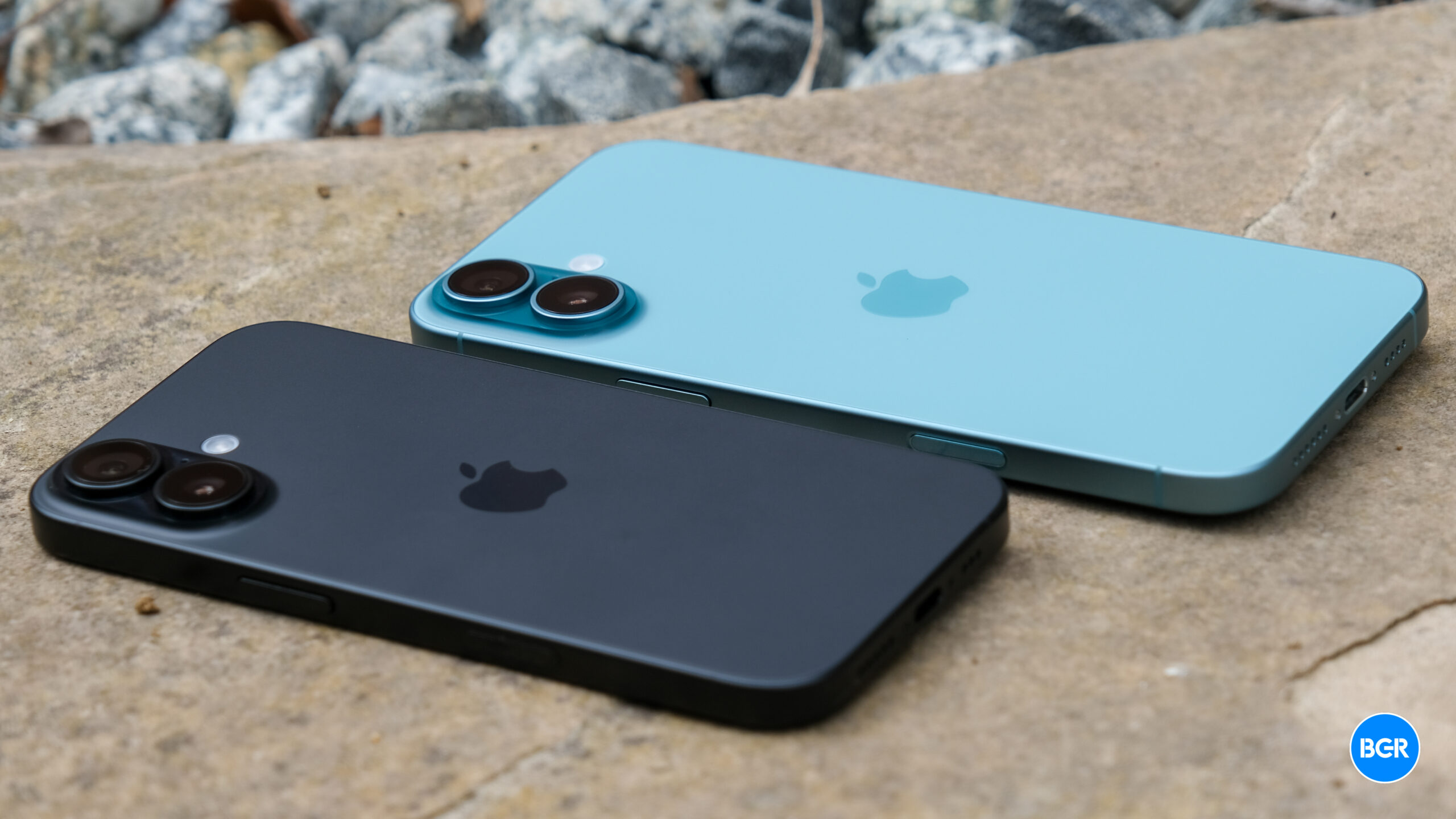
The iPhone 17 will be the most important product Apple ships in 2025, and we already have a few exciting rumors about the series. First, the iPhone 17 Air will be Apple’s thinnest iPhone in years. The base iPhone 17 variants will get a 120Hz display, and the iPhone 17 Pro Max will get a smaller Face ID Dynamic Island. That is if all the current rumors come true.

But Apple is also working on iPhone innovations for future generations. A leaker from Asia claims that Apple’s current parts suppliers are already developing components that might serve future iPhone generations. The insider mentioned a foldable display and Face ID components that might help Apple reduce the 3D face recognition system’s footprint.

Weibo user Digital Chat Station, who is known for various accurate leaks in the past, posted an update that mentions multiple components for iPhone models that Apple might be working on.

A machine translation of the post tells us Apple’s supply chain is developing a multi-fold periscope lens, a variable aperture main camera, a foldable screen, and a miniaturized ToF (Time of Flight) technology for Face ID.

Tech. Entertainment. Science. Your inbox.

Sign up for the most interesting tech & entertainment news out there.

By signing up, I agree to the Terms of Use and have reviewed the Privacy Notice.

While the leaker doesn’t mention the specific iPhone models these innovations might debut on, this isn’t the first time we’ve seen such claims.

The foldable screen might concern the foldable iPhone Apple is expected to launch in 2026. A main camera with a variable aperture is reportedly in the works for next year’s iPhone 18. Recent reports also said that the main camera would get a lens from Samsung instead of Sony.

The smaller ToF component for the Face ID system might be related to previous rumors that Apple wants to shrink the Dynamic Island and transform it into a circular hole in the coming years. The Face ID components would move under the display, while the selfie camera would still peek through the OLED panel.

The transition to a smaller Dynamic Island might start this year with the iPhone 17 Pro Max. The premium phone should feature metalens optics for the Face ID system inside the Dynmic Island. The pill-shaped cutout will be smaller than the version Apple has used since the iPhone 14 Pros.

The only purported iPhone component in the leaker’s list that is more puzzling is the multi-fold periscope lens. Apple uses a tetraprism zoom lens in the iPhone 15 Pro Max and the 16 Pro models. Apple will likely want to improve the digital zoom experience in future models by using a more complex prism to bend light.

It’s unclear which iPhone model will introduce the next-gen zoom camera. But if parts suppliers are already sending Apple samples for prototype testing, it should happen in the not-too-distant future.

That’s assuming Apple is happy with the components and goes forward with these features. The iPhone maker tests all sorts of ideas for the headset, but not all of them get promoted to commercial products. As for some of the ones that do leak, they can get postponed.

Source

Posted on

Software AG shrinks with sale of Alfabet and Cumulocity

The Software AG group started the new year with a slew of changes, announcing the close of the sale of its Alfabet enterprise architecture and strategic portfolio management product and of its IoT platform Cumulocity, the departure of CEO Sanjay Brahmawar, and the relaunch of its Adabas & Natural [A&N] and Aris product sets as standalone businesses.

The identity of the buyers of Alfabet and Cumulocity have yet to be disclosed, according to a Software AG spokesperson.

A&N provides non-relational transactional database software, which includes its own programming language, and processes billions of transactions for business processes across platforms including mainframe, Linux and the cloud.

Aris is business process mining and management software, focused on SaaS systems for enterprises. Its process modelling and process mining software is said to be geared towards enabling its customers to manage the entire process lifecycle.

These moves follow the announcement of the sale of Software AG’s “Super iPaaS” business to IBM in December 2023 for €2.1bn, only six months after US private equity group Silver Lake had acquired Software AG for €2.6bn.

The firm has been owned by SilverLake since May 2023. Software AG has long been known as second only to SAP as a German IT supplier, and it was founded in 1969.

As the holding entity of the Software AG group, Software GmbH [limited liability company], it recently announced that it has closed the sales of Alfabet and Cumulocity, following the divestments of the webMethods, StreamSets and [industrial analytics software] TrendMiner businesses in July 2024. TrendMiner was sold to a German industrial analytics specialist provider Proemion in April 2024.

Sanjay Brahmawar has also departed as group CEO. The changes are being presented as part of a strategy to operate Adabas & Natural (A&N) and ARIS as standalone businesses, each led by their own management teams.

In a statement, the holding company described Brahmawar as “instrumental in evolving Software AG from a legacy software company to a modern, subscription and SaaS business, focused on ARR [Annual Recurring Revenue] growth. He drove the acquisition of StreamSets which, combined with webMethods, was later recognised in the market as Super-iPaaS, culminating in the business being acquired by IBM in July 2024. Brahmawar was also integral to the carve-out and divestments of the TrendMiner, Cumulocity and Alfabet businesses.”

Brahmawar said: “It has been a privilege to lead such a well-respected company through many significant moments in its recent history, and to have worked with such a talented and committed team of professionals”.

Silver Lake has appointed Martin Biegel, Martin Clemm, Robin Colman and Toktam Khatibzadeh to lead Software GmbH, which will operate Software AG’s central functions, as well as being the holding company for ARIS, and Adabas & Natural (A&N).

Software AG has an active user groups community worldwide, with European country groups in the UK, the Nordics and the Netherlands, as well as in the German-speaking countries. It has user communities for Alfabet, Cumulocity and webMethods, as well as for Aris, and Adabas & Natural.

Source

Posted on

Samsung just hallucinated that it will become the global AI leader in 2025

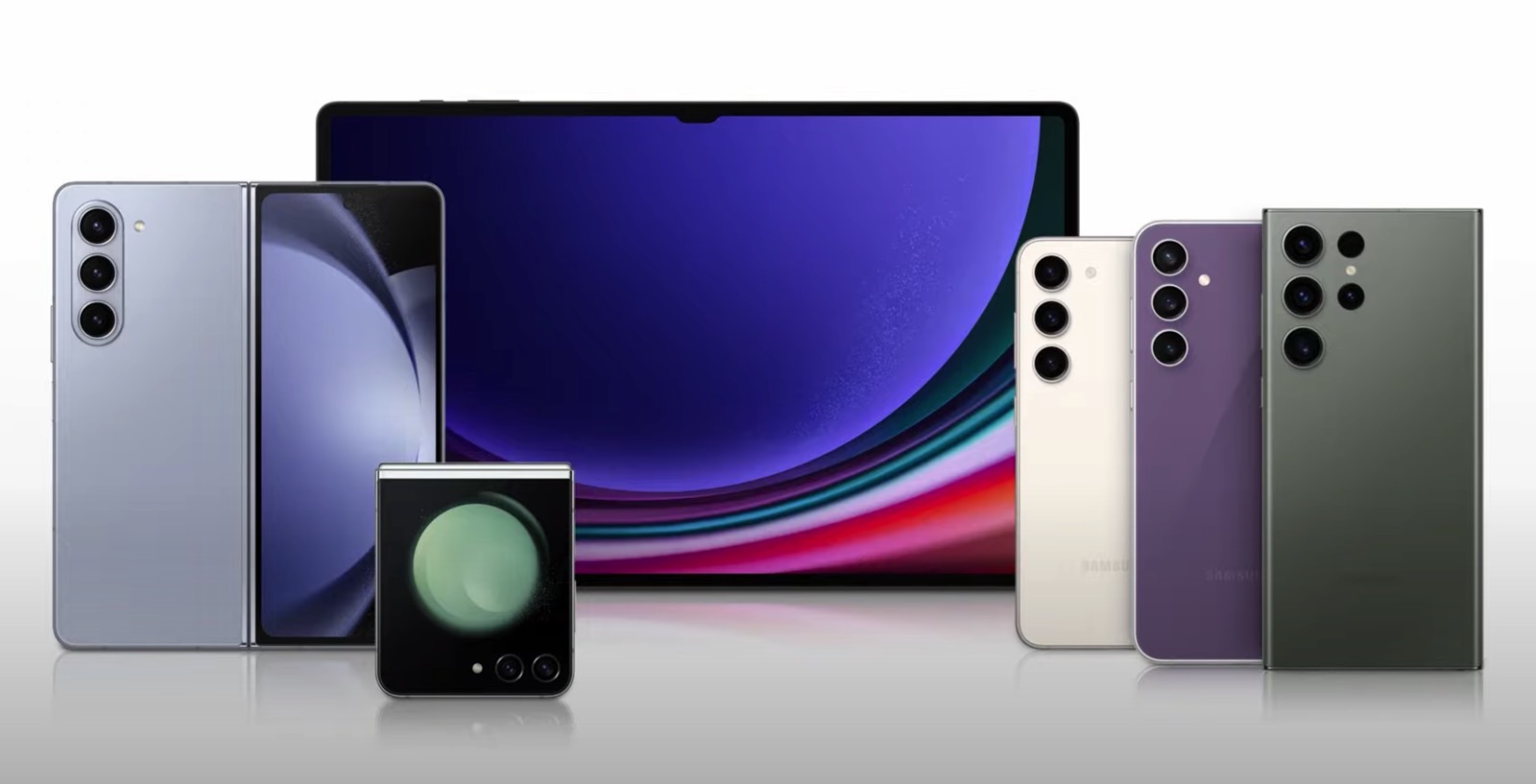
Samsung was the first big smartphone vendor to launch a flagship phone with AI at the core of its marketing efforts. Last year’s Galaxy S24 series introduced the Galaxy AI suite of features. Samsung followed with the Galaxy Z Fold 6 and Flip 6, which got additional AI capabilities. Samsung then extended Galaxy AI support to older flagship devices. And in a few weeks, Samsung will launch the Galaxy S25 series, which should introduce even more Galaxy AI novelties.

But Samsung leadership is hallucinating worse than an AI program ever could about Samsung’s global role in genAI. In a New Year’s address, Samsung Electronics CEO and Vice Chairman Han Jong-hee and DS Division Vice Chairman Jeon Young-hyun addressed Galaxy AI, saying that Samsung should become the undisputed leader of device AI this year.

“Now is the time for bold innovation that goes beyond the existing success methods as we face an inflection point in AI technology,” the execs said, according to a machine-translated Samsung release. “Let’s establish ourselves as a clear device AI leader this year through advanced intelligence.”

The goal of becoming the undisputed AI leader is noble. It’s what you’d expect key execs to say ahead of a busy year when AI will continue to dominate the tech world. It’s also something officials at other leading tech companies could say, considering AI is the main priority right now.

Tech. Entertainment. Science. Your inbox.

Sign up for the most interesting tech & entertainment news out there.

By signing up, I agree to the Terms of Use and have reviewed the Privacy Notice.

But Samsung is nowhere close to being a leader in AI, and I don’t see it happening in 2025 either. The main problem with Samsung’s Galaxy AI approach is that it doesn’t have a meaningful model of its own to power the genAI tech on phones like the Galaxy S24 and S25.

Using Google's Circle to Search AI feature on the Galaxy S24 Ultra.Using Google’s Circle to Search AI feature on the Galaxy S24 Ultra. Image source: Samsung

Galaxy AI is a mix of AI technologies. Google’s Circle to Search is a good example. Also, Galaxy S25 phones are rumored to come with free Google Gemini Advanced, Google’s best version of Gemini AI.

I’ll also point out that Samsung’s upcoming XR devices, Project Moohan and unnamed AR smart glasses, will work on Google’s Android XR platform, with Gemini playing a key role. I expect Galaxy AI to be part of the picture for both types of products because Samsung can’t AI on its own.

Samsung doesn’t have an alternative to ChatGPT or Gemini. If it is working on Bixby upgrades and Gauss upgrades, matching these AI models will take a long time.

Also, Samsung doesn’t have a desktop presence. ChatGPT is my primary AI tool right now, and I use it across devices. Most of the time, I access it on my Mac rather than a mobile phone.

OpenAI and Google have better models. Meta, Claude, and Microsoft also have AI tools that are more advanced than Samsung’s. Apple is working on a Siri LLM that will behave like ChatGPT and has incorporated ChatGPT into Apple Intelligence on the iPhone.

As for on-device AI, Samsung might have been the first to push AI on mobile devices with Galaxy AI, but it’s not the only one. Google is doing it with Pixel phones and Android in general. Apple laid out an even better vision of on-device AI with Apple Intelligence this year, which Samsung doesn’t appear to be able to match.

Samsung's Project Moohan Android XR headset.Samsung’s Project Moohan Android XR headset. Image source: Samsung


Apple Intelligence might be behind Galaxy AI and other rivals, but Apple has something rivals can’t match: a massive base of devices that can use Apple Intelligence, and the list is growing rapidly. Once Apple Intelligence matures, Apple could very well become the undisputed device AI leader.

Speaking of Apple’s AI vision, Samsung has yet to match what Apple wants to do with iPhones. It’s not just about text and notification summaries, text generation, wallpaper generation, photo editing, and translation. It’s about Siri becoming a more useful assistant by accessing on-device contextual information about the user.

Apple has a plan, at least; one that Samsung might follow. Samsung’s Galaxy AI teasers during the Fold 6 and Flip 6 launch event revealed the company is working on a similar vision. But Samsung waited for Apple’s Apple Intelligence reveal before it unveiled its own plans.

I’ll also point out that Apple Intelligence is designed to offer more on-device AI features and better privacy for cloud-based AI than Galaxy AI can. Turn off Galaxy AI on your phone right now, and you’ll lose many of its useful features. Samsung has yet to match Apple’s Private Cloud Compute, a private cloud-based AI system.

What I’m getting at is that it’ll take years for any company to become the undisputed leader in device AI. If that ever happens. And it’s way too early for Samsung to call for that title, especially considering its massive reliance on partners like Google.

Also, suppose the Samsung execs only want the company to sell as many products that can run third-party AI programs within Galaxy AI. In that case, that still doesn’t qualify as being the undisputed leader of device AI.

Source