Posted on

iPhone 17 Air is real, and Foxconn is already making it

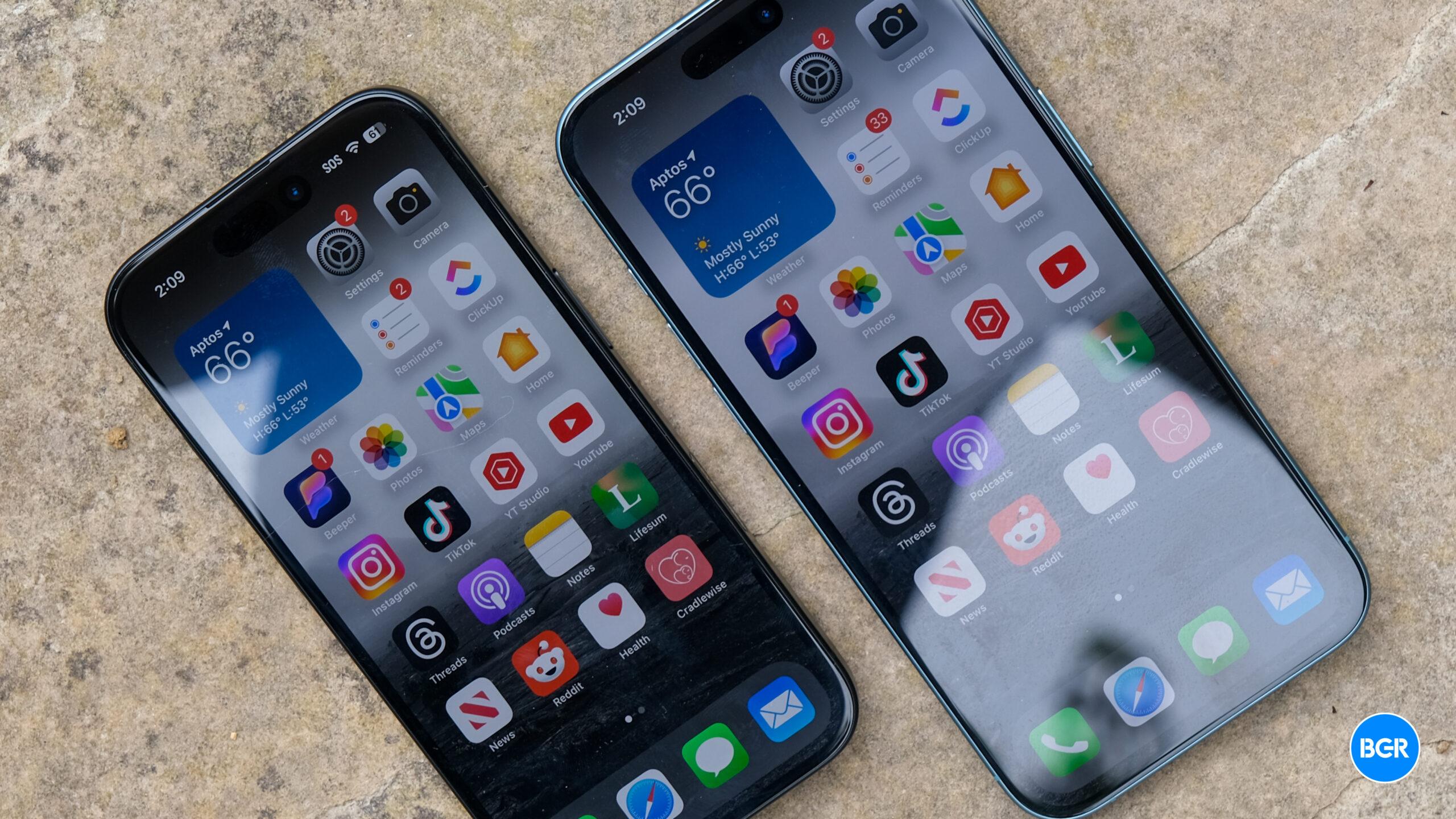
The iPhone 17 Air is another step toward becoming a reality. This time, DigiTimes (via MacRumors) says Foxconn entered the new product introduction phase. Supply chain sources tell the publication that the NPI phase is responsible for bringing this iPhone’s concept to life with design validation and prototype testing.

With that, this device is on schedule to be released in late 2025 alongside the other iPhone 17 lineup, as Foxconn doesn’t seem to be having issues making this product.

A few months ago, the same publication said the Taiwanese company Novatek planned to begin mass production of a new OLED display technology for the iPhone 17 Air. At the time, the claim seemed a bit speculative as Novatek wanted to create a thinner screen tech. However, it seems everything is aligning for this device’s release in the second half of 2025.

Latest iPhone 17 Air rumors

The iPhone 17 Air is expected to be released after years of Apple failing to conquer a more significant market with a variation of the regular iPhone. The company has seen low sales of the iPhone 12 mini, iPhone 13 mini, iPhone 14 Plus, and iPhone 15 Plus. While we need to know how the iPhone 16 Plus will perform, Cupertino seems to be planning a different approach for the iPhone 17.

Tech. Entertainment. Science. Your inbox.

Sign up for the most interesting tech & entertainment news out there.

By signing up, I agree to the Terms of Use and have reviewed the Privacy Notice.

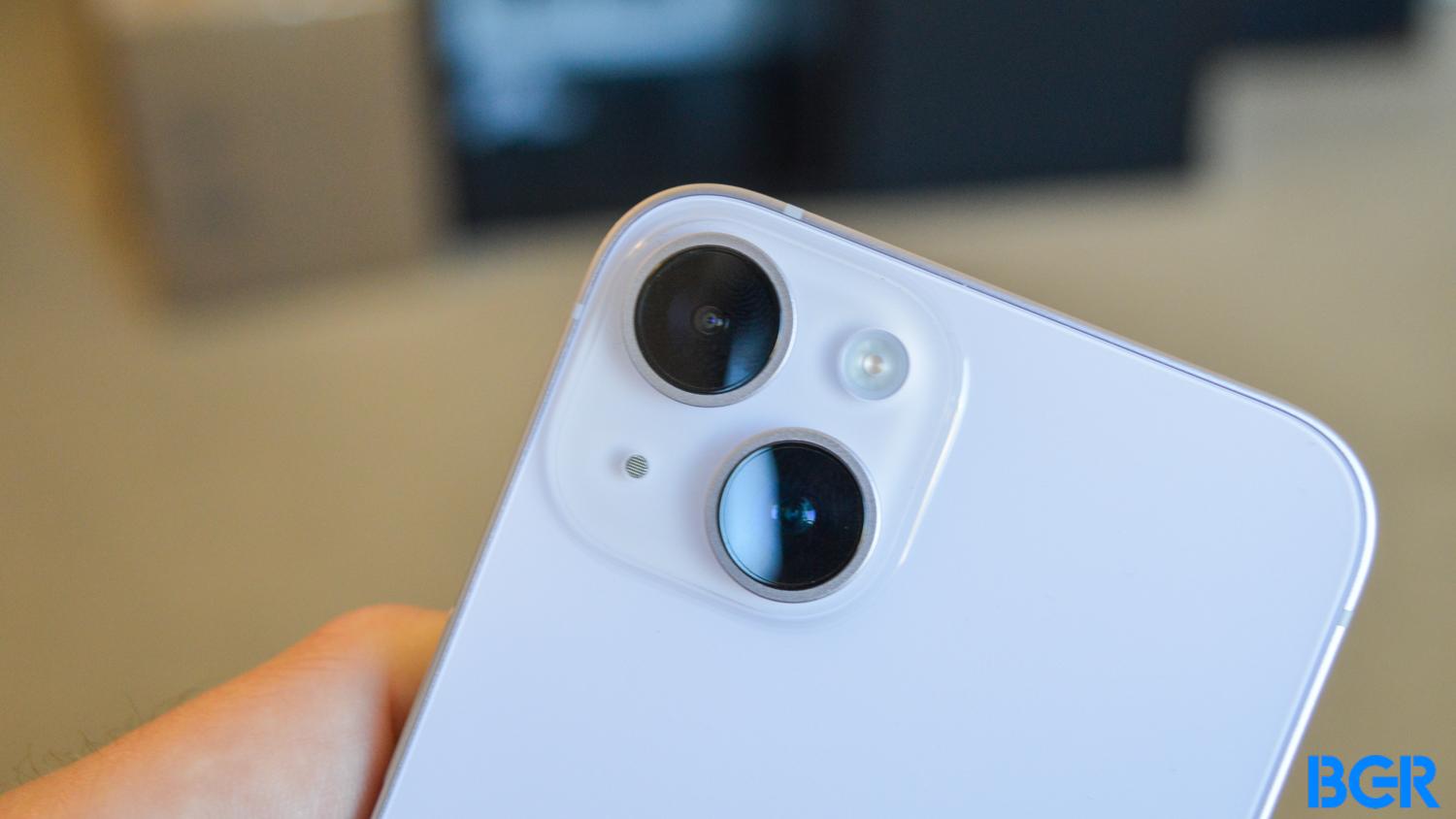
Besides that, rumors so far have hinted at a premium version of the non-Pro iPhone 17. While all models are expected to maintain the same price point, this iPhone 17 Air would cost around $1,299—the most expensive iPhone to date. Despite its ultra-thin form factor, it would have the A19 chip, 8 GB of RAM, and two main cameras.

It is still unknown how Apple will maintain a good battery life with an ultra-thin form factor. However, the company might learn from Huawei’s latest triple-fold phone. It’s important to say that Samsung will likely make competition hard for this rumored Apple phone.

Interestingly, the iPhone 17 Pro models could have 12GB of RAM, the A19 Pro chip with TSMC’s new N3P manufacturing process, and three 48MP primary cameras.

Below, you can learn more about the future iPhone 17.

Source

Posted on

Mysterious ChatGPT hardware must be smart glasses, given what OpenAI just unveiled

After months of speculation, Jony Ive confirmed in mid-September that he and a team of former Apple designers are working on hardware that will have ChatGPT at the core. While Ive said his LoveFrom design company will be involved in creating the product (or products?), he didn’t reveal what form factor(s) we should expect.

I labeled the product an iPhone competitor because the iPhone is an AI device, just like the Pixel and any other smartphone that can run native or third-party AI apps. The ChatGPT hardware will compete against the iPhone no matter what it looks like. The only thing we know about the gadget is that it “uses AI to create a computing experience that is less socially disruptive than the iPhone.”

Nearly three months later, I believe the ChatGPT device has to feature a key component, a pair of smart glasses that will truly let the user make the most of OpenAI’s AI models. It’s all thanks to what we witnessed on December 12th, a few short hours apart.

First, Samsung and Google unveiled the Android XR experience and teased the first devices with AI at the center. Project Moohan is Samsung’s obvious Vision Pro alternative, and yes, it looks too much like the latter. Project Moohan will be a spatial computer that supports VR, AR, and AI.

Tech. Entertainment. Science. Your inbox.

Sign up for the most interesting tech & entertainment news out there.

By signing up, I agree to the Terms of Use and have reviewed the Privacy Notice.

All the acronyms are there, with AI giving Samsung a theoretical advantage over the Vision Pro. That will be Galaxy AI and Gemini AI, in case you were wondering.

Samsung's Project Moohan Android XR headset.Samsung’s Project Moohan Android XR headset. Image source: Samsung

More interesting than Moohan is Google’s unannounced pair of smart glasses. Samsung is probably working on its own smart glasses, but the company didn’t feel compelled to announce them on Thursday. 

Google demoed the smart glasses during its Gemini 2.0 announcement, showing how Project Astra can work on them. The wearable device is paired with a Pixel phone, which will handle the processing, including Gemini. The glasses give the AI eyes and ears so it can see everything around you and communicate information as you seek help while on the go.

Add the Android XR platform, and you get augmented reality features. Think AI notification summaries, Google Maps navigation, and real-time translation. According to Google’s demo, these are all part of Android XR.

All of that further reinforces my belief that standalone AR glasses are the future of mobile computing. They’ll complement the iPhone first and then replace it.

Google Maps AR navigation on smart glasses.Google Maps AR navigation on smart glasses. Image source: Google

Seeing Samsung and Google’s announcements was enough to make me realize OpenAI will need similar abilities from ChatGPT. And the only way to deliver them is by making smart glasses of its own.

Little did I know that OpenAI’s “12 Days” live stream, which followed Samsung and Google’s surprise announcement, would further drive that point home.

OpenAI on Thursday announced that ChatGPT Advanced Voice Mode is finally getting support for real-time video streaming and screen sharing. We saw these features demoed for GPT-4o back in May, but OpenAI needed time to bring them to all users.

The ChatGPT mobile app will let you use the camera of your iPhone or Android device to see the world and hold a conversation about it with the user.

The demos OpenAI offered showed that the AI can recognize people and remember details about them. Also, the AI can recognize objects and provide tips and tutorials related to them if asked.

When I first tried Advanced Voice Mode, I wanted to use ChatGPT as a museum voice guide. However, the experience lacked a key feature: the live video stream support that OpenAI just made available to ChatGPT users. Instead, I had to upload photos whenever I had questions about something.

Back to Thursday’s OpenAI updates, the ChatGPT demos showed that you can share your phone screen with the AI and ask questions about the content. It’s another way of giving the AI the ability to see what you’re doing.

This settled it for me. Any multimodal AI is a great tool to enhance your productivity, but it can get miles better if the AI gets eyes. Smart glasses are the best way to wear the AI’s eyes. The glasses don’t even have to support augmented reality features. AR would be just the cherry on top. 

It turns out Meta was right all along with the Ray-Ban AI project. As such, I think OpenAI and LoveFrom have to bundle a pair of smart glasses with whatever ChatGPT hardware product they end up making. I don’t think they can make standalone smart glasses. The technology isn’t ready for that.

Solos AirGo Vision ChatGPT smart glasses: Front look.Solos AirGo Vision ChatGPT smart glasses: Front look. Image source: Solos

They could always create only ChatGPT smart glasses that could then connect to the iPhone, Mac, or any smart device. But in such a case, they won’t control the underlying platform. On that note, I did show you a pair of smart glasses earlier this week (above) which put ChatGPT front and center. They might not be a first-party device, but they’re available for preorder.

This is all speculation from this ChatGPT enthusiast. I have no way of knowing what Ive & Co. are actually designing. But smart glasses seem like a key piece of the puzzle. And no, placing a camera on clothing will not work. Humane tried that and failed miserably. Eyewear is a whole different ball game.

Source

Posted on

Apple may be forced discontinue these 3 iPhone models in Europe

In September, Apple released the new iPhone 16 lineup. With that, the company finally stopped selling the 2021 iPhone 13 and only offered customers the following options through its store:

  • iPhone SE 3 (2022)
  • iPhone 14 (2022)
  • iPhone 14 Plus (2022)
  • iPhone 15 (2023)
  • iPhone 15 Plus (2023)
  • iPhone 16 series

However, the French Apple blog iGeneration reports that Apple will discontinue all Lightning iPhone models in Europe at the start of 2025.

Since European legislation requires all smartphones to have a universal USB-C port, the iPhone 14, iPhone 14 Plus, and iPhone SE 3 won’t follow the rule, as they have a Lightning port.

There’s always the possibility that Apple could tweak those smartphones with a USB-C port, as the company has done with the AirPods Max. However, it doesn’t seem Cupertino will follow that path.

Tech. Entertainment. Science. Your inbox.

Sign up for the most interesting tech & entertainment news out there.

By signing up, I agree to the Terms of Use and have reviewed the Privacy Notice.

Of course, a fourth-generation iPhone SE is expected to launch early next year, which means the current generation will soon be discontinued anyway. Besides that, when Apple introduces the iPhone 17 line, it will also stop selling the iPhone 14 and iPhone 14 Plus.

In other words, Apple is set to discontinue all three of these old iPhone models anyway in 2025. Still, if you’re not in Europe, you don’t need to worry about any of this, as Apple will continue to sell them until new models are introduced over the course of the year.

The new iPhone SE 4 is expected to feature a design like the iPhone 14 with a single camera, the A18 processor, and Apple’s new 5G modem. By the second half of 2025, Cupertino is rumored to launch the iPhone 17 lineup, including an all-new iPhone 17 Air, which will be the thinnest iPhone to date with some high-end features but hardware that’s not as good as an iPhone Pro.

BGR reached out to Apple but did not hear back at the time this story was published. We’ll update it if we hear from the company.

Source

Posted on

I’ve never taken Intel’s GPU competition seriously, but the Arc B580 has left me no choice

  • Intel’s Battlemage Arc B580 GPU just scored higher than the RTX 4060 in Vulkan testing
  • AMD’s RX 7600 loses to both Nvidia and Intel GPUs in Vulkan tests
  • The new GPU will launch on December 13, for $249 / £249 / around AU$439

It’s easy to place AMD and Nvidia as leaders within the GPU market, with the latter’s RTX 4000 series currently dominating over the RX 7000 series – but Intel is about to shake things up, with the Arc B580 defeating both the RTX 4060 and RX 7600 GPUs in Vulkan benchmark tests.

According to Tom’s Hardware (based on public benchmark tests), the Intel Arc B580 loses out to Nvidia’s RTX 4060 in OpenCL API (which is irrelevant for gaming) but successfully defeats Team Green’s GPU with a 6% lead in Vulkan (one of the APIs used for most games).

The Battlemage GPU is priced at $249 / £249 / around AU$439 which is cheaper than the RTX 4060 at MSRP ($299 / £289 / AU$545), and it’s purported to be the faster GPU (especially equipped with 12GB of VRAM). If there’s anything to take from this, it’s that Intel is suddenly in pole position to reignite the budget GPU market and take the lead – though doing so will depend on AMD and Nvidia’s CES 2025 reveals.

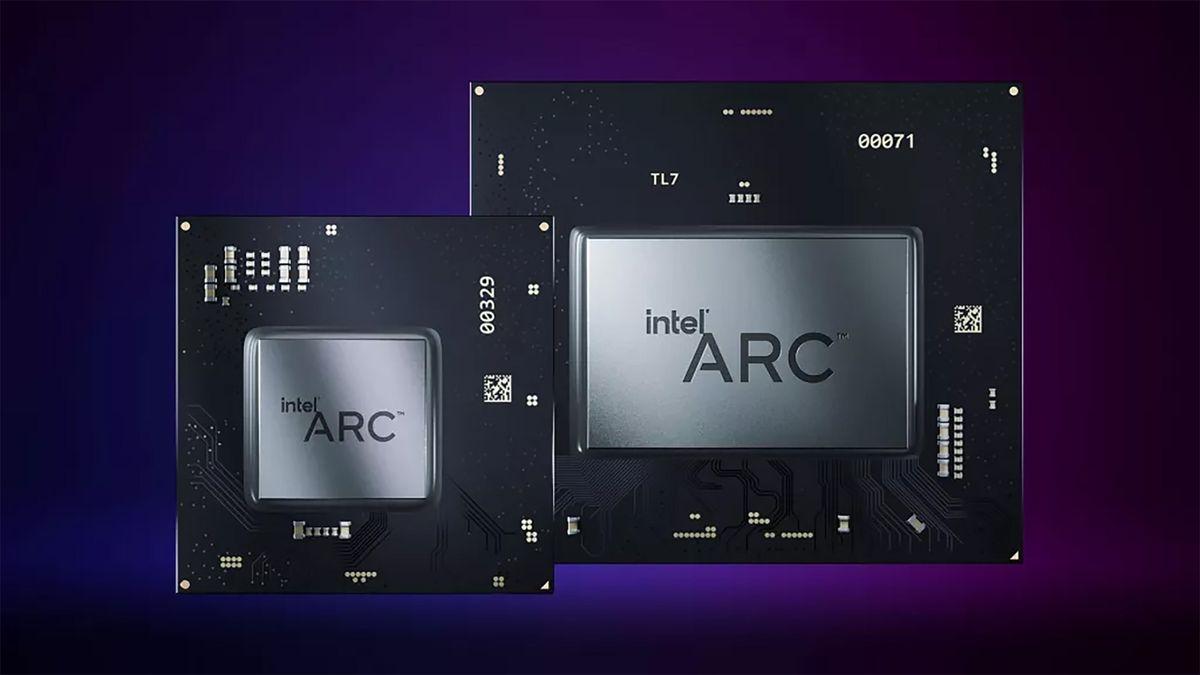
The Intel Arc logo against a blue and purple backdrop

(Image credit: Intel)

Say goodbye to 8GB GPUs with Intel…

Team Red has already made it clear that its focus has shifted from high-end GPUs to mid-range options, with a strong emphasis on AI upscaling going forward with FSR 4 (much like Nvidia’s continuing focus on AI for DLSS 3’s successor). With this in mind, I’m optimistic about what both have to offer at CES in January when it comes to budget options.

The Intel Arc B580 will feature 12GB of VRAM, while the cheaper B570 will utilize 10GB of VRAM – 8GB of VRAM is nowhere near enough to tackle games today, and it’s great to see that Intel abandoning this long-standing staple of affordable GPUs. More and more triple-A titles are demanding more VRAM for consistent performance and after Apple’s move away from 8GB of unified memory (shared RAM between the CPU and GPU) for Macs, I’m expecting Nvidia and AMD to follow suit.

Spotted by VideoCardz, XeSS Frame Generation has been leaked and is now available for Intel GPU owners to use via Nexus Mods – AI upscaling has been the talk of the town for PC gaming for improved frame rates and image quality, and now that Team Blue has joined the party, there is room for competition in the budget GPUs arena.

You might also like…

{ window.reliablePageLoad.then(() => { var componentContainer = document.querySelector(“#slice-container-newsletterForm-articleInbodyContent-k9f3g8H8RCwAPYgRmn35nZ”); if (componentContainer) { var data = {“layout”:”inbodyContent”,”header”:”Get daily insight, inspiration and deals in your inbox”,”tagline”:”Sign up for breaking news, reviews, opinion, top tech deals, and more.”,”formFooterText”:”By submitting your information you agree to the Terms & Conditions and Privacy Policy and are aged 16 or over.”,”successMessage”:{“body”:”Thank you for signing up. You will receive a confirmation email shortly.”},”failureMessage”:”There was a problem. Please refresh the page and try again.”,”method”:”POST”,”inputs”:[{“type”:”hidden”,”name”:”NAME”},{“type”:”email”,”name”:”MAIL”,”placeholder”:”Your Email Address”,”required”:true},{“type”:”hidden”,”name”:”NEWSLETTER_CODE”,”value”:”XTR-D”},{“type”:”hidden”,”name”:”LANG”,”value”:”EN”},{“type”:”hidden”,”name”:”SOURCE”,”value”:”60″},{“type”:”hidden”,”name”:”COUNTRY”},{“type”:”checkbox”,”name”:”CONTACT_OTHER_BRANDS”,”label”:{“text”:”Contact me with news and offers from other Future brands”}},{“type”:”checkbox”,”name”:”CONTACT_PARTNERS”,”label”:{“text”:”Receive email from us on behalf of our trusted partners or sponsors”}},{“type”:”submit”,”value”:”Sign me up”,”required”:true}],”endpoint”:”https://newsletter-subscribe.futureplc.com/v2/submission/submit”,”analytics”:[{“analyticsType”:”widgetViewed”}],”ariaLabels”:{}}; var triggerHydrate = function() { window.sliceComponents.newsletterForm.hydrate(data, componentContainer); } if (window.lazyObserveElement) { window.lazyObserveElement(componentContainer, triggerHydrate); } else { triggerHydrate(); } } }).catch(err => console.error(‘%c FTE ‘,’background: #9306F9; color: #ffffff’,’Hydration Script has failed for newsletterForm-articleInbodyContent-k9f3g8H8RCwAPYgRmn35nZ Slice’, err)); }).catch(err => console.error(‘%c FTE ‘,’background: #9306F9; color: #ffffff’,’Externals script failed to load’, err)); ]]>

Sign up for breaking news, reviews, opinion, top tech deals, and more.

Source

Posted on

Nvidia cranks RTX 5000 GPU hype machine up to full speed, teasing ‘GeForce at CES 2025’ as Witcher 4 trailer drops a big hint

  • Nvidia has teased revelations about ‘GeForce at CES 2025’
  • This must surely be next-gen GPUs, likely the RTX 5090 and 5080
  • Witcher 4 trailer also drops a big clue the RTX 5090 may be imminent

Nvidia has finally discarded what’s been one of the worst kept secrets in the tech world this year – alongside Apple’s M4 Macs – and teased that it is indeed about to reveal new GeForce products at CES 2025.

The teaser (highlighted by VideoCardz) stops short of mentioning RTX 5000, or RTX 50 series, or Blackwell, or any specific name at all, and just mentions ‘GeForce at CES 2025’ – but of course, this must surely be the launch of the next-gen graphics cards.

Previously, Nvidia has let us know about its CES 2025 keynote – which CEO Jensen Huang will give – but not what it’ll be about. Now we know it’s GeForce-related, and will surely consist of an RTX 5090 reveal, and probably other GPUs too (the RTX 5080 is another strong possibility, going by the rumors – and likely next-gen Blackwell laptop GPUs, as well).

Backing this up is the fact that the Witcher 4 has seen its first cinematic trailer aired at The Game Awards, and interestingly, there’s a mention of this footage being “pre-rendered in Unreal Engine 5 on an unannounced Nvidia GeForce RTX GPU.”

That must surely be the flagship RTX 5090, and this represents another weighty hint that said graphics card is about to be announced at CES, which is only a few weeks away now.

Nvidia GeForce CES 2025 Teaser

(Image credit: Nvidia / VideoCardz)

Analysis: Exciting times just around the corner

At this point, the RTX 5000 reveal is as confirmed as it’s going to be – without mentioning any product names – until Jensen takes the stage on January 6, at CES 2025, and actually unveils the RTX 5090 and probably RTX 5080 too. There’s further chatter about the possibility of the RTX 5070 turning up alongside them, but that GPU might be saved for a bit later – though it’s still expected to arrive early in 2025, going by the grapevine.

I certainly hope that the RTX 5070 is in the mix for an early launch, as this is the GPU that I’m most interested in regarding a near-future upgrade for my gaming PC. On the Nvidia side, that is – I’m also very keen to see how the rumored RX 8800 XT shapes up in comparison, particularly in terms of pricing (or whatever RDNA 4 products are revealed by AMD, also at CES 2025, as they’re almost certainly going to be strong mid-range offerings).

{ window.reliablePageLoad.then(() => { var componentContainer = document.querySelector(“#slice-container-newsletterForm-articleInbodyContent-RWutzCTEfuAS6smSi5f4LA”); if (componentContainer) { var data = {“layout”:”inbodyContent”,”header”:”Get daily insight, inspiration and deals in your inbox”,”tagline”:”Sign up for breaking news, reviews, opinion, top tech deals, and more.”,”formFooterText”:”By submitting your information you agree to the Terms & Conditions and Privacy Policy and are aged 16 or over.”,”successMessage”:{“body”:”Thank you for signing up. You will receive a confirmation email shortly.”},”failureMessage”:”There was a problem. Please refresh the page and try again.”,”method”:”POST”,”inputs”:[{“type”:”hidden”,”name”:”NAME”},{“type”:”email”,”name”:”MAIL”,”placeholder”:”Your Email Address”,”required”:true},{“type”:”hidden”,”name”:”NEWSLETTER_CODE”,”value”:”XTR-D”},{“type”:”hidden”,”name”:”LANG”,”value”:”EN”},{“type”:”hidden”,”name”:”SOURCE”,”value”:”60″},{“type”:”hidden”,”name”:”COUNTRY”},{“type”:”checkbox”,”name”:”CONTACT_OTHER_BRANDS”,”label”:{“text”:”Contact me with news and offers from other Future brands”}},{“type”:”checkbox”,”name”:”CONTACT_PARTNERS”,”label”:{“text”:”Receive email from us on behalf of our trusted partners or sponsors”}},{“type”:”submit”,”value”:”Sign me up”,”required”:true}],”endpoint”:”https://newsletter-subscribe.futureplc.com/v2/submission/submit”,”analytics”:[{“analyticsType”:”widgetViewed”}],”ariaLabels”:{}}; var triggerHydrate = function() { window.sliceComponents.newsletterForm.hydrate(data, componentContainer); } if (window.lazyObserveElement) { window.lazyObserveElement(componentContainer, triggerHydrate); } else { triggerHydrate(); } } }).catch(err => console.error(‘%c FTE ‘,’background: #9306F9; color: #ffffff’,’Hydration Script has failed for newsletterForm-articleInbodyContent-RWutzCTEfuAS6smSi5f4LA Slice’, err)); }).catch(err => console.error(‘%c FTE ‘,’background: #9306F9; color: #ffffff’,’Externals script failed to load’, err)); ]]>

Sign up for breaking news, reviews, opinion, top tech deals, and more.

The worries for Nvidia’s next-gen GeForce graphics cards are that pricing might be pushed harder again (groan), and that VRAM loadouts could be thin, with perhaps only 16GB for the RTX 5080 and 12GB for the RTX 5070. That said, there may be mitigating circumstances to some extent with VRAM performance, but still, those video RAM allocations look distinctly shaky in terms of future-proofing – add seasoning appropriately, as all these specs are still rumors.

You might also like

Source

Posted on

iPhone 17 Air will feature ProMotion, but I’d buy it either way

I’m ready to buy the iPhone 17 Air, even if that means dealing with several compromises Apple will have to make to create a thinner iPhone than ever before. By that, I mean I’m ready for a single-lens camera, potentially worse battery life than what you’d expect from a typical 6.6-inch iPhone, and a single speaker on the bottom.

I’d even be ready to use a 60Hz display rather than one that supports ProMotion. After all, I did that for two years with the iPhone 14 Pro. That actually might have helped me get used to the iPhone 16 Plus’s 60Hz screen. I had no problem transitioning to a non-ProMotion screen during my two-month stint with the iPhone 16 Plus.

However, it looks like the iPhone 16 will be the last generation in which the non-Pro iPhones lack 120Hz refresh rate support. We have already seen a series of reports saying that Apple will bring LTPO tech to all iPhone 17 models, including the iPhone 17 Air, and there’s another story out that seemingly confirms this development.

LTPO is a key display tech that allows Apple to offer dynamic refresh rates on ProMotion devices with OLED panels. The refresh rate adapts to what’s showing on the screen, dropping as low as 1Hz in some instances rather than staying at 120Hz, regardless of what you might be doing. The benefit of dynamic refresh rate screens is that they conserve battery life.

Tech. Entertainment. Science. Your inbox.

Sign up for the most interesting tech & entertainment news out there.

By signing up, I agree to the Terms of Use and have reviewed the Privacy Notice.

On that note, that’s probably one way I improved battery life on the iPhone 14 Pro, as my refresh rate moves between 1Hz and 60Hz rather than the full 120Hz.

My display preferences aside, plenty of iPhone users have rightly called out Apple for restricting the ProMotion displays to the Pro models. Meanwhile, many Android vendors ship mid-range phones that support 120Hz refresh rates.

Thankfully, all iPhone models will get ProMotion screens, starting with the iPhone 17 series. Korean website DT penned the latest report that says Apple suppliers are preparing to meet Apple’s OLED panel needs for the iPhone 17.

The report says that all four iPhone 17 models will use LTPO OLED panels, which implies that the iPhone 17 Air will support 120Hz refresh rates. The story doesn’t single out the ultra-thin iPhone or the other three models, instead focusing on the suppliers.

If the information is accurate, LG Display will be the big winner of Apple’s iPhone 17 screen orders. The Korean company had a 10% share of orders last year, which grew to 30% this year. LG’s share will continue to rise next year when it will account for 40% of Apple’s OLED panel needs.

Chinese company BOE is apparently the big loser, as it is unable to manufacture the LTPO panels Apple wants for the iPhone 17.

Samsung will continue to get the lion’s share of OLED panels for the iPhone, likely accounting for 60% of orders.

M4 iPad Pro Home Screen running iPadOS 18M4 iPad Pro OLED display. Image source: José Adorno for BGR

The inability of OLED panel vendors to meet Apple’s production needs might explain why Apple has kept using LTPS 60Hz OLED panels in non-Pro handsets so far, but that’s just speculation from this iPhone user. Apple sells over 200 million iPhones every year, so its display needs dwarf those of rivals.

The DT story implies that supply is an issue, as it explains that LG will not build new manufacturing lines to accommodate a larger influx of orders from Apple. Instead, LG will retool its iPad Pro OLED screen production line to manufacture iPhone displays.

Apple’s M4 iPad Pro hasn’t been selling as well as expected, so LG’s move makes sense. While the Korean company won’t confirm such changes, it did say during the Q3 earnings report that it plans to adapt its production infrastructure to market conditions.

LG adapting to Apple’s needs will have an unwanted side effect. The report says LG’s investments in a next-gen supply facility of OLED panels for tablets and laptops will be slightly delayed. Interestingly, Apple is expected to use OLED panels in more products, including the iPad mini, MacBook Air, and a foldable Mac/iPad set to launch sometime in the next four years.

Back to the iPhone 17, the report doesn’t mention screen sizes for the four phones. I’d expect Apple to stick with the 6.1-inch, 6.3-inch, and 6.9-inch screen sizes for the iPhone 17, 17 Pro, and 17 Pro Max, respectively. Rumors say the iPhone 17 Air should feature a 6.6-inch display.

Source

Posted on

How to share lost AirTag location with an airline

iOS 18.2 has just been released, and it’s full of Apple Intelligence features. However, there’s one feature available to everyone that might greatly improve their next trip.

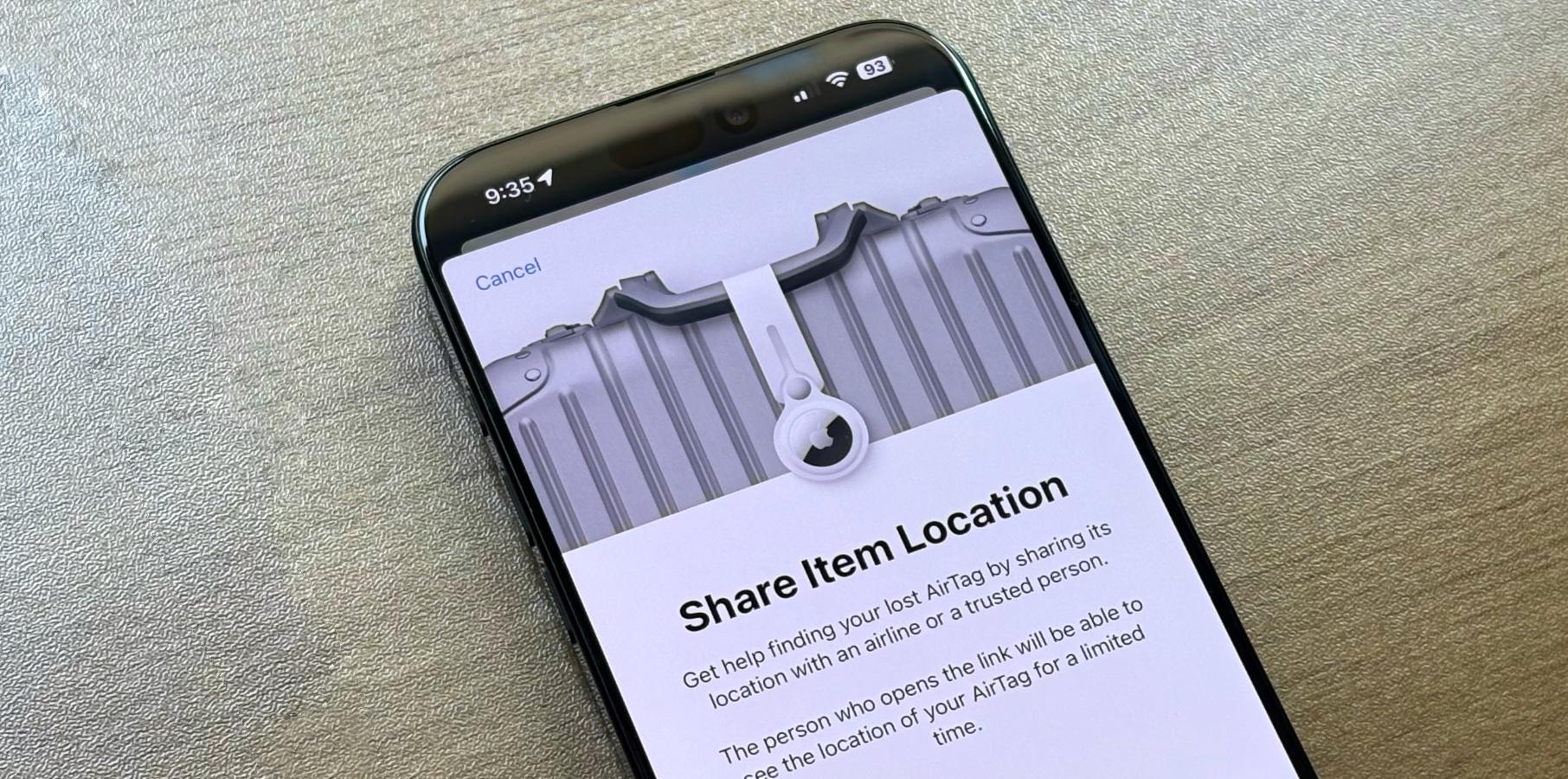
The new Share Item Location feature lets iPhone and iPad users share their AirTag or third-party item tracker location with another person or an airline. It was first available as part of the iOS 18.2 beta and is now rolling out to everyone.

According to Apple, over 15 airlines are planning support for this Find My feature: Aer Lingus, Air Canada, Air New Zealand, Austrian Airlines, British Airways, Brussels Airlines, Delta Air Lines, Eurowings, Iberia, KLM Royal Dutch Airlines, Lufthansa, Qantas, Singapore Airlines, Swiss International Air Lines, Turkish Airlines, United, Virgin Atlantic, and Vueling.

Suppose you lose your keychain in a restaurant. You can send the manager a link using Share Item Location, and they can track your AirTag using their iPhone 11 or newer with Precision Find.

Tech. Entertainment. Science. Your inbox.

Sign up for the most interesting tech & entertainment news out there.

By signing up, I agree to the Terms of Use and have reviewed the Privacy Notice.

Additionally, you can already share your AirTag location with friends and family members using the Find My network.

How to share a Lost AirTag using Find My

If you have an AirTag and your iPhone is updated to iOS 18.2, follow the steps below:

  • Open the Find My app and open the “Items” tab.
  • Select the lost AirTag and scroll down the menu.
  • Tap “Show Contact Info” so people can contact you when they find your item.
  • Lastly, tap “Share Item Location” so you can create a link that people can click to see your AirTag location for a limited time.

Apple says the “Show Contact Info” feature lets others hold your AirTag close to the top of their phone to open a website with more information, including your phone number or email address, so they can contact you to let you know they found your device.

Below, you can learn more about the latest iOS 18.2 features.

Source

Posted on

Apple Watch Series 10 has a frustrating problem with workout tracking

I switched from a 40mm Apple Watch SE 2 to a 42mm Apple Watch Series 10 in late September, and it’s the best thing I’ve ever done. But there’s an unexpected twist, and it’s so annoying.

I run marathons now, and I want Apple’s wearables to track my health parameters during races and the entire training phase leading up to a race. My old Apple Watch SE’s battery health dropped below 80%, at which point I had to recharge it twice a day to ensure it would not die suddenly.

I could have replaced the battery or purchased another SE model. But, as I get older, I also want better health tracking — and the premium Apple Watch Series 10 delivers that. I want the wearable to track my health parameters around the clock, not just while I’m training.

I should also tell you that I’m always running the latest watchOS 11 beta, which can often explain various bugs. But there’s one that I keep seeing, and it has nothing to do with the current beta OS I’m running: The Apple Watch Series 10’s sensors don’t consistently track my heart rate during workouts.

Tech. Entertainment. Science. Your inbox.

Sign up for the most interesting tech & entertainment news out there.

By signing up, I agree to the Terms of Use and have reviewed the Privacy Notice.

I started noticing this bug in mid-October. Since then, I’ve seen some improvements, but I’m still missing data from the run and walk session. It turns out I’m not the only one. BGR’s editor Zach Epstein got a 46mm Apple Watch Series 10. He also encountered the same issue during an elliptical workout, and he’s not running a beta version of watchOS. He also had the same problem with his older Apple Watch Ultra, which means the problem isn’t just an issue with the Series 10 model.

We both dealt with this heart rate tracking issue sometime during the early watchOS 11 betas over the summer. Zach found a workaround I’ve used on my Apple Watch SE 2 for weeks, until Apple seemingly fixed it.

We would take heart rate readings with the watch’s dedicated Heart Rate app just before starting a workout. This would sort of warm up the heart rate sensor, so to speak, and it would keep working throughout the subsequent workout. Apple appeared to have addressed it a few weeks later, as my Apple Watch SE 2 started working fine.

But fast-forward to October, and the same problem appeared on the Apple Watch Series 10. By early December, the issue is still here.

It’s unclear exactly what is causing the Apple Watch Series 10 to fail when performing readings. I’ve already shared some screenshots that prove heart rate data was absent when I first covered the issue, so I’ll share a few fresh ones below.

The missing heart rate data

Here’s Zach’s most recent elliptical session, which lacks about 10 minutes of heart rate data at the start of his workout:

Missing heart rate data from an elliptical workout.Missing heart rate data from an elliptical workout. Image source: Zach Epstein, BGR

Here’s my 9K run from Sunday afternoon that shows two different types of behaviors. First, we can see that it’s missing all of my heart rate data early in the workout. But then, the Apple Watch Series 10 also runs into issues later in the workout:

Missing heart rate data from a 9K run.Missing heart rate data from a 9K run. Image source: Chris Smith, BGR

I ran my second marathon — which was my first while wearing the Apple Watch Series 10 — a few days before the 9K run. The Apple Watch Series 10 was amazing when it came to battery life. And, from the looks of the following graph, it registered my heart rate throughout the race.

Heart rate data captured during a marathon race.Heart rate data captured during a marathon race. Image source: Chris Smith, BGR

But did it really? Or are we simply too zoomed out in the graph to spot any missing information? After all, this was a race that lasted more than four hours. The app had to fit all the heart rate data into the same limited space as my 9K run or Zach’s elliptical workout.

I’ve been using the Apple Watch since the first generation came out. There’s no chance here that I’m wearing it wrong. I know how snug it has to be to record health parameters. I wear the Watch on the same arm and same location. I also don’t have any tattoos that would interfere with the sensor.

What I’m getting at is that heart rate readings were not as big of a problem before watchOS 11 and the Apple Watch Series 10.

It’s not just about workouts

I didn’t buy the best Apple Watch out there, save for the Ultra, just for training. I want it to provide health readings around the clock. But considering the repeated issues during my workouts, how would I even know the Apple Watch Series 10 is taking the regular heart rate readings it has to perform with accuracy?

I could manually review the logbook of readings and compare them with Apple Watch SE 2 readings from the past to see if the number of data points matches during rest or sleep, but I’m not going to do that.

Hopefully, the Apple Watch will catch heart rate issues in the early stages once I’m older. For that to happen, and for the Apple Watch to save my life, I would have to know for certain that it’s always performing pulse readings without hiccups.

Finally, I want to upgrade my dad’s Apple Watch to a Series 10. But the accuracy of heart rate readings is paramount here. Unlike me, he has heart issues that come with age, and the Apple Watch is potentially a life-saving device.

It’s unclear what’s causing the issue and how many people have encountered it. But we have at least two cases that we can talk about. I’ll also point out that I bought my Apple Watch Series 10 in Europe, so I still have a working blood oxygen sensor, whereas Zach got his in the US. These units come from entirely different batches.

Is this a software issue? I could always jump off beta and find out. But, again, Zach isn’t currently running a beta OS on his watch. Is it a hardware issue? I can’t tell.

As much as I love the Apple Watch Series 10, I’ll have to take it in for potential repairs if the situation persists. I would have returned it if I knew the heart rate issue would persist, but my return window has passed.

Source

Posted on

visionOS 2.2 beta 4 now available ahead of official release

A couple of weeks after releasing visionOS 2.2 beta 3 to developers, Apple has now seeded its fourth testing version. Unlike the tame visionOS 2.1 update, this new build brings a long-awaited feature: wider Mac Virtual Display options.

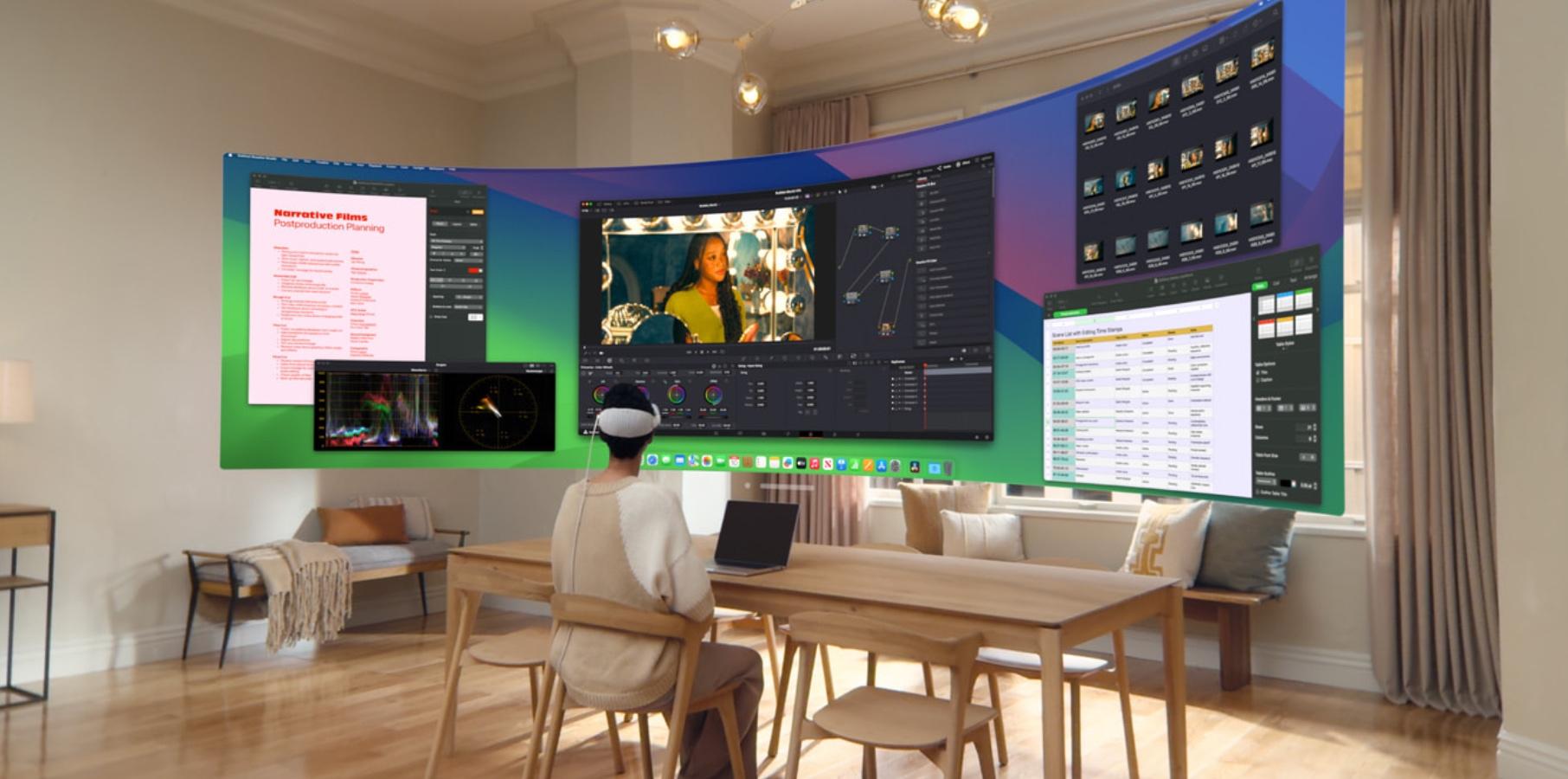
Mac Virtual Display is one of the OG features of Apple Vision Pro. However, with new wide and ultrawide modes, the spatial computer offers a more immersive experience.

Here’s what this feature is all about:

Using Mac Virtual Display is like having an expandable, ultrawide screen that wraps around you. It’s the equivalent of having two 4K displays sitting side by side — everything looks astoundingly sharp and incredibly detailed.

Now, with an ultrawide view, Apple says it feels like you have two physical 4K displays sitting side by side on a desk, except you don’t have something limiting the two displays. This Apple Vision Pro feature is perfect for anyone multitasking on a Mac, and it feels better than having several windows floating around.

Tech. Entertainment. Science. Your inbox.

Sign up for the most interesting tech & entertainment news out there.

By signing up, I agree to the Terms of Use and have reviewed the Privacy Notice.

With this feature, you can open several apps at once and visualize them before you with Vision Pro’s incredible displays. Not only will this boost productivity, but it will also make this spatial computer a more compelling upgrade than two Studio Displays, as you can use it for more than just mirroring your Mac once you finish working.

Apple is expected to expand Mac Visual Display in early December when visionOS 2.2 is expected to be released to all users. While rumors about a new Vision Pro are contradictory, the latest reports expect Apple to update this product next year with a more capable processor, most likely the M5.

However, a revamped interaction is still a few years away. At this moment, Apple has only released visionOS 2.2 beta 4 to Apple Vision Pro developers. We’ll let you know if more betas or RCs are released this week.

Source

Posted on

8 iOS 18 features that Apple has delayed to 2025

With the launch of iOS 18.2 just around the corner, Apple has a few more iOS 18 features that have now been delayed until 2025.

As excited as we are about all of the new features Apple is bringing to iOS 18, the wait for many of them has been longer than we expected. With that in mind, here are all the features iPhone owners are going to receive sometime next year:

  • Personal context understanding: With Apple Intelligence’s on-device semantic index, Siri can understand emails, messages, photos, calendar events, files, and more and can provide answers to personal questions.
  • In-app actions: Siri can take hundreds of new actions on your behalf in both first- and third-party apps, such as editing a photo, adding a note, and more.
  • Onscreen awareness: Siri will be able to understand and take action with things on your screen, so when a friend texts you recommending a new coffee shop in the neighborhood, you can ask Siri how long it will take to get there.
  • Apple Intelligence expansion: Apple promises Apple Intelligence support will expand to new countries and languages in 2025, most likely around iOS 18.4.
  • Sketch style: With Image Playground, Apple offers animation and illustration styles. However, the Sketch style will likely be delayed. It’s currently available as an option in Image Wand but not for the Image Playground app.
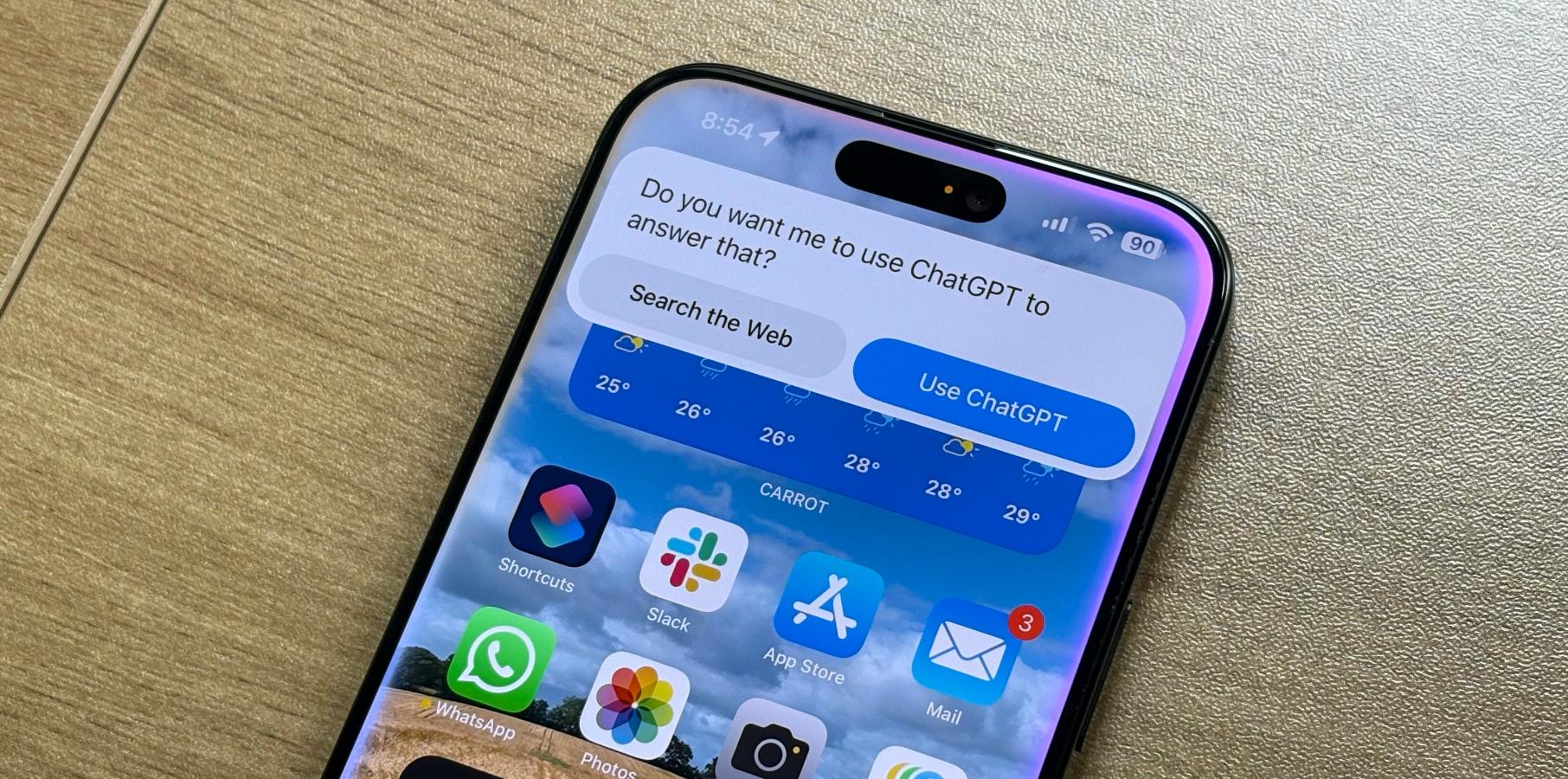
  • Integration with other LLMs: Currently, Apple only offers support for ChatGPT integration with Writing Tools. In the future, the mobile platform is expected to work with other LLMs, such as Google’s Gemini and more.
  • New emoji: Apple usually releases new emojis a few months after its main iOS release. If the company follows the trend, iOS 18.4 could bring new emojis. These are the possible new additions.
  • Robot vacuum cleaners will be compatible with the Home app, so they can participate in automation and scenes and can be activated by a user’s voice using Siri.

iOS 18.1 Apple Intelligence on iPhone 15 Pro all-new Siri designiOS 18.1 Apple Intelligence on iPhone 15 Pro: The all-new Siri design Image source: José Adorno for BGR


While the robot vacuum cleaners feature will likely be released early in 2025 with iOS 18.3, all of these new features will likely be part of iOS 18.4 in the spring.

That being said, it’s possible that most of the Apple Intelligence features related to Siri could be delayed to iOS 19 and beyond. In a previous newsletter, Bloomberg‘s Mark Gurman wrote:

Tech. Entertainment. Science. Your inbox.

Sign up for the most interesting tech & entertainment news out there.

By signing up, I agree to the Terms of Use and have reviewed the Privacy Notice.

These upcoming upgrades will make Siri easier to use on a day-to-day basis, but it’s not the brain transplant that the service really needs. Siri is still based on an outdated infrastructure — AI models that have been overtaken by the technology used by ChatGPT and Google’s Gemini. Siri hasn’t yet been rebuilt for the generative AI age, even if Apple is trying to create the impression that it has.

Wrap up

iOS 18 still has several delayed features that might take a long time to become available. Below, you can learn more about what features iOS 18.2 will bring.

Source