Posted on

iPadOS 18.4 RC now available with these features

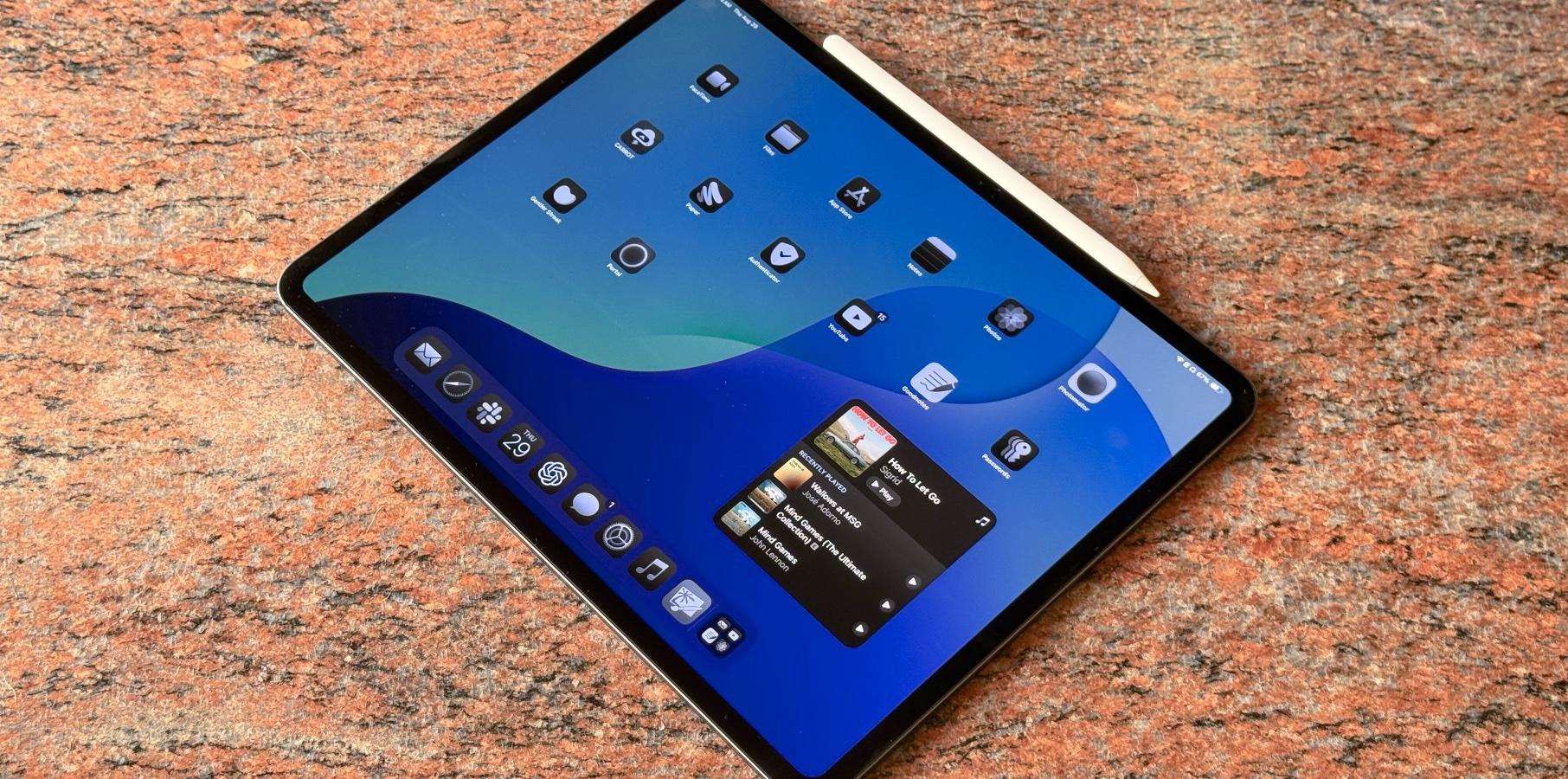
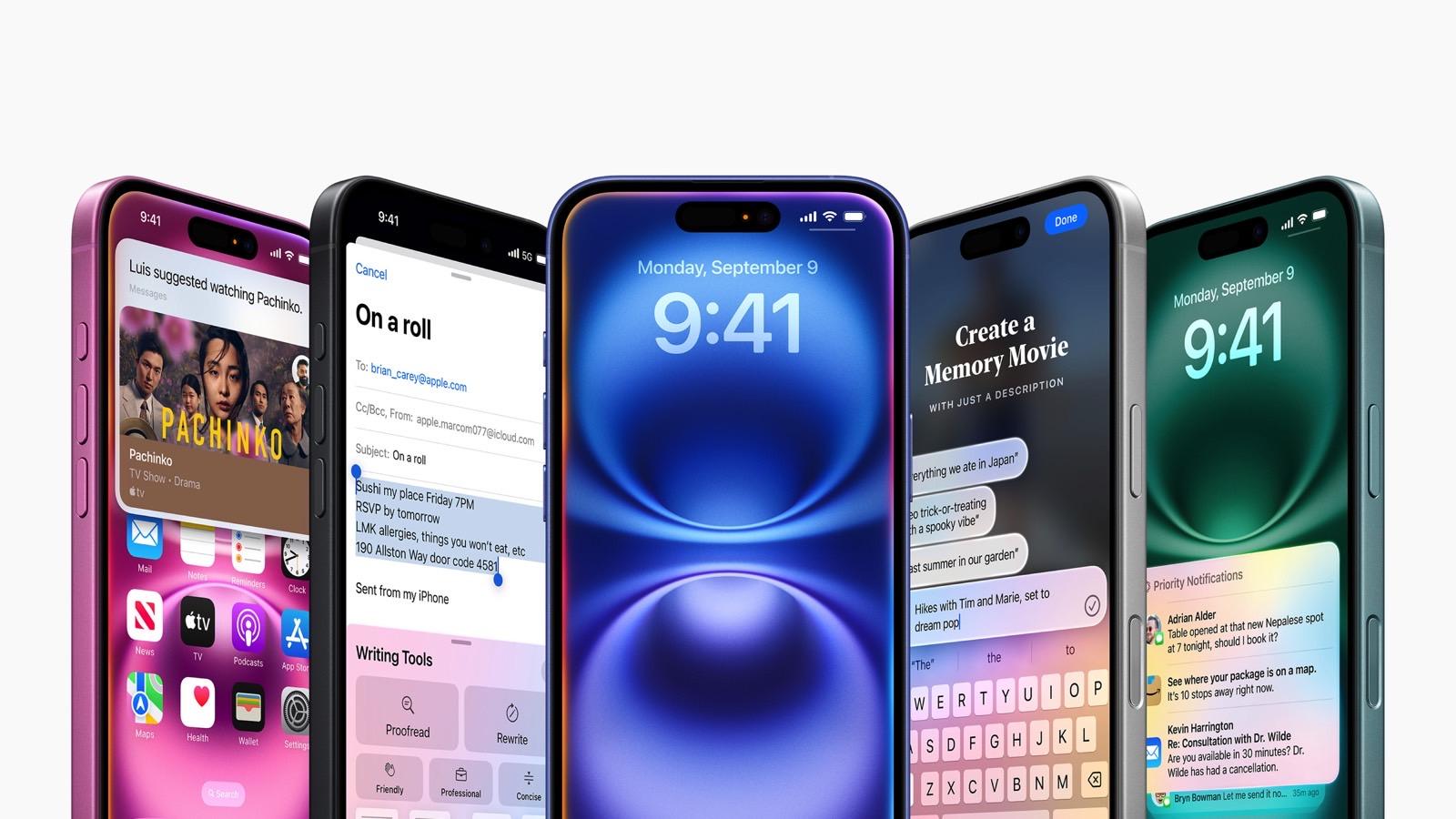
Apple nears the end of the iPadOS 18.4 testing with its RC version. After a mild iPadOS 18.3 update, Cupertino has much more to unveil for the company’s tablets. Here’s everything new with this upcoming software update, including new Apple Intelligence features.

The most important update coming with iPadOS 18.4 is the all-new Mail experience. This is what you can expect:

  • All-new Mail experience: After adding this new Mail to iOS 18.2, Apple is introducing new ways for users to manage their inboxes. On-device categorization organizes and sorts incoming emails into Primary for personal and time-sensitive emails, Transactions for confirmations and receipts, Updates for news and social notifications, and Promotions for marketing emails and coupons. Mail also features a new digest view that pulls together all of the relevant emails from a business, allowing users to quickly scan for what’s important at the moment.
  • New Apple Intelligence languages: Apple adds Chinese, French, German, Italian, Brazilian Portuguese, Spanish, Japanese, Korean, and localized English for Singapore and India.
  • Image Playground: The long-awaited Sketch style is now available alongside the Animation and Illustration options.
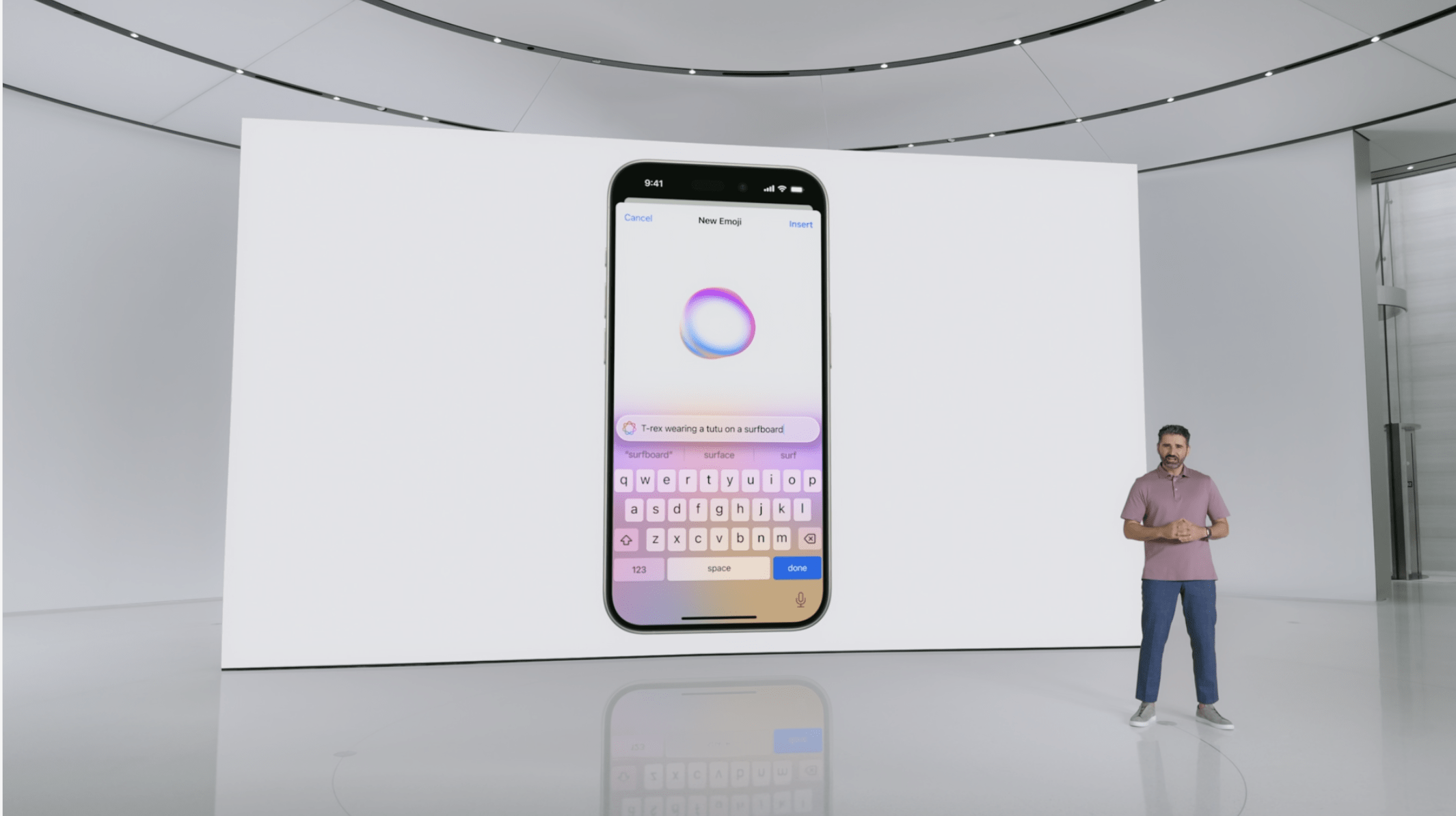
  • Genmoji: Apple tweaked the Genmoji icon on the keyboard, as it now reads “Genmoji.”

In addition to these Apple Intelligence features, iPadOS 18.4 RC adds the following functions and tweaks:

  • Apple News+ Food: This update will bring a new Food section to Apple News. Subscribers can access recipes, tips for healthy eating, restaurants, and more.
  • Ambient music: iPadOS 18.4 adds new Control Center toggles for Ambient Music, including Chill, Productivity, Sleep, and Wellbeing.
  • Apple Maps change: You can now set a Preferred Language to get directions instead of the one you use on your iPad.
  • New emoji: Apple finally added the seven emojis teased by the Unicode Consortium last year. Still, they’re not as fun as you’d expect.

Alongside this new build, Apple seeded the release candidate versions of iOS 18.4, macOS 15.4, watchOS 11.4, tvOS 18.4, and visionOS 2.4. We’ll let you know if we find anything new with it.

Tech. Entertainment. Science. Your inbox.

Sign up for the most interesting tech & entertainment news out there.

By signing up, I agree to the Terms of Use and have reviewed the Privacy Notice.

Source

Posted on

macOS 15.4 RC now available with four major features

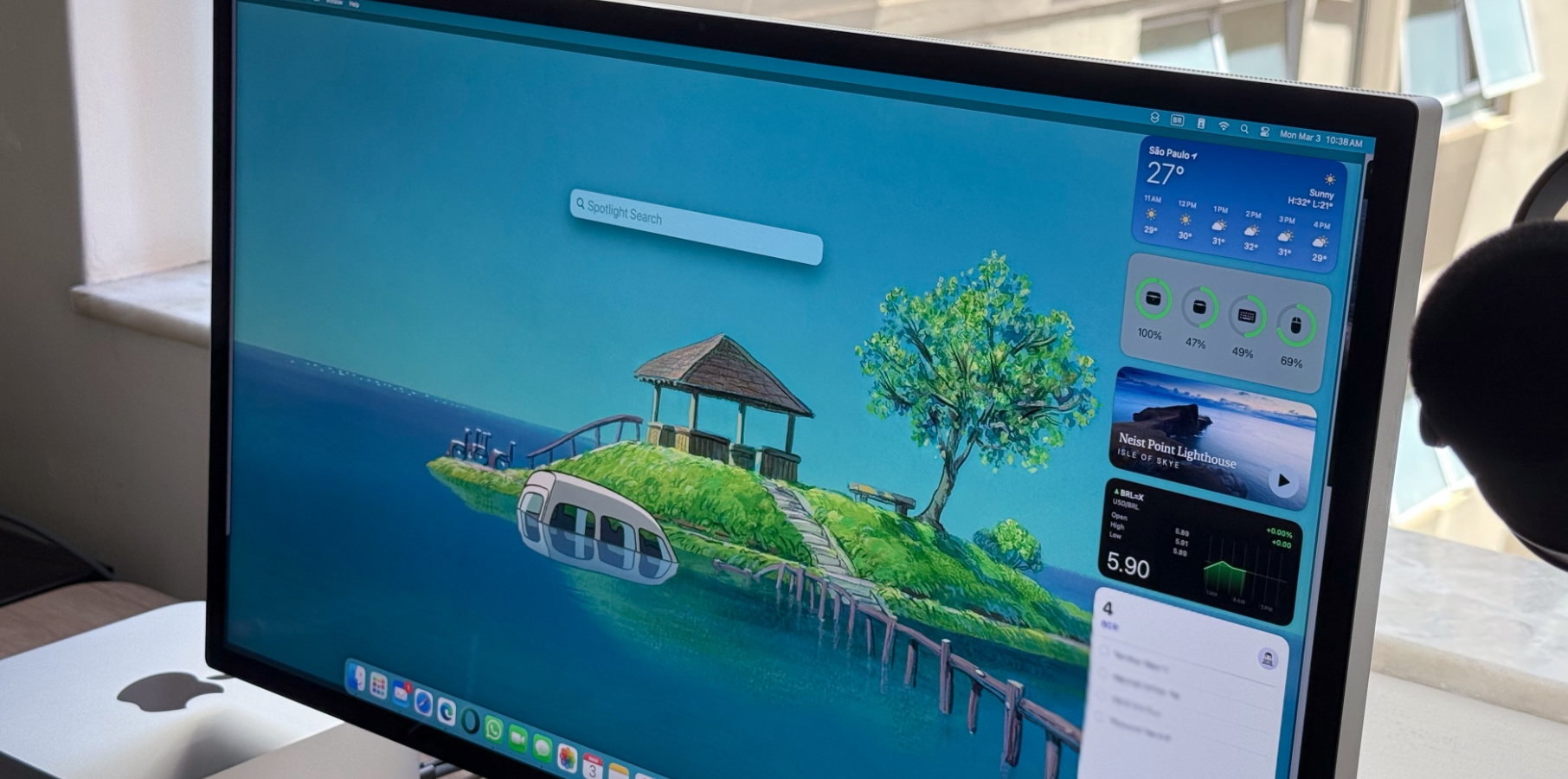
Apple nears the end of macOS 15.4 beta testing with its RC build for developers. This version brings Apple Intelligence improvements and is a bit more feature-packed than the previous macOS 15.3 update. Here’s everything we know so far about macOS Sequoia’s latest update.

There are two main Apple Intelligence features landing on macOS 15.4 that are currently in beta testing:

  • All-new Mail experience: Mail is introducing new ways for users to manage their inboxes. On-device categorization organizes and sorts incoming emails into Primary for personal and time-sensitive emails, Transactions for confirmations and receipts, Updates for news and social notifications, and Promotions for marketing emails and coupons. Mail also features a new digest view that pulls together all of the relevant emails from a business, allowing users to quickly scan for what’s important at the moment.
  • New Apple Intelligence languages: Apple is adding Chinese, French, German, Italian, Brazilian Portuguese, Spanish, Japanese, Korean, and localized English for Singapore and India to Apple Intelligence.

In addition to these changes, Apple just added seven new emojis to the macOS 15.4 RC. The Unicode Consortium introduced these figures last May in beta. So far, the new emojis expected for iOS 18 include a face with bags under the eyes, a fingerprint, a leafless tree, a root vegetable, a harp, a shovel, and splatter.

Still, if you don’t care that much about emojis anymore, Apple now lets you create your own with Genmoji. With macOS 15.4 RC, Apple tweaked the Genmoji button on the keyboard so it’s more easily discoverable, even though they’re only considered emojis on Apple’s platforms.

Tech. Entertainment. Science. Your inbox.

Sign up for the most interesting tech & entertainment news out there.

By signing up, I agree to the Terms of Use and have reviewed the Privacy Notice.

Finally, the company announced that lossless support is coming to AirPods Max with macOS 15.4. Still, it’s unclear if Mac users can try this feature today.

Alongside macOS 15.4 RC, Apple has also seeded the release candidate versions of iOS 18.4, iPadOS 18.4, tvOS 18.4, visionOS 2.4, and watchOS 11.4. BGR will let you know if we discover anything new on these upcoming software updates.

Source

Posted on

visionOS 2.4 RC brings these Apple Intelligence features and more

After a mild visionOS 2.3 update, Apple is nearing the end of visionOS 2.4 beta testing with its RC. This upcoming software update, among other new features, readies support for Apple Intelligence.

Apple Intelligence has been available on iPhone, iPad, and Mac devices with A17 Pro or M chipsets for a few months. Now, it’s making its way to Apple Vision Pro, which is more than capable of running Apple Intelligence capabilities with the M2 chip and 16GB of RAM.

These are some of the features available with visionOS 2.4 RC:

  • Writing Tools: Users can rewrite, proofread, and summarize text nearly everywhere they write, including Mail, Notes, Pages, and third-party apps;
  • Image Playground: Users can create playful images in seconds, choosing from Animation, Illustration, or Sketch. This app is built right into apps like Messages and is also available in a dedicated app;
  • Memories in Photos: Users can create stories they want to see just by typing a description. Apple Intelligence will pick out the best photos and videos based on the description, craft a storyline with chapters based on themes identified from the photos, and arrange them into a movie with its own narrative arc;
  • Clean Up tool: This Photos app feature can identify and remove distracting objects in the background of a photo without accidentally altering the subject;
  • Siri: Users type to Siri and switch between text and voice to communicate with Siri in whatever way feels right for the moment.
  • ChatGPT integration: When you feel Apple Intelligence isn’t enough, you can allow ChatGPT to access Writing Tools and other features for a better response.

Even though better Apple Intelligence capabilities have been delayed, including the long-awaited personalized Siri, it’s nice to have the platform finally available on Apple Vision Pro, ahead of its rumored packed visionOS 3 update.

Tech. Entertainment. Science. Your inbox.

Sign up for the most interesting tech & entertainment news out there.

By signing up, I agree to the Terms of Use and have reviewed the Privacy Notice.

In addition to Apple Intelligence, visionOS 2.4 RC introduces Spatial Gallery, an app that features spatial photos, videos, and panoramas curated by Apple for Vision Pro. There’s also a new Apple Vision Pro for iPhone that users can take advantage of to queue apps and games to download, discover new content, and more. Guest User has also been revamped so Apple Vision Pro owners can customize everything from their iPhone or iPad.

Alongside visionOS 2.4 RC, Apple is also releasing the release candidate versions of iOS 18.4, iPadOS 18.4, macOS 15.4, watchOS 11.4, and tvOS 18.4. We’ll let you know if we find anything new with them.

Source

Posted on

tvOS 18.4 and watchOS 11.4 RC available with new emojis

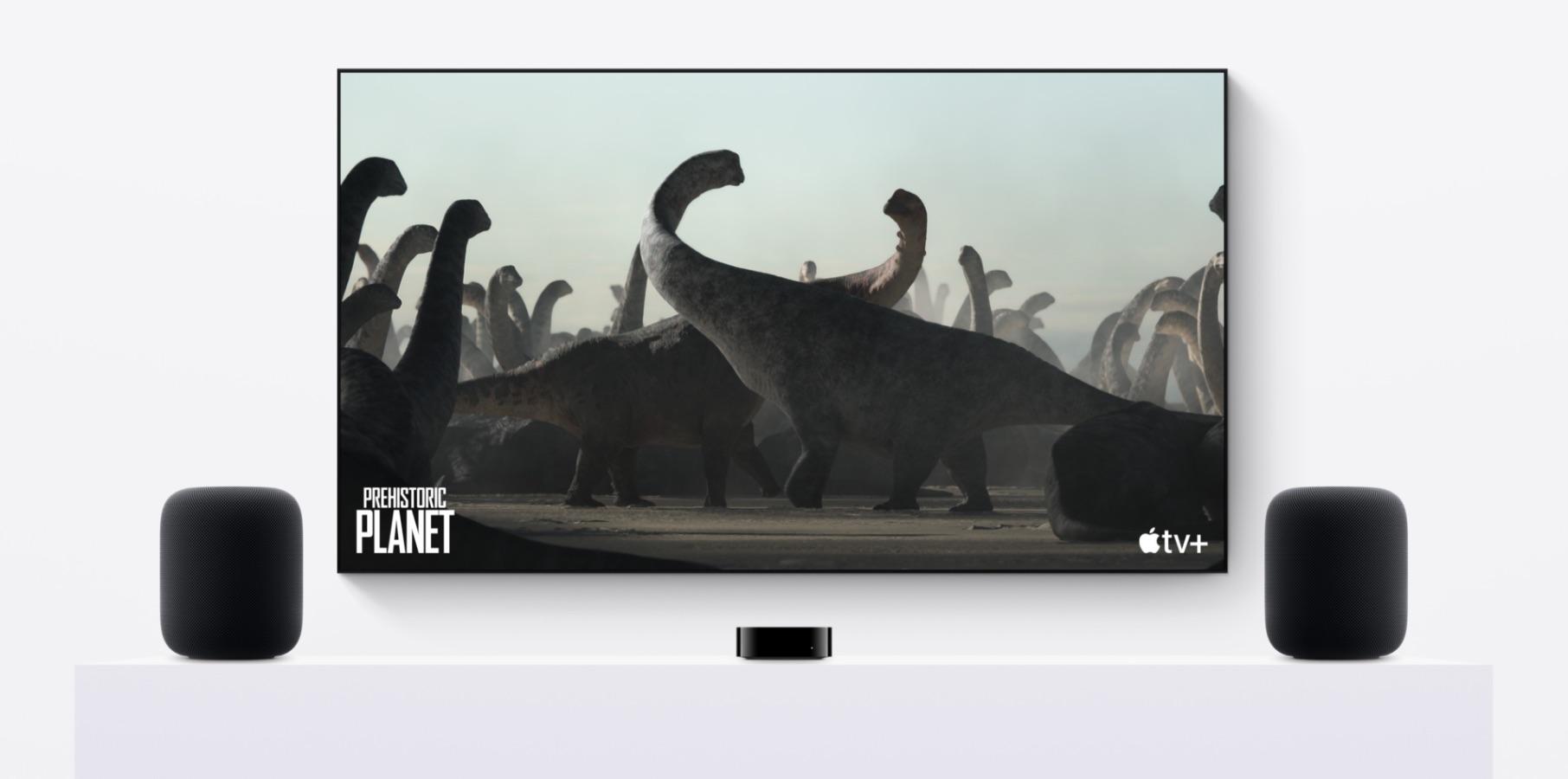
Apple is nearing the end of its upcoming operating systems beta testing, including watchOS 11.4 and tvOS 18.4. At this moment, only one main feature—seven new emojis—has been confirmed for watchOS 11.4 RC. Besides that, we expect a few tweaks for Apple Watch and Apple TV users with tvOS 18.4 RC.

As mentioned above, watchOS 11.4 RC added new emojis. Back in May, Unicode previewed seven new emojis, including a face with bags under the eyes, a fingerprint, a leafless tree, a root vegetable, a harp, a shovel, and splatter.

With watchOS 10.4, Apple added the following figures: Mushroom, phoenix, lime, broken chain, and shaking heads. In addition, 18 people and body emojis were added, with the option to face them in either direction. With that update, Apple also added Siri improvements, which we could see again. Since Apple Intelligence is unavailable for Apple Watch users, it shouldn’t stop the company from improving its personal assistant on the watch.

For tvOS 18.4, there are two main features we are still waiting for:

Tech. Entertainment. Science. Your inbox.

Sign up for the most interesting tech & entertainment news out there.

By signing up, I agree to the Terms of Use and have reviewed the Privacy Notice.

  • New screensavers: Besides Snoopy screensavers, Apple promised another option for its Shows and Movies. During tvOS 18.2 beta testing, MacRumors found references to two other screensavers, but they have been removed on the following tvOS 18.3 beta; it’s unclear if Apple will bring new screensavers or if it’s already saving them for tvOS 19;
  • Robot vacuum support: While it was rumored to arrive later last year, Apple postponed this feature. It’s possible that tvOS 18.4 finally adds it.

Besides those features, watchOS 11.4 and tvOS 18.4 RC seem light on features. We also don’t know any rumors about the company’s focus on watchOS 12 and tvOS 19, even though there are reports that Apple plans to revamp its smart home offering with an Amazon Echo Show-like device, a doorbell ring with Face ID, and more.

Alongside watchOS 11.4 and tvOS 18.4 rc, Apple also seeded the release candidate versions of iOS 18.4, iPadOS 18.4, macOS 15.4, and visionOS 2.4.

Source

Posted on

iPhone, iPad update fixes critical WebKit flaw

Apple has released updated versions of its iOS and iPadOS mobile operating system (OS) that address a potentially dangerous vulnerability that appears to have been exploited in the wild.

The two releases, iOS 18.3.2 and iPadOS 18.3.2, are available for iPhone XS and later, iPad Pro 13-inch, iPad Pro 12.9-inch 3rd generation and later, iPad Pro 11-inch 1st generation and later, iPad Air 3rd generation and later, iPad 7th generation and later, and iPad mini 5th generation and later.

Collectively, the update addresses a single vulnerability tracked as CVE-2025-24201. Apple customarily releases very sparse details of the vulnerabilities it addresses to avoid giving too much away to threat actors, and the flaw in question is no exception.

Apple revealed that the flaw is an out-of-bounds write issue affecting the WebKit open source web browser engine that powers Safari, Mail, App Store and many other Apple and Linux ecosystem applications.

Cupertino said: “Maliciously crafted web content may be able to break out of Web Content sandbox. This is a supplementary fix for an attack that was blocked in iOS 17.2.”

Version 17.2 of the two OSes dates back just over a year to December 2023, and besides security fixes brought a large number of new features to Apple’s mobile estate, including the launch of a diary feature called Journal, and enhancements to its Weather app, among other things.

Nation-state adversary?

In its update notes, Apple indicated that it took steps to address the issue after it became aware of exploitation of CVE-2025-24201 in the wild. The firm said: “Apple is aware of a report that this issue may have been exploited in an extremely sophisticated attack against specific targeted individuals on versions of iOS before iOS 17.2.”

The fact that this attack is being described as sophisticated and targeted likely indicates that the vulnerability was used by a nation-state threat actor, possibly against individuals of interest to the intelligence services in that country. To Western ears, this could indicate exploitation by actors linked to China, Iran, North Korea or Russia.

However, given Apple mobile devices are so widely used, other countries and even private companies are known to seek out and leverage vulnerabilities in its device estate for similar purposes.

Notably, disgraced Israeli spyware manufacturer NSO Group – the organisation behind the Pegasus malware that was famously used by the Saudi Arabian regime against murdered journalist Jamal Khashoggi – exploited multiple Apple vulnerabilities in the service of its mercenary activities.

Even though this might indicate the risk to everyday members of the public might be limited, Sylvain Cortes, vice-president of strategy at Hackuity, told Computer Weekly that all users should take steps to protect themselves.

“The flaw poses a significant risk to users of older versions of the operating system, particularly those released before iOS 17.2,” said Cortes. “We highly encourage users to update their devices to iOS 18.3.2 as soon as possible to maintain the security and privacy of their data.”

Besides the fix, the update also brings new customisation options for Apple users, a redesigned Photos application, “new ways to express yourself” in Messages, a hiking feature in Maps, and updates to Wallet.

Source

Posted on

How the foldable iPhone’s unusual design could support Face ID

A report from Ming-Chi Kuo said a few weeks ago that Apple’s first foldable iPhone will be an iPhone Fold-type device that resembles Samsung’s. The handset will be ultra-thin, which is one reason why Apple will have to abandon Face ID and bring back Touch ID.

The fingerprint sensor would be embedded in a side button similar to the iPad and other foldable phones from competitors, including Fold and Flip models.

I said at the time that the lack of Face ID might be a dealbreaker for me, as the 3D face recognition system plays a huge role in my iPhone experience. Face ID does more for me than just unlocking the phone. I use Face ID in every app that supports it, and thanks to iOS, I can also add Face ID support to any app.

Of course, all of that can happen with Touch ID. I just happen to prefer Face ID over Touch ID and would always choose face recognition over fingerprints.

Tech. Entertainment. Science. Your inbox.

Sign up for the most interesting tech & entertainment news out there.

By signing up, I agree to the Terms of Use and have reviewed the Privacy Notice.

But what if Apple’s unusual design for the foldable iPhone will actually help it bring Face ID to the handset? I’ve had this idea thanks to an unexpected foldable that launched last week, a device with a quirky design that I think heralds the iPhone Fold design.

What’s unusual about the foldable iPhone’s design?

Leaks that predate Kuo’s claims about the foldable iPhone’s revival of Touch ID say the phone will have an unexpected aspect ratio for a Fold-type foldable. The phone will not be as tall as Samsung’s Fold. Also, it should be wider when folded. The result is an unfolded device that looks more like an iPad mini 7.

I already used ChatGPT to determine the dimensions of a foldable iPhone based on screen size leaks, and it all makes sense.

But considering the thickness factor in Kuo’s report, Face ID might not happen. I explained recently why the iPhone 17 Air’s horizontal camera bar needs to happen. It might be related to Face ID components, which could be thicker than the phone.

If the foldable iPhone is even thinner than the iPhone 17 Air, it won’t have room for Face ID. 

Also, there’s another problem. Where do you put the Face ID sensor? On the cover screen or on the inside? The cover screen lets you unlock the device and the apps you use on that display. But you’re likelier to use apps that benefit from Face ID protection on the larger foldable screen.

Meet the Huawei Pura X

Huawei Pura X folded and unfolded.Huawei Pura X folded and unfolded. Image source: Huawei

Last week, Huawei unveiled the Pura X, a device unlike any other foldable. If anything, the Pura X (seen above) teases the iPhone Fold design.

The Pura X folds into a phone about as big as a clamshell foldable. Think Samsung’s Galaxy Z Flip 6. But when it unfolds, you get a tablet experience similar to the Galaxy Z Fold. That’s because this Flip-type device is wider than others. Put differently, You can look at the Pura X as a Fold-type device much shorter than the Galaxy Z Fold.

How does this design help Apple put Face ID on the foldable iPhone? Check out the horizontal camera bar of the Pura X. That’s the phone’s main camera system, which sits on top of the cover screen when the phone is folded, acting as a more advanced selfie camera system than your usual selfie cam.

Unfold the Pura X, and that camera system can be used both vertically and horizontally, depending on how you hold the foldable.

What interests me here is the Pura X’s main camera system always pointing at your face when you take the phone out to use it. If the iPhone Fold has a similar design, it could have an identical main camera placement.

There’s precedent in other foldables

I’m speculating here, but I think Apple could integrate Face ID components into the camera modules that are usually reserved for the back of the iPhone. With an iPhone Fold similar to the Pura X, that camera module would actually sit on the front. As ugly as that protrusion might be on the Pura X, a similar main camera placement would give the foldable iPhone Face ID support.

All of this is speculation at this point, yes. Also, I’d still have a Face ID problem that needs fixing. Unfold the Pura X, and you get a foldable phone with a hole-punch camera at the top. If that’s how the foldable iPhone looks, you can’t also place Face ID at the top of the foldable iPhone.

Therefore, unlocking apps with the screen unfolded remains a problem. 

Back to Samsung’s Galaxy Z Flip 6, I’ll tell you that the phone does support face recognition. The system works both with the hole-punch camera and the main camera lens placed atop the cover screen. I’ve used Samsung’s face unlock tech, and it works, even if it’s not as sophisticated as Apple’s.

Galaxy Z Fiip 6's camera supports face recognition scans.Galaxy Z Fiip 6’s camera supports face recognition scans. Image source: Chris Smith, BGR

What I’m getting at is that Apple could get Face ID working on the cover screen by turning the main camera module into a Face ID sensor. When the iPhone is unfolded, Apple could use 2D face unlock for non-sensitive apps or switch to Touch ID.

It all sounds complicated, yes. Using only Touch ID to unlock everything on your phone would be less trouble for users. But I still hope that Face ID will be available on foldable iPhones. Eventually, Face ID components will shrink, and foldable iPhones will support Face ID. But I’d want the tech in a first-gen device as well.

That said, the Pura X doesn’t support 3D face unlock. The Huawei foldable has a side-mounted fingerprint sensor instead.

Rumors say the iPhone Fold will not feature Face ID, but the foldable’s unusual design might make it possible.

Source

Posted on

Forget Apple Intelligence, Siri doesn’t even know what month it is

It’s not Apple’s finest hour, as the company is going through one of the most humiliating periods of its recent history. Apple had to admit a few days ago that the smarter Siri it advertised as coming this year to iPhone via Apple Intelligence is delayed indefinitely. It’s unclear how long it’ll take for that Siri upgrade to come to iPhone 16 and other supported devices.

The realization that the smarter Siri in Apple Intelligence is just vaporware prompted plenty of backlash from Apple fans unhappy with how Apple handled the delay.

I said at the time that I still want the Siri vision Apple unveiled at WWDC 2024, but I want Apple to be honest about what it can and can’t do. Yes, Apple is well behind ChatGPT and Gemini, considering this massive setback, but it has time to catch up and deliver the product it advertised. Personal AI assistants are the future of computers, and Apple will eventually get there.

Now that we’re used to the idea of Apple Intelligence being a huge letdown, we can go back to using iPhones as if Apple Intelligence doesn’t exist. Without the smart Siri that should have been here, Apple Intelligence is really nothing to write home about. I’ll continue to ignore it, even though it’s finally available in Europe. It offers nothing I need right now.

Tech. Entertainment. Science. Your inbox.

Sign up for the most interesting tech & entertainment news out there.

By signing up, I agree to the Terms of Use and have reviewed the Privacy Notice.

However, it looks like Siri, available outside of Apple Intelligence, is somehow getting dumber. People have noticed the iPhone assistant can’t answer simple questions like “What month is it?” and that’s bad news for Apple.

Siri was the key iPhone 4s feature that Apple unveiled all the way back in 2011. That was nearly 15 years ago. It was extraordinary, teasing the sort of iPhone functionality that seemed taken out of a sci-fi movie. You could issue simple voice commands to the assistant, and Siri would provide assistance.

Since then, competitors have overtaken Siri’s capabilities, with Amazon’s Alexa and Google’s Google Assistant being two good examples, despite Apple improving its own voice assistant.

In 2025, you’d expect Siri to understand your question when you ask it what month it is and answer it. Or, at least, Siri could start a web search for your query, which is what it used to do in the past when it couldn’t quite catch what you asked.

That’s not the case. Siri says it doesn’t understand your question when you ask it what month it is. Apple enthusiast John Gruber, who made waves last week pointing out the deeply misleading Apple Intelligence Siri development and marketing, found a Reddit thread where multiple users posted their experience asking Siri what month it is.

Gruber says he reproduced Siri’s “I’m sorry, I don’t understand” on his iPhone 16 Pro running iOS 18.4 beta 4. I asked Siri the same question on my iPhone 16 Pro Max and got the same bewildering answer.

Truth be told, I have no idea whether Siri ever knew what month it was. I never asked that question because it’s not something I need assistance with. I usually know what month it is. But a phone voice assistant should, at the very least, know what month it is.

I even tried to text Siri the same question and got the same response. Dumb Siri can’t answer a basic question. It does know the date, so that’s something. But it can’t extract the month from there.

One Reddit user tried to ask, “What month is it currently?” and got the answer, “It is 2025.” My Siri didn’t understand this question either.

This is just embarrassing for Apple, especially in light of the Apple Intelligence fiasco. I can’t wait to see how and when Apple will address these matters publicly.

Source

Posted on

Apple slated in CMA mobile browser investigation

The Competition and Markets Authority’s (CMA) final report into the mobile browser market has found innovation is being held back by a lack of competition, which could be limiting growth in the UK.

Margot Daly, chair of the CMA’s independent inquiry group, said: “Following our in-depth investigation, we have concluded that competition between different mobile browsers is not working well, and this is holding back innovation in the UK. I welcome the CMA’s prompt action to open strategic market status investigations into both Apple and Google’s mobile ecosystems. The extensive analysis we’ve set out today will help that work as it progresses.”

The final report highlights Apple’s policy that third-party web browsers need to use its underlying browser engine called WebKit, which, the CMA said, determines what competing mobile browsers can do on iOS.

“Apple’s own mobile browser Safari has or has had greater or earlier access to key functionalities from the operating system and Apple’s WebKit browser engine, compared to competing mobile browsers. This has a negative impact on competition and innovation,” the CMA report stated.

The CMA investigation also found Apple appears to be holding back progressive web apps (PWAs), described in the report as “lower cost and easier for developers to build” since they can run on any operating system and do not need to be listed on an app store. This means Apple is unable to charge a commission for hosting them on its App Store, which it does with iOS apps.

While the CMA considered submissions from Apple, in which it said browsers must use WebKit because allowing alternative browser engines could raise security, privacy and performance risks, the regulator felt these risks could be managed in other ways.

The report also found that alternative browser engines perform similarly to WebKit on security outcomes and that Apple’s current restriction prevents mobile browsers competing and innovating on security and privacy features, for example by implementing security updates more frequently than Apple’s architecture currently allows.

Another issue noted in the report is the inability for iOS apps to offer in-app browsing functionality – something that is possible on Android. Meta told the CMA that in-app browsing could improve user experience, security and performance. While it has developed this functionality on its Android app, Meta told the CMA that it cannot develop these features on iOS currently because Apple’s rules require apps to use Apple’s own technology – including its WebKit browser engine.”

Looking at Google’s product design choices, the CMA said Google had made it significantly harder for consumers to drive competition by actively choosing which browser they use.

“Google’s control of the Android operating system means it is able to determine key design decisions such as which products are placed prominently on a user’s screen and which apps are treated as the ‘default’ option. We have seen evidence that this is happening in relation to how browser options are presented when users first get their device, and again later, while they are using it. Google uses factory setting agreements with device manufacturers who use Google’s Android operating system,” the report stated.

Source

Posted on

Apple sued over false advertising claims tied to Apple Intelligence

Apple had to come clean a few days ago and reveal that the smart Siri features it demoed at WWDC 2024 would not be available via Apple Intelligence this year. They might hit the iPhone, iPad, and Mac next year. Apple also withdrew that ad featuring Bella Ramsay that advertised the smart Siri features in Apple Intelligence ahead of the iPhone 16 launch.

We all realized the smart Siri Apple envisioned is practically vaporware, a rare event for Apple. The company essentially announced an advanced AI concept at WWDC 2024 that it could not deliver. Apple insiders like John Gruber drew scathing reviews of Apple’s behavior related to Siri, further reinforcing the idea the AI assistant was vaporware.

Since then, we heard of Apple internal meetings over Apple Intelligence, including a purported exec reshuffling that Apple is yet to announce.

Apple didn’t fire anyone over the Siri fiasco, but the company reportedly appointed the Vision Pro boss Mike Rockwell to lead the Siri efforts. Like I said before, I still expect that smart Siri version to be available in Apple Intelligence on iPhone, no matter how long it takes. Apple seems determined to deliver it, too.

Tech. Entertainment. Science. Your inbox.

Sign up for the most interesting tech & entertainment news out there.

By signing up, I agree to the Terms of Use and have reviewed the Privacy Notice.

However, when Apple had to acknowledge the delay of smart Siri, it was clear that lawsuits would follow, particularly after Apple pulled that ad. That first lawsuit is already here, alleging Apple engaged in false advertising to sell the iPhone 16 series.

According to Axios, the Clarkson Law Firm filed the federal lawsuit on Wednesday in U.S. District Court in San Jose. The suit seeks class-action status, asking for unspecified damages for those who bought Apple Intelligence-ready iPhones and other hardware.

The lawsuit has just been filed, and it’ll take some time to settle, but this potential class action already looks like it will cost Apple. After all, Apple received plenty of criticism in the weeks following the iPhone 16 launch for advertising Apple Intelligence features for the new phones that would not be there when buyers received their units.

Apple Intelligence features would roll out in phases, starting with iOS 18.1. The world accepted this outcome, trusting Apple would ship the promised software features. There was no precedent suggesting Apple might run into issues.

That’s what the lawyers point out right from the start.

“Apple’s advertisements saturated the internet, television, and other airwaves to cultivate a clear and reasonable consumer expectation that these transformative features would be available upon the iPhone’s release,” the suit writes.

“This drove unprecedented excitement in the market, even for Apple, as the company knew it would, and as part of Apple’s ongoing effort to convince consumers to upgrade at a premium price and to distinguish itself from competitors deemed to be winning the AI-arms race.”

The lawyers go further, saying that Apple knew the Apple Intelligence features it was demoing were not working.

“But Apple also knew none of it was true. Recently, under mounting pressure from outraged consumers and industry scrutiny, Apple was forced to acknowledge that the heralded Apple Intelligence features, including the Siri enhancements that fueled the greatest consumer excitement, did not exist then and do not exist now,” they say.

As Gruber aptly pointed out a few days ago, Apple clearly knew that the smart Siri features in the WWDC 2024 presentation were not good enough to demo live in front of a large or more limited audience. The absence of the smart Siri feature in the iOS 18.4 beta release further suggested Apple had big problems on its hands.

“Worse, Apple has admitted that if these features ever materialize, it won’t be until 2026—two years after its pervasive marketing campaign built on a lie. 8,” the suit reads. “Against this backdrop, Apple deceived millions of consumers into purchasing new phones they did not need based on features that do not exist, in violation of multiple false advertising and consumer protection laws.”

Unsurprisingly, the lawsuit (available at this link) contains screenshots from the Ramsey commercial and Apple’s website. It also includes claims Apple made about Apple Intelligence and the smart Siri assistant coming to iOS 18.

What happens next? We’ll have to wait a while to see this lawsuit play out. Before we ever get to a settlement, Apple will hold its WWDC 2025 event in a few months, during which it will inevitably have to address the Apple Intelligence mess while unveiling its new software features for the coming year.

Apple will hopefully apologize for the smart Siri delays before WWDC, or at the event. But I can’t blame any iPhone buyer who purchased an iPhone 16 device if they want to join the lawsuit and seek damages from Apple.

Source

Posted on

Latest leaks reveal iPhone Fold may have impressive battery life and an innovative hinge

There are two new leaks regarding the upcoming iPhone Fold, the Galaxy Z Fold-like device Apple is expected to unveil in late 2026 or early 2027. One of them comes from the news aggregator account yeux1122. According to them, Apple is working to improve the display DDI part to make the panel thinner.

Still, yeux1122 says that even though Apple wants to make the iPhone Fold as thin as possible, the company will also make sure to add the best battery available to its device, as it’s working on power-efficiency-related features. We can also assume that some of these functions could include a new C1 chip, Apple’s 5G modem, and the company’s own Wi-Fi chip, which is expected to be available with this year’s iPhone 17 lineup.

With these new processors, Apple will likely improve battery life, as It will have better control over both hardware and software. Analyst Ming-Chi Kuo also brings the latest leak on the iPhone Fold.

According to his industry research, Apple will use liquid metal in the hinges of this upcoming device. He writes: “Apple is focused on improving durability, enhancing screen flatness, and minimizing crease marks in its foldable iPhone design. To achieve these goals, key components like the hinges will be crafted from liquid metal using a die-casting process.”

Tech. Entertainment. Science. Your inbox.

Sign up for the most interesting tech & entertainment news out there.

By signing up, I agree to the Terms of Use and have reviewed the Privacy Notice.

The analyst says Apple has used liquid metal for small components, such as SIM ejector pins, for years. Still, the iPhone Fold will mark the first significant use of the material in a critical mechanical part. Interestingly, Android manufacturers are rumored to start using this technology to improve durability and minimize the crease of the display.

According to the rumors and leaks, Apple wants to deliver an ultra-thin iPhone Fold with great battery life and a creaseless foldable display. If the company can achieve that, it might show the competitors that even though it took a long time to enter the foldable market, it has waited enough to outperform every competitor.

Source