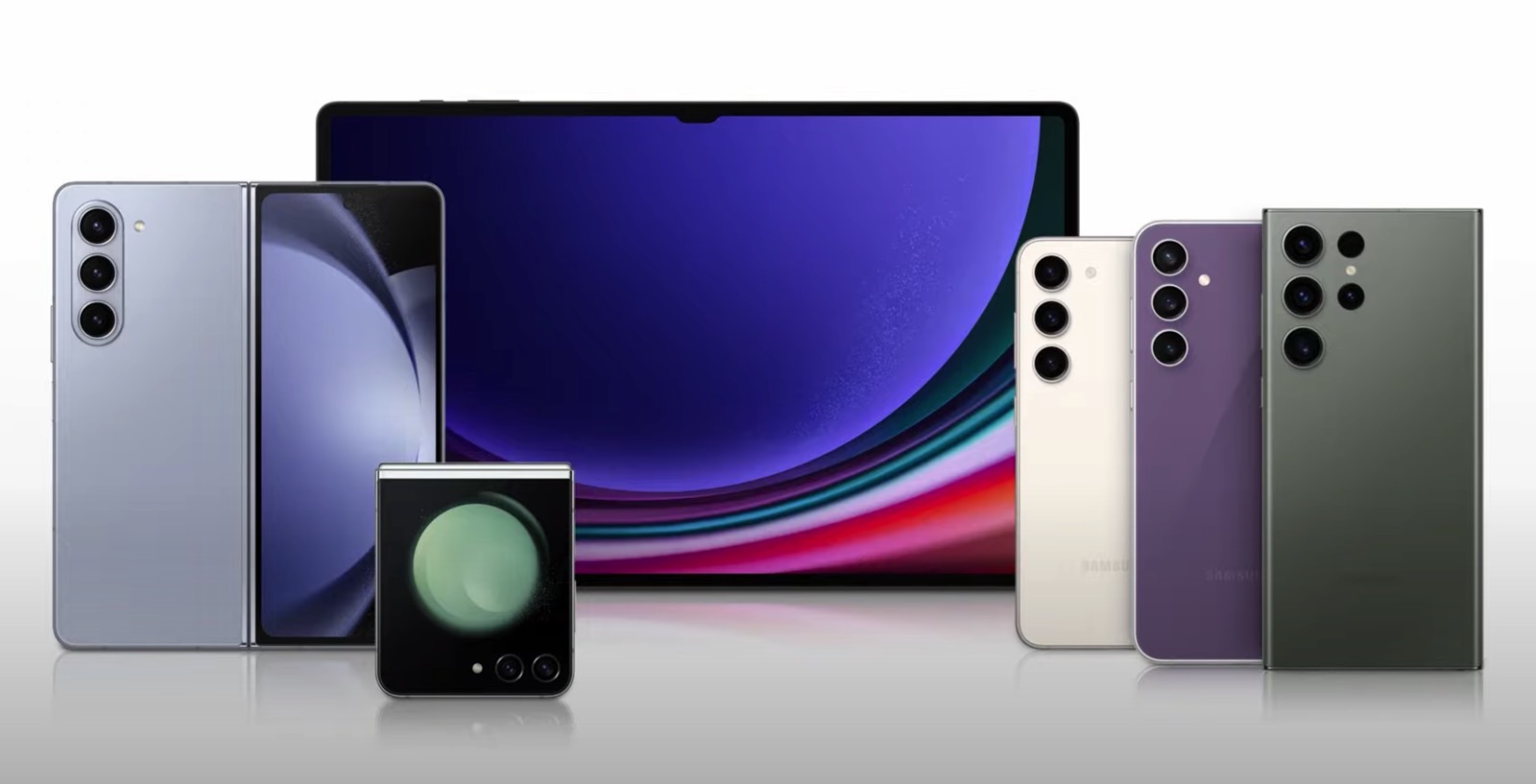
Posted on

iPhone 17 Air could be even slimmer than anticipated

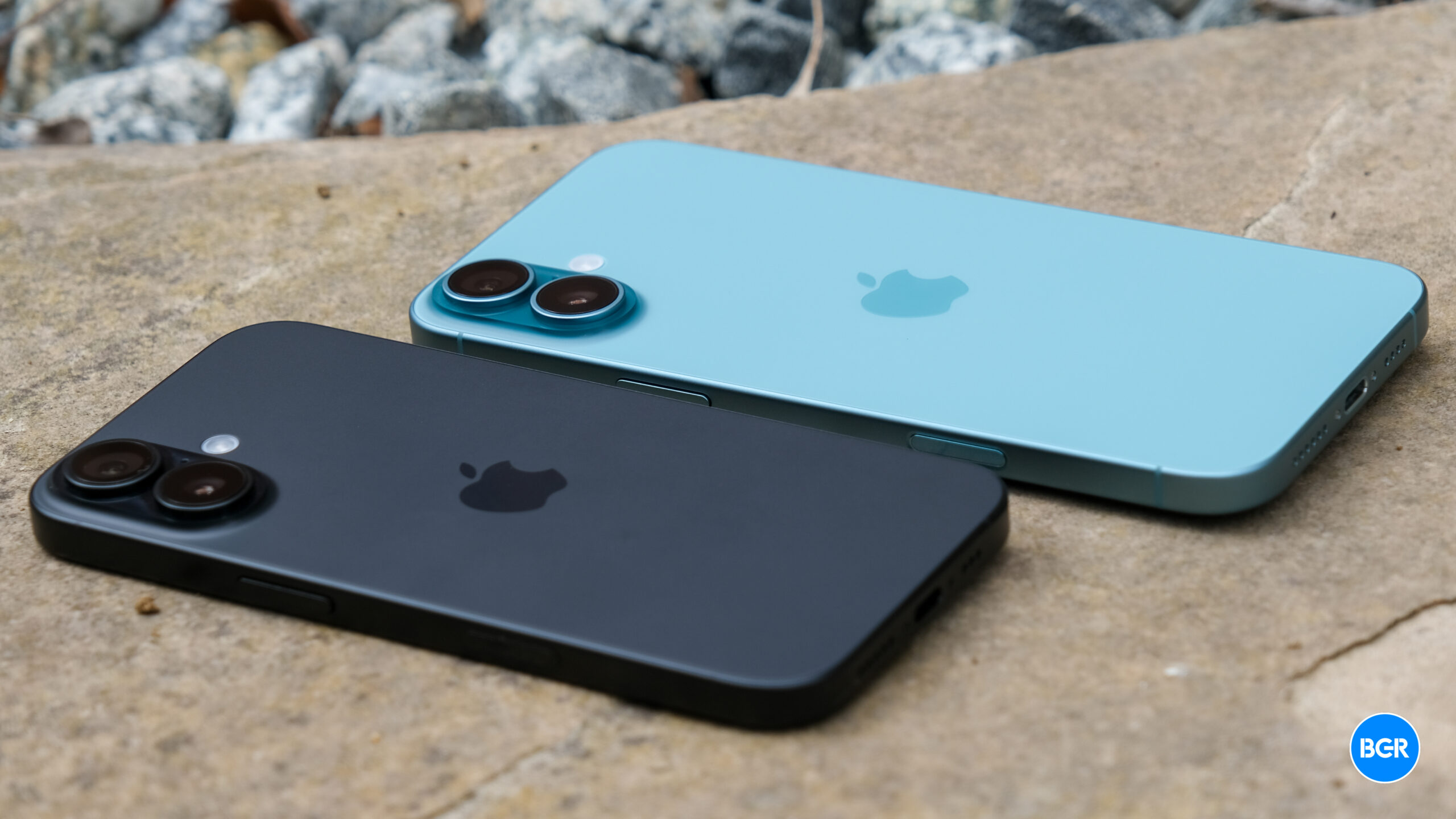
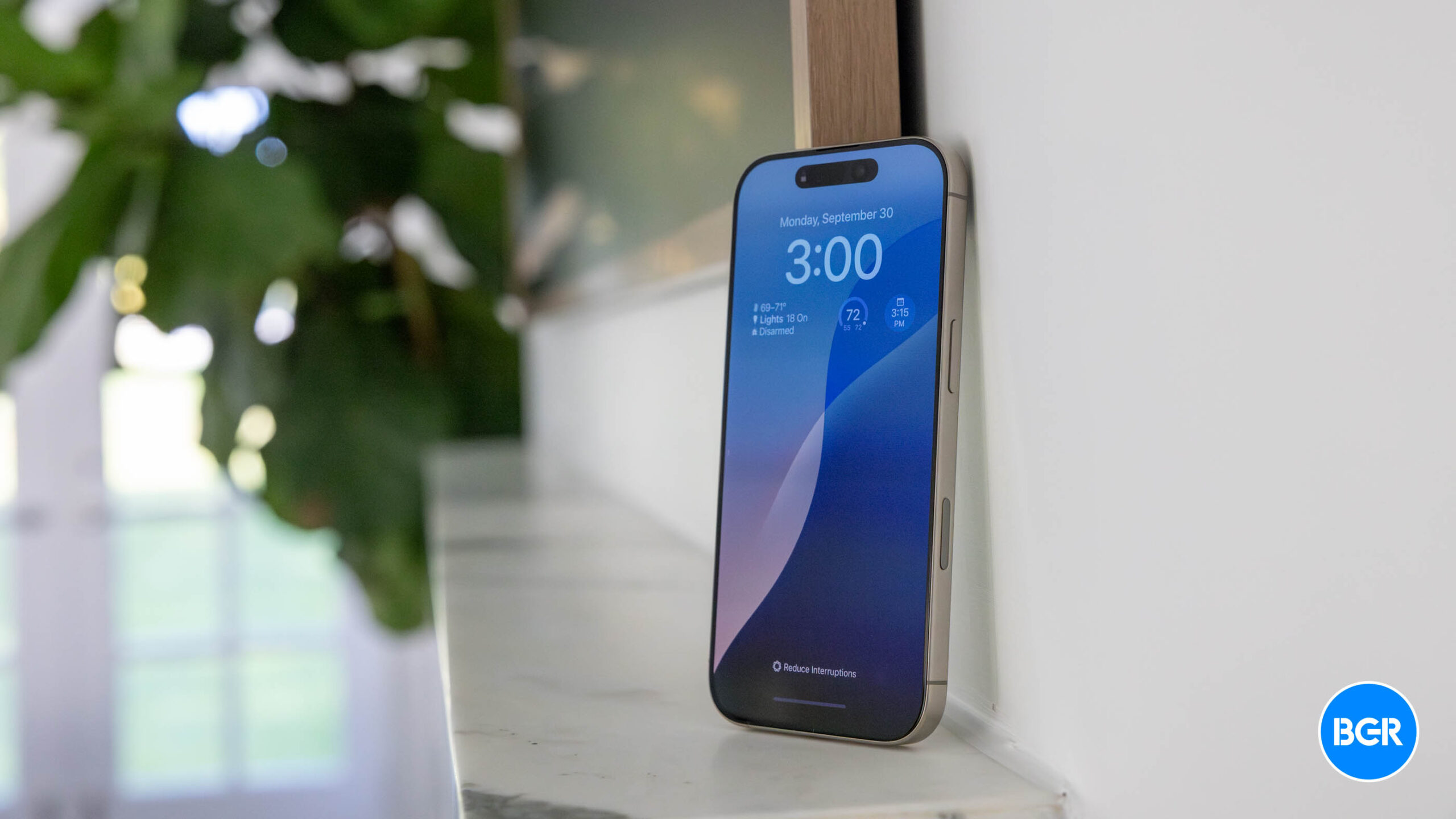
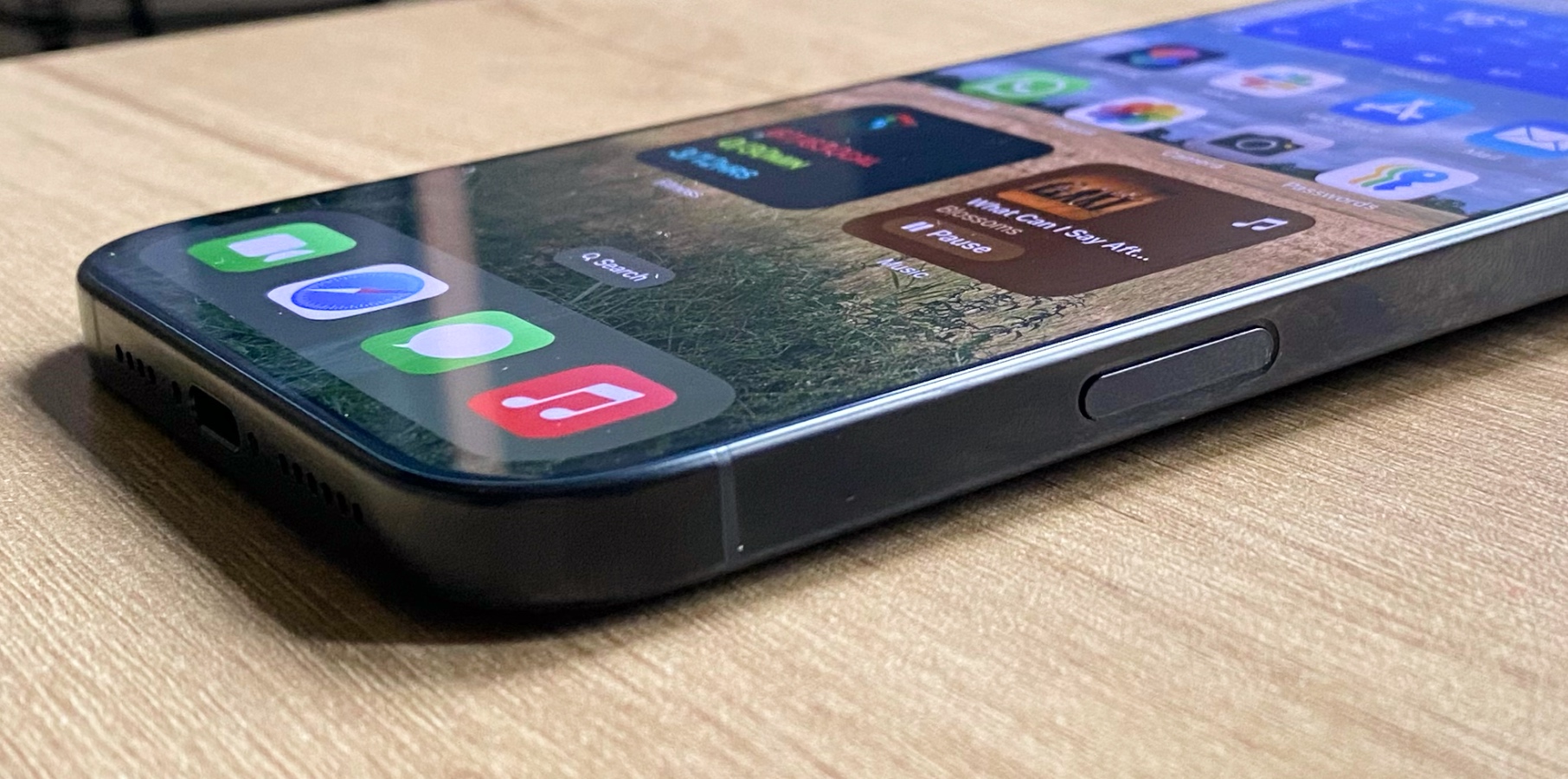
With the iPhone 17 Air expected to replace the Plus model, reports have speculated about one of its key qualities: How thick it will actually be. Just days ago, South Korea’s Sisa Journal said this device would be 6.25mm thick, which would make it the thinnest iPhone ever.

This would make the iPhone 17 Air 20% thinner than the base iPhone 16 models and 25% thinner than the iPhone 16 Pro. However, top insider Ming-Chi Kuo believes Apple could make this device incredibly thin, with the thinnest part being around 5.5mm.

If Cupertino achieves that, this device would be remarkably thin. That being said, the analyst could have been speculating over previously reported information. Other reports suggest that the iPhone 17 Air would be 5mm to 6mm thick.

Still, even if Apple can’t deliver a 5.5mm thick iPhone, it will still be thinner than any other model released so far. In addition to that, Kuo doesn’t believe this iPhone will be responsible for improving Apple’s iPhone sales, even though it’s expected to sell better than the iPhone Plus models.

Tech. Entertainment. Science. Your inbox.

Sign up for the most interesting tech & entertainment news out there.

By signing up, I agree to the Terms of Use and have reviewed the Privacy Notice.

“Although the ultra-thin iPhone 17 may ship in higher volumes than the iPhone Plus, it likely won’t significantly boost iPhone sales overall, partly due to downgraded components paired with a high price and a user experience similar to current models,” says the analyst.

Besides that, the eSIM-only option would make it unavailable in China, one of Apple’s key markets. The Asian country doesn’t offer eSIM-only phones, which could be an issue for Cupertino. Possible shipping momentum challenges and other compromises, such as smaller battery life and a weaker 5G modem, could make users focus on a Pro model instead.

Below, you can learn more about the latest details on the iPhone 17 lineup, including the upcoming iPhone 17 Air.

Source

Posted on

Meta is about to ruin WhatsApp with AI bots no one wants

Of all the generative AI assistants out there, Meta AI must be the most annoying for the simple fact that Meta is shoving it down our throats. No app is safe, from Facebook to Messenger to WhatsApp to Instagram. Meta AI is there whether you want it or not, and there’s no way to deactivate it.

Meanwhile, ChatGPT is entirely optional, not that OpenAI can really force it on anyone. Apple’s Apple Intelligence is also optional; you don’t have to use it even if you have access to it. Then there’s Google Gemini, which is baked into many Google products but doesn’t feel as intrusive as Meta AI. The same goes for Microsoft’s Copilot.

The worst part about Meta AI is that Meta isn’t done ruining its apps with overdoing the AI presence. We’ve just learned of AI profiles coming to Facebook and Instagram, which is extremely annoying. It gets worse; Meta will now give AI bots prime plans inside WhatsApp, a feature that nobody really asked for from the one Meta app that’s actually useful.

WhatsApp is the world’s largest chat app. It works on iPhone and Android and supports end-to-end encryption across platforms. That’s the only reason I’m still using it. That, and the fact that Meta relented on its annoying WhatsApp policy change a few years ago.

Tech. Entertainment. Science. Your inbox.

Sign up for the most interesting tech & entertainment news out there.

By signing up, I agree to the Terms of Use and have reviewed the Privacy Notice.

Come to think of it, the only reason WhatsApp is so good and still encrypted, is that the app was built this way well before Meta bought it for a small fortune.

The last thing I want in WhatsApp is support for AI chatbots. Yes, it’s great that you can save a ChatGPT number to chat with the chatbot from WhatsApp, but that’s optional.

Say that Meta feels like it has to put AI bots in WhatsApp to expose more people to Meta AI and potentially make some money in the process. I still hate the idea of WhatsApp getting a dedicated AI menu. That’s wasted screen real estate right there. It’s a feature I’ll never use, and I’m sure others will be equally uninterested.

The new AI bots menu in a WhatsApp beta release for Android.The new AI bots menu in a WhatsApp beta release for Android. Image source: WABetaInfo

Meta is testing the new interface in an Android beta version of WhatsApp. Always reliable WABetaInfo surfaced the image above that shows the new AI tab replacing the Communities tab. That menu, which might actually be useful, is merging with the Chats tab.

The new AI tab will include all sorts of AI chatbots to talk to, including third-party models that can talk to you about specific topics.

I don’t doubt that some WhatsApp users will want to use these services. I say that as a longtime ChatGPT user who chats with OpenAI’s chatbot about all sorts of things daily. But I absolutely hate the idea of any AI product being forced on me the way Meta is doing with Meta AI.

WhatsApp is especially important to me as I use it to talk to many people. It’s not just Android users in my family or friends group that like WhatsApp; plenty of iPhone owners prefer the platform over iMessage. AI isn’t needed. Or if it is, it should be hidden somewhere and accessible on demand.

It might get even worse than that. WABetaInfo found evidence in a different WhatsApp beta version that Meta wants to let users create custom AI chatbots right inside the app. The process might be similar to what’s already available on Instagram.

Support for custom AI bot creation in a WhatsApp beta release for Android.Support for custom AI bot creation in a WhatsApp beta release for Android. Image source: WABetaInfo

The feature resembles the custom chatbots available in ChatGPT and Gemini, so it’s not entirely surprising. But, again, it’s not something I want to clutter a key app like WhatsApp.

I don’t see any value in adding AI bots to WhatsApp or supporting the creation of custom ones.

Remember that if left unchecked, some custom AI chatbots might be harmful, especially when certain types of users are exposed to them. And it’s not like Meta is improving its content moderation policies, so we have no idea how it’ll police this universe of AIs it’s bringing to apps like WhatsApp and Instagram.

I can only hope that Meta will not bring these features out of beta, but that’s just wishful thinking. If anything, I take some solace in knowing that it’ll take longer for Meta to deploy the AI changes to WhatsApp in Europe.

Source

Posted on

Apple leaker reveals marquee features for several future iPhone models

The iPhone 17 will be the most important product Apple ships in 2025, and we already have a few exciting rumors about the series. First, the iPhone 17 Air will be Apple’s thinnest iPhone in years. The base iPhone 17 variants will get a 120Hz display, and the iPhone 17 Pro Max will get a smaller Face ID Dynamic Island. That is if all the current rumors come true.

But Apple is also working on iPhone innovations for future generations. A leaker from Asia claims that Apple’s current parts suppliers are already developing components that might serve future iPhone generations. The insider mentioned a foldable display and Face ID components that might help Apple reduce the 3D face recognition system’s footprint.

Weibo user Digital Chat Station, who is known for various accurate leaks in the past, posted an update that mentions multiple components for iPhone models that Apple might be working on.

A machine translation of the post tells us Apple’s supply chain is developing a multi-fold periscope lens, a variable aperture main camera, a foldable screen, and a miniaturized ToF (Time of Flight) technology for Face ID.

Tech. Entertainment. Science. Your inbox.

Sign up for the most interesting tech & entertainment news out there.

By signing up, I agree to the Terms of Use and have reviewed the Privacy Notice.

While the leaker doesn’t mention the specific iPhone models these innovations might debut on, this isn’t the first time we’ve seen such claims.

The foldable screen might concern the foldable iPhone Apple is expected to launch in 2026. A main camera with a variable aperture is reportedly in the works for next year’s iPhone 18. Recent reports also said that the main camera would get a lens from Samsung instead of Sony.

The smaller ToF component for the Face ID system might be related to previous rumors that Apple wants to shrink the Dynamic Island and transform it into a circular hole in the coming years. The Face ID components would move under the display, while the selfie camera would still peek through the OLED panel.

The transition to a smaller Dynamic Island might start this year with the iPhone 17 Pro Max. The premium phone should feature metalens optics for the Face ID system inside the Dynmic Island. The pill-shaped cutout will be smaller than the version Apple has used since the iPhone 14 Pros.

The only purported iPhone component in the leaker’s list that is more puzzling is the multi-fold periscope lens. Apple uses a tetraprism zoom lens in the iPhone 15 Pro Max and the 16 Pro models. Apple will likely want to improve the digital zoom experience in future models by using a more complex prism to bend light.

It’s unclear which iPhone model will introduce the next-gen zoom camera. But if parts suppliers are already sending Apple samples for prototype testing, it should happen in the not-too-distant future.

That’s assuming Apple is happy with the components and goes forward with these features. The iPhone maker tests all sorts of ideas for the headset, but not all of them get promoted to commercial products. As for some of the ones that do leak, they can get postponed.

Source

Posted on

Samsung just hallucinated that it will become the global AI leader in 2025

Samsung was the first big smartphone vendor to launch a flagship phone with AI at the core of its marketing efforts. Last year’s Galaxy S24 series introduced the Galaxy AI suite of features. Samsung followed with the Galaxy Z Fold 6 and Flip 6, which got additional AI capabilities. Samsung then extended Galaxy AI support to older flagship devices. And in a few weeks, Samsung will launch the Galaxy S25 series, which should introduce even more Galaxy AI novelties.

But Samsung leadership is hallucinating worse than an AI program ever could about Samsung’s global role in genAI. In a New Year’s address, Samsung Electronics CEO and Vice Chairman Han Jong-hee and DS Division Vice Chairman Jeon Young-hyun addressed Galaxy AI, saying that Samsung should become the undisputed leader of device AI this year.

“Now is the time for bold innovation that goes beyond the existing success methods as we face an inflection point in AI technology,” the execs said, according to a machine-translated Samsung release. “Let’s establish ourselves as a clear device AI leader this year through advanced intelligence.”

The goal of becoming the undisputed AI leader is noble. It’s what you’d expect key execs to say ahead of a busy year when AI will continue to dominate the tech world. It’s also something officials at other leading tech companies could say, considering AI is the main priority right now.

Tech. Entertainment. Science. Your inbox.

Sign up for the most interesting tech & entertainment news out there.

By signing up, I agree to the Terms of Use and have reviewed the Privacy Notice.

But Samsung is nowhere close to being a leader in AI, and I don’t see it happening in 2025 either. The main problem with Samsung’s Galaxy AI approach is that it doesn’t have a meaningful model of its own to power the genAI tech on phones like the Galaxy S24 and S25.

Using Google's Circle to Search AI feature on the Galaxy S24 Ultra.Using Google’s Circle to Search AI feature on the Galaxy S24 Ultra. Image source: Samsung

Galaxy AI is a mix of AI technologies. Google’s Circle to Search is a good example. Also, Galaxy S25 phones are rumored to come with free Google Gemini Advanced, Google’s best version of Gemini AI.

I’ll also point out that Samsung’s upcoming XR devices, Project Moohan and unnamed AR smart glasses, will work on Google’s Android XR platform, with Gemini playing a key role. I expect Galaxy AI to be part of the picture for both types of products because Samsung can’t AI on its own.

Samsung doesn’t have an alternative to ChatGPT or Gemini. If it is working on Bixby upgrades and Gauss upgrades, matching these AI models will take a long time.

Also, Samsung doesn’t have a desktop presence. ChatGPT is my primary AI tool right now, and I use it across devices. Most of the time, I access it on my Mac rather than a mobile phone.

OpenAI and Google have better models. Meta, Claude, and Microsoft also have AI tools that are more advanced than Samsung’s. Apple is working on a Siri LLM that will behave like ChatGPT and has incorporated ChatGPT into Apple Intelligence on the iPhone.

As for on-device AI, Samsung might have been the first to push AI on mobile devices with Galaxy AI, but it’s not the only one. Google is doing it with Pixel phones and Android in general. Apple laid out an even better vision of on-device AI with Apple Intelligence this year, which Samsung doesn’t appear to be able to match.

Samsung's Project Moohan Android XR headset.Samsung’s Project Moohan Android XR headset. Image source: Samsung

Apple Intelligence might be behind Galaxy AI and other rivals, but Apple has something rivals can’t match: a massive base of devices that can use Apple Intelligence, and the list is growing rapidly. Once Apple Intelligence matures, Apple could very well become the undisputed device AI leader.

Speaking of Apple’s AI vision, Samsung has yet to match what Apple wants to do with iPhones. It’s not just about text and notification summaries, text generation, wallpaper generation, photo editing, and translation. It’s about Siri becoming a more useful assistant by accessing on-device contextual information about the user.

Apple has a plan, at least; one that Samsung might follow. Samsung’s Galaxy AI teasers during the Fold 6 and Flip 6 launch event revealed the company is working on a similar vision. But Samsung waited for Apple’s Apple Intelligence reveal before it unveiled its own plans.

I’ll also point out that Apple Intelligence is designed to offer more on-device AI features and better privacy for cloud-based AI than Galaxy AI can. Turn off Galaxy AI on your phone right now, and you’ll lose many of its useful features. Samsung has yet to match Apple’s Private Cloud Compute, a private cloud-based AI system.

What I’m getting at is that it’ll take years for any company to become the undisputed leader in device AI. If that ever happens. And it’s way too early for Samsung to call for that title, especially considering its massive reliance on partners like Google.

Also, suppose the Samsung execs only want the company to sell as many products that can run third-party AI programs within Galaxy AI. In that case, that still doesn’t qualify as being the undisputed leader of device AI.

Source

Posted on

This controller could turn your iPhone into a real gaming console

Over the past few months, I’ve been following an intrepid creator looking to solve a problem I’m familiar with. Finding a solid video game controller for a smartphone has always been a struggle. There are tons of Bluetooth controllers on the market, as well as some that attach directly to the phone. The problem with these controllers is that you have to lug around a separate accessory with you everywhere you go. The MCON solves that problem.

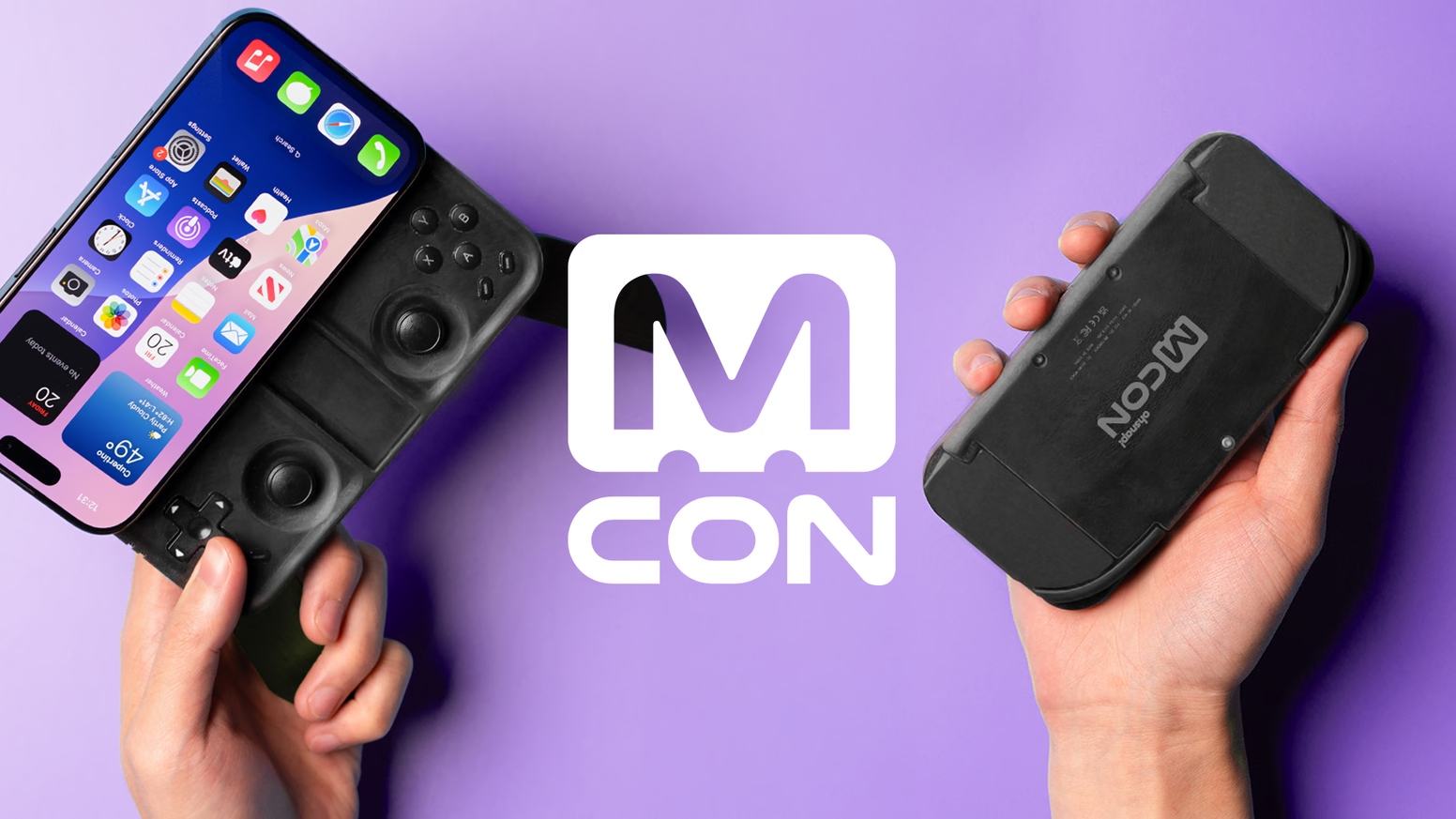
Now available to back on Kickstarter, the MCON is a mobile controller that attaches to the back of any phone magnetically. When not in use, the MCON slides behind your phone, allowing you to leave it attached at all times, even if you use a case.

Once you’ve attached the controller to your phone, you can quite literally “launch” it at any time by pressing down on two buttons that will spring your phone up. The controller itself features A, B, X, and Y buttons as well as a D-pad, two Hall-effect joysticks, function buttons, and right and left triggers. There are also two fold-out grips that improve the ergonomics during your long play sessions and make the device look more like a traditional controller.

In order to support as many phones as possible, the controller ships with two 2.5mm discs that are embedded with MagSafe magnet arrays. If your iPhone has a camera bump, you can stack one or both of the pucks on the MCON to ensure there’s enough clearance. If you have a case, it might create enough clearance on its own.

Tech. Entertainment. Science. Your inbox.

Sign up for the most interesting tech & entertainment news out there.

By signing up, I agree to the Terms of Use and have reviewed the Privacy Notice.

On the other hand, if you have an Android phone or a device without MagSafe, you can use the included adhesive MagSafe adapter to make the controller fit your phone.

The MCON controller will retail for $149, but there are several early bird promotions available to those who back the product on Kickstarter, bringing the price as low as $99. It will come and white and black colors, and should be delivered in August 2025.

If you decide to pick one up, inside the box, you’ll find the MCON controller, a USB-C cable, two magnetic pucks, and an adhesive MagSafe adapter.

Source

Posted on

Which came first, the iPhone 17 Air or the Galaxy S25 Slim?

Apple and Samsung are both expected to launch ultra-thin smartphones this year. The iPhone 17 Air will be Apple’s thinnest iPhone 17 flavor and the thinnest iPhone ever made. The Galaxy S25 Slim will also be much thinner than the rest of the Galaxy S25 lineup.

The iPhone 17 Air was the first to appear in rumors and reports, while the Galaxy S25 Slim showed up in leaks only recently. However, the release order will be reversed.

Word on the street is that the Galaxy S25 Slim will make an appearance at Unpacked this month but hit stores in the second quarter of the year. The iPhone 17 Air will be unveiled in the first half of September and start selling in stores about 10 days later.

This would make it seem like Samsung was the first to the market with an ultra-thin phone. Regardless of the Slim’s appeal to the public, I still expect Samsung to use it as a marketing tool the second Apple unveils the iPhone 17 Air this September.

Tech. Entertainment. Science. Your inbox.

Sign up for the most interesting tech & entertainment news out there.

By signing up, I agree to the Terms of Use and have reviewed the Privacy Notice.

But who was really the first to come up with the idea of making an ultra-thin handset? A new story from Korea offers the answer you might already be expecting.

Korean-language news outlet SisaJournal detailed both ultra-thin devices in a report, repeating some of the claims that appeared in other rumors.

The iPhone 17 Air will have a profile of around 6.25mm, which is up to 1.6mm thinner than the iPhone 15 (7.8mm). The Galaxy S25 Slim will be slightly thicker than the Air at 6.6mm, but the Samsung phone will still be thinner than the 7.6mm Galaxy S24. The Galaxy S25 Slim could have a big camera advatage over the Air, a multi-lens camera on the back.

The report also notes that the iPhone 17 Air will replace the Plus model. The Air will be unveiled in September and cost about as much as the Plus. This is where things get interesting, as the report quotes an unnamed industry official who said Apple has already completed product planning for the iPhone 17 Air.

Moving on to Samsung, the report says the Korean giant will unveil the Galaxy S25 series soon. But the Galaxy S25 Slim will be released in the second or third quarter of 2025. This release window would still ensure that Samsung’s ultra-thin phone will be available in stores before the iPhone 17 Air launches.

The Galaxy S25 Slim’s price will be lower than the Ultra, which isn’t a surprising claim. The report cites an official from the smartphone industry saying that the Galaxy S25 Slim can’t be expensive. Its main purpose is to respond to the iPhone 17 Air preemptively. Samsung also wants to see how the market reacts to a thinner flagship phone.

The report says that Samsung decided to make a Galaxy S25 Slim phone only when Apple decided to go forward with the iPhone 17 Air model. That could settle the upcoming dispute about which ultra-thin phone came first. Then again, none of this is official.

How would Samsung even know about Apple’s plans? For starters, we’ve had rumors about the iPhone 17 Air long before the Galaxy S25 showed up in leaks. We also know that Samsung phones are never well-kept secrets. Neither is the iPhone, but Apple at least manages to save a few surprises here and there.

More importantly, Samsung Display and LG Display are rumored to supply the LTPO OLED panels Apple needs for the entire iPhone 17 series. All four phones should support ProMotion (120Hz refresh rate).

The iPhone 17 Air screen will be smaller than the iPhone 16 Plus. It might have other particularities that Samsung and LG would have to be aware of during the manufacturing phase. Therefore, Samsung would have some knowledge that the iPhone 17 series might see a specific design change.

Separately, I’ll point out that Samsung made an ultra-thin foldable last year. The Galaxy Z Fold SE is a limited edition device released in Korea and China a few months ago. Samsung only developed it after years of pressure from competitors. The handset seems to be a success, and rumors say the Galaxy Z Fold 7 will inherit that design.

What I’m getting at is that Samsung has the tech to make such devices happen, whether they’re foldables or not. It doesn’t have the courage to be first, even if it’ll say so once the Galaxy S25 Slim beats the iPhone 17 Air to market.

Source

Posted on

An iPhone camera bug in iOS 18.2 is driving me and other users insane

iOS 18.2 has been available for a few weeks now. However, some iPhone users — myself included — noticed a bug that has prevented the camera from working since they updated to this new version. A Reddit thread was posted two weeks ago, and users are still complaining about the issue with no fix in sight.

The user who initially posted the thread on Reddit wrote:

Ever since i updated to ios 18.2 my camera refuses to work sometimes, for example i try to use the camera app it’s just a black screen, have to re open it 2-3 sometimes to finally get it to work, same for snapchat the camera will just be black and have to restart the app once or twice to get it to work. My flash light also refuses work or is very delayed to activate via the action button or control center sometimes, more often via action button it doesn’t work.

One of the top comments on this thread mentioned the same issues: “Same with me, too. I thought it was my phone at first, but looking at forums, it seemed to be happening with 18.2. I just got my phone last weekend, so I thought it was just my phone and was about to go back and exchange it, but it seems to be a SW issue. I get the same black screen whether I use the camera control button, camera icon, or from the lock screen.”

I have personally been dealing with this iOS 18.2 camera bug, specifically when opening the iPhone 16 Pro camera with the Camera Control before being recognized by Face ID. By pressing the Camera Control with the display locked, the camera app usually opens to a black screen, and even Face ID stops working.

Tech. Entertainment. Science. Your inbox.

Sign up for the most interesting tech & entertainment news out there.

By signing up, I agree to the Terms of Use and have reviewed the Privacy Notice.

Fortunately, reports claim that Apple is working on an iOS 18.2.1 update. While it’s unclear if this version could fix this particular iOS 18.2 bug, some iPhone users found that replacing their device with Apple doesn’t even fix the bug.

Another option is to download iOS 18.3 beta 1. A new build is expected soon, as Apple is rumored to be planning a release for later this month.

Source

Posted on

iPhone 17 Air price and exact thickness may have just leaked

The upcoming iPhone 17 Air looks more like a real product after every leak. This time, South Korea’s Sisa Journal (via MacRumors) reveals the iPhone 17 Air’s price and its exact thickness.

According to the publication, Apple aims for this device to be 6.25mm thick, which would make this device the thinnest iPhone ever. Comparatively, MacRumors points out that this would make the iPhone 17 Air 20% thinner than the regular iPhone 16 models and 25% thinner than the iPhone 16 Pro versions.

This leak is corroborated by other sources who previously stated that Apple plans to release an iPhone 17 Air with a thickness of around 5mm to 6mm. Now, after rumors saying Cupertino wants to charge extra for this device, Sisa Journal believes this iPhone will be a replacement for the Plus model, and Apple will likely keep the exact price point of the iPhone Plus for this Air version.

That means the iPhone 17 Air’s price could be $899—or at least a variation of the iPhone 16 Plus price, depending on the configuration Apple offers.

Tech. Entertainment. Science. Your inbox.

Sign up for the most interesting tech & entertainment news out there.

By signing up, I agree to the Terms of Use and have reviewed the Privacy Notice.

Still, it’s safer to assume that the iPhone 17 Air will be cheaper than the Pro models, but it doesn’t mean Apple won’t offer a price hike across the lineup. Last December, Well-connected leaker jukanlosreve shared the following quote from Jong Wook Lee, a senior researcher at Samsung Securities Research Center:

Although there were initial expectations that Apple’s iPhone prices would rise this year, prices were unusually not increased. As a result, profit margins have declined since the third quarter of this year. iPhone prices are expected to increase next year.

The leaker speculated that the Galaxy S25, S26, iPhone 17, and iPhone 18 might all get price hikes. Obviously, if the Galaxy S25 and iPhone 17 were to see price hikes, their successors would also be more expensive than the 2024 Galaxy S24 and iPhone 16. Samsung and Apple would not necessarily have to raise prices two years in a row. And I’m not sure customers would stomach such a scenario.

Below, you can learn more about the iPhone 17 Air.

Source

Posted on

iPhone 18 might get a major battery breakthrough

The iPhone 16 has terrific battery life, which I can attest to as a former iPhone 16 Plus owner. Battery life was the least of my worries, and I miss only having to charge the iPhone every other day. It’s not just the Plus and Pro Max that have better battery life, but all iPhone 16 variants.

As we approach the launch of Apple’s iPhone 17 series, I expect Apple to keep improving battery life on at least three of the four models. The rumored iPhone 17 Air will likely have to compromise battery performance so Apple can make the phone as thin as possible.

I hope the iPhone 17 generation delivers the big battery breakthrough rumors teased in previous years. Apple is supposedly developing new battery tech that would allow it to increase the iPhone battery life significantly. Rumors have mentioned solid-state batteries in the past, as well as new materials for the anode and cathode. The next-gen batteries would have higher density in addition to higher capacities, and they might support faster charging rates.

However, this big battery upgrade might not be ready in 2025. Instead, we may have to wait until the iPhone 18 series rolls out, which would be perfect timing because it might include a foldable iPhone model.

Tech. Entertainment. Science. Your inbox.

Sign up for the most interesting tech & entertainment news out there.

By signing up, I agree to the Terms of Use and have reviewed the Privacy Notice.

Next-gen battery tech is in the works

Well-known Korean leaker named yeux1122 penned a blog post about battery innovations coming to smartphones in the coming years. Apparently, Chinese vendors are looking to equip 2026 smartphones with batteries ranging from 7,000 mAh to 8,000 mAh, but they don’t want to make their devices any thicker.

The leaker says that Apple and Samsung are also developing battery tech innovations to respond to this type of competition.

The Chinese batteries will use high-silicon materials rather than relying on previous lithium-ion tech. Samsung is supposedly working on its new battery materials for the cathodes and anodes, looking to develop a new type of battery.

The leaker says Samsung has made significant progress with the technology. The company was able to increase the silicon in its batteries while avoiding side effects like battery expansion.

yeux1122 also says that Apple has a nearly identical strategy, with the first iPhone battery breakthroughs likely coming in 2026. That implies the iPhone 18 models could deliver sigificant battery life improvements.

Chinese phones already use silicon-carbon batteries

Nothing is confirmed right now, but I’ll remind you that Chinese vendors like Honor have been using silicon-carbon batteries for a couple of years. Initially, the battery tech was restricted to units sold in China. Honor then brought the tech to Europe last year with the Honor Magic 6 Pro’s 5,600 mAh battery.

Honor advertises industry's first silicon-carbon battery tech during Magic 5 Pro launch event at MWC 2023.Honor advertises industry’s first silicon-carbon battery tech during Magic 5 Pro launch event at MWC 2023. Image source: Chris Smith, BGR
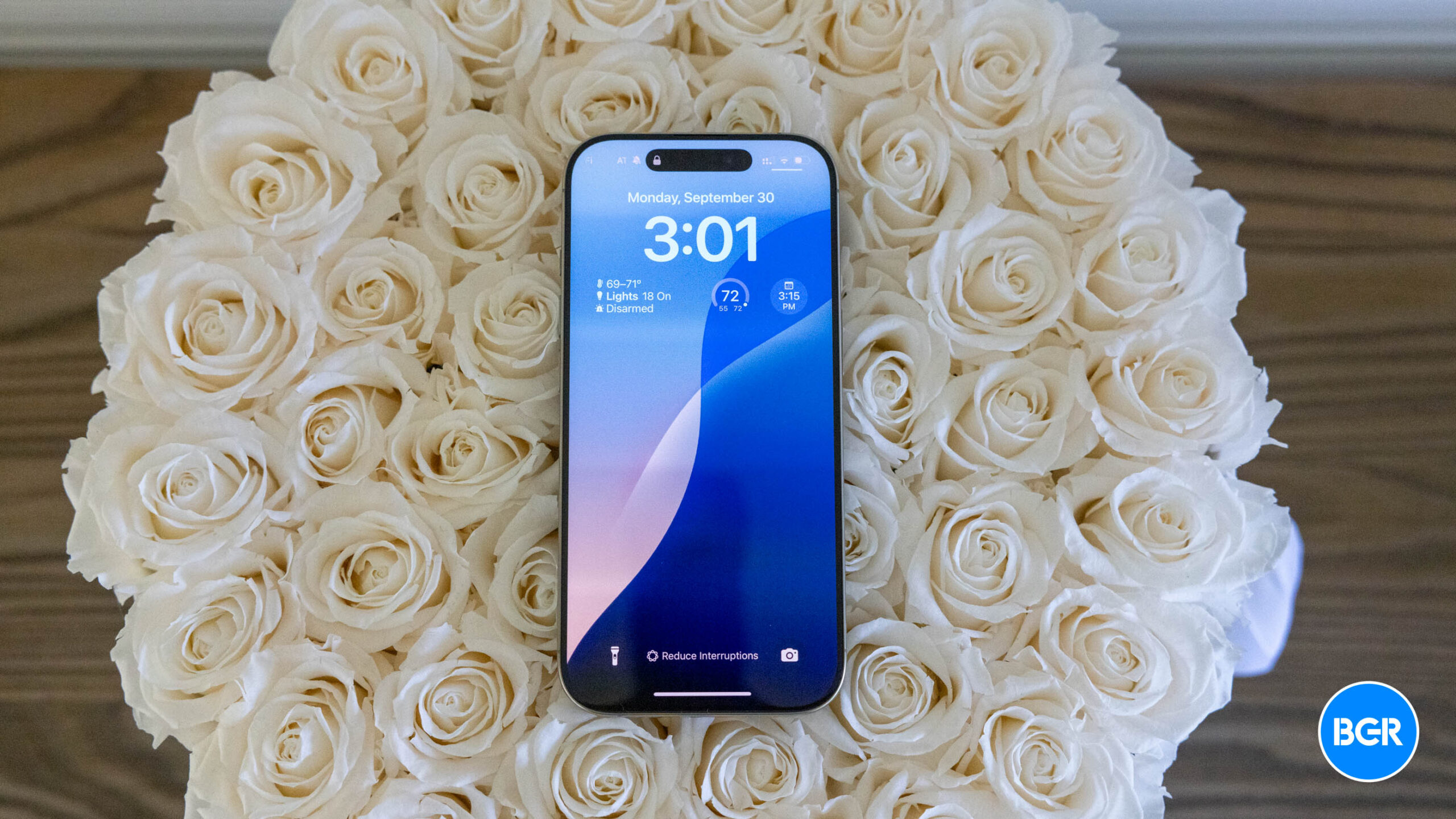


Interestingly, Honor announced the Magic 7 Lite phone this week, a mid-range device with a 6,600 mAh silicon-carbon battery and 66W charging support. Honor seems ready to use the new battery tech in cheaper phones while significantly increasing capacity. This confirms, at least in part, that Chinese vendors are pushing new smartphone battery tech to other phones.

What exactly is Apple working on?

Looking at the yeux1122 report, a different leaker connected the story with a rumor from late 2023. Jukanlosreve pointed to an ETNews story that I recognized. Back in 2023, I said I hoped the iPhone would get the custom Apple battery tech the Korean report described.

It wasn’t clear at the time when Apple would have the tech ready, and it still isn’t. But the ETNews report said Apple was creating a “completely new battery” by developing new materials for the cathode and anode. Apple was looking to replace graphite with silicon in the anode while ensuring the new material would not expand during charging and discharging.

The silicon-carbon batteries that Chinese vendors use also feature anodes that replace graphite with silicon.

What I’m getting at is that Apple might be on the verge of delivering a big breakthrough for iPhone battery life, though it might not be ready this year.

In addition to competing against Chinese phones with monster batteries, the tech could also significantly improve the battery life of the iPhone 18 Air and iPhone 18 Fold, which could launch next year. But that’s just speculation and wishful thinking from this longtime iPhone user.

Source

Posted on

iOS 19 will reportedly work on every iPhone that supports iOS 18

Reports in the past few weeks claimed that Apple’s main focus remains Apple Intelligence. The company was working on the now-released iOS 18.2, which brings ChatGPT integration to the iPhone and iPad, and iOS 18.4, which will deliver a smarter Siri.

Those reports said work on iOS 19 had been delayed. Therefore, some iOS 19 Apple Intelligence features might see delays similar to what happened this year.

As for the non-AI features in iOS 19, I said at the time that I expect Apple to ship novelties in next year’s operating system. After all, Apple Intelligence will only work on the iPhone 17, iPhone 16, and the iPhone 15 Pros.

While we’re yet to find out the big non-AI features of iOS 19, there is good news for iPhone owners that use older models. A leak says that all the models that can run iOS 18 will also run iOS 19 next year. The only compatibility change will impact the iPad, as certain models will lose support for iOS 19.

Tech. Entertainment. Science. Your inbox.

Sign up for the most interesting tech & entertainment news out there.

By signing up, I agree to the Terms of Use and have reviewed the Privacy Notice.

French blog iPhoneSoft learned from a purported source inside Apple that development work on iOS 19 had not started for this particular person. That’s a first for the leaker compared to previous years. Instead, they’re supposedly working on iOS 18.x updates and visionOS.

This person reportedly learned the iPhone models that will run iOS 19 next year, telling the blog that all the iPhones compatible with iOS 18 will also support the next OS upgrade. iPhoneSoft listed all the iPhones that will support iOS 19 next year, including the unreleased iPhone 17 and iPhone SE 4 models:

  • iPhone 17, 17 Air, 17 Pro, 17 Pro Max (2025)
  • iPhone 16, 16 Plus, 16 Pro, 16 Pro Max (2024)
  • iPhone 15, 15 Plus, 15 Pro, 15 Pro Max (2023)
  • iPhone 14, 14 Plus, 14 Pro, 14 Pro Max (2022)
  • iPhone 13, 13 Mini, 13 Pro, 13 Pro Max (2021)
  • iPhone 12, 12 Mini, 12 Pro, 12 Pro Max (2020)
  • iPhone 11, 11 Pro, 11 Pro Max (2019)
  • iPhone XS / XS Max (2018)
  • iPhone XR (2018)
  • iPhone SE (4th generation) (2025)
  • iPhone SE (3rd generation) (2022)
  • iPhone SE (2nd generation) (2020)

Regarding iPadOS 19, Apple will stop models for some older iPads that can still run iPadOS 18. You’ll need an iPad with an A12 chip or later to run iPadOS 19 next year. Here’s the list of supported iPads: 

  • iPad mini (5th generation or later)
  • iPad (8th generation or later)
  • iPad Air (3rd generation or later)
  • iPad Pro (2018 or later)

While these early iOS 19 and iPadOS 19 compatibility claims make sense, there’s no way to confirm any of them. Apple will hold its WWDC 2025 event next June. We’ll see plenty of iOS rumors by then, which will shed further light on the features Apple might be working with and the devices that will support them.

Source