Posted on

UK government set to hit target for 85% gigabit broadband coverage in 2025

The government is set to hit its target for 85% of the UK to have full-fibre, gigabit-capable broadband connectivity in 2025, according to the latest figures from industry regulator Ofcom.

The telecoms watchdog said 20.7 million homes can now access full-fibre broadband links if they wish, representing 69% of all households, up from 57% in September 2023. When the numbers for houses with cable network connectivity are included, this means 83% of the country already has gigabit broadband capability.

Northern Ireland is the best-connected region, with 94% of residential properties having full-fibre broadband. Wales lags behind at 74%.

The government’s £5bn Project Gigabit programme was introduced in 2021 with the aim of accelerating the UK’s recovery from Covid-19, prioritising areas with slow connections that would otherwise be left behind in telcos’ commercial plans and giving rural communities access to the fastest internet on the market, so helping to grow the economy.

“It’s a record-breaking year for broadband in the UK, as the roll-out of full fibre continues to steam ahead,” said Natalie Black, networks and communications group director at Ofcom. “Whether you’re running a business, streaming your favourite programmes, or doing Christmas shopping online, it’s more likely than ever that you’ll be able to benefit from a fast and reliable broadband connection.”

However, work remains to be done on encouraging households to take-up gigabit broadband services.

As of July this year, only 35% or 7.5 million households had signed up to receive a full-fibre connection – up from 28% in May 2023. Notably, rural areas are more likely to adopt high-speed connectivity, with over half (52%) of homes signed up, compared with a third (32%) in urban areas.

Take-up of so-called “superfast” broadband – with download speeds of at least 30 Mbit/s – has increased from 72% to 75% of residential and business premises.

Meanwhile, Elon Musk’s Starlink satellite broadband service has signed up 87,000 connections in the UK, mostly in rural areas – up from 42,000 last year.

However, Ofcom said that availability of 5G mobile services remains patchy, with 5G deployed in 42% of sites in urban areas, compared with just 16% of sites in rural areas – although 95% of the country is capable of receiving 5G coverage from at least one mobile operator.

5G roll-out is likely to receive a boost as a result of Vodafone’s acquisition of Three, where the two companies have had to agree to legally binding targets for an £11bn network investment plan to receive regulatory approval for the merger from the Competition and Markets Authority.

One-fifth (21%) of mobile data traffic in the UK now passes over 5G connections. Total monthly mobile traffic has grown by 18% this year to 1069 petabytes, slower than the 25% growth seen between 2022 and 2023.

Recent investments in gigabit broadband capability have seen the full-fibre network extended to properties in rural Yorkshire, Nottinghamshire and West Lincolnshire, and the New Forest area.

Project Gigabit has also led to the growth of new entrants into the broadband infrastructure market to rival the incumbent Openreach, BT’s network delivery arm, and Virgin Media, the main cable provider. City Fibre has won numerous contracts to become a leading rival to Openreach, while smaller alternative networks, or altnets, such as Community Fibre, Toob and MS3, have become competitive in local regions.

Source

Posted on

Intel and AMD may have another desktop competitor

  • A new suggestion from a reliable leaker hints at Qualcomm’s new CPU heading to desktop PCs
  • The 2nd-gen Snapdragon X Elite processor codenamed ‘Project Glymur’ was tested with liquid cooling AIO
  • The chip likely be unveiled at CES 2025 in a few weeks

Both Intel and AMD have dominated the desktop PC scene when it comes to providing powerful processors for productivity and gaming – and now, Qualcomm could be joining the party, with 2nd-gen Snapdragon X Elite processors potentially making their way to desktop PCs.

As highlighted by Notebookcheck, reliable leaker Roland Quandt has hinted at Qualcomm’s new processor coming to desktop PCs as the brand is reportedly testing the SC8480XP (Project Glymur chip codename) with a 120 mm liquid cooling AIO. This assumption comes from the fact that AIOs as such being used for gaming desktop configurations, unlike the cooling mechanisms that would be required in lightweight laptops.

With CES 2025 now only weeks away, we could soon see what Qualcomm has to offer and whether Quandt’s prediction is accurate. The 2nd-gen Snapdragon X Elite processors may take advantage of Oryon V3 cores according to Quandt (based on Qualcomm CEO Cristiano Amon’s ‘next-gen’ CPU statements), so there could be a lot to get excited about here.

Qualcomm Snapdragon X Elite

(Image credit: Qualcomm)

Could 2025’s CES event be one of the best in years?

Considering AMD and Nvidia’s presence at CES 2025 and their inevitable reveals of the Radeon RX 8000 series and RTX 5000 series GPUs, Qualcomm’s inclusion could easily make this one of the more interesting CES events in years.

While a potential new Snapdragon X Elite processor for desktop PCs could be beneficial for gamers with tight budgets (especially as a second-gen version of the existing X Elite), it’s still a little too early to suggest this. On laptops such as the Lenovo Yoga 7x Slim, gaming is possible but certainly not comparable to gaming laptops or handheld gaming PCs, and Qualcomm itself has stated that the X Elite chips are not targeted at serious gamers.

Nonetheless, the Yoga 7x Slim and fellow X Elite laptops come without discrete GPUs – for a desktop gaming PC that has a discrete GPU, a new Snapdragon chip could be promising depending on the improvements made with the new processors; potentially adding to the list of surprises I hope to see at CES 2025. Mind you, I don’t want to have to buy a new motherboard…

You might also like…

{ window.reliablePageLoad.then(() => { var componentContainer = document.querySelector(“#slice-container-newsletterForm-articleInbodyContent-NP89AAthSg9prV59t2ChUN”); if (componentContainer) { var data = {“layout”:”inbodyContent”,”header”:”Get daily insight, inspiration and deals in your inbox”,”tagline”:”Sign up for breaking news, reviews, opinion, top tech deals, and more.”,”formFooterText”:”By submitting your information you agree to the Terms & Conditions and Privacy Policy and are aged 16 or over.”,”successMessage”:{“body”:”Thank you for signing up. You will receive a confirmation email shortly.”},”failureMessage”:”There was a problem. Please refresh the page and try again.”,”method”:”POST”,”inputs”:[{“type”:”hidden”,”name”:”NAME”},{“type”:”email”,”name”:”MAIL”,”placeholder”:”Your Email Address”,”required”:true},{“type”:”hidden”,”name”:”NEWSLETTER_CODE”,”value”:”XTR-D”},{“type”:”hidden”,”name”:”LANG”,”value”:”EN”},{“type”:”hidden”,”name”:”SOURCE”,”value”:”60″},{“type”:”hidden”,”name”:”COUNTRY”},{“type”:”checkbox”,”name”:”CONTACT_OTHER_BRANDS”,”label”:{“text”:”Contact me with news and offers from other Future brands”}},{“type”:”checkbox”,”name”:”CONTACT_PARTNERS”,”label”:{“text”:”Receive email from us on behalf of our trusted partners or sponsors”}},{“type”:”submit”,”value”:”Sign me up”,”required”:true}],”endpoint”:”https://newsletter-subscribe.futureplc.com/v2/submission/submit”,”analytics”:[{“analyticsType”:”widgetViewed”}],”ariaLabels”:{}}; var triggerHydrate = function() { window.sliceComponents.newsletterForm.hydrate(data, componentContainer); } if (window.lazyObserveElement) { window.lazyObserveElement(componentContainer, triggerHydrate); } else { triggerHydrate(); } } }).catch(err => console.error(‘%c FTE ‘,’background: #9306F9; color: #ffffff’,’Hydration Script has failed for newsletterForm-articleInbodyContent-NP89AAthSg9prV59t2ChUN Slice’, err)); }).catch(err => console.error(‘%c FTE ‘,’background: #9306F9; color: #ffffff’,’Externals script failed to load’, err)); ]]>

Sign up for breaking news, reviews, opinion, top tech deals, and more.

Source

Posted on

UK medical trial of four-day week finds staff happier and more productive

Learning technology firm Thrive has taken part in the UK’s first medical trial of the four-day work week, which found that shorter hours lead to happier, more productive staff.

Conducted by Thrive in partnership with the University of Sussex, the trial collected data on 115 Thrive employees between July and October 2024, including research tests such as MRI scans, blood tests and sleep tracking, as well as weekly questionnaires covering their workplace experiences and wellbeing.

Regular feedback was also sought from Thrive customers – which the company supplies with an artificial intelligence (AI)-powered learning management system (LMS) to help them train and upskill their employees faster – to determine the impact of the trial on quality of service, while sales and product metrics were also evaluated to assess the effects on business productivity.

According to the results, there were notable improvements in a number of employee wellbeing metrics – particularly those related to stress levels, sleep quality, and detachment from work – indicating a significant improvement in work-life balance.

This includes a 20% reduction in sleep problems, a “considerable” 8.6% reduction in perceived stress, a 14.7% decrease in “emotional exhaustion”, and a “statistically significant” 5% reduction in anxiety symptoms.

“The results speak for themselves. These significant improvements in areas related to physical and mental wellbeing demonstrate the transformative power of a four-day work week,” said Charlotte Rae, research lead at the University of Sussex. “Improved sleep quality and reduced stress and exhaustion are factors that could have a significant impact on our health, with the potential to enhance our lives in and outside of work. This study provides further compelling evidence for the benefits of flexible working models.”

In terms of the impact on work productivity, the trial found that despite working fewer hours, the task execution of employees remained consistent, with many reporting increased goal attainment and self-efficacy. Researchers said this reflected a boost in their confidence and belief in their ability to achieve desired outcomes at work.

Cassie Gasson, co-CEO at Thrive, said that being a tech-focused business brought a range of advantages to the firm when conducting the trial: “Working in the tech space means our teams are naturally aligned with using tools like AI, which allowed us to streamline workflows and prioritise the work that matters most.

“As creators and users of AI-powered solutions, we’ve seen first-hand how impactful it can be in enabling flexibility without compromising on results, which has proven beneficial in the context of the four-day work week.”

She added that while Thrive’s teams are already equipped with the skills and tech to make the most of a four-day week – as the company has used its platform to continually upskill its own workforce – the trial highlighted that success depends on fostering the right culture to make the working changes sustainable.

“Because of this, we recognise that this approach doesn’t suit every business or team dynamic,” she said. “By balancing flexibility with customer needs, we’re exploring how to make the four-day work week a sustainable option for the future, opting for a seasonal approach going forward.”

Widespread cultural change needed for success

Despite the dual benefits on employee wellbeing and productivity, the trail highlighted the difficulty of providing consistent customer service in a business landscape where most other firms are still operating on the traditional five-day working model.

“Our four-day work week trial revealed incredibly encouraging results and we saw a fantastic impact on the people within our business,” said Gasson. “While we would have loved to implement it on a full-time basis, our experiences in the trial highlighted that the success of a four-day work week will rely on widespread cultural change across the UK business landscape.

“As a business serving hundreds of organisations, it highlighted that five-day coverage for our customers is essential when they’re operating more traditional ways of working.”

Gasson added that the UK government should consider implementing policies to help make a four-day work week a reality: “The benefits are evident through its potential to boost business productivity, increase wellbeing, and generally make the country happier and healthier. The UK has the potential to take the lead on this by pioneering the four-day work week and reaping the rewards.”

Until then, she said Thrive would look to implement a four-day work week on a seasonal basis.

In May 2022, more than 3,000 workers at 60 companies took part in a coordinated, six-month trial of a four-day working week in the UK. Organised by 4-Day Week Global in partnership with think tank Autonomy and the 4-Day Week UK Campaign, the trial saw 60 firms – including several technology companies – adopt a reduced working week with no loss of pay from June to December 2022.

Speaking with Computer Weekly at the time, many of the tech firms highlighted positive results in terms of productivity, as well as talent attraction and retention.

While issues were highlighted for business in sectors such as cyber security, where “switching off” for a day is not necessarily an option, researchers at Autonomy said businesses could circumvent this issue through the introduction of a better rota system or by hiring additional staff. Ultimately, most firms involved deciding to continue with shorter weeks on a permanent basis.

Prior to this, the largest four-day week trial to date was run in Iceland by Reykjavík City Council and the national government, which included more than 2,500 workers. It found that productivity either remained the same or improved in the majority of workplaces involved.

In November 2023, Autonomy published a paper on the potential for AI-driven large language models (LLMs) to shorten people’s work weeks, noting while they could lead to significant reductions in working time without a loss of pay or productivity, realising the benefits of such AI-driven productivity gains in this way will require concerted political action.

Autonomy noted that although people have long been predicting and expecting far shorter working weeks due to technological advances, historical increases in productivity over recent decades have not translated into increased wealth or leisure time for most people, largely as a result of economic inequality.

It said that there is often a sense of pessimism around AI-driven productivity gains, with most conversations emphasising the potential for job losses and degraded working conditions, but that such gains could also be used to deliver shorter working weeks for many while maintaining their pay and performance.

A number of IT firms have moved to a four-day week over the past couple of years due to the benefits, including cloud provider Civo, channel player Highgate IT Solutions, and challenger bank Atom.

Source

Posted on

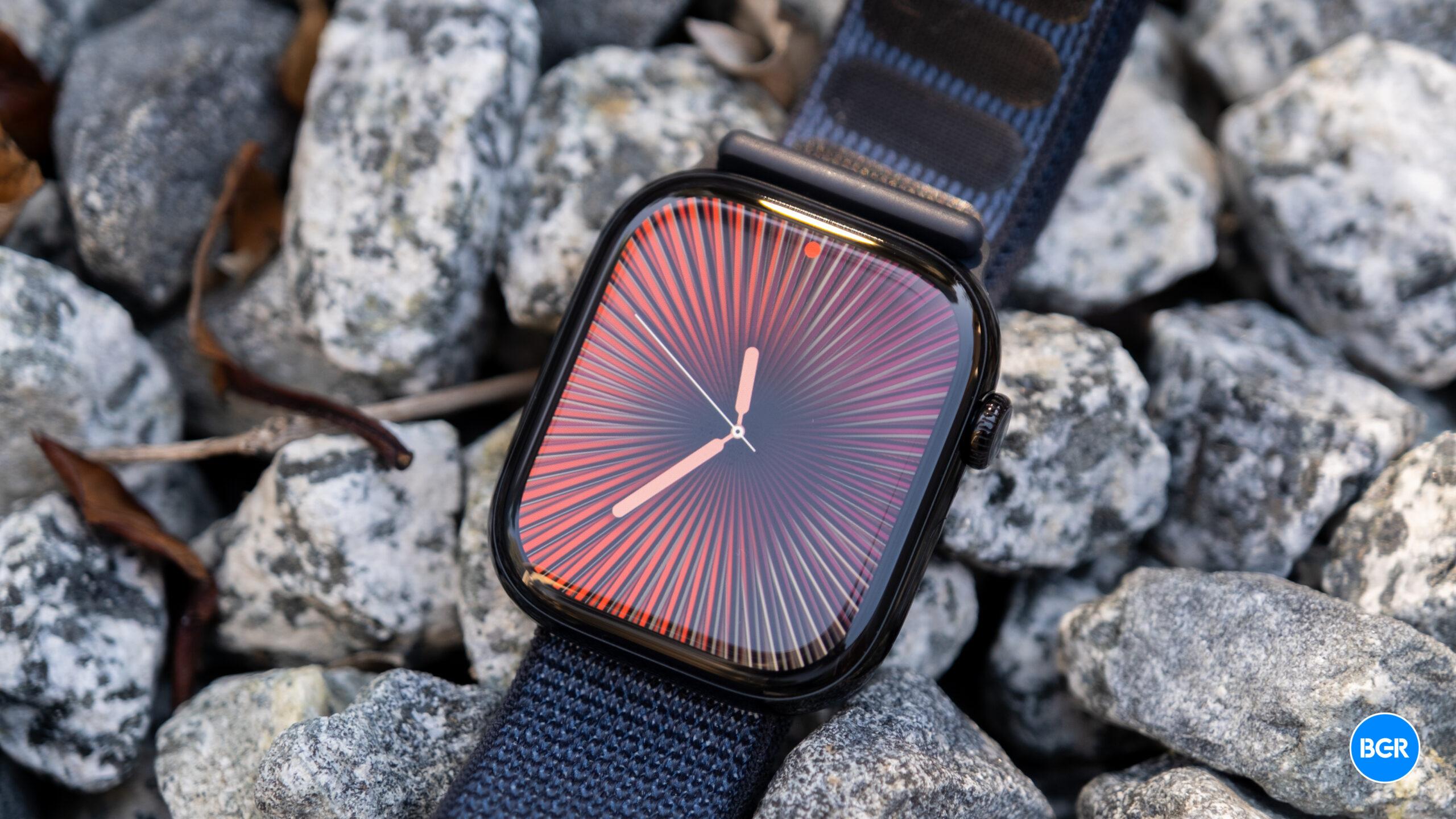
Apple Watch Series 10 has a frustrating problem with workout tracking

I switched from a 40mm Apple Watch SE 2 to a 42mm Apple Watch Series 10 in late September, and it’s the best thing I’ve ever done. But there’s an unexpected twist, and it’s so annoying.

I run marathons now, and I want Apple’s wearables to track my health parameters during races and the entire training phase leading up to a race. My old Apple Watch SE’s battery health dropped below 80%, at which point I had to recharge it twice a day to ensure it would not die suddenly.

I could have replaced the battery or purchased another SE model. But, as I get older, I also want better health tracking — and the premium Apple Watch Series 10 delivers that. I want the wearable to track my health parameters around the clock, not just while I’m training.

I should also tell you that I’m always running the latest watchOS 11 beta, which can often explain various bugs. But there’s one that I keep seeing, and it has nothing to do with the current beta OS I’m running: The Apple Watch Series 10’s sensors don’t consistently track my heart rate during workouts.

Tech. Entertainment. Science. Your inbox.

Sign up for the most interesting tech & entertainment news out there.

By signing up, I agree to the Terms of Use and have reviewed the Privacy Notice.

I started noticing this bug in mid-October. Since then, I’ve seen some improvements, but I’m still missing data from the run and walk session. It turns out I’m not the only one. BGR’s editor Zach Epstein got a 46mm Apple Watch Series 10. He also encountered the same issue during an elliptical workout, and he’s not running a beta version of watchOS. He also had the same problem with his older Apple Watch Ultra, which means the problem isn’t just an issue with the Series 10 model.

We both dealt with this heart rate tracking issue sometime during the early watchOS 11 betas over the summer. Zach found a workaround I’ve used on my Apple Watch SE 2 for weeks, until Apple seemingly fixed it.

We would take heart rate readings with the watch’s dedicated Heart Rate app just before starting a workout. This would sort of warm up the heart rate sensor, so to speak, and it would keep working throughout the subsequent workout. Apple appeared to have addressed it a few weeks later, as my Apple Watch SE 2 started working fine.

But fast-forward to October, and the same problem appeared on the Apple Watch Series 10. By early December, the issue is still here.

It’s unclear exactly what is causing the Apple Watch Series 10 to fail when performing readings. I’ve already shared some screenshots that prove heart rate data was absent when I first covered the issue, so I’ll share a few fresh ones below.

The missing heart rate data

Here’s Zach’s most recent elliptical session, which lacks about 10 minutes of heart rate data at the start of his workout:

Missing heart rate data from an elliptical workout.Missing heart rate data from an elliptical workout. Image source: Zach Epstein, BGR

Here’s my 9K run from Sunday afternoon that shows two different types of behaviors. First, we can see that it’s missing all of my heart rate data early in the workout. But then, the Apple Watch Series 10 also runs into issues later in the workout:

Missing heart rate data from a 9K run.Missing heart rate data from a 9K run. Image source: Chris Smith, BGR

I ran my second marathon — which was my first while wearing the Apple Watch Series 10 — a few days before the 9K run. The Apple Watch Series 10 was amazing when it came to battery life. And, from the looks of the following graph, it registered my heart rate throughout the race.

Heart rate data captured during a marathon race.Heart rate data captured during a marathon race. Image source: Chris Smith, BGR

But did it really? Or are we simply too zoomed out in the graph to spot any missing information? After all, this was a race that lasted more than four hours. The app had to fit all the heart rate data into the same limited space as my 9K run or Zach’s elliptical workout.

I’ve been using the Apple Watch since the first generation came out. There’s no chance here that I’m wearing it wrong. I know how snug it has to be to record health parameters. I wear the Watch on the same arm and same location. I also don’t have any tattoos that would interfere with the sensor.

What I’m getting at is that heart rate readings were not as big of a problem before watchOS 11 and the Apple Watch Series 10.

It’s not just about workouts

I didn’t buy the best Apple Watch out there, save for the Ultra, just for training. I want it to provide health readings around the clock. But considering the repeated issues during my workouts, how would I even know the Apple Watch Series 10 is taking the regular heart rate readings it has to perform with accuracy?

I could manually review the logbook of readings and compare them with Apple Watch SE 2 readings from the past to see if the number of data points matches during rest or sleep, but I’m not going to do that.

Hopefully, the Apple Watch will catch heart rate issues in the early stages once I’m older. For that to happen, and for the Apple Watch to save my life, I would have to know for certain that it’s always performing pulse readings without hiccups.

Finally, I want to upgrade my dad’s Apple Watch to a Series 10. But the accuracy of heart rate readings is paramount here. Unlike me, he has heart issues that come with age, and the Apple Watch is potentially a life-saving device.

It’s unclear what’s causing the issue and how many people have encountered it. But we have at least two cases that we can talk about. I’ll also point out that I bought my Apple Watch Series 10 in Europe, so I still have a working blood oxygen sensor, whereas Zach got his in the US. These units come from entirely different batches.

Is this a software issue? I could always jump off beta and find out. But, again, Zach isn’t currently running a beta OS on his watch. Is it a hardware issue? I can’t tell.

As much as I love the Apple Watch Series 10, I’ll have to take it in for potential repairs if the situation persists. I would have returned it if I knew the heart rate issue would persist, but my return window has passed.

Source

Posted on

visionOS 2.2 beta 4 now available ahead of official release

A couple of weeks after releasing visionOS 2.2 beta 3 to developers, Apple has now seeded its fourth testing version. Unlike the tame visionOS 2.1 update, this new build brings a long-awaited feature: wider Mac Virtual Display options.

Mac Virtual Display is one of the OG features of Apple Vision Pro. However, with new wide and ultrawide modes, the spatial computer offers a more immersive experience.

Here’s what this feature is all about:

Using Mac Virtual Display is like having an expandable, ultrawide screen that wraps around you. It’s the equivalent of having two 4K displays sitting side by side — everything looks astoundingly sharp and incredibly detailed.

Now, with an ultrawide view, Apple says it feels like you have two physical 4K displays sitting side by side on a desk, except you don’t have something limiting the two displays. This Apple Vision Pro feature is perfect for anyone multitasking on a Mac, and it feels better than having several windows floating around.

Tech. Entertainment. Science. Your inbox.

Sign up for the most interesting tech & entertainment news out there.

By signing up, I agree to the Terms of Use and have reviewed the Privacy Notice.

With this feature, you can open several apps at once and visualize them before you with Vision Pro’s incredible displays. Not only will this boost productivity, but it will also make this spatial computer a more compelling upgrade than two Studio Displays, as you can use it for more than just mirroring your Mac once you finish working.

Apple is expected to expand Mac Visual Display in early December when visionOS 2.2 is expected to be released to all users. While rumors about a new Vision Pro are contradictory, the latest reports expect Apple to update this product next year with a more capable processor, most likely the M5.

However, a revamped interaction is still a few years away. At this moment, Apple has only released visionOS 2.2 beta 4 to Apple Vision Pro developers. We’ll let you know if more betas or RCs are released this week.

Source

Posted on

Nvidia RTX 5000 prediction suggests RTX 5090 will be a monster flagship GPU… but it’s the RTX 5070 I’m worried about

  • Expectation for Nvidia RTX 5090 is a 60% to 70% gen-on-gen uplift
  • RTX 5070 might be way behind that on 20% to 30% faster than 4070
  • With RTX 5080 landing in-between at 30% to 40% quicker than 4080

Nvidia’s RTX 5000 GPUs are just around the corner – Team Green has now officially teased new GeForce graphics cards for CES 2025 – and we’ve just heard some more buzz on the potential performance levels these Blackwell products might achieve.

This is a rumor that you need to load up on the seasoning with, because as the source – regular leaker on X, OneRaichu – points out, these are just their expectations.

In the post which was flagged up by Digital Trends, OneRaichu believes that the flagship (RTX 5090) will be 60% to 70% faster for the GPU’s generational uplift.

The prediction is that ‘high-level’ Blackwell GPUs – which we’d take to mean the RTX 5080 – will be 30% to 40% faster, and for mid-range, that tapers down to 20% to 30% quicker than Nvidia’s predecessor graphics cards. In that latter case, we presume this refers to the RTX 5070 – and maybe to a lesser extent the RTX 5060, although this GPU is likely to be a lot further out, going by the lack of rumored specs (and any performance forecasts) around it.

An Nvidia RTX 4090 in its retail packaging

(Image credit: Future)

Analysis: Great news for PC enthusiasts, in theory – not so much for the mainstream

As noted, these are just expectations, but of course those expectations are built on a bedrock of leaks which OneRaichu has been hearing for some time.

What’s interesting is that regarding the RTX 5090, in past rumors, we’ve been hearing about the next-gen flagship being anything from 50% to 70% faster than the RTX 4090. So, this leaker’s assertion is that it’ll be towards the top-end of those previous estimates, a hint – taken with plenty of skepticism – that this is going to be a mighty graphics card from Nvidia. Likely with an equally mighty price tag (as in you ‘might’ not be able to afford it unless you take out a second mortgage).

On the other hand, the RTX 5070 may be a much more modest gen-on-gen uplift, which is disappointing to me – and all mainstream gamers with more typical gaming PC budgets – and this also fits with some of the rumors that we’ve heard about that graphics card. (Notably the purported 12GB of VRAM which, even if it is much nippier GDDR7, could be a real sticking point for many).

{ window.reliablePageLoad.then(() => { var componentContainer = document.querySelector(“#slice-container-newsletterForm-articleInbodyContent-rTFHvQpyrRA8zPHP37zskZ”); if (componentContainer) { var data = {“layout”:”inbodyContent”,”header”:”Get daily insight, inspiration and deals in your inbox”,”tagline”:”Sign up for breaking news, reviews, opinion, top tech deals, and more.”,”formFooterText”:”By submitting your information you agree to the Terms & Conditions and Privacy Policy and are aged 16 or over.”,”successMessage”:{“body”:”Thank you for signing up. You will receive a confirmation email shortly.”},”failureMessage”:”There was a problem. Please refresh the page and try again.”,”method”:”POST”,”inputs”:[{“type”:”hidden”,”name”:”NAME”},{“type”:”email”,”name”:”MAIL”,”placeholder”:”Your Email Address”,”required”:true},{“type”:”hidden”,”name”:”NEWSLETTER_CODE”,”value”:”XTR-D”},{“type”:”hidden”,”name”:”LANG”,”value”:”EN”},{“type”:”hidden”,”name”:”SOURCE”,”value”:”60″},{“type”:”hidden”,”name”:”COUNTRY”},{“type”:”checkbox”,”name”:”CONTACT_OTHER_BRANDS”,”label”:{“text”:”Contact me with news and offers from other Future brands”}},{“type”:”checkbox”,”name”:”CONTACT_PARTNERS”,”label”:{“text”:”Receive email from us on behalf of our trusted partners or sponsors”}},{“type”:”submit”,”value”:”Sign me up”,”required”:true}],”endpoint”:”https://newsletter-subscribe.futureplc.com/v2/submission/submit”,”analytics”:[{“analyticsType”:”widgetViewed”}],”ariaLabels”:{}}; var triggerHydrate = function() { window.sliceComponents.newsletterForm.hydrate(data, componentContainer); } if (window.lazyObserveElement) { window.lazyObserveElement(componentContainer, triggerHydrate); } else { triggerHydrate(); } } }).catch(err => console.error(‘%c FTE ‘,’background: #9306F9; color: #ffffff’,’Hydration Script has failed for newsletterForm-articleInbodyContent-rTFHvQpyrRA8zPHP37zskZ Slice’, err)); }).catch(err => console.error(‘%c FTE ‘,’background: #9306F9; color: #ffffff’,’Externals script failed to load’, err)); ]]>

Sign up for breaking news, reviews, opinion, top tech deals, and more.

At least we don’t have long to wait to find out how accurate this forecast – and the other speculation from the grapevine – will be, as Nvidia is almost certainly going to reveal RTX 5000 graphics cards at CES 2025, given that fresh teaser. (And the fact that the new Witcher 4 trailer also used an unannounced RTX GPU, likely the 5090).

You might also like

Source

Posted on

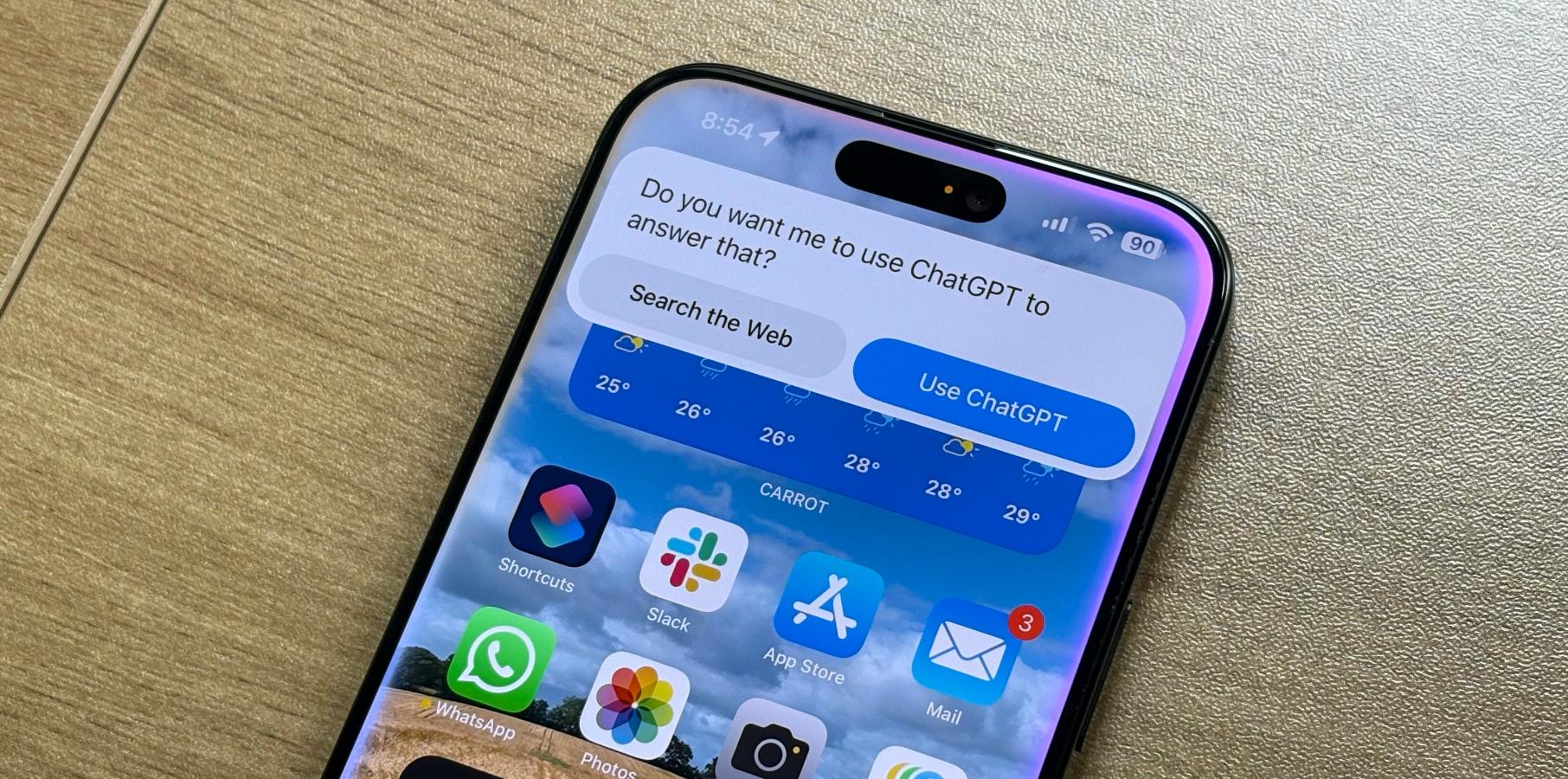
8 iOS 18 features that Apple has delayed to 2025

With the launch of iOS 18.2 just around the corner, Apple has a few more iOS 18 features that have now been delayed until 2025.

As excited as we are about all of the new features Apple is bringing to iOS 18, the wait for many of them has been longer than we expected. With that in mind, here are all the features iPhone owners are going to receive sometime next year:

  • Personal context understanding: With Apple Intelligence’s on-device semantic index, Siri can understand emails, messages, photos, calendar events, files, and more and can provide answers to personal questions.
  • In-app actions: Siri can take hundreds of new actions on your behalf in both first- and third-party apps, such as editing a photo, adding a note, and more.
  • Onscreen awareness: Siri will be able to understand and take action with things on your screen, so when a friend texts you recommending a new coffee shop in the neighborhood, you can ask Siri how long it will take to get there.
  • Apple Intelligence expansion: Apple promises Apple Intelligence support will expand to new countries and languages in 2025, most likely around iOS 18.4.
  • Sketch style: With Image Playground, Apple offers animation and illustration styles. However, the Sketch style will likely be delayed. It’s currently available as an option in Image Wand but not for the Image Playground app.
  • Integration with other LLMs: Currently, Apple only offers support for ChatGPT integration with Writing Tools. In the future, the mobile platform is expected to work with other LLMs, such as Google’s Gemini and more.
  • New emoji: Apple usually releases new emojis a few months after its main iOS release. If the company follows the trend, iOS 18.4 could bring new emojis. These are the possible new additions.
  • Robot vacuum cleaners will be compatible with the Home app, so they can participate in automation and scenes and can be activated by a user’s voice using Siri.

iOS 18.1 Apple Intelligence on iPhone 15 Pro all-new Siri designiOS 18.1 Apple Intelligence on iPhone 15 Pro: The all-new Siri design Image source: José Adorno for BGR


While the robot vacuum cleaners feature will likely be released early in 2025 with iOS 18.3, all of these new features will likely be part of iOS 18.4 in the spring.

That being said, it’s possible that most of the Apple Intelligence features related to Siri could be delayed to iOS 19 and beyond. In a previous newsletter, Bloomberg‘s Mark Gurman wrote:

Tech. Entertainment. Science. Your inbox.

Sign up for the most interesting tech & entertainment news out there.

By signing up, I agree to the Terms of Use and have reviewed the Privacy Notice.

These upcoming upgrades will make Siri easier to use on a day-to-day basis, but it’s not the brain transplant that the service really needs. Siri is still based on an outdated infrastructure — AI models that have been overtaken by the technology used by ChatGPT and Google’s Gemini. Siri hasn’t yet been rebuilt for the generative AI age, even if Apple is trying to create the impression that it has.

Wrap up

iOS 18 still has several delayed features that might take a long time to become available. Below, you can learn more about what features iOS 18.2 will bring.

Source

Posted on

Are you on the naughty or nice list for responsible AI adoption?

Over the past year, artificial intelligence (AI) has proved its worth as a long-term investment for businesses. It brings a range of perfectly wrapped presents to the table, making a significant impact on productivity, efficiency, and automation across business functions. With almost 40% of companies worldwide already using AI in some form, it’s undeniable that it has the capability to revolutionise business operations.

For example, Santa’s workshop would benefit from AI adoption in automation of its supply chain orders, faster and more accurate analysis of wish list data, and tracking of items that have made it into his sleigh.

To ensure he makes the most of AI’s benefits, Santa will have brought it on board with ethical guidelines and responsible practices in mind. But have you? Whether you’ve already adopted and want to make sure you’re using AI responsibly, or you’re yet to adopt and are looking to integrate ethical standards into your plan – time’s running out to get onto Santa’s nice list before Christmas.

Getting into the good books with responsible adoption

Adopting AI responsibly isn’t just about avoiding risks, it’s also a way of setting the stage for sustainable growth, efficiency, and innovation. If you jump on the AI bandwagon without building a solid foundation and outlining a clear strategy, a myriad of risks can await your business. Data breaches, ethical challenges, and financial losses are all risks businesses face if they ignore the importance of responsible adoption.

The most effective way of adopting AI to mitigate these risks is a responsible one, and it’s not as easy as plugging in your Christmas lights. Smart and strategic choices are the key to protecting business data and aligning AI initiatives with business goals.

Santa’s top tips for adopting responsibly

Like writing a Christmas shopping list, AI adoption can be too daunting to start for lots of businesses. With so much information out there, where are you meant to start?

The key is pushing fear to the side and making any type of start, even if it’s small. Those who start now and invest in AI will stay ahead of the curve. But like Rudolph and his crew, the AI gap is real, and businesses who don’t get on board now will be left behind. So, what do you need to consider to adopt AI responsibly?

  • Make sure your data shines like a bauble

Squeaky clean data is crucial to getting reliable insights from AI. Getting AI ready means prepping business operations for AI systems to easily slot in, so business data needs to be accurate, void of bias, and ready for action.

The same way you wouldn’t send Santa a disorganised wish list, you wouldn’t give AI messy data. Making sure data is up to date, without errors or duplicates, is critical to ensuring your AI delivers real value. This comes hand-in-hand with assessing your internal resources, and making sure your infrastructure can handle the scale and power of AI demands. More flexible Cloud platforms like AWS, Google Cloud, and Azure can help business scale AI cost-effectively.

  • Embrace elf-level organisation

Training is a key part of onboarding AI. Do you think Santa’s elves are expected to wrap presents without being trained first? Preparation for AI use is essential to allowing your employees to understand its benefits and using it effectively.

As it affects every team in the business, not just the IT department, the entire workforce needs to be prepped for AI adoption. Whilst this can seem like a costly task, investing in your people is how AI will create valuable results. Change management is a key component to preparing workforces for the changes you need to adopt AI. Fostering a culture of readiness and continuous compliance is key to ensuring it becomes an asset.

Knowing your business objectives and making sure your AI strategy aligns with and contributes to them is key to maximising its capabilities. Whether improving customer experiences, automating repetitive tasks, or personalising services is your business goal, use AI to drive that strategy.

Prioritising AI applications that solve real problems as well as boosting productivity is key to boosting business growth. Do you need help with recommending products to your customers to increase sales? This is a tangible problem AI can solve for you. Like following a gingerbread recipe, baking a strategic AI plan will produce the best goods.

Santa’s secret weapon – Responsible AI

Long-term success is the outcome of adopting AI through responsible practices and with ethical guidelines in mind. High-quality data aligned business goals, and a prepped workforce are the key to thriving rather than falling behind.

If Santa’s already on board, why aren’t you? After all, it’s how he gets his presents from the North Pole to under your tree.

Get onto the nice list this Christmas – start small, think big, and stay responsible.

Kyle Hill is chief technology officer at ANS, a digital transformation provider and Microsoft’s UK Services Partner of the Year 2024. Headquartered in Manchester, it offers public and private cloud, security, business applications, low code, and data services to thousands of customers, from enterprise to SMB and public sector organisations.

Source

Posted on

These were 10 the biggest internet outages of 2024

There are few disasters as unifying as an internet outage. Whether it’s a popular website, social network, or online service, everyone collectively freaks out when it goes offline, as was the case when all three major US cell carriers suffered outages on the same day earlier this year.

With that in mind, the network intelligence firm Ookla sifted through Downdetector data from the first three quarters of 2024 to pinpoint the biggest outages of the year. Based on the data Ookla gathered, these were the world’s 10 largest outages of 2024:

World's largest outages in 2024 according to Downdetector.World’s largest outages in 2024, according to Downdetector. Image source: Ookla
The analysis is not an exact science, as the rankings only take into account the number of user reports on Downdetector during the outage. That said, it’s clear that the major Facebook outage on March 5 impacted more people than any other individual outage in 2024.

It wasn’t an especially long outage, but it was the most widespread of the year (so far). Some of these outages impact a small subset of users or users in specific regions, but the Meta crash hit everyone all at once, which is why it received so much attention.

Tech. Entertainment. Science. Your inbox.

Sign up for the most interesting tech & entertainment news out there.

By signing up, I agree to the Terms of Use and have reviewed the Privacy Notice.

“The second largest global outage may be the most memorable. While CrowdStrike is not a service most people think of, we saw nearly 5 million reports to services that rely on it (or rely on Microsoft which relies on Crowdstrike), including emergency services, airlines, and ride sharing apps when a routine software update went bad on July 19,” Ookla notes.

Even if you’ve forgotten about Facebook and Instagram going down, you probably remember when the faulty update from CrowdStrike nearly turned the world upside down.

Source

Posted on

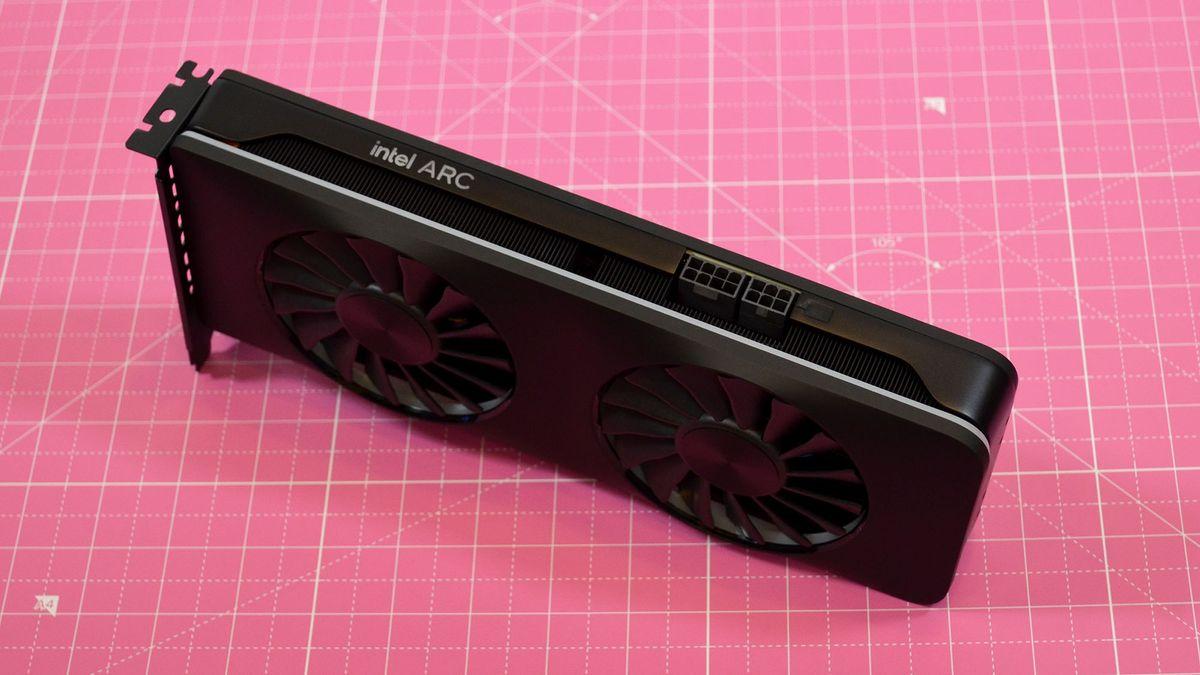
Intel Battlemage GPUs could hit shelves on December 12 – but price rumors are worrying some PC gamers

  • Intel’s B580 and B570 GPUs are rumored for a December 12 launch
  • Team Blue will supposedly reveal them next week on December 3
  • Price rumors hint at $250 MSRP, but don’t get carried away with that idea

Intel’s next-gen Battlemage GPUs are going to be out next month, according to the latest rumor, which gives us a specific release date for the first time – December 12.

VideoCardz claims that the Arc B580 (which has been widely leaked) and B570 desktop graphics cards are in the pipeline, and will be on sale at the same time reviews will apparently be aired, on the mentioned December 12 date.

We will get an announcement from Intel before that, on December 3, according to information VideoCardz has obtained – take all this with a teaspoon of seasoning, naturally.

Intel will supposedly have its own reference boards (or limited edition Arc products, as it calls them) for these GPUs, which will emerge first, and custom graphics cards from third-party partners are going to launch the day after (December 13). This slightly staggered approach to launch is not uncommon these days in the graphics card world.

Meanwhile, fresh buzz on the pricing of the Arc B580 has also emerged, with the usual early retailer listings popping up – some of which are around the $250 mark from US outlets.

Acer Predator BiFrost Arc A770 GPU, pictured against a bright blue and green background.

(Image credit: Acer, Intel)

Analysis: Maintain a keen sense of skepticism

Regarding the price leaks, these are notoriously flaky – and probably placeholder prices – so that part of the latest rumor dump must be regarded with even more caution than the release date-related spillage.

Assuming that the $250 rumor is close to ballpark for a moment, though, it’s coming in on the heavy side compared to the A580, which kicked off with an MSRP of $180 – and this has caused some fretting among some PC gamers out there.

{ window.reliablePageLoad.then(() => { var componentContainer = document.querySelector(“#slice-container-newsletterForm-articleInbodyContent-CvbsAngYZFtzyPs3cW4mfT”); if (componentContainer) { var data = {“layout”:”inbodyContent”,”header”:”Get daily insight, inspiration and deals in your inbox”,”tagline”:”Sign up for breaking news, reviews, opinion, top tech deals, and more.”,”formFooterText”:”By submitting your information you agree to the Terms & Conditions and Privacy Policy and are aged 16 or over.”,”successMessage”:{“body”:”Thank you for signing up. You will receive a confirmation email shortly.”},”failureMessage”:”There was a problem. Please refresh the page and try again.”,”method”:”POST”,”inputs”:[{“type”:”hidden”,”name”:”NAME”},{“type”:”email”,”name”:”MAIL”,”placeholder”:”Your Email Address”,”required”:true},{“type”:”hidden”,”name”:”NEWSLETTER_CODE”,”value”:”XTR-D”},{“type”:”hidden”,”name”:”LANG”,”value”:”EN”},{“type”:”hidden”,”name”:”SOURCE”,”value”:”60″},{“type”:”hidden”,”name”:”COUNTRY”},{“type”:”checkbox”,”name”:”CONTACT_OTHER_BRANDS”,”label”:{“text”:”Contact me with news and offers from other Future brands”}},{“type”:”checkbox”,”name”:”CONTACT_PARTNERS”,”label”:{“text”:”Receive email from us on behalf of our trusted partners or sponsors”}},{“type”:”submit”,”value”:”Sign me up”,”required”:true}],”endpoint”:”https://newsletter-subscribe.futureplc.com/v2/submission/submit”,”analytics”:[{“analyticsType”:”widgetViewed”}],”ariaLabels”:{}}; var triggerHydrate = function() { window.sliceComponents.newsletterForm.hydrate(data, componentContainer); } if (window.lazyObserveElement) { window.lazyObserveElement(componentContainer, triggerHydrate); } else { triggerHydrate(); } } }).catch(err => console.error(‘%c FTE ‘,’background: #9306F9; color: #ffffff’,’Hydration Script has failed for newsletterForm-articleInbodyContent-CvbsAngYZFtzyPs3cW4mfT Slice’, err)); }).catch(err => console.error(‘%c FTE ‘,’background: #9306F9; color: #ffffff’,’Externals script failed to load’, err)); ]]>

Sign up for breaking news, reviews, opinion, top tech deals, and more.

However, what we have to remember is that the B580 is a beefier model, at least if the rumored spec is right, particularly as it’ll purportedly come with 12GB of VRAM (up from 8GB with its predecessor), and seemingly a much faster boost clock. So, in that light, a price increase doesn’t look quite so bad – but with the specs and pricing being just speculation at this point, we’ll reserve judgement for now.

What we really want from Intel, though, is for Battlemage to bring in some truly affordable (sub-$200) GPUs. Although of course they should be coming down the line (fingers crossed).

There’s certainly a whole pile of evidence suggesting there’ll be a December launch for next-gen Battlemage desktop graphics cards, mind you, and it’s looking more and more likely that we could witness a new generation of Arc GPUs as soon as next week.

You might also like

Source