Posted on

OpenAI says it has evidence DeepSeek used ChatGPT to train its AI

Chinese startup DeepSeek stunned the world with its sophisticated DeepSeek R1 reasoning model, which is as good as ChatGPT o1. That’s not a surprising achievement; it’s only a matter of time before other AI models can replicate what OpenAI has done in terms of AI reasoning. Also, OpenAI will soon make o3 available, the successor to o1.

What really shocked the markets was DeepSeek’s research, which showed that the company was able to train R1 to achieve the same capabilities at a fraction of the cost of training o1.

Because of US sanctions, DeepSeek didn’t have access to the latest NVIDIA GPUs that AI firms like OpenAI use to train high-end AI models. It turned to software optimizations to compensate for what it lacked in hardware to create an AI model that could match ChatGPT o1.

But it turns out software optimization isn’t everything DeepSeek might have done to train its AI. OpenAI claims it has evidence that DeepSeek distilled ChatGPT to train the DeepSeek AI models.

Tech. Entertainment. Science. Your inbox.

Sign up for the most interesting tech & entertainment news out there.

By signing up, I agree to the Terms of Use and have reviewed the Privacy Notice.

If that’s true, the practice violates OpenAI’s terms of service for ChatGPT. Ironically, if OpenAI’s claim is true, it’ll make the company experience what many creators felt when they discovered OpenAI may have trained its ChatGPT models using copyrighted materials without consent.

OpenAI told The Financial Times it found evidence that DeepSeek used the US models to train DeepSeek AI.

OpenAI found evidence of “distillation,” which it believes came from DeepSeek. Distillation is a process where AI firms use an already trained large AI model to train smaller models. The “student” models will match similar results to the “teacher” AI in specific tasks.

Some early DeepSeek testers were surprised to see the AI identify itself as ChatGPT in early responses, which prompted speculation that DeepSeek AI might have been trained with ChatGPT chats.

OpenAI claims that DeepSeek might have distilled ChatGPT make sense, but it’s unclear whether the US AI firm can prove the IP theft beyond doubt. Even if it can provide conclusive evidence that DeepSeek used ChatGPT to train its AIs, there’s probably little OpenAI can do. After all, DeepSeek R1 is already out in the wild.

DeepSeek made its models available open-source, which means anyone can install them on computers. The DeepSeek app is topping the App Store, and it’s available in the Google Play store. Unless DeepSeek is banned in the US, the app won’t go away anytime soon.

The FT says that OpenAI and Microsoft investigated accounts believed to belong to DeepSeeka last year. They were using OpenAI’s API for ChatGPT access. OpenAI blocked access, suspecting they may rely on distillation to train other models.

DeepSeek has not commented on these allegations. The company is seen as a hero in China after the release of DeepSeek R1, which wiped nearly $1 billion from the US market.

On the other hand, it’s not just Chinese AI companies like DeepSeek that might rely on the distillation of ChatGPT and other frontier AIs to train better AI models. The FT notes that it’s common practice for AI labs in China and the US to use outputs from bigger companies.

OpenAI and others have already trained AI using humans to teach the models how to produce responses that sound more conversational. This is an expensive process, so smaller firms will distill established models to train smaller ones. In such a case, a company like DeepSeek would have gotten the human feedback step for free.

I said earlier that DeepSeek’s use of distillation to train R1 is something others could benefit from, Apple included. I wasn’t referring to stealing AI work done by others but to using advanced, proprietary models to train smaller models that Apple might need for its on-device Apple Intelligence approach.

If OpenAI has strong evidence that DeepSeek used ChatGPT to train its AI models, we could be looking at the second good reason to ban DeepSeek in the US and elsewhere. The first is that DeepSeek collects plenty of user data and sends it all to China.

A ban is a process that will take time. And, again, even if all of this is successful, DeepSeek will still have strong AI models on its hands, which it can use to create next-gen AI of its own.

Meanwhile, OpenAI still has to deal with allegations that it used copyrighted content without consent to create ChatGPT.

Source

Posted on

Alibaba’s Qwen 2.5 surpasses DeepSeek as China’s AI race heats up

In a rare move, Chinese tech company Alibaba released a new version of the Qwen 2.5 artificial intelligence model during the Lunar New Year. The tech firm claims this update surpasses DeepSeek-V3, which had a meteoric rise in popularity in the past three weeks.

With this release, we’re now seeing that not only are US companies intensifying the AI race against the Chinese, but local competition also wants to stay ahead.

As first reported by Reuters, Alibaba announced that its new AI model outperforms the most recent LLM models available, even though it doesn’t offer ChatGPT Operator-like features. “Qwen 2.5-Max outperforms… almost across the board GPT-4o, DeepSeek-V3 and Llama-3.1-405B,” posted the company on WeChat.

That said, Alibaba continues to defy other major Chinese players, including DeepSeek, Baidu, and Tencent. Last year, the company slashed its usage prices since the DeepSeek-V2 was not only open-source but also cost around $0.14 per 1 million tokens. Baidu also followed the price cut.

Tech. Entertainment. Science. Your inbox.

Sign up for the most interesting tech & entertainment news out there.

By signing up, I agree to the Terms of Use and have reviewed the Privacy Notice.

AI race intensifies in the US

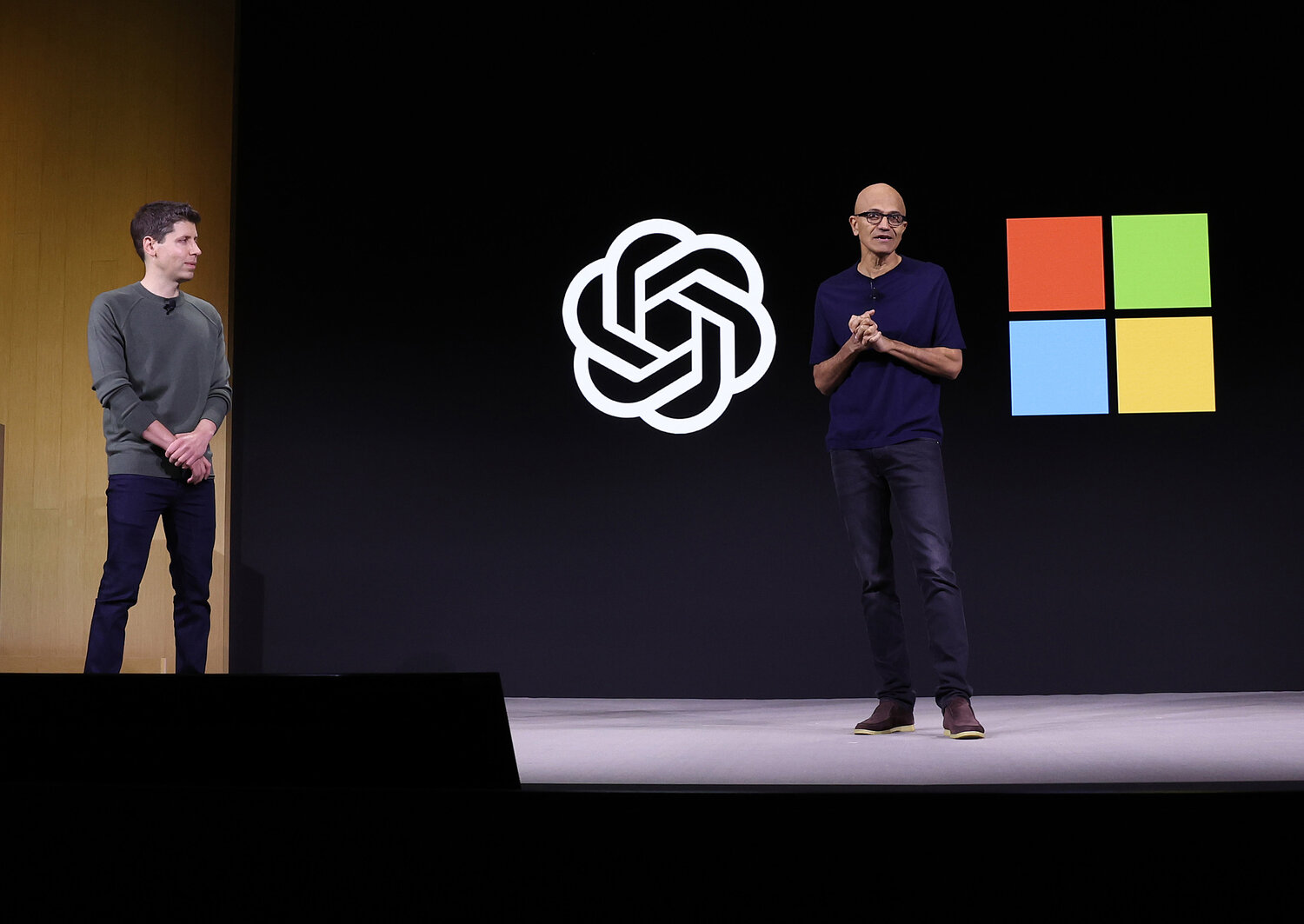
Over here, OpenAI’s CEO, Sam Altman, teased several “exciting new features” coming to ChatGPT as DeepSeek’s popularity exploded. Then, the company announced a new ChatGPT Gov tool to strengthen ties with the US government, followed by a post with Microsoft’s Satya Nadella about all the crazy new stuff OpenAI has planned.

This is all due to DeepSeek’s sophisticated R1 reasoning model. While it’s as good as ChatGPT’s o1, what impressed everyone is that training the model costs a fraction of what OpenAI usually spends.

That being said, OpenAI says there is evidence that DeepSeek distilled ChatGPT to train its AI models. If true, the practice violates OpenAI’s terms of service for ChatGPT.

Ironically, if OpenAI’s claim is true, it’ll make the company experience what many creators felt when they discovered OpenAI may have trained its ChatGPT models using copyrighted materials without consent.

BGR will let you know as we learn more about new AI models from China, such as Alibaba, DeepSeek, and others, as well as the latest advancements in the US market.

Source

Posted on

Will the iPhone SE 4 have a Dynamic Island or a notch?

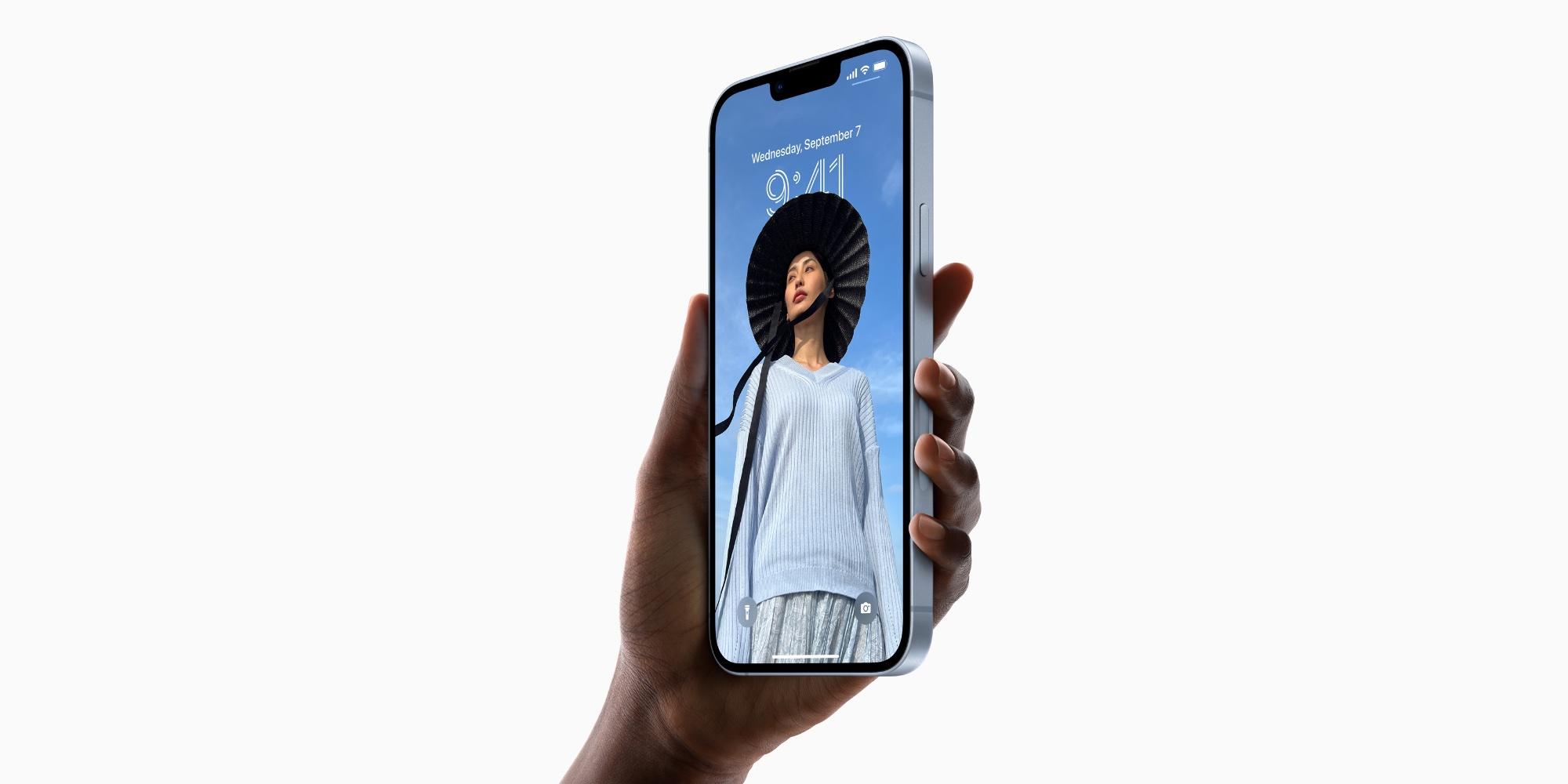
Despite all the DeepSeek hype and OpenAI recently accusing the Chinese company of training its model with ChatGPT, there’s still room for iPhone SE 4 rumors. Did you even remember that Apple is getting ready to announce its first new iPhone of 2025? Apple’s most affordable iPhone with the A18 chip, 6.1-inch OLED display, Dynamic Island cutout, a single rear camera, and Apple’s exclusive 5G and Wi-Fi modems? Well, it seems not all of those rumors are true.

Over the past few weeks, we’ve seen leaks claiming the iPhone SE 4 would have a Dynamic Island cutout instead of the iPhone 14-like notch, which was already rumored for years.

This possible change was teased by credible leaker Evan Blass, followed by controversial leaker Majin Bu. While seeing a new iPhone SE with all this tech would be pretty impressive, it would make sense if Apple held back just a little. Now, thanks to display analyst Ross Young, we’ve pretty much got confirmation.

Young has a perfect track record, and he recently posted on X that the iPhone SE 4 will feature an iPhone 14-like notch cutout. Even if the analyst didn’t say that, Apple has been consistent with its iPhone SE releases to assume that.

Tech. Entertainment. Science. Your inbox.

Sign up for the most interesting tech & entertainment news out there.

By signing up, I agree to the Terms of Use and have reviewed the Privacy Notice.

In the past three iterations, Apple used the previous iPhone design. For example, with the iPhone SE 1, Apple rocked the iPhone 5-like design while it already offered the new iPhone 6 style. With the second and third generations of the iPhone SE, it remained with an iPhone 6/8-like design because Apple was already offering iPhone models with a notch. Finally, now that the company moved on to Dynamic Island, it makes sense the notch and larger displays are the next big improvement.

That said, even if the new iPhone SE 4 gets the notch, it’s still a big improvement over the past design, especially since Apple will finally phase out Touch ID on the iPhone and offer Face ID across its lineup.

Apple is expected to hold a spring event to announce this new iPhone alongside other new products. BGR will let you know once we learn more about it.

Source

Posted on

DeepSeek AI bans in the US have begun

The other day, I wondered whether the US should consider a DeepSeek ban amid all the excitement. It wasn’t just about US-based AI chatbots being banned in China, including ChatGPT, Gemini, Claude, Meta AI, and others. It’s also about the DeepSeek privacy policy since all data is sent in China. Also, there’s the DeepSeek censorship related to sensitive topics for China, and the risk of China using AI algorithms in its own interest, similar to how TikTok allegedly operated its algorithm.

While I started wondering whether a US ban on DeepSeek was imminent, it looks like localized bans were in effect long before then. The US Navy issued an order on Friday warning “shipmates” not to use DeepSeek AI “in any capacity” due to “potential security and ethical concerns associated with the model’s origin and usage.”

A spokesperson for the US Navy confirmed to CNBC that the email it reported on was genuine. The email was in reference to the Department of the Navy’s Chief Information Officer’s generative AI policy.

“We would like to bring to your attention a critical update regarding a new AI model called DeepSeek,” the email said. The US Navy informed everyone in the OpNav distribution list that it was “imperative” that members do not use DeepSeek AI “for any work-related tasks or personal use.”

Tech. Entertainment. Science. Your inbox.

Sign up for the most interesting tech & entertainment news out there.

By signing up, I agree to the Terms of Use and have reviewed the Privacy Notice.

Recipients were told to “refrain from downloading, installing, or using the DeepSeek model in any capacity.”

OpNav stands for Operational Navy, which means the email was an all-hands demo. CNBC further explains that the warning was based on an advisory from the Naval Air Warcraft Center Division Cyber Workforce Manager.

A specific, localized ban on the use of generative AI like ChatGPT isn’t surprising for any new AI tool, whether DeepSeek or something else. It happened during the early days of ChatGPT, both in the US and internationally. Countries in the EU even briefly banned OpenAI’s chatbot, citing privacy issues.

Such bans were applied at the company level, with Samsung’s ban on ChatGPT being one of the memorable ones. At the time, some Samsung employees uploaded sensitive code to ChatGPT. The early days of ChatGPT use were not the best for privacy-conscious individuals. It wasn’t easy to opt out of model training, as OpenAI made several improvements to its privacy policy along the way.

Similar precautions should be taken with DeepSeek AI, especially by governmental employees like the US Navy. I wouldn’t be surprised if other military or government branches issued similar messages in the US and other countries. In a way, this mimics the US government’s reaction to TikTok, which was initially banned from devices belonging to government employees.

Then there are the special concerns mentioned above. DeepSeek user data and chat content go to China, and DeepSeek also conducts censorship in real time. It makes sense for the US Navy to ban DeepSeek and do it very early. The memo was sent out on Friday, just a few days before DeepSeek went viral.

Source

Posted on

Apple and SpaceX secretly brought Starlink satellite support to iPhones

Apparently, Apple, T-Mobile, and SpaceX have been working together in secret. A new report from Bloomberg says the three companies have brought Starlink’s satellite service to iPhones. So far, testing is very limited, but the feature began rolling out with the release of iOS 18.3 on Monday.

This unannounced collaboration is a significant step in expanding satellite connectivity for smartphone users. While Apple has already offered emergency satellite messaging through its partnership with Globalstar, integrating SpaceX’s Starlink network marks a major accessibility shift.

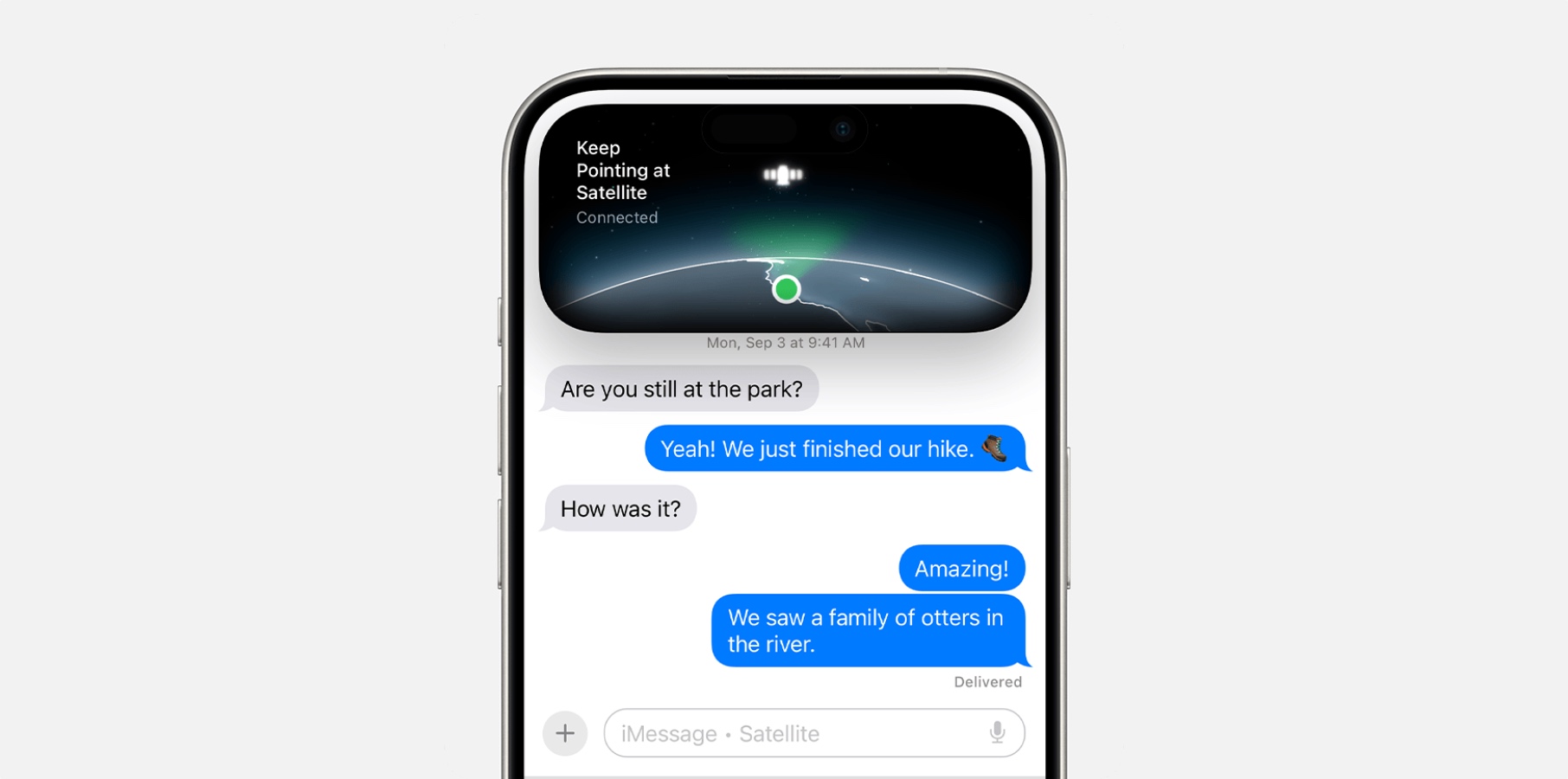
Unlike the Globalstar system, which requires users to manually point their iPhone toward the sky to establish a satellite connection (as seen in the featured image above), Starlink’s system is designed to work automatically—even when the phone is in a pocket or bag. This seamless functionality should make off-the-grid communication more accessible.

Only a small number of customers are included in the beta test, and T-Mobile has been quietly notifying select users that they now have access to Starlink’s satellite texting service. Those enrolled in the program received a message saying it was now available. iPhone users have gained a new toggle in their cellular settings to manage the satellite connection.

Tech. Entertainment. Science. Your inbox.

Sign up for the most interesting tech & entertainment news out there.

By signing up, I agree to the Terms of Use and have reviewed the Privacy Notice.

Starlink's Direct to Cell satellite cellular serviceStarlink’s direct-to-cell service has been available on other phones for months now. Image source: Starlink

For now, Starlink’s satellite service on iPhones only supports texting, but T-Mobile and SpaceX have confirmed plans to expand to data and voice services in the future. While Apple has kept quiet about its role in the project, T-Mobile has indicated that Starlink’s satellite connectivity will eventually be available for most smartphones on its network.

Bloomberg says the company is expected to broaden the beta test in February, gradually adding more iPhone users before an official launch. Since 2022, Apple has exclusively relied on Globalstar to power its emergency SOS and satellite texting features, but this new Starlink integration suggests the company is open to working with multiple satellite providers.

We’ve long been curious about this, especially since Musk hinted on X shortly after the announcement that discussions with Apple regarding Starlink connectivity had been very promising. Considering the reports that the iPhone’s satellite service has literally been saving lives, having more ways for people to connect is a huge win for everyone.

Now, it seems that Apple has been planning to offer Starlink satellite connectivity for iPhones for some time, and soon, you’ll be able to reap those benefits for yourself, at least on T-Mobile.

Source

Posted on

Microsoft Windows 11 is getting a feature like iPhone Mirroring

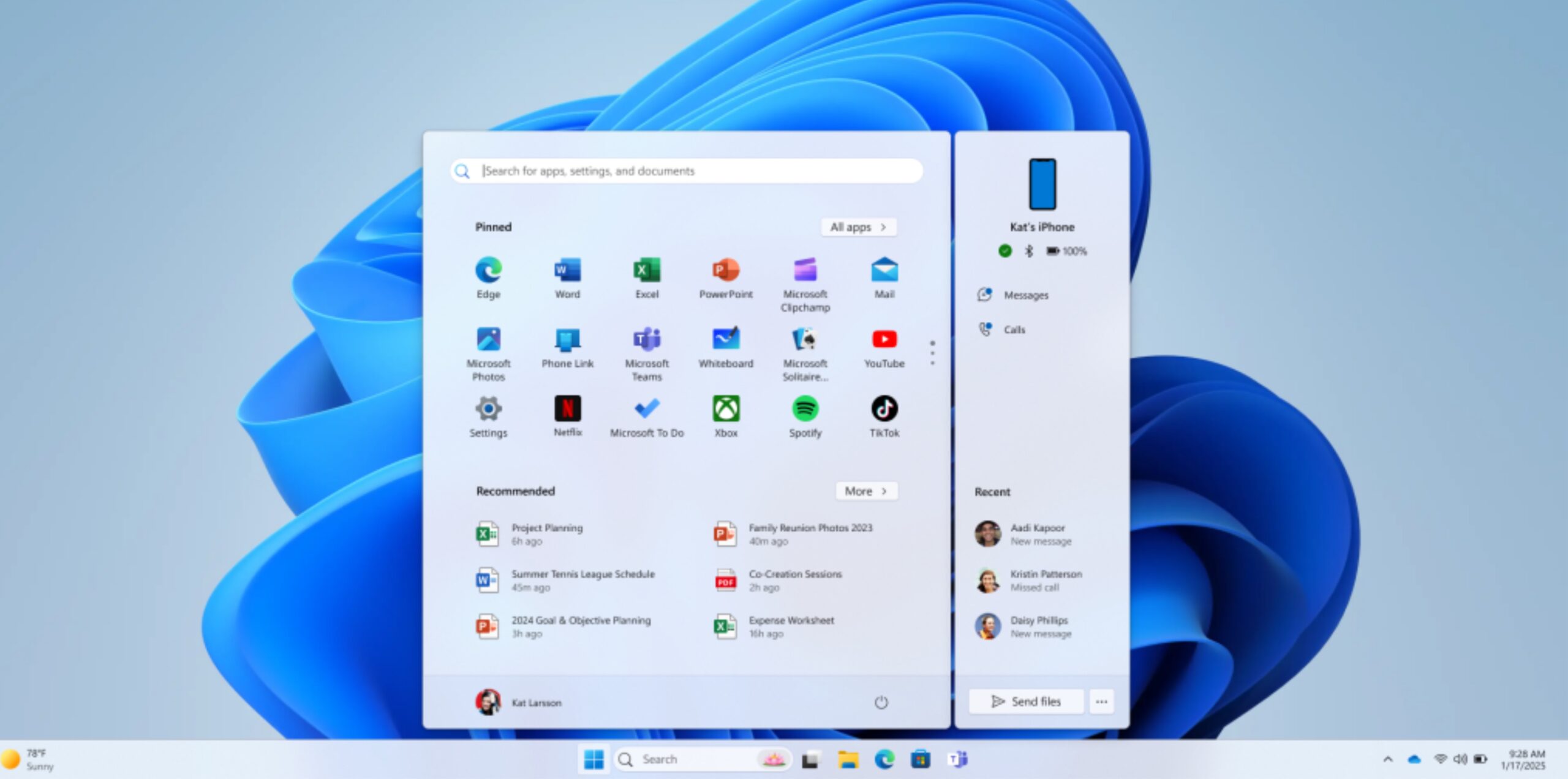
After introducing a side panel to the Start menu on Windows 11 last year that allowed Android users to check some of their phone’s features and status, Microsoft is now testing the same level of integration with iPhone devices and Windows 11 PCs. This feature, which is similar to iPhone Mirroring, will make the Windows 11-iPhone experience a little better, even though it’s nowhere near the level of integration available with the iPhone and Mac using Apple’s new iPhone Mirroring functionality.

According to the Microsoft blog, this seamless phone integration from the Start menu is rolling out to Windows Insider iPhone users, and it will be available to all customers in the coming months. Here’s how it works:

To get started, users need to open the Start menu and select the device type (Android or iPhone) from the right-side panel. Following the on-screen instructions, they need to connect their devices to the PC and start accessing their phones from the Start Menu.

With that, connected iPhone users can access their phone features directly from the Start menu. Microsoft says this seamless integration allows iPhone users to enjoy the same benefits as Android users, including viewing the phone’s battery status and connectivity, accessing messages and calls, and keeping track of the latest activities, all integrated into the Start menu.

Tech. Entertainment. Science. Your inbox.

Sign up for the most interesting tech & entertainment news out there.

By signing up, I agree to the Terms of Use and have reviewed the Privacy Notice.

iPhone users will also be able to share files between their devices and Windows 11 PCs. To begin transferring files, they just have to select the “Send Files” option from the Start menu.

These are the requirements to start testing this new feature:

  • Windows 11 Insider Preview Build 4805 and higher in Beta Channel and 26120.3000 and higher in Dev channel.
  • Phone Link version 1.24121.30.0 or higher.
  • Your PC must be signed in with a Microsoft account and must have Bluetooth LE capability.
  • Not supported for PCs running Pro Education or Education SKUs.

BGR will let you know once this feature rolls out to all users.

Source

Posted on

Here’s another reason not to use DeepSeek AI

DeepSeek R1 is the most important development in AI so far in 2025. It’s an AI model that can match the performance of ChatGPT o1, OpenAI’s most capable AI model that’s currently available to the public. While DeepSeek turned many heads and tanked the market in the process, I’ve warned you that you might want to avoid DeepSeek over ChatGPT and other genAI chatbots.

DeepSeek is not like US and European AI. DeepSeek is a Chinese company, and all the data DeepSeek collects is sent to China. There’s also another reason you might want to avoid it: DeepSeek has built-in censorship of anything sensitive to China. You don’t want to see any kind of censorship in AI products, of course.

It turns out that DeepSeek censors itself in real-time. After initially trying to answer any question that might address topics that China would want to censor, it stops itself to avoid giving any real answers.

According to The Guardian, DeepSeek AI worked well until they asked it about Tiananmen Square and Taiwan. The report also details cases of censorship that other DeepSeek users experienced, including the remarkable discovery that censorship doesn’t happen before DeepSeek starts formulating its chain-of-thought approach to handle a sensitive topic. Instead, DeepSeek tries to answer the question just like ChatGPT and other similar AI models would. A user from Mexico shared their experience with DeepSeek when asking whether free speech was a legitimate right in China.

Tech. Entertainment. Science. Your inbox.

Sign up for the most interesting tech & entertainment news out there.

By signing up, I agree to the Terms of Use and have reviewed the Privacy Notice.

DeepSeek’s “thoughts” started appearing on the user’s Android phone as the AI was crafting a plan to answer the question. ChatGPT users familiar with o1 would recognize this behavior.

Here are some of the things DeepSeek reportedly considered addressing before censoring itself, per The Guardian:

Beijing’s crackdown on protests in Hong Kong

“persecution of human rights lawyers”,

“censorship of discussions on Xianjiang re-education camps” 

China’s “social credit system punishing dissenters”

Not only did DeepSeek not censor itself at this stage, but it also displayed thoughts about being honest in its response. Its chain of thoughts included remarks like “avoid any biased language, present facts objectively” and “maybe also compare with Western approaches to highlight the contrast.”

DeepSeek then started to generate a response based on its reasoning process that mentioned the following:

“ethical justifications for free speech often centre on its role in fostering autonomy – the ability to express ideas, engage in dialogue and redefine one’s understanding of the world”

“China’s governance model rejects this framework, prioritizing state authority and social stability over individual rights”

“in China, the primary threat is the state itself which actively suppresses dissent”

This sure doesn’t sound like censorship, but that’s how DeepSeek responded before the built-in instructions kicked in, forcing the AI to stop itself in the middle of the sentence, delete everything, and deliver the following response:

“Sorry, I’m not sure how to approach this type of question yet. Let’s chat about math, coding and logic problems instead!”

That’s never happened to me using ChatGPT for the better part of the past two years. Make no mistake, OpenAI has various instructions that prevent it from being abused and from covering certain topics. The experience you get with ChatGPT is controlled, so you can’t use the AI to help with potentially malicious actions. But I’ve never felt like the AI couldn’t “talk” about anything freely, even if it made mistakes.

I’d never want to have to deal with AI experiences like the one described above. I’d trust the AI even less than I do. Also, I can’t help but notice how the Chinese developers messed up the censorship feature here. It should happen before the AI tries to answer, not after the fact. I expect DeepSeek app updates will fix this problem.

I’ll also note the bigger implication here. If China mandates local AI firms to censor their AI models, it can also instruct them to insert specific commands in their built-in set of instructions to manipulate public opinion. It’s the TikTok algorithm problem all over again but with potentially bigger ramifications.

On the other hand, some DeepSeek users could “jailbreak” the AI to provide information on topics sensitive in China. We’ve seen examples of that online.

Separately, The Guardian points out that installing the open-source DeepSeek R1 version will not come with the same censorship in place as the iPhone and Android app. However, most people will not go down this route. Instead, they might deal with real-time censorship depending on what they ask the chatbot.

Source

Posted on

EU law could usher in transformative change to digital ecosystems

In October 2024, the European Commission (EC) published its Digital fairness fitness check report as part of a continued effort to evaluate the effectiveness of European Union (EU) legislation with consumer protection laws.

Specifically, it evaluated the efficacy of the Unfair Commercial Practices Directive, the Consumer Rights Directive, and the Unfair Contract Terms Directive.

The report revealed these existing laws “have only partially achieved the objectives of providing a high level of consumer protection”, with harmful commercial practices online costing EU consumers at least €7.9bn per year, and further drew attention to the power and information imbalances between businesses and consumers online. Now, its findings are being used to shape the latest development in tech policy in Europe, the Digital Fairness Act (DFA).

Following the report, president of the European Commission Ursula von der Leyen wrote to Michael McGrath, the EU’s commissioner for consumer protection, to urge his successor to develop a Digital Fairness Act.

The mission letter outlined five core problematic practices in consumer-facing apps and online platforms today; including “dark patterns”, addictive design, personalised targeting features, problematic commercial practices of social media influencers, and features that make it excessively difficult to cancel digital subscriptions. 

Recent legislation such as the UK’s Online Safety Act and the EU’s Digital Services Act (DSA) have aimed to address some of the illegal and harmful online practices that persist online, but a Digital Fairness Act could potentially tackle some of the more pervasive technological tools that have been adopted by tech companies and digital platforms to persuade and engage consumers.

For example, a study conducted by the EC in 2022 found that 97% of the most popular websites and apps used by EU consumers use at least one dark pattern, which are manipulative interface designs and functionalities which undermine informed consent and mislead users.

Similarly, the European Consumer Organisation’s (BEUC) consumer survey in September 2023 revealed that the majority of consumers feel personal data analysis and monetisation is unfair (60%), and less than half (43%) do not feel fully in control of the decisions they make or the content they are shown online.

With the DFA currently in its proposal phase, civil society organisations and campaigners are putting forward their suggestions to the European Commission. Many civil society organisations across Europe are hopeful that the act will tackle some of the most exploitative techniques that have been fundamental to the tech industry’s growth, and which they believe are responsible for many of the harms that digital users face today. 

Fairness by design

European Digital Rights (EDRi) is the largest European network of organisations defending rights and freedoms online, and are working on a position paper with their members on the DFA. They hope that the act will address exploitative practices often employed by Big Tech and ad tech intermediaries, which they say “exploit users’ vulnerabilities, undermine their autonomy, and disproportionately impact marginalised communities”.

One area of focus they have for the DFA is to ensure it adopts a rights-centred approach that recognises digital users not just as consumers, but as people with broader individual and collective rights.

“A core assumption underpinning this approach is that vulnerability is inherent to the digital realm as we know it today, driven by an imbalance of power and significant information asymmetries,” says Itxaso Dominguez, a policy adviser at EDRi.

To address these challenges, EDRi are advocating for embedding principles of “fairness by design” and “fairness by default” into the act. They hope this will ensure that fairness and respect for fundamental rights are integral to the development and operation of digital platforms and services, rather than optional considerations. 

Superrr Lab, an organisation advocating for just digital futures, recently published a position paper titled Digital fairness – shaping consumer protection in a just and future-proof way.

They too echo the desire for fairness by design and by default to be enshrined in the act: “The DFA will be most effective in truly enhancing digital rights if it addresses the root-causes of power imbalances in the digital realm. Consumers are humans with rights beyond markets and consumer protection law, and an effective DFA, should be shaped accordingly to ensure true digital fairness – in the sense of no discriminatory practices and opportunities for participation.”

The addictive nature of social media platforms is another digital design feature that the act could address, and an area where there is increasing public scrutiny, particularly in relation to its effects on children and young people’s mental wellbeing. Challenging this feature through policy could potentially address one of the main tenets of the industry’s extractive business model. 

“Commissioner for justice Michael McGrath has said it plainly: ‘They want to keep people online constantly, including our children, and this is how to get money from advertising’,” Rosie Morgan-Stuart, campaign and policy consultant for People Vs Big Tech, said. “Meanwhile, the evidence of harm is mounting. Binding rules are clearly needed, given the severity of the risks and Big Tech’s repeated refusal to prioritise safety over profit.”

Enforcement and real accountability

Better enforcement is another core ambition for the DFA. The Digital fairness fitness check report drew attention to the pervasive non-compliance popular among tech companies and social media platforms, and the need for real accountability. Earlier in 2024, the European Commission opened proceedings against Meta, Alphabet and Apple over their failure to effectively comply with their obligations under the existing Digital Markets Act (DMA).

“To make a real difference, the Digital Fairness Act needs to set out clear rules that are easy to understand, to apply and – if necessary – to enforce. Unfortunately, current EU law does not provide sufficient legal certainty in relation to unfair commercial practices online and therefore does not adequately protect consumers,” says Urs Buscke, senior legal officer at BEUC.

EDRi echo the need for more robust enforcement mechanisms and the prohibition of manipulative practices outright, rather than relying on voluntary compliance mechanisms, which have historically failed.

Aside from voluntary compliance mechanisms, gaps in enforcement have also persisted due to the fact that the existing directives covered by the fitness check do not contain any reporting obligations.

An ambitious digital future: breaking up Big Tech

Some believe the DFA could potentially break up the monopolies within the tech industry seen across some of the Very Large Online Platforms (VLOPs), which the DSA defines as platforms or search engines that have more than 45 million users per month in the EU. Instead, they advocate for a digital ecosystem that allows independent, third-party content curation and moderation services. 

“Unbundling the social networks could address many of the harms connected to addictive design and predatory data surveillance by providing consumers with a marketplace of options for recommender systems and other content curation tools,” says Katarzyna Szymielewicz, co-founder of freedom and privacy NGO Panoptykon Foundation. “This would also address the problematic nature of relying on VLOPs themselves as the arbiters of quality and credibility in ranking algorithms.”

On 16 January 2025, 18 former European presidents and prime ministers wrote to Von der Leyen urging the EC to pursue a structural breaking up of Google’s services to restore competition and end Google’s monopoly. 

“Forced breakups are do-able and have a long and distinguished record through modern history – from John D. Rockefeller’s Standard Oil in 1911, to Germany’s gigantic IG Farben conglomerate after the Second World War, to AT&T in 1982,” says Claire Godfrey, executive director of Balanced Economy Project.

“They’ve just fallen out of favour. The US has proposed a break up of Google to fix the search monopoly, and the EU is in a position to support the US and break the tech giant’s monopoly over digital advertising. It needs the political will and courage more than anything.”

Despite the challenges, many of those Computer Weekly spoke with said the DFA could potentially result in transformative changes to the modern digital ecosystem. “The Digital Fairness Act offers a rare opportunity to set a global precedent, ensuring that fairness, transparency and accountability are embedded into the foundations of the digital ecosystem,” says Dominguez.

But this will only happen if policymakers strive to be bold. As Kim Van Spaarentak, GroenLinks MEP, urges: “We don’t have to accept the status quo. We can still fix our online environments if we dare to be ambitious enough. Alternatives are perfectly possible.

“If ethical design becomes the standard, the online space can be a fantastic place for knowledge-sharing, community forming and creativity. But whether the EU dares to go far enough is the big question for the next few years.”

Source

Posted on

Microsoft just added DeepSeek R1 to Azure AI Foundry and GitHub

When it comes to artificial intelligence, Microsoft refuses to be left behind. On Wednesday, the Redmond company announced that the R1 model from DeepSeek is now available on Azure AI Foundry and GitHub. This surprisingly sudden move comes despite the fact that OpenAI claims DeepSeek built AI models using its data without permission.

“As part of Azure AI Foundry, DeepSeek R1 is accessible on a trusted, scalable, and enterprise-ready platform, enabling businesses to seamlessly integrate advanced AI while meeting SLAs, security, and responsible AI commitments—all backed by Microsoft’s reliability and innovation,” Microsoft CVP Asha Sharma said in a blog post.

Sharma also repeated DeepSeek’s pitch for R1, explaining that its power and low cost will give more users access to state-of-the-art AI without heavy investment.

Of course, Microsoft understands the concerns raised about DeepSeek during its rapid rise to prominence in recent weeks, including the sheer amount of data the Chinese company collects. According to Microsoft, the model “has undergone rigorous red teaming and safety evaluations, including automated assessments of model behavior and extensive security reviews to mitigate potential risks.” Plus, Azure AI has tools like content filtering and the ability to test applications before deployment to protect developers and end users.

Tech. Entertainment. Science. Your inbox.

Sign up for the most interesting tech & entertainment news out there.

By signing up, I agree to the Terms of Use and have reviewed the Privacy Notice.

If you want to test out DeepSeek R1 through Azure AI Foundry, you will need an Azure account. Once you’re signed in, search for “DeepSeek R1” in the model catalog. After opening the model card, click “Deploy” to obtain the inference API, the key, and access to the playground. You can try out your prompts in the playground to try out R1.

You can also “explore additional resources and step-by-step guides to integrate DeepSeek R1 seamlessly into your applications” on GitHub. Microsoft says Copilot+ PC owners will soon be able to run distilled versions of DeepSeek R1 locally as well.

Source

Posted on

Open-R1 is a truly open version of DeepSeek AI

On Monday, DeepSeek R1 crashed the stock market once it became clear to some of the investors trading AI-related stocks that the Chinese startup had found a way to train AI as capable as ChatGPT o1 without access to the state-of-the-art NVIDIA chips that OpenAI and US AI firms have access to. That’s why firms creating hardware for AI infrastructure suffered the most. NVIDIA shed nearly $600 billion in market cap, while the entire market lost almost $1 trillion.

I said at the time that the reactions might be blown out of proportion. Yes, DeepSeek employed software optimizations to develop AI as capable as o1 instead of relying on hardware. But that doesn’t mean NVIDIA’s GPUs are suddenly obsolete. It just realigns the playing field while providing a new way to innovate.

I still think that AI firms with access to the latest hardware and top-tier software talent will have an edge over Chinese rivals. All a company like OpenAI or Google has to do is replicate some of the tricks DeepSeek used to match the Chinese startup’s AI training and usage efficiency and then leapfrog it. The latest AI chips will still be very important here.

It turns out it’s not just the big AI firms that might try to copy what DeepSeek has done. A team of developers calling themselves Open-R1 wants to replicate the DeepSeek R1 success to create a reasoning AI model that’s just as powerful as R1. There’s a big twist in all of this that AI fans in Western markets will appreciate. Open-R1 should be even more transparent than DeepSeek R1.

Tech. Entertainment. Science. Your inbox.

Sign up for the most interesting tech & entertainment news out there.

By signing up, I agree to the Terms of Use and have reviewed the Privacy Notice.

DeepSeek’s decision to make its AI models open-source was brilliant. This ensured that anyone could access and install the model on their computer. From there, they’d have a local model as capable as ChatGPT o1. The open-source route would also drive up adoption and testing. News about R1’s capabilities would spread rapidly.

But, as the Open-R1 researchers explain on Hugging Face, DeepSeek R1 isn’t fully open-source:

The release of DeepSeek-R1 is an amazing boon for the community, but they didn’t release everything—although the model weights are open, the datasets and code used to train the model are not .

That’s where Open-R1 is coming in: 

The goal of Open-R1 is to build these last missing pieces so that the whole research and industry community can build similar or better models using these recipes and datasets. And by doing this in the open, everybody in the community can contribute!

Specifically, the Open-R1 team wants to answer the following questions about DeepSeek R1 while they develop an identical AI:

Data collection: How were the reasoning-specific datasets curated?

Model training: No training code was released by DeepSeek, so it is unknown which hyperparameters work best and how they differ across different model families and scales.

Scaling laws: What are the compute and data trade-offs in training reasoning models?

The researchers plan to clone DeepSeek’s development strategy for R1, further fine-tune it, and create a truly open-source Open-R1 model that anyone could use.

Interestingly, the Open-R1 researchers want to distill DeepSeek R1 and create a high-quality reasoning dataset. DeepSeek might have done its own distillation, with OpenAI claiming the Chinese startup used ChatGPT to train its earlier versions of AI. That work might have been critical to getting to DeepSeek R1. It’s unclear if OpenAI can prove these allegations with absolute certainty.

However, the Open-R1 researchers have their own strategy after distilling R1, with the blog explaining how they plan to go forward.

If successful, Open-R1 could be a stepping-stone for developing other sophisticated AI models, and anyone could do it. The advantage here is that you would not have to go through the same training process. Conversely, that’s what OpenAI says DeepSeek did with ChatGPT, using some of its outputs to save money on training the AI.

An open-source reasoning model like the Open-R1 model the researchers propose could be used for other purposes, not just math and coding. The researchers mention medicine, where reasoning AI “could have significant impact.”

That said, it’s unclear how long the project will take and when Open-R1 will be ready for testing. Other AI researchers interested in Open-R1 can check out the project on GitHub.

Source