Posted on

Your Apple ID was not suspended

With over 2 billion Apple devices in use worldwide, it’s likely that hundreds of millions of people receive scary emails telling them they need to act fast as their Apple ID is in some sort of danger. Maybe the Apple ID was suspended, or perhaps you need to refresh your Apple Pay information because it’s supposedly not up to date.

These emails look similar to what Apple might send. They try to convince you to click a button to help you rectify the problem. That button will lead to a website that looks like Apple’s, but it’s not. 

Whatever you do, don’t click the link, and do not fill in your information. Why? Well, your Apple ID was not suspended, and your Apple Pay cards still work. It’s not Apple contacting you; it’s hackers trying to steal access to your Apple Account.

I get these emails occasionally, and you probably do as well. They’ll even send scary Apple ID emails to email accounts that aren’t actually associated with my Apple Account. They have no way of knowing that, and that’s the first red flag you’re dealing with phishing attacks.

Tech. Entertainment. Science. Your inbox.

Sign up for the most interesting tech & entertainment news out there.

By signing up, I agree to the Terms of Use and have reviewed the Privacy Notice.

By the way, Apple ID is no longer called that. It’s an Apple Account, and that’s another hint that you’ve received a phishing email trying to get access to your login credentials.

How do hackers target you?

With so many data breaches occurring in the past years, hackers have obtained a treasure trove of information about hundreds of millions of people. All they need is a valid email address to start sending phishing attacks in bulk. 

That explains why you’ll receive “Apple ID suspended” emails from email accounts not associated with your Apple Account. 

The hackers hope a percentage of the unsuspecting victims will click the links in the emails where they’d fill in passwords and/or credit card numbers. 

What do the hackers want?

Any phishing attack is looking for access first and foremost. You’ll be told to click a link that looks like something you’d get from Apple. From there, you might be prompted to log into your Apple ID on a website that looks like Apple’s, but it’s fraudulent. Just look at the URL you’re being directed to. It’ll have a strange address rather than something simple associated with Apple.com or iCloud.com.

The attackers might even try to obtain two-factor authentication (2FA) codes from you once you fill in your login details to bypass Apple’s security protections. Never accept that, either. 

Once they obtain your login data and 2FA data, they might try to purchase products and gift cards or just snoop around. Maybe you hold passwords in your iCloud Notes, which would become accessible to them once they get in. 

Or they might be after Apple Pay data so that they can use credit cards to buy things online, which they’ll then sell on the black market.

Logging into my Apple ID on iCloud.com.Logging into my Apple ID on iCloud.com. Image source: Chris Smith, BGR

What you should do

First of all, do not panic. Rather than acting in a rush, just inspect the email carefully. Email services usually catch some of these, sending them directly to the spam folder. But others make it to your inbox. 

The first thing you should do is look at the sender’s email address and compare it to emails you receive regularly from Apple. If your Apple ID is associated with the same email account, you can easily compare them.

Hackers might spoof their emails to make them look like they’re coming from Apple. Just hover over the “From” field to see what it says without clicking. Do the same for links and buttons in the phishing email.  They might say, “Go to Apple ID” or “Update Account,” but these are not official. 

Next, look at the text in the email. It often includes inconsistencies. Hackers might try to make it look like the real thing, using Apple logos and similar colors. The email might also include your name if the hackers obtained it from the data breach your email address came from and purported case IDs.

However, the text will often contain grammar and punctuation mistakes. It’ll be easy to spot them. 

After all of that, just go about your day. Send that scary email to the spam folder, and forget about it. 

What if…

I know what you’re thinking: maybe the email is from Apple after all.

In that case, continue to do nothing the sender tells you to do. Instead, inspect your Apple ID on your iPhone, Mac, or iPad and ensure it’s working properly. Go outside and use Apple Pay to make sure you can make payments. 

You’ll notice that your Apple ID has not been suspended, and Apple Pay still works. 

The email you’ve just received will often contain a deadline to pressure you into action. You have 24 or 48 hours to save your account. Wait it out. The hackers might reach out again or not. Your Apple ID will continue to work properly.

You should also contact Apple directly and ask for guidance. Apple actually has a detailed support document that explains some of the scams associated with Apple products, including Apple Accounts.

Finally, if these emails are increasingly frequent, you should change your Apple ID email address to a freshly minted email address. Then, use that email address only for your Apple account and nothing else.

While we’re at it, change your Apple ID passwords from time to time. Use password managers to create unique, strong passwords for each online service you might use.

Mind you, some hackers might also call you pretending to be Apple support staff. They’re looking to extract the same information. Whatever you do, don’t provide it. Hang up, and call Apple yourself. If you’re lucky, some scammers will talk to a Grandma AI instead of you, which will keep them on the line so they can’t target real people.

Apple will never ask you to provide critical account information over the phone or email. Here’s what Apple says in the support document above: 

Apple will never ask you to log in to any website, or to tap Accept in the two-factor authentication dialog, or to provide your password, device passcode, or two-factor authentication code or to enter it into any website.

Rinse and repeat every time you receive a scary email telling you your Apple ID has been suspended. 

Mind you, the same scam can apply to all sorts of online accounts. But hackers will target Apple users first. Treat those emails with the same circumspection and do nothing to fix the problem they instruct you to fix.

After your first shock when receiving such an email, you’ll soon get used to recognizing phishing attacks that warn you that your internet account has just been suspended because you’ll continue to get these emails time and again.
Source

Posted on

We may now know when Apple Intelligence will get Google Gemini integration

iOS 18.2 will finally bring OpenAI’s wildly popular ChatGPT to Siri thanks to integration with Apple Intelligence. This partnership will make Apple’s AI platform even more clever by upgrading Writing Tools and beefing up Siri with ChatGPT’s most recent large language models.

While deeper integration isn’t expected until iOS 18.4, when Siri will be able to control people’s iPhones, there’s a lot of anticipation about this partnership between Apple and OpenAI. Here’s how Apple explains it:

With ChatGPT from OpenAI integrated into Siri and Writing Tools, you get even more expertise when it might be helpful for you — no need to jump between tools. Siri can tap into ChatGPT for certain requests, including questions about photos or documents. And with Compose in Writing Tools, you can create and illustrate original content from scratch.

You control when ChatGPT is used and will be asked before any of your information is shared. Anyone can access ChatGPT for free, without creating an account. ChatGPT subscribers can connect accounts to access paid features within these experiences.

iOS 18.2 ChatGPT integration with Apple IntelligenceiOS 18.2 ChatGPT integration with Apple Intelligence Image source: José Adorno for BGR
However, this isn’t the only LLM that will be available with its AI platform. Back in June, during the WWDC 2024 keynote, Apple announced that Apple Intelligence would work with third-party LLMs. While this partnership starts with ChatGPT, more companies will be able to join the party later.

So far, Bloomberg has reported that Antropic’s Claude and Google’s Gemini were working on this integration. Apple’s Craig Federighi already stated that he would love to have Gemini integration with Apple Intelligence.

Tech. Entertainment. Science. Your inbox.

Sign up for the most interesting tech & entertainment news out there.

By signing up, I agree to the Terms of Use and have reviewed the Privacy Notice.

Now in his latest Power On newsletter, Bloomberg‘s Mark Gurman gave a tidbit on when to expect Google Gemini integration in Apple Intelligence. With an official app recently released for iPhone users, Gurman expects Google Gemini to be available with Apple Intelligence sometime next year. That’s obviously bad news if you’re eagerly awaiting the ability to use Gemini in place of ChatGPT within Apple Intelligence, though we’re not sure how many people out there fall into that category.

The supposed delay is probably due to Apple’s deal with OpenAI. Since Cupertino doesn’t pay OpenAI for this integration, the reporter thinks Apple gave it a “nice window of exclusivity,” which is why “I wouldn’t expect the Gemini chatbot to arrive in iOS until next year.”

Source

Posted on

tvOS 18.2 beta 3 now available with Snoopy screen savers

Apple just released tvOS 18.2 beta 3. After a tame tvOS 18.1 update, this new version is finally adding some of the delayed features announced at WWDC 2024.

For example, tvOS 18.2 beta 3 now supports the new 21:9 aspect ratio, which is perfect for Apple TVs connected to projectors. The company has also added a few other options, such as 2.37:1, 2.39:1, 2.40:1, DCI 4K, and 32:9. They are available under Apple TV’s Audio and Video settings.

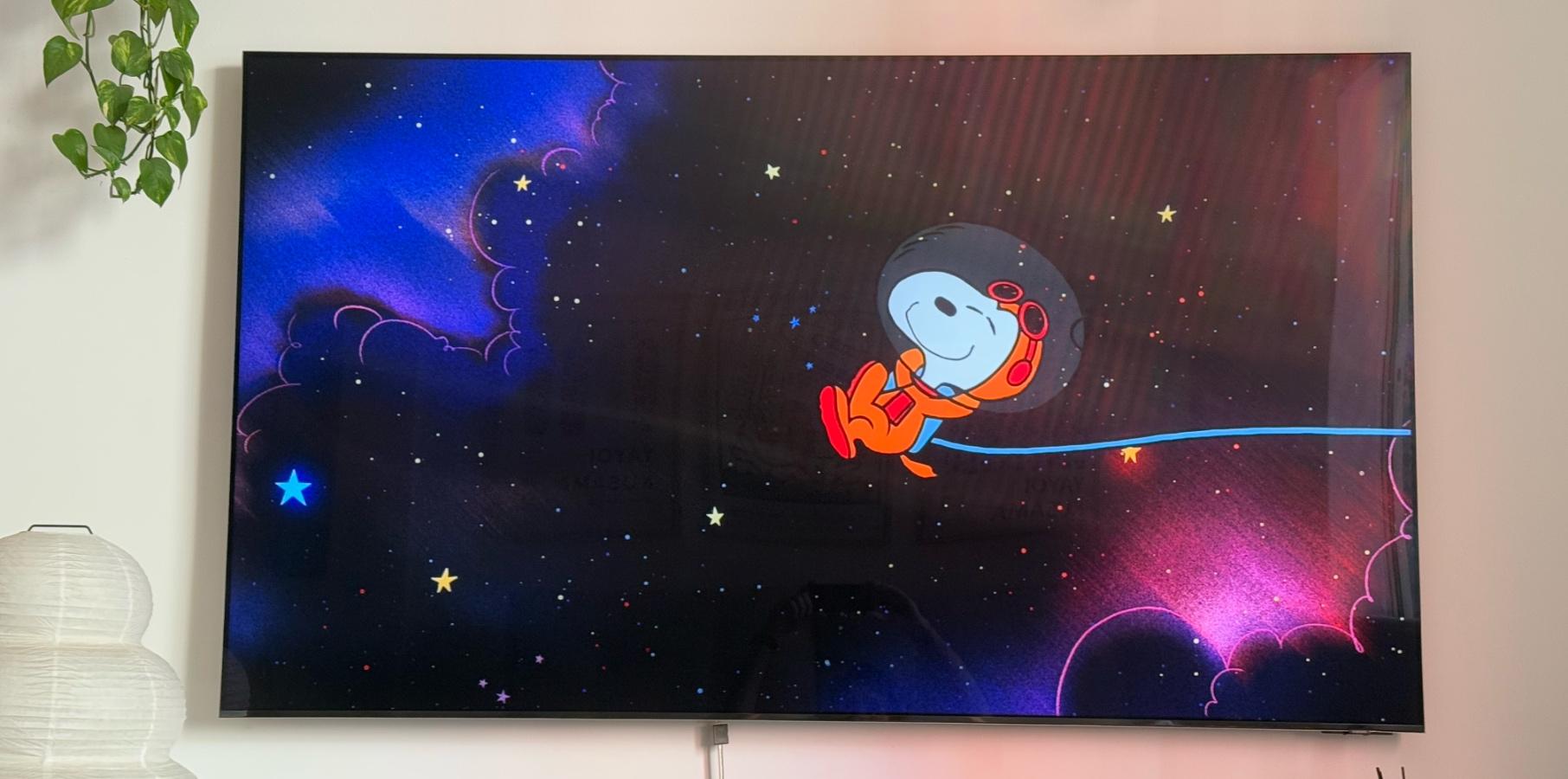
Besides that, Apple finally added the Snoopy screen savers to tvOS. References about this feature coming with tvOS 18.2 were already spotted by MacRumors a few weeks ago. According to the publication, Apple is working on four categories of screen savers, including Snoopy, TV and Movies, Music, and Soundscapes.

tvOS 18 best featureImage source: Apple Inc.

While MacRumors got an early look at some of those screensavers, Apple said we’ll see the Snoopy and TV and Movies screen savers “later this year.” The Music and Soundscapes options are new and will likely be added alongside the previously announced options.

Tech. Entertainment. Science. Your inbox.

Sign up for the most interesting tech & entertainment news out there.

By signing up, I agree to the Terms of Use and have reviewed the Privacy Notice.

Finally, another feature that might soon be available with tvOS 18.2 beta is robot vacuum cleaner integration with the Home app. It’s unclear which robot vacuums will support this feature, even though Apple says this feature is still coming in 2024.

Apple is expected to release tvOS 18.2 by early December; this means the beta testing of the upcoming software update won’t last for very long, and we should have around three new builds before the official version is out.

After many tvOS 18 features have made their debut, I can’t wait for my Apple TV to get support for these other new capabilities. The new screen savers will make a nice addition, while the 21:9 aspect ratio will be perfect for using XGIMI’s new Horizon S Max projector, which was recently reviewed by BGR.

Source

Posted on

visionOS 2.2 beta 3 now available to Apple Vision Pro users

A week after releasing visionOS 2.2 beta 2 to developers, Apple has now seeded its third testing version. Unlike the tame visionOS 2.1 update, this new build brings a long-awaited feature: wider Mac Virtual Display options.

Mac Virtual Display is one of the OG features of Apple Vision Pro. However, with new wide and ultrawide modes, the spatial computer offers a more immersive experience.

Here’s what this feature is all about:

Using Mac Virtual Display is like having an expandable, ultrawide screen that wraps around you. It’s the equivalent of having two 4K displays sitting side by side — everything looks astoundingly sharp and incredibly detailed.

Now, with an ultrawide view, Apple says it feels like you have two physical 4K displays sitting side by side on a desk, except you don’t have something limiting the two displays. This Apple Vision Pro feature is perfect for anyone multitasking on a Mac, and it feels better than having several windows floating around.

Tech. Entertainment. Science. Your inbox.

Sign up for the most interesting tech & entertainment news out there.

By signing up, I agree to the Terms of Use and have reviewed the Privacy Notice.

With this feature, you can open several apps at once and visualize them before you with Vision Pro’s incredible displays. Not only will this boost productivity, but it will also make this spatial computer a more compelling upgrade than two Studio Displays, as you can use it for more than just mirroring your Mac once you finish working.

Apple is expected to expand Mac Visual Display in early December when visionOS 2.2 is expected to be released to all users. While rumors about a new Vision Pro are contradictory, the latest reports expect Apple to update this product next year with a more capable processor, most likely the M5.

However, a revamped interaction is still a few years away. Alongside visionOS 2.2 beta 3, Apple has seeded the third testing versions of watchOS 11.2 and tvOS 18.2.

Below, you can learn more about visionOS and other Vision Pro features.

Source

Posted on

Samsung is developing Gemini AI-powered XR glasses, and we might’ve already seen them

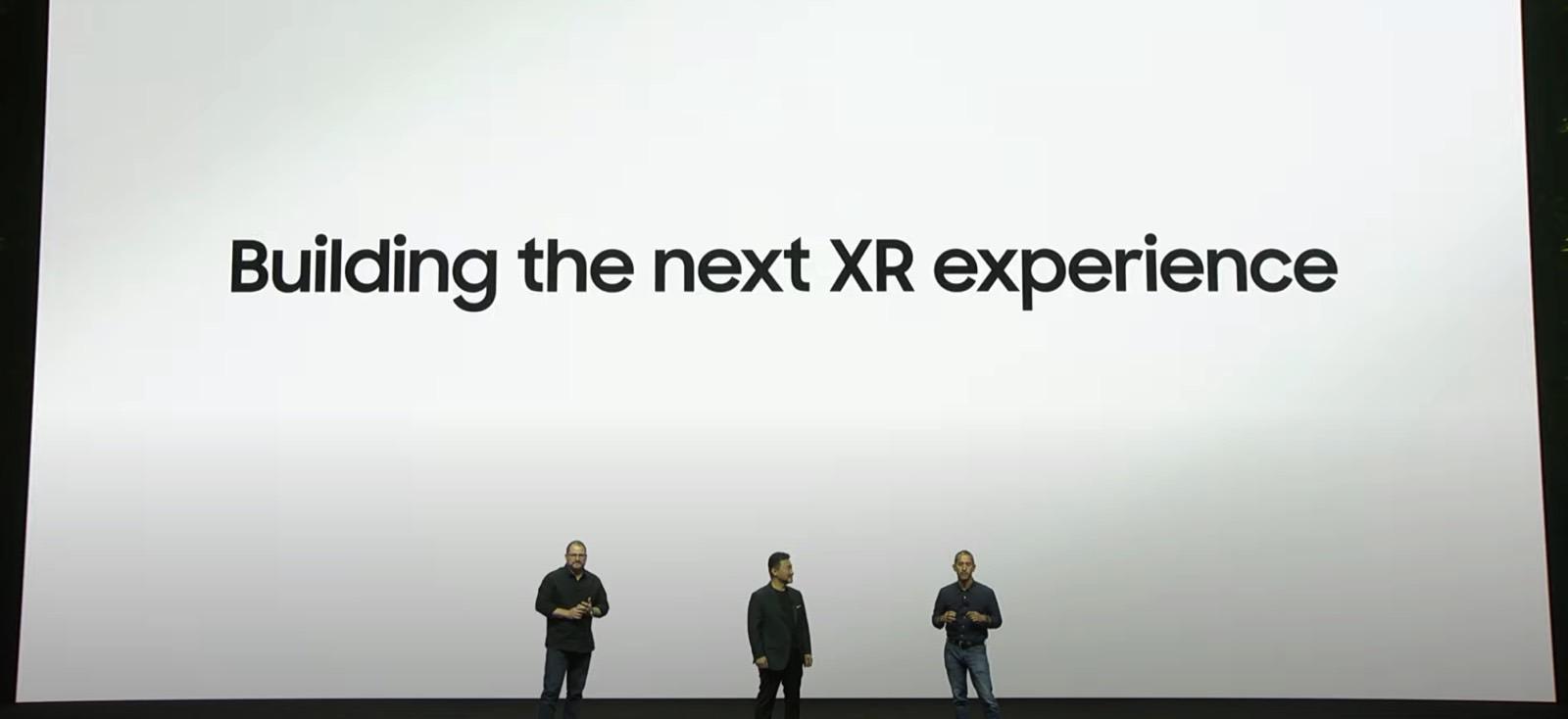
Remember when Samsung invited Google and Qualcomm to announce the “next XR experience“? I know I do because it happened in early February 2023, during the Galaxy S23 event. At the time, the web was filled with rumors about Apple’s mixed reality device, which would launch as the Vision Pro. Apple’s spatial computer dropped a few months after that teaser from Samsung, Google, and Qualcomm. It was immediately clear that the Vision Pro was so sophisticated that Samsung couldn’t possibly launch a rival anytime soon. 

Nearly two years later, that Samsung XR headset still doesn’t exist. But Samsung has been teasing it again recently, saying the device should be unveiled at some point next year.

While Samsung never detailed the specs and features of the XR device, a new leak may give us an idea of what Samsung is working on. Unsurprisingly, Samsung isn’t building a Vision Pro rival. Instead, it’s doing something that might be more useful to most people. The first Samsung XR device will apparently be a pair of glasses with Gemini AI at the core. And it turns out that we might have seen it already during Google’s Project Astra demo at I/O 2024.

Samsung had this to say about the unnamed XR headset a few weeks ago during its most recent quarterly earnings report:

Tech. Entertainment. Science. Your inbox.

Sign up for the most interesting tech & entertainment news out there.

By signing up, I agree to the Terms of Use and have reviewed the Privacy Notice.

We plan to contribute to the expansion of the Samsung Health ecosystem through the Galaxy Ring launched this year and to strengthen the connectivity experience between our products, such as the XR (eXtended Reality) device scheduled to be launched in the future.

I wouldn’t be surprised if Samsung brought the XR headset to the Galaxy S25 Unpacked launch event that’s supposed to happen in mid-January. Samsung could then keep teasing the XR glasses before giving them a summer 2025 launch. That’s what Samsung did with the Galaxy Ring last year.

A report from the Korean site Maeil Business Newspaper said a few days ago that Samsung will release smart glasses with built-in AI in the third quarter of 2025. Google and Qualcomm are named as Samsung’s partners. That means this is the “next XR experience” that Samsung teased nearly two years ago.

Meta Rayban SunglassesRay-Ban Meta smart glasses. Image source: Jonathan S. Geller

Samsung will manufacture some 500,000 units, according to a report from Chinese research company Wellsen XR.

In terms of specs, the Samsung XR headset will rely on Qualcomm’s AR1 chip as the main CPU and an auxiliary NXP chip. The headset will feature a 12-megapixel camera sporting a Sony IMX681 CMOS image sensor. The wearable will feature a 155 mAh battery and weigh 50 grams.

Gemini will be preinstalled, which is hardly a surprise. If Google is involved, that’s what Google can bring to the table. We’ve already seen Meta make great use of smart glasses for Meta AI features. Apple is also looking into creating smart glasses of its own.

The Samsung product will also support mobile payments via a QR code scanning feature. It’ll also recognize hand gestures.

As 9to5Google points out, the Samsung XR glasses feature an almost identical battery to the Ray-Ban Meta glasses, and they are almost similar in weight. This suggests that the Samsung XR device can’t possibly incorporate a screen. The reports from Asia make no mention of one.

All this suggests Samsung’s “next XR experience” device is more of a Ray-Ban Meta clone than a Vision Pro rival. That’s enough to give you an idea of what the glasses would look like. But I’ll also remind you of Google’s impressive Project Astra demo from I/O 2024.

OpenAI hosted an unexpected ChatGPT event in early May to introduce GPT-4o and Advanced Voice Mode. OpenAI’s demos showed the chatbot’s ability to handle multimodal inputs, including a new conversational voice mode that sounded like a real conversation between people.

Google used the smart glasses on the right to demo Project Astra (Gemini Live) at I/O 2024.Google used the smart glasses on the right to demo Project Astra (Gemini Live) at I/O 2024. Image source: Google

OpenAI stole Google’s thunder by a few days. Google’s Project Astra showed the same AI abilities for Gemini that OpenAI had just demoed for ChatGPT. Google used two devices to demo Project Astra: an unnamed Pixel device and an unnamed XR headset. The person talking to Gemini switched between them halfway through the demo.

The glasses are visible above, by the red apple. The clip at the end of this post will give you an even better look.

There’s no way to prove those are Samsung XR smart glasses. But I’d speculate that’s what it is. We’re looking at a prototype unit with Gemini preloaded.

Part of Project Astra became a reality rather quickly. That’s the Gemini Live conversational AI experience available on Pixel phones and other places. That’s all the more reason to indicate the smart glasses by the red apple are happening. Samsung is the likely partner in this endeavor.

Source

Posted on

iPhone 17 Air will be the thinnest iPhone ever made, new rumor claims

Last week, we wrote about how Apple’s rumored “iPhone 17 Air” doesn’t need to break records to be a worthwhile experiment. That said, it would undoubtedly draw quite a crowd if Apple could make it thinner than any other iPhone, and according to a reliable source, that’s still in the cards for the ultra-slim iPhone 17.

In a research note released this week, Apple analyst Jeff Pu appeared to corroborate the recent rumor which suggested the iPhone 17 Air would be the thinnest iPhone yet.

“We agreed with the recent chatter of [a] 6mm thickness ultra-slim design of the iPhone 17 Slim model,” he wrote in the note seen by MacRumors. This is in line with a blog post from yeux1122, which said that “the industry expects the slim model to be around 6mm.”

MacRumors points out that the thinnest iPhone to date is the iPhone 6, with a width of 6.9mm. Every model prior to the iPhone 6 was between 7.6mm and 12.3mm thick, while newer models measure in between 7.1mm and 8.3mm thick.

Tech. Entertainment. Science. Your inbox.

Sign up for the most interesting tech & entertainment news out there.

By signing up, I agree to the Terms of Use and have reviewed the Privacy Notice.

None of these phones are as slim as the 13-inch iPad Pro that launched this year, which is just 5.1mm thick. That’s the thinnest portable device Apple has put out into the world, and based on the latest reports, the iPhone 17 Air (or iPhone 17 Slim, as Pu calls it in his research note) is not likely to top it when it launches in September 2025.

There’s still plenty we don’t know about the iPhone 17 lineup, but other rumors have suggested that the ultra-slim model will feature a 6.6-inch display, an A19 chip, a Dynamic Island, a single rear camera, and a 5G model designed and built by Apple.

Source

Posted on

CMA clears Google over Anthropic partnership

The Competition and Markets Authority (CMA) has said Alphabet’s partnership with Anthropic does not qualify for investigation under the merger provisions of the Enterprise Act 2002.

In October 2023, Alphabet invested $2bn in OpenAI rival Anthropic. The artificial intelligence (AI) startup has also received $4bn funding from Amazon.

The CMA is concerned that the foundational model sector is developing in ways that risk negative market outcomes. In particular, the likes of Google, Amazon, Meta, Microsoft and Apple have the market dominance to buy up or shut down competition. It is also worried that partnerships between these major technology providers and developers of AI foundation models may limit choice and be anti-competitive.

In September, the CMA concluded its investigation of Microsoft’s hiring of key staff from Inflection, finding that Inflection AI was not a strong competitor to the consumer chatbots Microsoft has developed directly in partnership with OpenAI.

Discussing the outcome of the latest investigation, Joel Bamford, executive director of the CMA, wrote on LinkedIn: “Our investigation has shown that Google has not acquired the ability to materially influence Anthropic’s commercial policy and therefore the partnership does not meet the jurisdictional threshold for UK merger control to apply.”

He described the conclusion of this latest investigation as “another decision by the CMA which provides greater clarity for businesses and their investors”.

In a summary of its findings from the phase one investigation into the deal, the CMA said it did not believe Google had acquired material influence over Anthropic as a result of the partnership. The CMA said it looked at the risk of Google exercising influence over Anthropic at shareholder and/or board level, along with an assessment of Google’s own Vertex AI product.

“The available evidence did not indicate that Google has the ability to exercise material influence over Anthropic through the partnership,” the CMA concluded.

The CMA said it had considered the fact that Anthropic and Google offer two of the leading foundational AI models globally. However, given Anthropic’s turnover is below the £70m threshold, which is one of the criteria it takes into account when assessing whether to look further into a deal, pursuing this thread of investigation was not necessary.

The CMA is also looking at whether it should investigate Amazon’s partnership with Anthropic, due to the $4bn funding the AI startup received from Amazon. 

Some industry experts believe the CMA should continue looking at the foundation model market. Josh Mesout, chief innovation officer at Civo, said: “While the CMA has decided not to pursue an investigation into the Anthropic/Alphabet partnership, the broader concerns raised in the investigation about potential market concentration in AI remain valid.

“Over-dependence on a handful of major firms could still stifle innovation, limit consumer choice and potentially lead to a monopoly that favours Big Tech. Even without a formal investigation, it is the responsibility of everyone in the industry to ensure the AI market remains fair, competitive and conducive to ongoing technological advancement.”

Source

Posted on

This is Apple’s official fix for the bug that makes notes disappear in iOS 18

Some iPhone owners recently discovered that their Notes were missing from the handset. Savvy users figured out that accepting the new iCloud terms of service on the iPhone triggers the bug, and the Notes disappear. It happens after the iOS 18 update, but the iPhone doesn’t delete the Notes documents.

That data is still safe in iCloud, but the Notes app won’t sync with it properly after agreeing to the updated terms of service.

We showed you how to fix the disappearing Notes bug a few days ago. People figured out that syncing their Notes from iCloud would do the trick. Judging from the emails I received, the solution actually works, and the affected users have already regained access to their Notes.

Meanwhile, Apple has issued a support document that addresses the issue. The company doesn’t explain what’s causing the problem, but it offers a solution that matches the unofficial fix from a few days ago.

Tech. Entertainment. Science. Your inbox.

Sign up for the most interesting tech & entertainment news out there.

By signing up, I agree to the Terms of Use and have reviewed the Privacy Notice.

I’ve been using the Notes app religiously since Apple introduced it several years ago. It’s my go-to note-taking app on Mac and iPhone, and I don’t want to imagine losing access to local or iCloud notes.

I haven’t experienced the disappearing Notes bug at any point since running iOS 18. I have installed the first beta as soon as it came out this summer, and I’m currently on the latest iOS 18.2 beta.

In the process, I have agreed to all terms of service updates, without really reading any of it. I have no idea if I already agreed to the new iCloud tems of service, but I suspect I did.

This is the Notes toggle you are looking for.This is the Notes toggle you are looking for. Image source: Chris Smith, BGR
Plenty of iPhone users would be affected if Apple decided to put out a support page to address the problem. Here’s the entirety of Apple’s support document:

Here’s how to check your iCloud sync settings and restart if needed.

If your iCloud notes aren’t appearing on your iPhone, iPad, or Apple Vision Pro, follow these steps.

  1. Open the Settings app and tap your name.
  2. Tap iCloud, then tap Notes.
  3. Make sure Sync this [device] is on, then check the Notes app.
  4. If you still don’t see your notes, restart your iPhone, iPad, or Apple Vision Pro. After restarting, check your settings again.

After these steps, your iCloud notes should appear and start syncing again on devices signed in to the same Apple Account. When syncing completes, content previously synced to iCloud should appear.

That’s all you need to do to recover your Notes. Again, they were not deleted, you have not lost anything. A synchronization issue is to blame here, as the iCloud notes did not sync with your Notes app.

Apple’s solution matches the unofficial fix we covered a few days ago. It’s unclear whether Apple will prevent it from happening with subsequent iOS 18 updates. If you still haven’t fixed your Notes problem, or you’re running into it for the first time, you should follow the steps above.

You should also make a mental note of the fix and return to iCloud every time you encounter any sort of iCloud sync issues, whether it’s Notes or a different app. The fix is as easy as turning a toggle off and back on again.

Source

Posted on

Here are all the devices Apple sells that still have Lightning ports

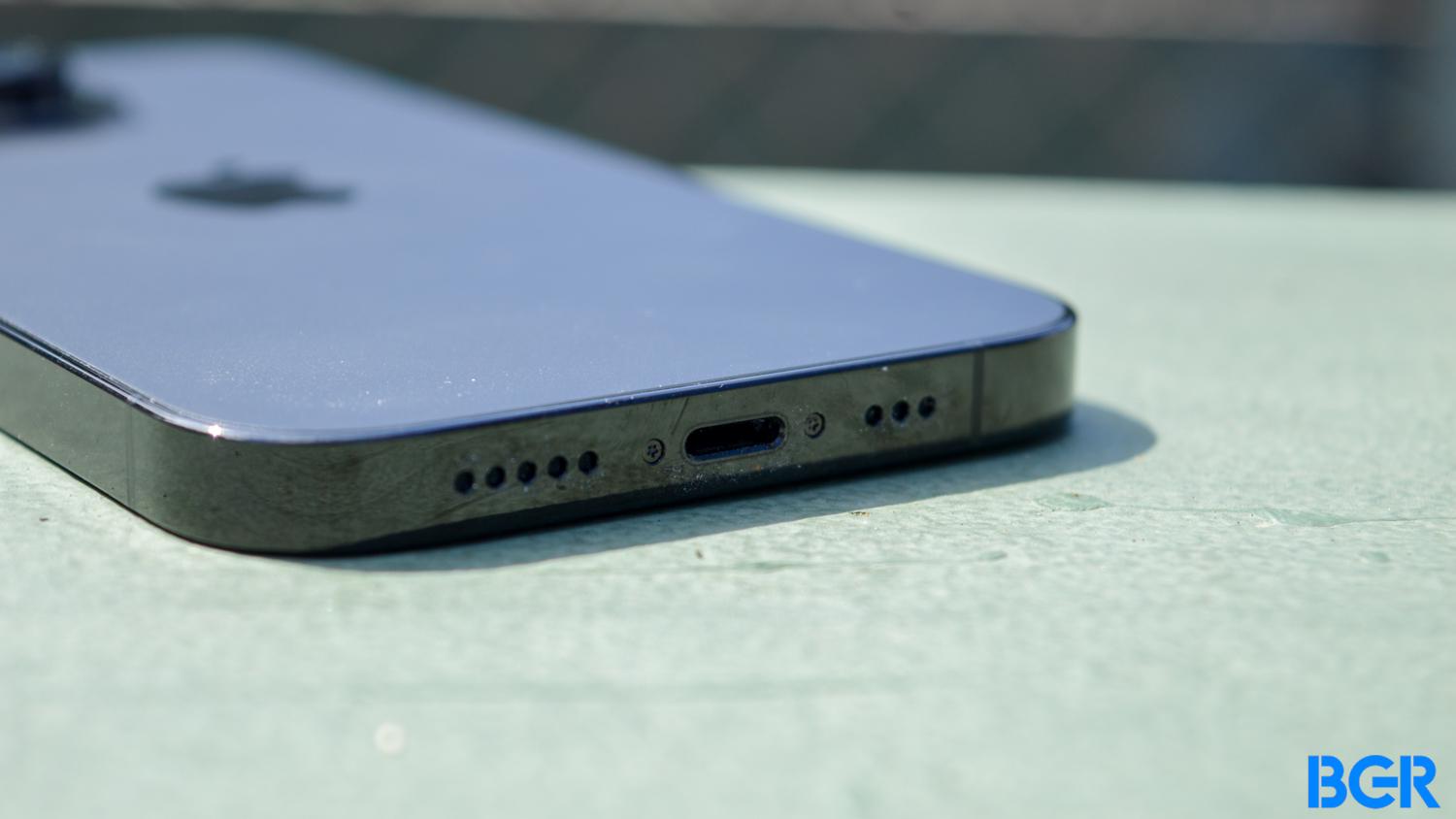
With Apple’s recent iPhone 16 event and M4 Macs release, the company followed an important path by eliminating the Lightning port from more devices. By opting for USB-C, not only is the company agreeing with the European Union’s Digital Markets Act, but it’s also showing a future where customers will be able to use the same cable for all their electronic devices.

That said, there are still some products that require a Lightning port and a few accessories that support this old standard. Here they are.

Apple still sells four iPhone models with Lightning port

iPhone 14 Plus salesImage source: Apple Inc.

Although the iPhone 16 series offers a USB-C port, Apple still has three other iPhone models that still rely on Lightning cables. The 2022 iPhone 14 and iPhone 14 Plus, and the 2022 iPhone SE 3.

While Apple is said to be planning a new iPhone SE 4 for 2025, this means the company will take another year to fully eliminate the Lightning port from all the iPhone models it sells. That means that only when the iPhone 17 is announced will we have a full lineup of USB-C phones.

Tech. Entertainment. Science. Your inbox.

Sign up for the most interesting tech & entertainment news out there.

By signing up, I agree to the Terms of Use and have reviewed the Privacy Notice.

Not only is there still a long way to go, but millions of customers will hold with their iPhone 14 – or older models – for years to come.

All iPad models sold by Apple are USB-C, but the first-gen Apple Pencil is still here

Apple iPad 9Apple iPad 9 with keyboard accessory. Image source: Apple Inc.

The 2021 iPad 9 was the last iPad model with a Lightning port. Earlier this year, Apple discontinued this product and lowered the price of the USB-C iPad 10.

While both iPads work with the first-gen Apple Pencil, Apple also released a USB-C accessory that’s perfect for the iPad 10. However, millions of people with a Lightning iPad still require that first-gen Apple Pencil, which is why the company still sells it.

There are other accessories Lightning-compatible still available

Apple EarPodsImage source: José Adorno for BGR

Apple recently revamped the AirPods lineup. With no more second and third generations available, the company also updated the AirPods Max with a USB-C port. With that, there are only a few Lightning accessories, which include:

  • Lightning EarPods
  • USB-C to Lightning cable
  • USB-A to Lightning cable

Wrap up

As you can see, in a year, Apple almost killed all the Lightning products it used to have. By 2025, we’ll likely only have those three accessories available alongside the first-gen Apple Pencil, as the company will continue to offer them for older devices.

Source

Posted on

Apple’s hotly anticipated iPhone SE 4 might not launch as soon as we hoped

The iPhone SE 4 isn’t even out, yet I can’t stop recommending this unreleased Apple product. That’s because all rumors paint the same picture of this mid-range iPhone that’s supposed to hit stores next year. If you’re not buying the iPhone 16 but want a new iPhone, the iPhone SE 4 is probably for you.

The iPhone SE 4 will deliver flagship performance comparable to the iPhone 16 since Apple wants it to run Apple Intelligence. The only real compromises concern the design and camera. Apple will recycle the iPhone 14 design for this model, and you’ll get only one camera on the back instead of two or three.

But if you consider the likely price of the iPhone SE 4 — $499 — it should be an instant hit.

The good news is that the iPhone SE 4 should launch soon. All reports say the phone is coming in early 2025. But it won’t be as early as you might have hoped, with a more recent report indicating the handset won’t hit stores until March 2025.

Tech. Entertainment. Science. Your inbox.

Sign up for the most interesting tech & entertainment news out there.

By signing up, I agree to the Terms of Use and have reviewed the Privacy Notice.

Korean website AjuNews says that LG Innotek will provide the 48-megapixel camera module for the iPhone SE 4. It’s currently testing the component, and LG will reportedly start mass-producing the camera module next month.

The report notes that LG Innotek usually supplies camera modules three months before the launch of a new product. With manufacturing expected to start in December, the iPhone SE 4 should get a March 2025 release date.

While some iPhone fans might have hoped for an earlier launch, the March window makes sense for Apple. Previous iPhone SE variants were launched around that time each year.

I’ll add that an iPhone SE 4 specs and price leak also recently offered a March 2025 release window. But that might have been an educated guess based on Apple’s iPhone SE release history. The report from Korea says that LG is a confirmed camera supplier for the upcoming iPhone model. The iPhone SE 4 camera will be produced at a factory in Vietnam.

The report notes that the LG camera will feature a 48-megapixel sensor, which should be a big upgrade over the iPhone SE 3’s camera. It’s probably the same sensor Apple uses in the iPhone 16 series.

AjuNews provides the same story about the iPhone SE 4 that other leaks have offered. The iPhone SE 4 should support Apple Intelligence, which implies the handset should feature the same hardware as the iPhone 15 Pros or iPhone 16 phones. These are the only handsets that can run Apple Intelligence right now.

The A18 is the chip that makes the most sense for the iPhone SE 4. It’s the processor that powers the iPhone 16 and 16 Plus, and it’s more energy efficient and cheaper than the A17 Pro that powers the iPhone 15 Pros. Whatever silicon Apple goes for, the company will pair it with 8GB of RAM, the minimum amount of memory Apple Intelligence needs.

The report doesn’t mention a precise release date for the iPhone SE 4, nor should we expect one yet. But other rumors say that Apple will launch several new products next quarter. The list includes the M4 MacBook Air, a new iPad Air, and new accessories. Seeing all these products come out around the same time would make sense.

Source