Posted on

Apple’s first smart display might launch much later than expected

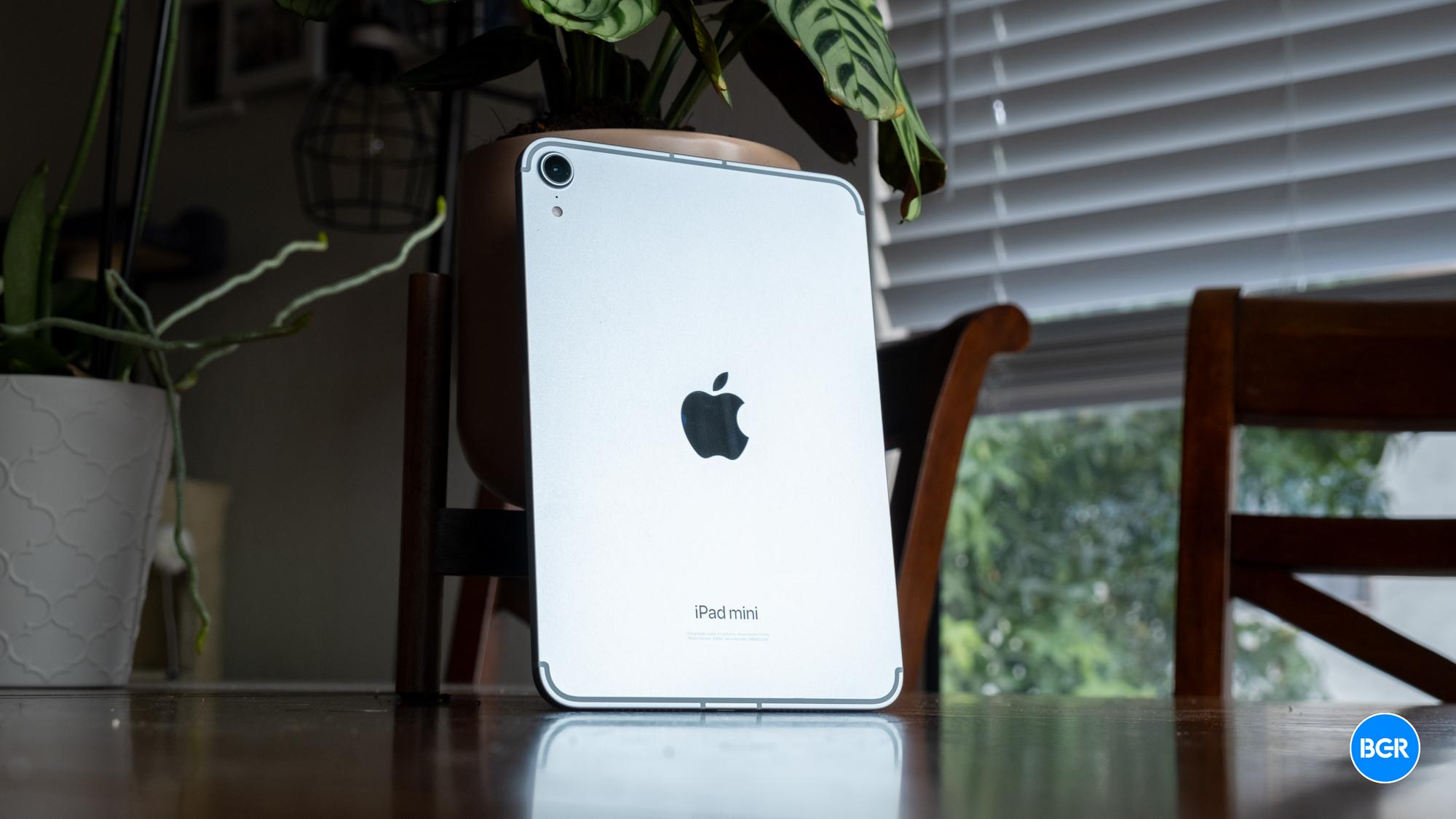
Reports last month said that Apple would introduce a wall-mountable smart display for the home as soon as March 2025. The device would look like an iPad, though it would be smaller than the iPad mini. It would run a new homeOS operating system that would feature elements from watchOS and iOS.

Those reports already gave us an idea of how Apple’s smart display will work, but the software experience might not be ready for a March launch. That’s what Ming-Chi Kuo said in a new note, indicating that the smart display’s release date was postponed to the second half of 2025.

Kuo wrote on Medium that the “display-equiped HomePod” mass production had been delayed multiple times.

Apple supposedly wanted to release it in 2024 but postponed it to the first quarter of 2025. More recently, Apple moved the smart display’s release to after WWDC 2025 or to the third quarter of 2025.

Tech. Entertainment. Science. Your inbox.

Sign up for the most interesting tech & entertainment news out there.

By signing up, I agree to the Terms of Use and have reviewed the Privacy Notice.

“The delay in production is mainly due to software development,” Kuo said without offering specifics.

Kuo did mention some of the smart display’s specs, which are in line with previous reports. The display-equipped Homepod should feature an A18 processor and a 6-inch to 7-inch screen. That A18 chip means the smart display will support Apple Intelligence. Previous reports also said that Apple Intelligence will be available on the device.

Kuo also says the smart display will “emphasize smart home functionalities more.” That’s what other reports have also claimed. The smart display will act as the central hub of the smart home, allowing users to control various features and devices from a single place.

The analyst also reiterated that Apple will make a smart home surveillance camera in 2026. The camera will eventually connect to the smart display wirelessly.

Kuo estimates that Apple will sell about 500,000 units in the second half of 2025. If the smart display becomes popular, annual shipments could reach million-unit levels. In a separate report, Kuo identified BYD Electronic and Tianma Microelectronics as the main beneficiaries of Apple’s orders for the smart display.

The only thing missing from these reports is the price of Apple’s home display. It’ll be interesting to see how much Apple will charge for a device that will essentially be a smaller iPad for the home.

Source

Posted on

New iPad Pro won’t be Apple’s first product with an M5 chip

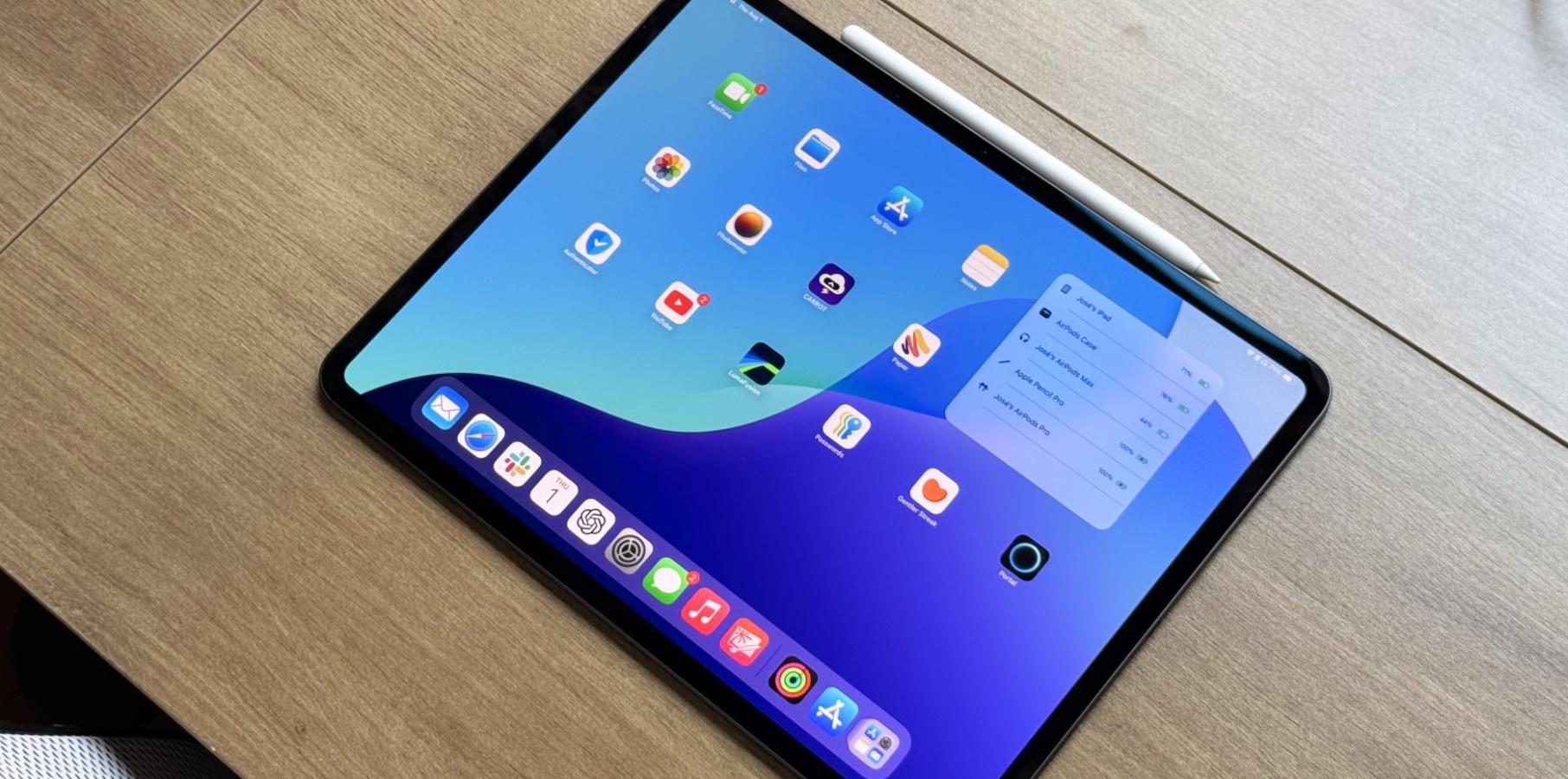
Apple won’t follow the trend of introducing a brand new chip with its best new iPad models, as it did with the M4 iPad Pro. According to the latest reports, the M5 iPad Pro won’t arrive before late 2025 or even early 2026.

Top insider Ming-Chi Kuo wrote a blog post on Medium saying the M5 iPad Pro is expected to enter mass production in the second half of 2025. “The iPad Pro equipped with the M5 processor is expected to enter mass production in 2H25,” he wrote. “The company’s business momentum in 2H25 is anticipated to benefit significantly from Apple’s new product launches.”

While this might not mean much, Kuo is likely talking about the significant refreshes expected by this time of the year, such as the iPhone, Apple Watch, and possibly a new version of the Apple Vision Pro. That said, users shouldn’t be that worried about their M4 iPad Pro becoming an obsolete product in the near future.

If rumors are accurate, the iPad Pro with the M4 processor could be almost two years old before Apple introduces a new variant. Even when that happens, we don’t expect significant changes. Based on what we’ve heard so far, it seems that the iPad Pro will only get a specs bump with the M5 processor, and the next-generation chip won’t even be such a big deal.

Tech. Entertainment. Science. Your inbox.

Sign up for the most interesting tech & entertainment news out there.

By signing up, I agree to the Terms of Use and have reviewed the Privacy Notice.

Image source: Apple Inc.

While the M4 greatly improves over the M3, Apple has apparently canceled the M5 with the newer 2nm process developed by TSMC due to cost concerns. According to The Elec, the M5 chip will adopt a new System On Integrated Chip technology, which enhances thermal management and reduces electrical leakage.

With that, we could see enhancements in performance and efficiency and a broader focus on Neural Engine tasks for AI and Apple Intelligence. While knowing that Apple has moved on to producing its newer processors, we still have several months with M4 products, including some new ones that need to be unveiled.

When will Apple start introducing new M5 products?

If the company follows the schedule analysts predict, the M5 family won’t be available before the end of next year. Here’s what we expect:

  • Late 2025: Apple should unveil at least new M5 MacBook Pro models with the M5 Pro and M5 Max options; the company could also update the Mac mini and iMac, although it’s unclear at this moment;
  • Late 2025/Early 2026: Apple introduces the M5 iPad Pro;
  • Early 2026/Mid 2026: Cupertino unveils new MacBook Air models with the M5 processor;
  • Mid 2026/Late 2026: Apple expands the M5 chips for the Mac Studio and potentially to Mac Pro, depending on the upgrades expected for this processor.

It’s important to note that bigger changes are expected to start appearing by 2026 or 2027, when Apple will unveil a new OLED display technology for the MacBook Pro, followed by an improved display on the iPad Pro. In the next couple of years, we could also see Apple unveiling its first foldable products as well.

Source

Posted on

Intel announces its new Battlemage graphics cards, and they might just be the 1440p budget champions we’ve been waiting for

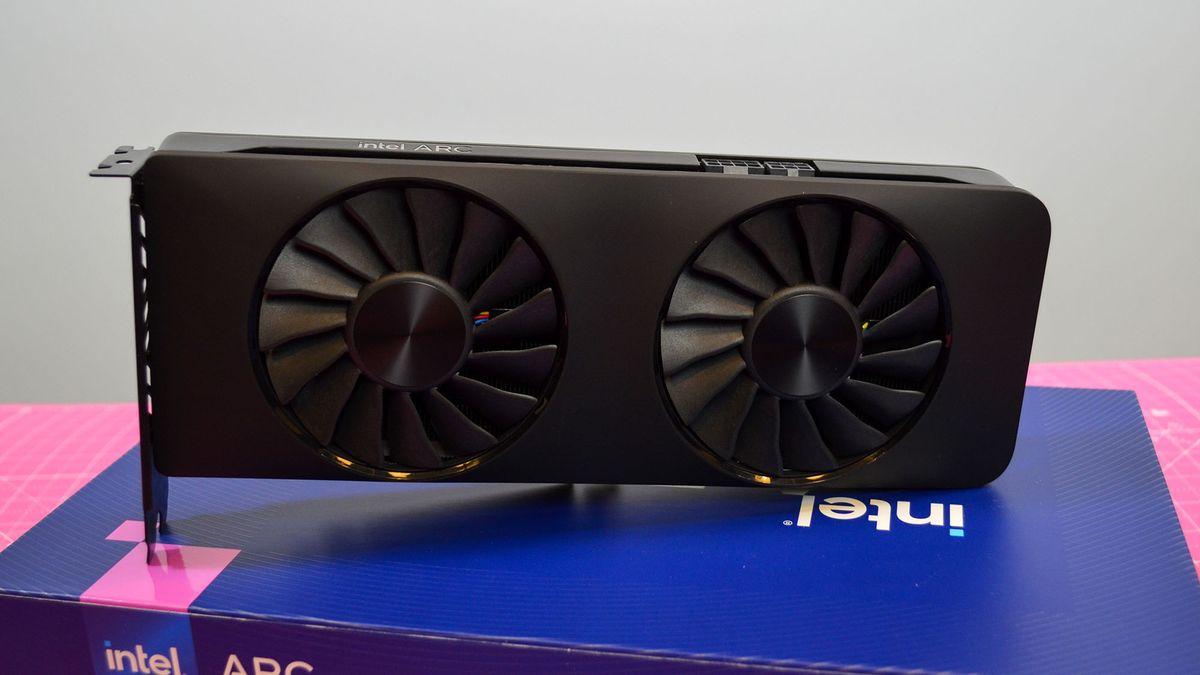
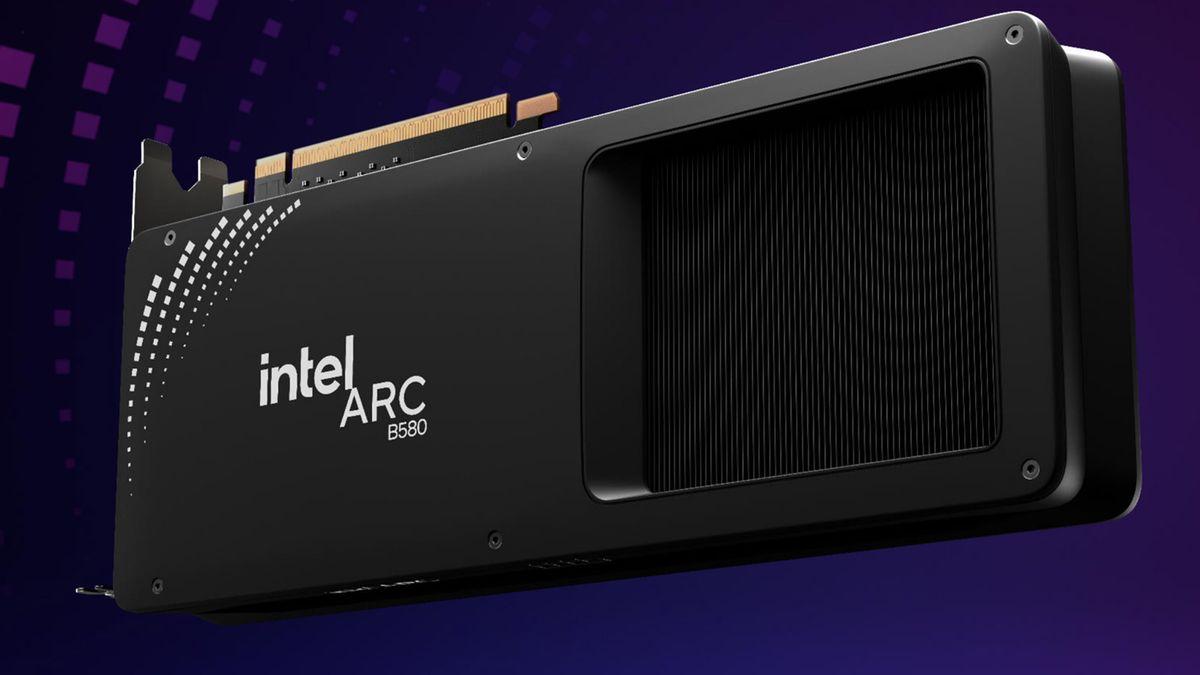
Intel officially announced its latest discrete graphics cards on this week, the Intel Arc B580 and Intel Arc B570, based on its next-gen Xe2 graphics architecture.

Targeting the budget gaming segment, the new flagship Intel Arc B580 GPU features 20 Xe-cores, 20 ray tracing units, 160 XMX AI Engines and 12GB GDDR6 memory with a 192-bit memory interface, specs that could make it a very competitive 1440p graphics card.

The Intel Arc B570, meanwhile, features 18 Xe-cores, 18 ray tracing units, 144 XMX AI Engines, and 10GB GDDR6 memory with a 160-bit memory interface. And while this is less than the Arc B580, it is more memory bandwidth than the Nvidia RTX 4060 Ti and AMD Radeon RX 7600 XT, both of which struggled when it came to 1440p gaming in gaming benchmarks due to their constrained memory bandwidth.

What might be even more compelling for gamers right now, though, is the launch price of the two cards, with the Intel reference cards debuting at $249 (about £195/AU$385) and $219 (about £175/AU$340), respectively, though third-party cards from Acer, ASRock, Gunnir, and others will vary in price.

The Arc B580 will launch first on December 13, 2024, with the Arc B570 going on sale the following month on January 16, 2025.

Swipe to scroll horizontally

Intel Arc B-series graphics card specs

Header Cell – Column 0 Intel Arc B580 Intel Arc B570
Price $249 (about £195/AU$385) $219 (about £175/AU$340)
Xe-cores 20 18
Render Slices 5 5
Ray Tracing Units 20 18
XMX AI Engines 160 144
Graphics clock 2,670Mhz 2,500MHz
Memory 12GB 10GB
Memory Interface 192-bit 160-bit
Memory Bandwidth 456GB/s 380GB/s
Peak TOPS 233 203
Total Board Power 190W 150W
Power Connector 1 x 8-pin 1 x 8-pin
PCIe Interface PCIe 4.0 PCIe 4.0
Media Accelerators AV1, HEVC, AVC, VP9, XAVC-H AV1, HEVC, AVC, VP9, XAVC-H
Display output 3x DisplayPort 2.1, 1x HDMI 2.1 3x DisplayPort 2.1, 1x HDMI 2.1

Intel’s new card might be the RTX 3060 Ti successor we’ve been missing

When it launched a couple of years back, the Nvidia RTX 3060 Ti was a much more powerful card than it had a right to be, especially for it’s initial launch price. It ended up being one of the most popular graphics cards of the entire Nvidia Ampere generation, and so when the RTX 4060 Ti launched last year, fans of the 3060 Ti had high hopes for its successor.

Unfortunately, the RTX 4060 Ti was hamstrung out the gate by a memory interface that made it effectively impossible to process textures at 1440p with any kind of speed or efficiency, even when opting for the variant with the larger 16GB memory pool.

{ window.reliablePageLoad.then(() => { var componentContainer = document.querySelector(“#slice-container-newsletterForm-articleInbodyContent-nG8a8nka92YcKVHyEBsQs4”); if (componentContainer) { var data = {“layout”:”inbodyContent”,”header”:”Get the best Black Friday deals direct to your inbox, plus news, reviews, and more.”,”tagline”:”Sign up to be the first to know about unmissable Black Friday deals on top tech, plus get all your favorite TechRadar content.”,”formFooterText”:”By submitting your information you agree to the Terms & Conditions and Privacy Policy and are aged 16 or over.”,”successMessage”:{“body”:”Thank you for signing up. You will receive a confirmation email shortly.”},”failureMessage”:”There was a problem. Please refresh the page and try again.”,”method”:”POST”,”inputs”:[{“type”:”hidden”,”name”:”NAME”},{“type”:”email”,”name”:”MAIL”,”placeholder”:”Your Email Address”,”required”:true},{“type”:”hidden”,”name”:”NEWSLETTER_CODE”,”value”:”XTR-D”},{“type”:”hidden”,”name”:”LANG”,”value”:”EN”},{“type”:”hidden”,”name”:”SOURCE”,”value”:”60″},{“type”:”hidden”,”name”:”COUNTRY”},{“type”:”checkbox”,”name”:”CONTACT_OTHER_BRANDS”,”label”:{“text”:”Contact me with news and offers from other Future brands”}},{“type”:”checkbox”,”name”:”CONTACT_PARTNERS”,”label”:{“text”:”Receive email from us on behalf of our trusted partners or sponsors”}},{“type”:”submit”,”value”:”Sign me up”,”required”:true}],”endpoint”:”https://newsletter-subscribe.futureplc.com/v2/submission/submit”,”analytics”:[{“analyticsType”:”widgetViewed”}],”ariaLabels”:{}}; var triggerHydrate = function() { window.sliceComponents.newsletterForm.hydrate(data, componentContainer); } if (window.lazyObserveElement) { window.lazyObserveElement(componentContainer, triggerHydrate); } else { triggerHydrate(); } } }).catch(err => console.error(‘%c FTE ‘,’background: #9306F9; color: #ffffff’,’Hydration Script has failed for newsletterForm-articleInbodyContent-nG8a8nka92YcKVHyEBsQs4 Slice’, err)); }).catch(err => console.error(‘%c FTE ‘,’background: #9306F9; color: #ffffff’,’Externals script failed to load’, err)); ]]>

Sign up to be the first to know about unmissable Black Friday deals on top tech, plus get all your favorite TechRadar content.

For $399 (about £315/AU$615) at launch, the card was a disappointment, as this was way too much money to spend on what was effectively a 1080p graphics card, whereas the RTX 3060 Ti, with a memory interface twice as large as the RTX 4060 Ti’s, could easily play games at 1440p with moderate to high settings at respectable framerates.

The only graphics cards to really make a splash in the sub-$400 segment over the past year and a half have been the Nvidia RTX 4060 and AMD RX 7600, and only really because of their pricing after the wild GPU price inflation on some of Nvidia and AMD’s flagship cards. And neither of those cards could handle 1440p gaming.

With the new Intel Arc B580 and Arc B570, however, it’s entirely possible that we might be able to see a new graphics card in the budget segment capable of tackling 1440p, the fastest-growing resolution for PC gaming, where their competitors at this price point cannot.

That’s something that’s been sorely missed these last couple of years, and while we’ll have to test the cards ourselves before we can say for certain, I’ve been impressed with Intel’s Xe2 cores in its Lunar Lake laptops, so I, for one, cannot wait to get my hands of the desktop version to take it for a spin.

You may also like…

Source

Posted on

AMD announces CES 2025 launch event on January 6, 2025 – and drops a heavy hint that new RDNA 4 GPUs will be revealed

  • AMD announced its CES 2025 event will happen on Monday January 6
  • Jack Huynh, SVP of Computing and Graphics, will helm the press event
  • Huynh dropped a heavy hint on X that we’ll see RDNA 4 graphics cards

AMD has revealed when its press event is happening at CES 2025, and dropped a heavy hint that we will indeed see RDNA 4 desktop graphics cards at the show.

Notably, the event, which is scheduled for Monday January 6, 2025, at 11am PT (2pm EST, 7pm in the UK), is not referred to as a keynote. Also, rather than being delivered by CEO Lisa Su, it’s Jack Huynh, SVP and GM, Computing and Graphics at AMD, who will be presenting Team Red’s latest goodies.

The official AMD web page for the event just went live (as VideoCardz noticed), but that doesn’t give us anything beyond the date, and the teaser that we’ll get to “hear how AMD is expanding its leadership across PCs and gaming.”

However, in a post on X, Huynh specifically mentions AMD’s “next generation of innovation across gaming” which surely refers to the firm’s RDNA 4 GPUs, and likely new APUs too.

As we’ve heard before, RDNA 4 GPUs are rumored for CES 2025, as well as a bunch of Ryzen processors that’ll be of interest to gamers – including Strix Halo laptop APUs and Ryzen Z2 flavors for handhelds.

On top of that, we should see other mobile APUs and the Ryzen 9950X3D plus 9900X3D processors, and more besides. It’s going to be an event jam-packed with product launches if the grapevine is correct.

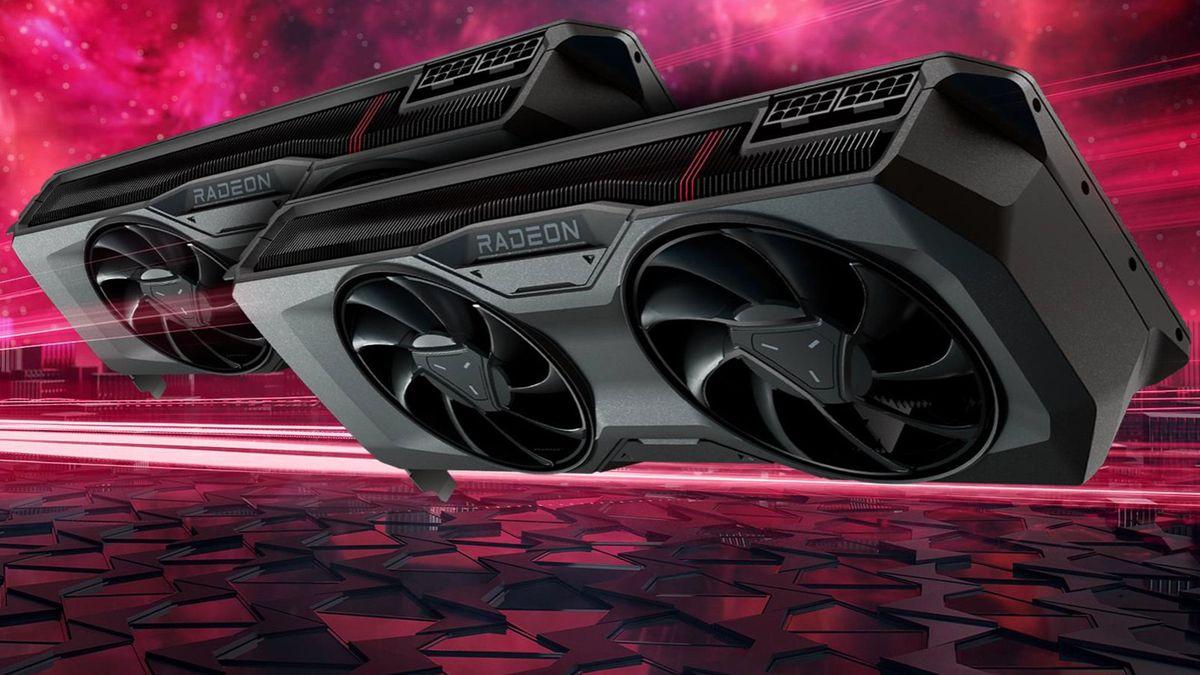
An AMD Radeon RX 7800 XT on a table

(Image credit: Future / John Loeffler)

Analysis: Exciting times, especially if latest RDNA 4 rumors are right

Earlier this year, the hope was very much that AMD would push out new RDNA 4 graphics cards – which will purportedly only land in the mid-range this time around, with no challenger for Nvidia’s next-gen flagship – late in 2024.

{ window.reliablePageLoad.then(() => { var componentContainer = document.querySelector(“#slice-container-newsletterForm-articleInbodyContent-NyxsCpBf57gEs2EdgWPLGS”); if (componentContainer) { var data = {“layout”:”inbodyContent”,”header”:”Get the best Black Friday deals direct to your inbox, plus news, reviews, and more.”,”tagline”:”Sign up to be the first to know about unmissable Black Friday deals on top tech, plus get all your favorite TechRadar content.”,”formFooterText”:”By submitting your information you agree to the Terms & Conditions and Privacy Policy and are aged 16 or over.”,”successMessage”:{“body”:”Thank you for signing up. You will receive a confirmation email shortly.”},”failureMessage”:”There was a problem. Please refresh the page and try again.”,”method”:”POST”,”inputs”:[{“type”:”hidden”,”name”:”NAME”},{“type”:”email”,”name”:”MAIL”,”placeholder”:”Your Email Address”,”required”:true},{“type”:”hidden”,”name”:”NEWSLETTER_CODE”,”value”:”XTR-D”},{“type”:”hidden”,”name”:”LANG”,”value”:”EN”},{“type”:”hidden”,”name”:”SOURCE”,”value”:”60″},{“type”:”hidden”,”name”:”COUNTRY”},{“type”:”checkbox”,”name”:”CONTACT_OTHER_BRANDS”,”label”:{“text”:”Contact me with news and offers from other Future brands”}},{“type”:”checkbox”,”name”:”CONTACT_PARTNERS”,”label”:{“text”:”Receive email from us on behalf of our trusted partners or sponsors”}},{“type”:”submit”,”value”:”Sign me up”,”required”:true}],”endpoint”:”https://newsletter-subscribe.futureplc.com/v2/submission/submit”,”analytics”:[{“analyticsType”:”widgetViewed”}],”ariaLabels”:{}}; var triggerHydrate = function() { window.sliceComponents.newsletterForm.hydrate(data, componentContainer); } if (window.lazyObserveElement) { window.lazyObserveElement(componentContainer, triggerHydrate); } else { triggerHydrate(); } } }).catch(err => console.error(‘%c FTE ‘,’background: #9306F9; color: #ffffff’,’Hydration Script has failed for newsletterForm-articleInbodyContent-NyxsCpBf57gEs2EdgWPLGS Slice’, err)); }).catch(err => console.error(‘%c FTE ‘,’background: #9306F9; color: #ffffff’,’Externals script failed to load’, err)); ]]>

Sign up to be the first to know about unmissable Black Friday deals on top tech, plus get all your favorite TechRadar content.

Obviously that didn’t happen, and as noted, rumors have been saying for some time now that we’ll see these graphics cards at CES 2025. If there’s one key piece of AMD’s next generation of gaming, it’s RDNA 4, so Huynh’s comment pretty much solidifies all the evidence around the launch of what could be the RX 8800 XT (and likely a partner GPU, such as the 8700 XT perhaps).

In theory, the 8800 XT could turn out to be a big leap in ray tracing performance for AMD – if fresh speculation is right – and a good upgrade for rasterized (non-ray tracing) frame rates, too. As ever, a lot will ride on the price tag Team Red pins on the GPU, and whatever else RDNA 4 might have to offer.

You might also like

Source

Posted on

ChatGPT might get ads

I’ve been a ChatGPT Plus subscriber for a while now, and I don’t plan on switching to the Free tier anytime soon. ChatGPT Plus gives me access to the newest models and features much sooner than the Free tier. Also, the limits with the chatbot are higher on the Plus plan, so you won’t run into interruptions.

Still, the ChatGPT Free option gives you quick access to OpenAI’s chatbot, letting you explore some of its best features to determine whether you’d even want to consider the Plus subscription in the first place.

Also, ChatGPT Free is truly free, as you don’t have to deal with any ads that would help OpenAI pay for your interactions with the AI. You don’t have to agree to have your chats train the AI, either. That’s why it has limits in place.

Unsurprisingly, OpenAI is considering a switch to an ad-based model in ChatGPT at some point in the future. It won’t happen anytime soon, but the company confirmed it’s looking at inserting ads in ChatGPT.

Tech. Entertainment. Science. Your inbox.

Sign up for the most interesting tech & entertainment news out there.

By signing up, I agree to the Terms of Use and have reviewed the Privacy Notice.

OpenAI CFO Sarah Friar told The Financial Times that the company is considering showing ads to non-paying ChatGPT users in the future. Ads could help cover the rising costs of AI servers and even increase profits. OpenAI is no longer a non-profit, after all, so it’ll be chasing revenues like any other tech giant.

We didn’t really need any confirmation from a company that launched a Google Search alternative and is considering a web browser of its own. It goes without saying that ads could be part of the ChatGPT Free experience.

Hopefully, however, OpenAI will not go the same route as Google. The latter made the web discoverable to the world with its Google Search product. But Google also made us hate online ads over the years, and Google Search along with it, because it tracked us everywhere on the web, creating profiles of user preferences for better ad-targeting.

The good news is that OpenAI will not start running ads on ChatGPT Free anytime soon. The company has many concerns about ads, and that’s great to hear. Friar told the Times that OpenAI needs to be “thoughtful about when and where” ads will be implemented.

OpenAI CEO Sam Altman is reportedly warming up to the idea of ads, though he has previously said he’s not a fan of them.

Friar’s remarks aren’t just answers to hypothetical scenarios. OpenAI hired former advertising talents from Meta and Google earlier this year. The only thing they could be working on at OpenAI is ad tech for ChatGPT.

I’ll also remind you of other reports detailing OpenAI’s plans for monetizing ChatGPT in the future that called for much more expensive subscription tiers. Placing ads in the free version of ChatGPT makes even more sense in that context, assuming those reports were accurate.

On the same note, it’ll be interesting to see what comes first: Ads in ChatGPT Free or a Plus subscription increase for premium users.

I will point out that OpenAI might get an influx of extra ChatGPT users in the near future as ChatGPT becomes available through Siri on the iPhone. In turn, iPhone users will be able to buy a Plus subscription from the iPhone’s settings app.

Source

Posted on

Intel unleashes XeSS 2 for Arc GPUs with huge changes to speed up PC games, borrowing a few pages from Nvidia’s DLSS playbook

  • Intel has revealed XeSS 2 which follows in the footsteps of DLSS
  • It’s split into XeSS Frame Generation and XeSS Super Resolution
  • There’s also Xe Low Latency to combat input lag, much like Nvidia Reflex

Intel has just unveiled new Battlemage desktop GPUs, and alongside those graphics cards comes a fresh version of XeSS, its upscaling tech to rival Nvidia DLSS and AMD FSR.

Yes, XeSS 2 is here, and Intel is making some big changes with the technology in this sequel. In fact, XeSS 2 is being split into two core components: XeSS Frame Generation and XeSS Super Resolution.

In other words, this is going the same route as Nvidia, when with DLSS 3, Team Green brought in frame generation – which means artificially inserting extra frames into the game, to make it smoother. It’s a separate technology to the actual upscaling component of DLSS 3, and so this is what Intel has done – split XeSS into Super Resolution (upscaling) and Frame Generation (extra frames generated to bolster the frame rate).

On top of that, Intel is introducing Xe Low Latency, which is essentially equivalent to Nvidia Reflex – a complementary tech to reduce input lag which helps to smooth over the lag wrinkles that are a side effect of frame generation.

In terms of support, only Intel’s Alchemist and Battlemage GPUs will get XeSS 2 – not any third-party GPUs – and on the games side, developers will need to code in support for all these new technologies (including frame generation, and low latency). However, we’ve also seen mentions of manually enabling low latency (at the driver level), so we’ll have to see how that shakes out.

On top of this, Intel has deployed a new control panel for its Arc GPUs which will simply be called ‘Intel Graphics Software’ (in much the same vein as Team Green’s new and renamed Nvidia App).

This is billed as an ‘all-in-one hub’ for all your Arc GPU needs, from updating drivers to game optimization, enabling Intel’s tech such as low latency mode, changing display options, monitoring performance (frame rates and GPU status), along with controls for overclocking.

{ window.reliablePageLoad.then(() => { var componentContainer = document.querySelector(“#slice-container-newsletterForm-articleInbodyContent-7x9uwq6VN9mK5TQ4icjQAX”); if (componentContainer) { var data = {“layout”:”inbodyContent”,”header”:”Get the best Black Friday deals direct to your inbox, plus news, reviews, and more.”,”tagline”:”Sign up to be the first to know about unmissable Black Friday deals on top tech, plus get all your favorite TechRadar content.”,”formFooterText”:”By submitting your information you agree to the Terms & Conditions and Privacy Policy and are aged 16 or over.”,”successMessage”:{“body”:”Thank you for signing up. You will receive a confirmation email shortly.”},”failureMessage”:”There was a problem. Please refresh the page and try again.”,”method”:”POST”,”inputs”:[{“type”:”hidden”,”name”:”NAME”},{“type”:”email”,”name”:”MAIL”,”placeholder”:”Your Email Address”,”required”:true},{“type”:”hidden”,”name”:”NEWSLETTER_CODE”,”value”:”XTR-D”},{“type”:”hidden”,”name”:”LANG”,”value”:”EN”},{“type”:”hidden”,”name”:”SOURCE”,”value”:”60″},{“type”:”hidden”,”name”:”COUNTRY”},{“type”:”checkbox”,”name”:”CONTACT_OTHER_BRANDS”,”label”:{“text”:”Contact me with news and offers from other Future brands”}},{“type”:”checkbox”,”name”:”CONTACT_PARTNERS”,”label”:{“text”:”Receive email from us on behalf of our trusted partners or sponsors”}},{“type”:”submit”,”value”:”Sign me up”,”required”:true}],”endpoint”:”https://newsletter-subscribe.futureplc.com/v2/submission/submit”,”analytics”:[{“analyticsType”:”widgetViewed”}],”ariaLabels”:{}}; var triggerHydrate = function() { window.sliceComponents.newsletterForm.hydrate(data, componentContainer); } if (window.lazyObserveElement) { window.lazyObserveElement(componentContainer, triggerHydrate); } else { triggerHydrate(); } } }).catch(err => console.error(‘%c FTE ‘,’background: #9306F9; color: #ffffff’,’Hydration Script has failed for newsletterForm-articleInbodyContent-7x9uwq6VN9mK5TQ4icjQAX Slice’, err)); }).catch(err => console.error(‘%c FTE ‘,’background: #9306F9; color: #ffffff’,’Externals script failed to load’, err)); ]]>

Sign up to be the first to know about unmissable Black Friday deals on top tech, plus get all your favorite TechRadar content.

Hat tip to VideoCardz for picking up on both of these developments.

An Intel Arc B580 Limited Edition graphics card against a purple background

(Image credit: Intel)

Analysis: Keeping pace with upscaling – the future of gaming

There are some major changes here, as we noted at the outset, and aside from all the new tech – implemented very much along the lines of DLSS – there’s also that switch in support for GPUs. Previously XeSS allowed AMD and Nvidia GPUs (or some of them) to use and benefit from the tech, but that’s no longer the case due to frame generation requiring Intel’s own hardware (XMX AI Engines).

Team Blue might work around that in the future, but for now, XeSS 2 will be for Intel Arc graphics cards only.

It’s not really surprising to see Intel moving in the same direction as Nvidia – after all, DLSS is very much regarded as the killer solution for boosting frame rates. What’s good to see with Team Blue is that XeSS 2 also allows for frame generation with older Alchemist graphics cards, whereas with DLSS 3, only RTX 4000 – the very newest Nvidia GPUs – get the frame generation component. (RTX 3000 graphics cards support everything else in DLSS 3, to be fair, including ray reconstruction – but not frame generation).

If Intel is to stay competitive in the GPU space, it’s certainly important that it keeps XeSS up to speed, as upscaling is regarded as a core piece of the future of gaming. More and more games are relying on such technology to achieve smooth frame rates, particularly at the likes of 4K resolution (or its upscaled equivalent, we should say).

We’re seeing upscaling become a key part of consoles – witness the PlayStation Pro 5 with PSSR – and on PCs, what’ll make it even more prevalent is Microsoft’s move with DirectSR, an effort to make it much easier for game developers to use XeSS, DLSS and FSR in their games.

You might also like

Source

Posted on

This is the closest we’ve come to Tim Cook confirming Apple Glasses

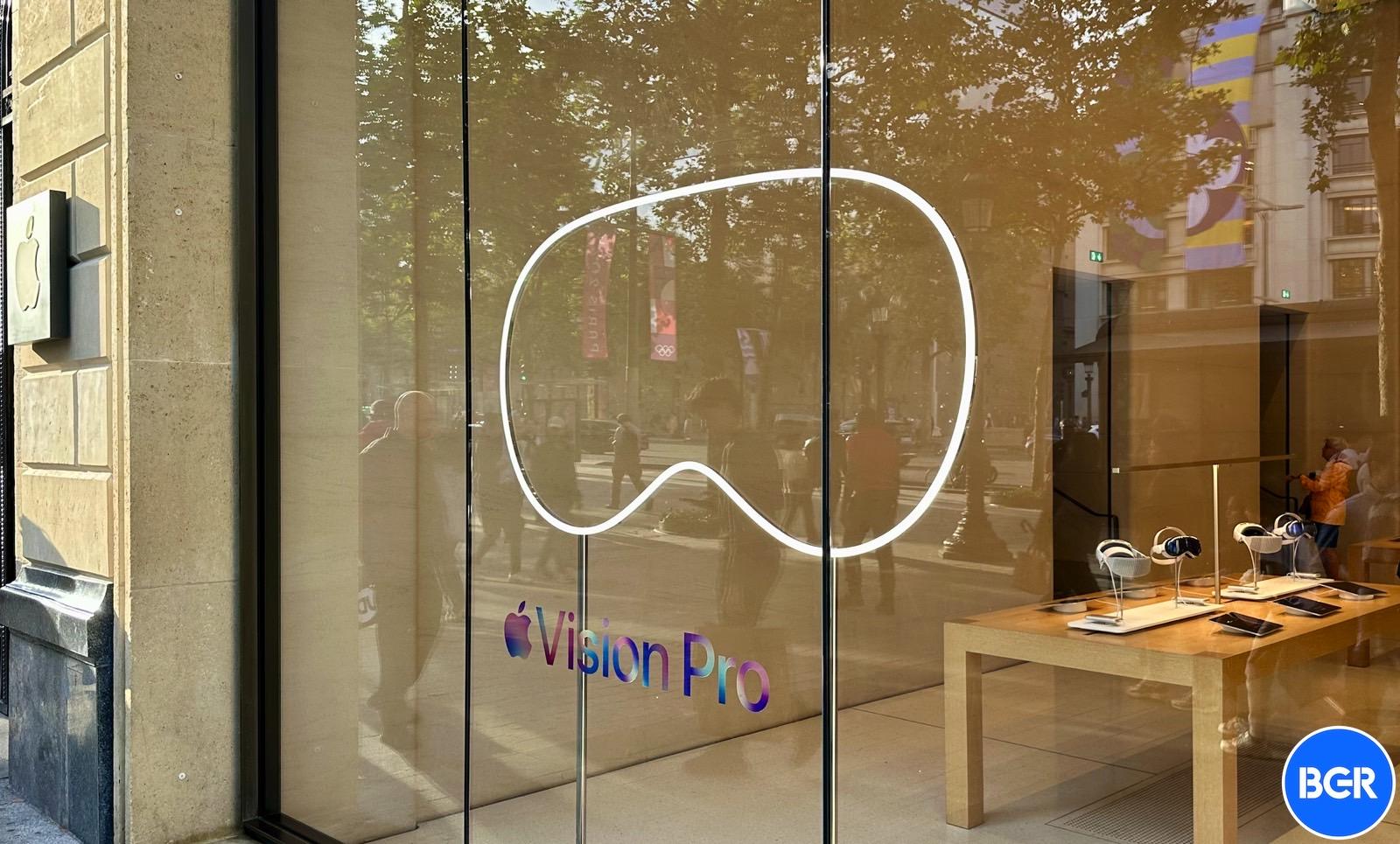
While I haven’t bought the Apple Vision Pro, I’m still a fan of what Apple is doing here because I think the spatial computer debuted key technologies that will lead to the actual head-worn wearable I want: A pair of AR Apple Glasses that might eventually replace the iPhone.

Rumors say that we have a long wait ahead of us before true Apple Glasses become a reality. Apple needs tons of progress with the tech involved before it can create the product it wants. Meta recently showcased the bulky Orion concept of AR glasses that cost $10,000 to make. That’s another clear hint that Apple Glasses will take a while to get here. We need a pair of AR glasses that look much more like regular glasses before consumers will actually adopt them.

Other rumors say that Apple is studying the possibility of developing smart glasses that look like Meta’s Ray-Ban. Those aren’t AR glasses, however. Intead, they just have a camera and Meta AI support. Samsung is expected to unveil a similar gadget in the coming months.

Apple will never confirm work on future products, though it might tease that’s where we’re heading. That’s what Tim Cook did in a recent interview when asked whether Apple Glasses are coming after the Vision Pro.

Tech. Entertainment. Science. Your inbox.

Sign up for the most interesting tech & entertainment news out there.

By signing up, I agree to the Terms of Use and have reviewed the Privacy Notice.

Here’s the actual exchange between Tim Cook and Wired’s Steven Levy:

Wired: Meta and Snap are leading us to mixed-reality glasses that we’d wear continually. Is the bigger, heavier Vision Pro ultimately headed that way?

Tim Cook: Yes, it’s a progression over time in terms of what happens with form factors. AR is a huge deal. With Vision Pro, we’ve progressed to what is clearly the most advanced technology we’ve ever done, and I think, the most advanced technology in the world in terms of electronics problems. We’ll see where it goes.

Tim Cook did not confirm that the tech inside its Vision Pro will eventually shrink down to fit inside Apple Glasses. He offered the obvious answer any CEO would have given, considering the question. Yes, the Vision Pro is a stepping stone towards something better. His “we’ll see where it goes” is the hedge you’d expect from an exec dealing with this question.

Meta Rayban SunglassesRay-Ban Meta smart glasses. Image source: Jonathan S. Geller
I’ve included the question in full because of how it’s framed. Levy asks Cook whether smart glasses like the ones Meta and Snap sell are leading us to mixed-reality glasses that we’d wear continuously. But neither Meta nor Snap have such products. Instead, the two social networks sell smart glasses that are significantly less sophisticated than the Vision Pro. They’re not mixed-reality devices.

Put differently, Apple has developed the tech it needs for Apple Glasses with the Vision Pro. Apple now has to shrink it down to fit inside a pair of normal glasses.

Apple developing a smart glasses product that would support genAI, like Meta’s glasses, would allow Apple to work on the glasses chassis that might one day feature more advanced capabilities that would trickle down from the Vision Pro. There’s no telling how long it’ll take for Apple to come out with Apple Intelligence-ready Apple Glasses.

Cook also addressed questions about lower-than-expected Vision Pro sales in the same interview saying the device is a success.

“It’s an early adopter product, for people who want tomorrow’s technology today,” Cook said. “Those people are buying it, and the ecosystem is flourishing. The ultimate test for us is the ecosystem. I don’t know if you’re using it very much, but I’m on there all the time. I see new apps all the time.”

Source

Posted on

Tim Cook says Apple Intelligence was always going to be free

If you own an iPhone 15 Pro, iPhone 15 Pro Max, or any of the four iPhone 16 models, you can use Apple Intelligence for free. The same goes for iPads and Macs that feature Apple M-series chips. Apple Intelligence is available for free as part of the respective iOS, iPadOS, and macOS updates.

At the same time, Apple Intelligence, in its current state, is incomplete compared to what Apple showed at WWDC 2024. It’ll take several more months to get that full Apple Intelligence functionality on the iPhone. And even then, work on Apple Intelligence will not stop as the company should add new capabilities year after year.

In its current state, Apple Intelligence can only be free. Will Apple ever charge for it? Tim Cook addressed the question in an interview, saying that the tech is as similar and pivotal as the iPhone’s multitouch feature, which you also get for free with your iPhone purchase.

Apple Intelligence was one of the main topics in Wired’s wide-ranging interview with Tim Cook. That’s when the question about Apple Intelligence’s potential price came up:

Tech. Entertainment. Science. Your inbox.

Sign up for the most interesting tech & entertainment news out there.

By signing up, I agree to the Terms of Use and have reviewed the Privacy Notice.

Wired: Some companies charge for AI-enhanced services. Did you consider that?

Tim Cook: We never talked about charging for it. We view it sort of like multitouch, which enabled the smartphone revolution and the modern tablet.

That’s a great way to frame the answer. Cook is practically saying that Apple Intelligence will be a key tech for Apple products, including the iPhone, just like multitouch is. The latter is a key innovation that made touchscreen devices like the iPhone and iPad possible.

We hardly talk about multitouch support in iPhone or Android products because that’s a feature we take for granted. They’re all touch-first devices. That’s how we interact with them.

Cook’s answer is somewhat misleading because the comparison is valid up to a point. While I’m sure multitouch gets innovations that go under the radar, Apple Intelligence and genAI, in general, will see tremendous progress in the coming years that will not go under the radar.

Apple’s Apple Intelligence innovations will take the spotlight year after year. Some of those features might require extra costs, which might be passed on to the buyer.

As a user, I’ll want to pay for a secure, private, ad-free AI experience, whether Apple’s or someone else’s.

That said, Cook’s take on Apple Intelligence being free is in line with what I’m expecting for Apple’s AI in the near future. I explained earlier this year why Apple Intelligence should always be free. Well, make that “free,” because iPhone users will always be paying for it by paying a premium price for the iPhone.

I still think that’s going to be true for several years, even after Apple catches up with its rivals. Cook’s remark above further reinforces my line of thinking.

Then again, even if Apple is developing premium Apple Intelligence plans, don’t expect Cook to confirm anything years in advance. Some rumors say paid Apple Intelligence features will come in 2027 at the earliest.

As for the more distant future, if Apple can ship a multi-device Apple-Intelligence-first operating system similar to the movie Her, that operating system might be worth paying a subscription.

Speaking of a more distant future of AI, Cook also addressed AGI questions. That’s the advanced general intelligence holy grail that OpenAI and others are trying to achieve. AGI will be able to reason and approach any problem as a human would, though it’ll have a far vaster knowledge database.

The CEO suggested AGI isn’t necessarily a priority for Apple, but the company is certainly looking at where the future might lead. For now, AI is “good enough where we can deliver it to people and change their lives, and that’s what we’re focused on.”

Source

Posted on

iPhone 17 Air may ditch these 5 Pro features to achieve its ultra-thin design

Following the report of a redesigned iPhone 17 Pro, The Information‘s Wayne Ma details Apple’s efforts to release the ultra-thin iPhone 17 Air next year. According to the journalist, Cupertino will remove several features to make this innovative iPhone that thin.

Ma reports that iPhone 17 Air prototypes are between 5 and 6 millimeters thick, which could possibly make it thinner than the iPhone 6, released a decade ago. While the iPhone 16 is 7.8mm thick, this could make the iPhone 17 Air as thin as the new M4 iPad Pro.

Unfortunately, not everything is good news. Apple will have to sacrifice several crucial features to achieve this ultra-thin design. For example, The Information says Apple engineers are “finding it hard to fit the battery and thermal materials into the device,” which means Cupertino will likely have to add a smaller battery to this iPhone.

Besides, a major compromise on the iPhone 17 Air might be a single earpiece speaker. According to Ma, “the iPhone will only have a single speaker in its earpiece because there’s no room for a second speaker at the bottom, which is standard in other models.”

Tech. Entertainment. Science. Your inbox.

Sign up for the most interesting tech & entertainment news out there.

By signing up, I agree to the Terms of Use and have reviewed the Privacy Notice.

The journalist also confirms another rumored change: the iPhone 17 Air will have a “large, centered camera bump.” That said, forget about one of the iPhone’s most widely-used camera features, the optical zoom.

While Apple’s in-house 5G modem is expected to be available with this iPhone, the chip doesn’t perform as well as Qualcomm’s. The report says it’s more efficient, but it won’t be as fast, and it will lack a feature some US users benefit a lot, the mmWave 5G technology, which Apple’s future processor won’t have.

Finally, Apple engineers couldn’t figure out how to add a physical SIM tray to the iPhone 17 Air. While iPhone users in the US are used to that, Apple will have issues, at least in China, which requires phones to be sold with a SIM card. Without this market, sales of this upcoming iPhone might not be as enticing as they could.

Wrap up

Considering all that, I wonder if these trade-offs are worth it for an all-new iPhone design. I still think Pro users will keep buying Pro phones, while regular iPhone users won’t be enticed to pay extra for this new design. So, who might be this new iPhone for?

Source

Posted on

First-of-its-kind EV battery adds 186 miles of range with a 5-minute charge

What if charging your electric car was as quick as grabbing a coffee? Thanks to an incredible breakthrough by ProLogium, that vision is becoming a reality. The company revealed a first-of-its-kind, cutting-edge EV battery that can deliver up to 186 miles of driving range after just five minutes of charging.

This innovation is more than just a fast charge, though. ProLogium’s new EV battery is a leap forward in energy density. Traditional lithium-ion batteries, the kind in most EVs today, top out at about 300 watt-hours per kilogram (Wh/kg). However, ProLogium’s battery reaches an impressive 321 Wh/kg—and that’s just the start.

The company claims it plans to further boost the performance of its cutting-edge EV battery up to 77 percent by the end of 2024. This could lead to lighter, more efficient batteries that don’t sacrifice range for a fast charging speed. Of course, this isn’t the first time we’ve seen EV batteries pushing the current boundaries of fast charging.

What’s especially exciting about ProLogium’s development, though, is the battery’s modular design. If part of the battery breaks, you don’t have to replace the whole thing—just the damaged section. This could cut repair costs significantly and make EV ownership even more appealing, something EV manufacturers have been struggling to do.

Tech. Entertainment. Science. Your inbox.

Sign up for the most interesting tech & entertainment news out there.

By signing up, I agree to the Terms of Use and have reviewed the Privacy Notice.

Sure, the Cybertruck might be appealing to some because of how off-the-wall it looks on the road. There’s no doubt that Tesla has made quite an imprint on the EV market. However, the widespread adoption of EVs is still far from what many would like to see it become. ProLogium’s new cutting-edge EV battery could help with that.

This breakthrough is a big step toward making electric cars not just an eco-friendly option but also the most convenient one. With faster charging, longer range, and smarter designs, the future of electric vehicles has even more room to grow with batteries like this.

Source