Posted on

Nvidia might reveal DLSS 4 at CES 2025 – and mysterious new AI capabilities that could be ‘revolutionary’ for GPUs

  • Inno3D has leaked that Nvidia has “advanced DLSS technology” to show off at CES 2025
  • This may be DLSS 4, as it makes sense to reveal it alongside RTX 5000 GPUs
  • New neural rendering capabilities are also set to be aired which could be even more intriguing

Inno3D has again been leaking material relating to Nvidia’s upcoming revelations at CES 2025, but this time it’s more about the software and AI side of the equation, rather than the (purported) next-gen graphics cards themselves.

VideoCardz noticed that German tech site Hardware Luxx caught the CES 2025 press release from Inno3D, teasing what it has in store for the show, and oversharing some info that Nvidia would doubtless not want aired.

The key mentions here pertain to a possible new version of DLSS and fresh neural rendering capabilities.

In the first case, Inno3D talks about: “Advanced DLSS Technology: Nvidia’s Deep Learning Super Sampling offering even better image quality and higher frame rates.”

And secondly, the manufacturer points out: “Neural Rendering Capabilities: Revolutionizing how graphics are processed and displayed.”

There’s also talk of AI enhanced power-efficiency measures whereby the GPU’s power consumption and thermals are presumably fine-tuned to be more efficient and work better in general.

An Nvidia GeForce RTX 4060 Ti

(Image credit: Future / John Loeffler)

Analysis: Clever tricks to make up for meager VRAM loadouts?

While we can’t read too much into this – it’s all pretty vague marketing speak from Inno3D, as you’d fully expect from a pre-event press release – the highlighted bits are still exciting glimpses of what we might be treated to at CES 2025.

{ window.reliablePageLoad.then(() => { var componentContainer = document.querySelector(“#slice-container-newsletterForm-articleInbodyContent-Ep7bNnmUzbtxdMLDJ6tnSi”); if (componentContainer) { var data = {“layout”:”inbodyContent”,”header”:”Get daily insight, inspiration and deals in your inbox”,”tagline”:”Sign up for breaking news, reviews, opinion, top tech deals, and more.”,”formFooterText”:”By submitting your information you agree to the Terms & Conditions and Privacy Policy and are aged 16 or over.”,”successMessage”:{“body”:”Thank you for signing up. You will receive a confirmation email shortly.”},”failureMessage”:”There was a problem. Please refresh the page and try again.”,”method”:”POST”,”inputs”:[{“type”:”hidden”,”name”:”NAME”},{“type”:”email”,”name”:”MAIL”,”placeholder”:”Your Email Address”,”required”:true},{“type”:”hidden”,”name”:”NEWSLETTER_CODE”,”value”:”XTR-D”},{“type”:”hidden”,”name”:”LANG”,”value”:”EN”},{“type”:”hidden”,”name”:”SOURCE”,”value”:”60″},{“type”:”hidden”,”name”:”COUNTRY”},{“type”:”checkbox”,”name”:”CONTACT_OTHER_BRANDS”,”label”:{“text”:”Contact me with news and offers from other Future brands”}},{“type”:”checkbox”,”name”:”CONTACT_PARTNERS”,”label”:{“text”:”Receive email from us on behalf of our trusted partners or sponsors”}},{“type”:”submit”,”value”:”Sign me up”,”required”:true}],”endpoint”:”https://newsletter-subscribe.futureplc.com/v2/submission/submit”,”analytics”:[{“analyticsType”:”widgetViewed”}],”ariaLabels”:{}}; var triggerHydrate = function() { window.sliceComponents.newsletterForm.hydrate(data, componentContainer); } if (window.lazyObserveElement) { window.lazyObserveElement(componentContainer, triggerHydrate); } else { triggerHydrate(); } } }).catch(err => console.error(‘%c FTE ‘,’background: #9306F9; color: #ffffff’,’Hydration Script has failed for newsletterForm-articleInbodyContent-Ep7bNnmUzbtxdMLDJ6tnSi Slice’, err)); }).catch(err => console.error(‘%c FTE ‘,’background: #9306F9; color: #ffffff’,’Externals script failed to load’, err)); ]]>

Sign up for breaking news, reviews, opinion, top tech deals, and more.

The mentioned advanced DLSS tech which delivers a better image quality, and bigger frame rate boosts, might well be DLSS 4. That said, we’ve heard very little about Nvidia’s next-gen take on DLSS, which is odd if it is on the verge of being shown off.

However, it’s not unreasonable to assume that DLSS 4 would be tied to RTX 5000 GPUs exclusively (as Team Green did this with DLSS 3 and RTX 4000 GPUs when they launched). And so when RTX 5000 graphics cards are revealed at CES, it’d make sense that the next-gen DLSS would be teased alongside them, if not fully detailed.

On top of that, the apparent new neural rendering capabilities sound intriguing, and the mention of the term ‘revolutionizing’ graphics has piqued our curiosity. Is this just PR bluster, though?

We’ll have to wait and see, but there are already theories floating around that it could be some kind of neural texture compression, which would help GPUs with lower amounts of VRAM cope better with weighty textures. Could this be an explanation of why Nvidia might be mulling video RAM loadouts like 8GB for the RTX 5060 and 12GB for the RTX 5070? Perhaps, but that’s reaching…

Inno3D also mentions that it’ll have new graphics cards at CES 2025, without saying they’re RTX 5000 models. But it does mention some more standard brands of new products, alongside higher end iChill variants, including a small form-factor board – which is a hint that we won’t just see higher-end Blackwell GPUs at the show.

As well as the RTX 5090 and 5080, the RTX 5070 or 5070 Ti have been rumored as being ready to be revealed, and this is a further suggestion that this is what Nvidia has planned for CES in January.

Inno3D probably isn’t Nvidia’s favorite partner at the moment, because the graphics card manufacturer recently leaked the existence of the RTX 5090 and that it’ll be unveiled at CES 2025.

You might also like

Source

Posted on

iPhone 17 Air will feature ProMotion, but I’d buy it either way

I’m ready to buy the iPhone 17 Air, even if that means dealing with several compromises Apple will have to make to create a thinner iPhone than ever before. By that, I mean I’m ready for a single-lens camera, potentially worse battery life than what you’d expect from a typical 6.6-inch iPhone, and a single speaker on the bottom.

I’d even be ready to use a 60Hz display rather than one that supports ProMotion. After all, I did that for two years with the iPhone 14 Pro. That actually might have helped me get used to the iPhone 16 Plus’s 60Hz screen. I had no problem transitioning to a non-ProMotion screen during my two-month stint with the iPhone 16 Plus.

However, it looks like the iPhone 16 will be the last generation in which the non-Pro iPhones lack 120Hz refresh rate support. We have already seen a series of reports saying that Apple will bring LTPO tech to all iPhone 17 models, including the iPhone 17 Air, and there’s another story out that seemingly confirms this development.

LTPO is a key display tech that allows Apple to offer dynamic refresh rates on ProMotion devices with OLED panels. The refresh rate adapts to what’s showing on the screen, dropping as low as 1Hz in some instances rather than staying at 120Hz, regardless of what you might be doing. The benefit of dynamic refresh rate screens is that they conserve battery life.

Tech. Entertainment. Science. Your inbox.

Sign up for the most interesting tech & entertainment news out there.

By signing up, I agree to the Terms of Use and have reviewed the Privacy Notice.

On that note, that’s probably one way I improved battery life on the iPhone 14 Pro, as my refresh rate moves between 1Hz and 60Hz rather than the full 120Hz.

My display preferences aside, plenty of iPhone users have rightly called out Apple for restricting the ProMotion displays to the Pro models. Meanwhile, many Android vendors ship mid-range phones that support 120Hz refresh rates.

Thankfully, all iPhone models will get ProMotion screens, starting with the iPhone 17 series. Korean website DT penned the latest report that says Apple suppliers are preparing to meet Apple’s OLED panel needs for the iPhone 17.

The report says that all four iPhone 17 models will use LTPO OLED panels, which implies that the iPhone 17 Air will support 120Hz refresh rates. The story doesn’t single out the ultra-thin iPhone or the other three models, instead focusing on the suppliers.

If the information is accurate, LG Display will be the big winner of Apple’s iPhone 17 screen orders. The Korean company had a 10% share of orders last year, which grew to 30% this year. LG’s share will continue to rise next year when it will account for 40% of Apple’s OLED panel needs.

Chinese company BOE is apparently the big loser, as it is unable to manufacture the LTPO panels Apple wants for the iPhone 17.

Samsung will continue to get the lion’s share of OLED panels for the iPhone, likely accounting for 60% of orders.

M4 iPad Pro Home Screen running iPadOS 18M4 iPad Pro OLED display. Image source: José Adorno for BGR

The inability of OLED panel vendors to meet Apple’s production needs might explain why Apple has kept using LTPS 60Hz OLED panels in non-Pro handsets so far, but that’s just speculation from this iPhone user. Apple sells over 200 million iPhones every year, so its display needs dwarf those of rivals.

The DT story implies that supply is an issue, as it explains that LG will not build new manufacturing lines to accommodate a larger influx of orders from Apple. Instead, LG will retool its iPad Pro OLED screen production line to manufacture iPhone displays.

Apple’s M4 iPad Pro hasn’t been selling as well as expected, so LG’s move makes sense. While the Korean company won’t confirm such changes, it did say during the Q3 earnings report that it plans to adapt its production infrastructure to market conditions.

LG adapting to Apple’s needs will have an unwanted side effect. The report says LG’s investments in a next-gen supply facility of OLED panels for tablets and laptops will be slightly delayed. Interestingly, Apple is expected to use OLED panels in more products, including the iPad mini, MacBook Air, and a foldable Mac/iPad set to launch sometime in the next four years.

Back to the iPhone 17, the report doesn’t mention screen sizes for the four phones. I’d expect Apple to stick with the 6.1-inch, 6.3-inch, and 6.9-inch screen sizes for the iPhone 17, 17 Pro, and 17 Pro Max, respectively. Rumors say the iPhone 17 Air should feature a 6.6-inch display.

Source

Posted on

How to share lost AirTag location with an airline

iOS 18.2 has just been released, and it’s full of Apple Intelligence features. However, there’s one feature available to everyone that might greatly improve their next trip.

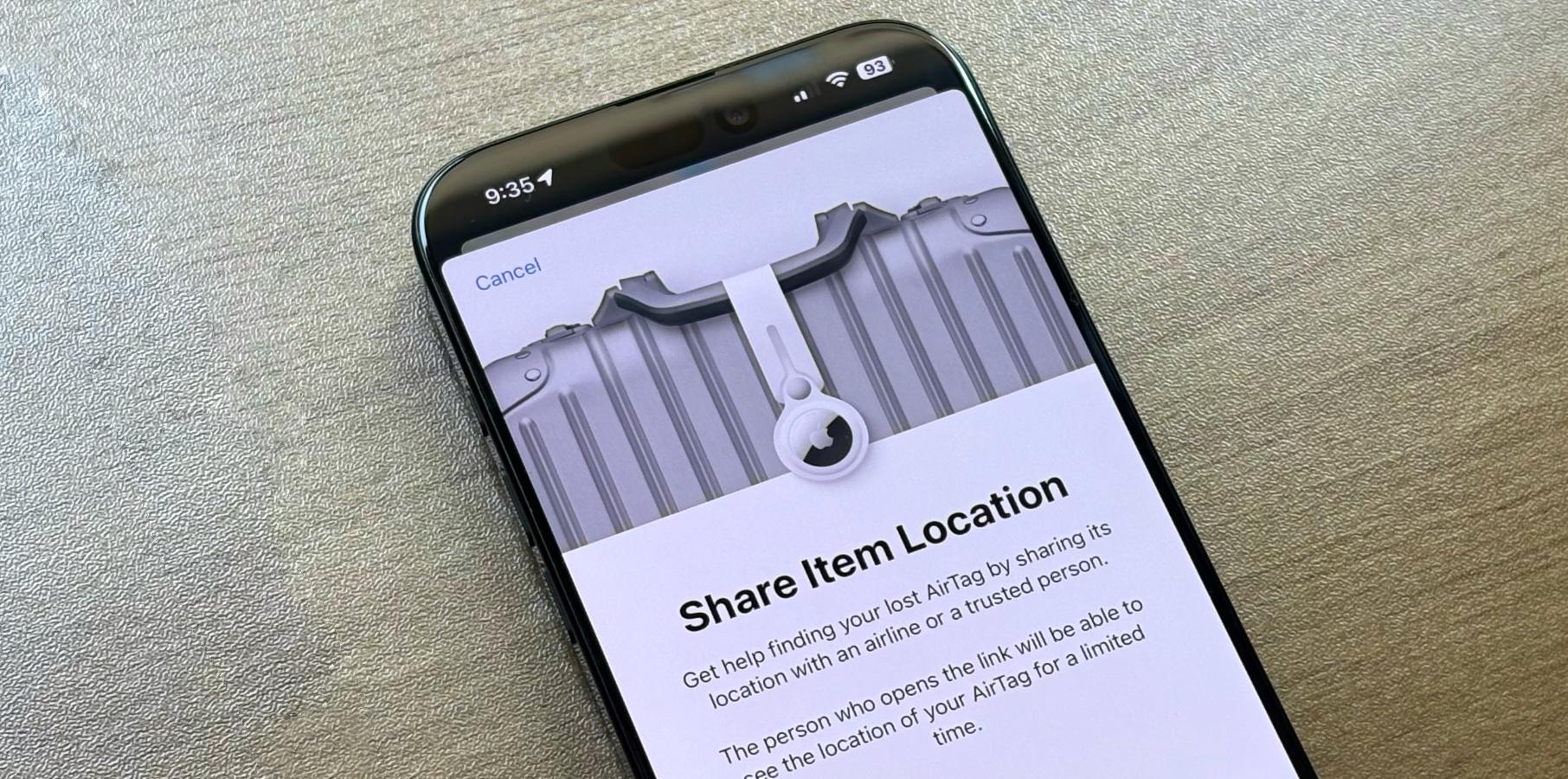
The new Share Item Location feature lets iPhone and iPad users share their AirTag or third-party item tracker location with another person or an airline. It was first available as part of the iOS 18.2 beta and is now rolling out to everyone.

According to Apple, over 15 airlines are planning support for this Find My feature: Aer Lingus, Air Canada, Air New Zealand, Austrian Airlines, British Airways, Brussels Airlines, Delta Air Lines, Eurowings, Iberia, KLM Royal Dutch Airlines, Lufthansa, Qantas, Singapore Airlines, Swiss International Air Lines, Turkish Airlines, United, Virgin Atlantic, and Vueling.

Suppose you lose your keychain in a restaurant. You can send the manager a link using Share Item Location, and they can track your AirTag using their iPhone 11 or newer with Precision Find.

Tech. Entertainment. Science. Your inbox.

Sign up for the most interesting tech & entertainment news out there.

By signing up, I agree to the Terms of Use and have reviewed the Privacy Notice.

Additionally, you can already share your AirTag location with friends and family members using the Find My network.

How to share a Lost AirTag using Find My

If you have an AirTag and your iPhone is updated to iOS 18.2, follow the steps below:

  • Open the Find My app and open the “Items” tab.
  • Select the lost AirTag and scroll down the menu.
  • Tap “Show Contact Info” so people can contact you when they find your item.
  • Lastly, tap “Share Item Location” so you can create a link that people can click to see your AirTag location for a limited time.

Apple says the “Show Contact Info” feature lets others hold your AirTag close to the top of their phone to open a website with more information, including your phone number or email address, so they can contact you to let you know they found your device.

Below, you can learn more about the latest iOS 18.2 features.

Source

Posted on

Here’s why I’d cancel Netflix before ChatGPT Plus

As I type these lines, we’re halfway through OpenAI’s big “12 Days” of ChatGPT event, which brought us several exciting features. ChatGPT o1 is out of beta, as is the Canvas mode, with the latter delivering a big UI change for the ChatGPT experience. OpenAI also released the text-to-video Sora service to the public and brought live video streaming and screen sharing to GPT-4o’s Advanced Voice Mode.

As a ChatGPT Plus user, I’d have early access to all of them, but since I’m in the European Union, OpenAI is more cautious with its releases here. As such, Sora and the live video streaming support for Advanced Voice Mode are not available in the region. The latter is especially exciting, as the AI will get eyes in specific conversations.

These developments made me realize, again, that the Plus subscription isn’t as good in Europe as elsewhere. Still, I’m not going to cancel it, as I find that ChatGPT has become too valuable to me, both for work and personal computing. I also thought that, if I were to choose, I’d rather cancel Netflix than ChatGPT Plus at this particular point in my life.

It’s an apples-to-oranges comparison, sure. The two products aren’t actual competitors. If anything, I found that ChatGPT can be a great companion for streaming certain Netflix shows.

Tech. Entertainment. Science. Your inbox.

Sign up for the most interesting tech & entertainment news out there.

By signing up, I agree to the Terms of Use and have reviewed the Privacy Notice.

It just happens that I’m not binging Netflix like I would have done years ago. I skip some of the shows completely.

Meanwhile, Netflix has tightened its password-sharing crackdown to the point where circumventing it is almost impossible.

Separately, YouTube got a massive price hike this week, which, combined with OpenAI’s ongoing event, made me compare streaming subscriptions like Netflix to ChatGPT Plus. It’s not just Google that’s periodically increasing prices; Netflix is doing it, too, as I just got one such price hike notification for my region.

I often argued that the password-sharing ban and price hikes are worth dealing with, considering what you’re getting in return. I said that I’ll keep my Netflix subscription as long as I spend more money on coffee when going out. The latter consideration also applies to ChatGPT Plus.

What I’m getting at is that I’m not in a position where I have to choose between the various software and service subscriptions I might pay each month and cut some of the costs.

But if I were to start cutting something, streaming services would go well before ChatGPT Plus. Netflix could be on the chopping block too.

At $20/month, ChatGPT Plus is actually more expensive than what I pay for Netflix. But combine all the streaming subscriptions I’m subscribed to, and ChatGPT Plus is the cheaper option. Also, those costs add up over a year, according to an Excel doc where I keep track of everything.

Ted Danson in A Man on the Inside on NetflixTed Danson as Charles in “A Man on the Inside.” Image source: Colleen E. Hayes/Netflix
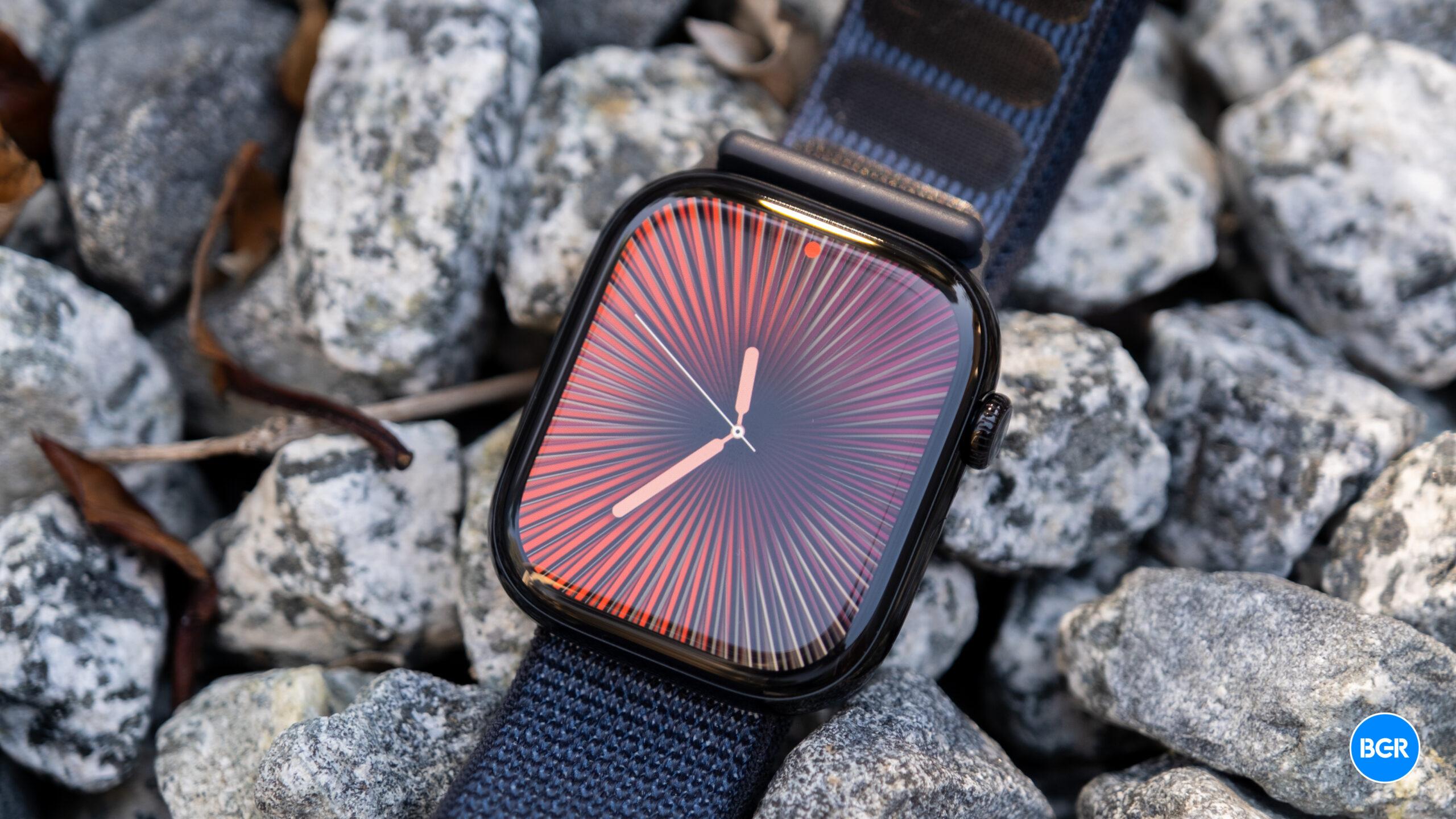
I reduced my streaming time so I could focus on exercising more. I run marathons now, which means I’m spending hours running and walking outside. Watching Netflix isn’t what it used to be, and it has nothing to do with the time I spend on ChatGPT.

As for the AI chatbot, I’ve been using it increasingly more in the past year, especially since I jumped on the Plus subscription. It’s not just for work, though; as you can imagine, keeping tabs on all things AI is a good reason to have an active premium AI subscription. I use ChatGPT for more complex research, which would take a lot longer to use traditional search engines.

I’m still questioning what the AI is telling me, but with the addition of ChatGPT Search, OpenAI has made a big move towards showing the sources of ChatGPT’s claims. By the way, ChatGPT Search continues to be exclusive to premium tiers like ChatGPT Plus.

I use ChatGPT to plan workouts and travel, and I use it to ask any question I can think of, including the sillier kind. That latter part actually comes in handy while traveling to all sorts of places and visiting museums and other landmarks. ChatGPT can be an invaluable source of information, and it’ll be an even better tool once video streaming support rolls out to Advanced Voice Mode.

I wouldn’t have necessarily expected it earlier this year, but a premium AI subscription is a top priority for me. Even if I cancel ChatGPT Plus, I’d consider a premium replacement from the competition. The Netflix subscription, meanwhile, is much lower on that priorities list, and I’m sure I’d cancel it long before I ditch ChatGPT Plus.

Source

Posted on

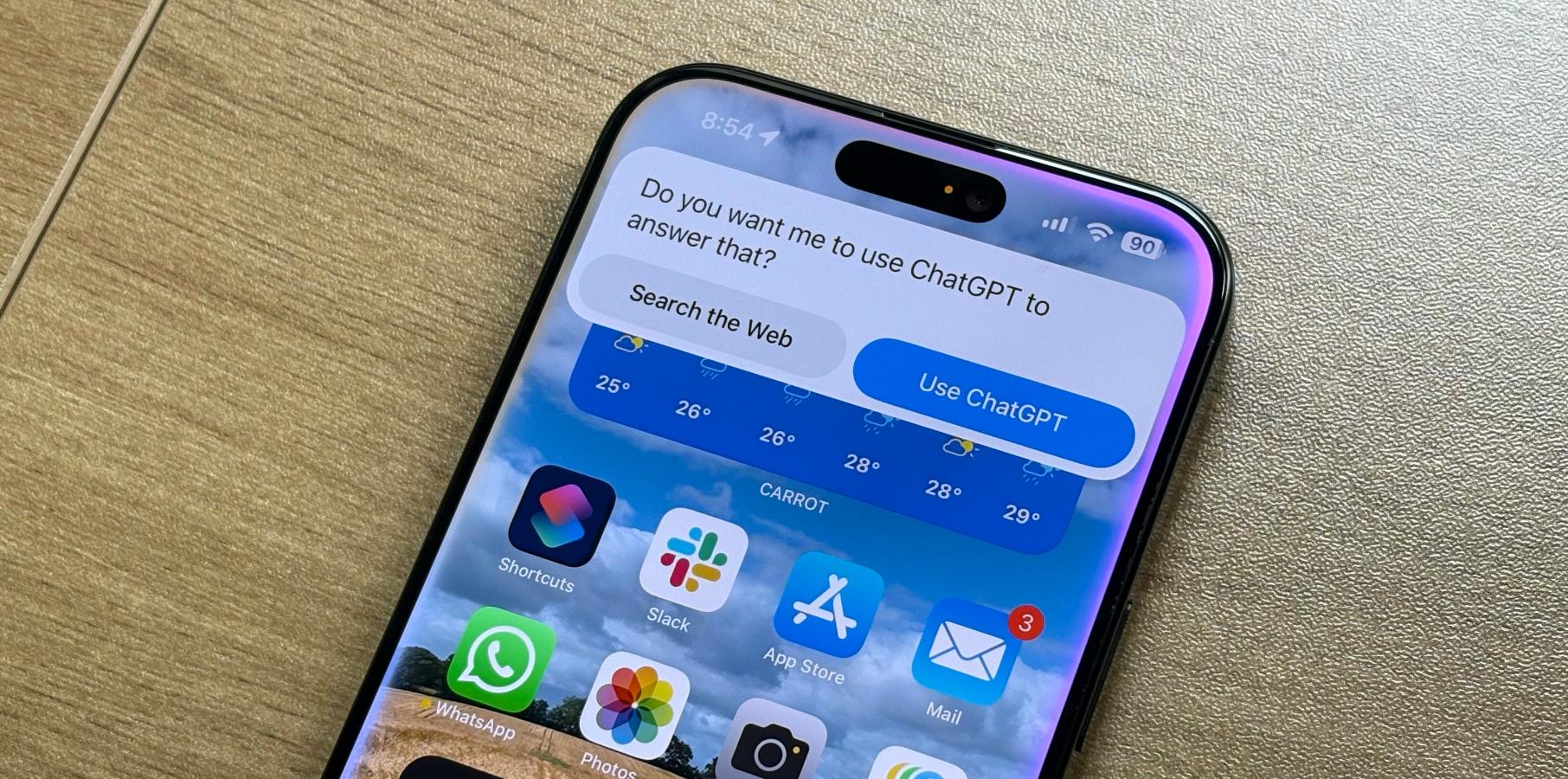
Apple Watch Series 10 has a frustrating problem with workout tracking

I switched from a 40mm Apple Watch SE 2 to a 42mm Apple Watch Series 10 in late September, and it’s the best thing I’ve ever done. But there’s an unexpected twist, and it’s so annoying.

I run marathons now, and I want Apple’s wearables to track my health parameters during races and the entire training phase leading up to a race. My old Apple Watch SE’s battery health dropped below 80%, at which point I had to recharge it twice a day to ensure it would not die suddenly.

I could have replaced the battery or purchased another SE model. But, as I get older, I also want better health tracking — and the premium Apple Watch Series 10 delivers that. I want the wearable to track my health parameters around the clock, not just while I’m training.

I should also tell you that I’m always running the latest watchOS 11 beta, which can often explain various bugs. But there’s one that I keep seeing, and it has nothing to do with the current beta OS I’m running: The Apple Watch Series 10’s sensors don’t consistently track my heart rate during workouts.

Tech. Entertainment. Science. Your inbox.

Sign up for the most interesting tech & entertainment news out there.

By signing up, I agree to the Terms of Use and have reviewed the Privacy Notice.

I started noticing this bug in mid-October. Since then, I’ve seen some improvements, but I’m still missing data from the run and walk session. It turns out I’m not the only one. BGR’s editor Zach Epstein got a 46mm Apple Watch Series 10. He also encountered the same issue during an elliptical workout, and he’s not running a beta version of watchOS. He also had the same problem with his older Apple Watch Ultra, which means the problem isn’t just an issue with the Series 10 model.

We both dealt with this heart rate tracking issue sometime during the early watchOS 11 betas over the summer. Zach found a workaround I’ve used on my Apple Watch SE 2 for weeks, until Apple seemingly fixed it.

We would take heart rate readings with the watch’s dedicated Heart Rate app just before starting a workout. This would sort of warm up the heart rate sensor, so to speak, and it would keep working throughout the subsequent workout. Apple appeared to have addressed it a few weeks later, as my Apple Watch SE 2 started working fine.

But fast-forward to October, and the same problem appeared on the Apple Watch Series 10. By early December, the issue is still here.

It’s unclear exactly what is causing the Apple Watch Series 10 to fail when performing readings. I’ve already shared some screenshots that prove heart rate data was absent when I first covered the issue, so I’ll share a few fresh ones below.

The missing heart rate data

Here’s Zach’s most recent elliptical session, which lacks about 10 minutes of heart rate data at the start of his workout:

Missing heart rate data from an elliptical workout.Missing heart rate data from an elliptical workout. Image source: Zach Epstein, BGR

Here’s my 9K run from Sunday afternoon that shows two different types of behaviors. First, we can see that it’s missing all of my heart rate data early in the workout. But then, the Apple Watch Series 10 also runs into issues later in the workout:

Missing heart rate data from a 9K run.Missing heart rate data from a 9K run. Image source: Chris Smith, BGR

I ran my second marathon — which was my first while wearing the Apple Watch Series 10 — a few days before the 9K run. The Apple Watch Series 10 was amazing when it came to battery life. And, from the looks of the following graph, it registered my heart rate throughout the race.

Heart rate data captured during a marathon race.Heart rate data captured during a marathon race. Image source: Chris Smith, BGR

But did it really? Or are we simply too zoomed out in the graph to spot any missing information? After all, this was a race that lasted more than four hours. The app had to fit all the heart rate data into the same limited space as my 9K run or Zach’s elliptical workout.

I’ve been using the Apple Watch since the first generation came out. There’s no chance here that I’m wearing it wrong. I know how snug it has to be to record health parameters. I wear the Watch on the same arm and same location. I also don’t have any tattoos that would interfere with the sensor.

What I’m getting at is that heart rate readings were not as big of a problem before watchOS 11 and the Apple Watch Series 10.

It’s not just about workouts

I didn’t buy the best Apple Watch out there, save for the Ultra, just for training. I want it to provide health readings around the clock. But considering the repeated issues during my workouts, how would I even know the Apple Watch Series 10 is taking the regular heart rate readings it has to perform with accuracy?

I could manually review the logbook of readings and compare them with Apple Watch SE 2 readings from the past to see if the number of data points matches during rest or sleep, but I’m not going to do that.

Hopefully, the Apple Watch will catch heart rate issues in the early stages once I’m older. For that to happen, and for the Apple Watch to save my life, I would have to know for certain that it’s always performing pulse readings without hiccups.

Finally, I want to upgrade my dad’s Apple Watch to a Series 10. But the accuracy of heart rate readings is paramount here. Unlike me, he has heart issues that come with age, and the Apple Watch is potentially a life-saving device.

It’s unclear what’s causing the issue and how many people have encountered it. But we have at least two cases that we can talk about. I’ll also point out that I bought my Apple Watch Series 10 in Europe, so I still have a working blood oxygen sensor, whereas Zach got his in the US. These units come from entirely different batches.

Is this a software issue? I could always jump off beta and find out. But, again, Zach isn’t currently running a beta OS on his watch. Is it a hardware issue? I can’t tell.

As much as I love the Apple Watch Series 10, I’ll have to take it in for potential repairs if the situation persists. I would have returned it if I knew the heart rate issue would persist, but my return window has passed.

Source

Posted on

visionOS 2.2 beta 4 now available ahead of official release

A couple of weeks after releasing visionOS 2.2 beta 3 to developers, Apple has now seeded its fourth testing version. Unlike the tame visionOS 2.1 update, this new build brings a long-awaited feature: wider Mac Virtual Display options.

Mac Virtual Display is one of the OG features of Apple Vision Pro. However, with new wide and ultrawide modes, the spatial computer offers a more immersive experience.

Here’s what this feature is all about:

Using Mac Virtual Display is like having an expandable, ultrawide screen that wraps around you. It’s the equivalent of having two 4K displays sitting side by side — everything looks astoundingly sharp and incredibly detailed.

Now, with an ultrawide view, Apple says it feels like you have two physical 4K displays sitting side by side on a desk, except you don’t have something limiting the two displays. This Apple Vision Pro feature is perfect for anyone multitasking on a Mac, and it feels better than having several windows floating around.

Tech. Entertainment. Science. Your inbox.

Sign up for the most interesting tech & entertainment news out there.

By signing up, I agree to the Terms of Use and have reviewed the Privacy Notice.

With this feature, you can open several apps at once and visualize them before you with Vision Pro’s incredible displays. Not only will this boost productivity, but it will also make this spatial computer a more compelling upgrade than two Studio Displays, as you can use it for more than just mirroring your Mac once you finish working.

Apple is expected to expand Mac Visual Display in early December when visionOS 2.2 is expected to be released to all users. While rumors about a new Vision Pro are contradictory, the latest reports expect Apple to update this product next year with a more capable processor, most likely the M5.

However, a revamped interaction is still a few years away. At this moment, Apple has only released visionOS 2.2 beta 4 to Apple Vision Pro developers. We’ll let you know if more betas or RCs are released this week.

Source

Posted on

8 iOS 18 features that Apple has delayed to 2025

With the launch of iOS 18.2 just around the corner, Apple has a few more iOS 18 features that have now been delayed until 2025.

As excited as we are about all of the new features Apple is bringing to iOS 18, the wait for many of them has been longer than we expected. With that in mind, here are all the features iPhone owners are going to receive sometime next year:

  • Personal context understanding: With Apple Intelligence’s on-device semantic index, Siri can understand emails, messages, photos, calendar events, files, and more and can provide answers to personal questions.
  • In-app actions: Siri can take hundreds of new actions on your behalf in both first- and third-party apps, such as editing a photo, adding a note, and more.
  • Onscreen awareness: Siri will be able to understand and take action with things on your screen, so when a friend texts you recommending a new coffee shop in the neighborhood, you can ask Siri how long it will take to get there.
  • Apple Intelligence expansion: Apple promises Apple Intelligence support will expand to new countries and languages in 2025, most likely around iOS 18.4.
  • Sketch style: With Image Playground, Apple offers animation and illustration styles. However, the Sketch style will likely be delayed. It’s currently available as an option in Image Wand but not for the Image Playground app.
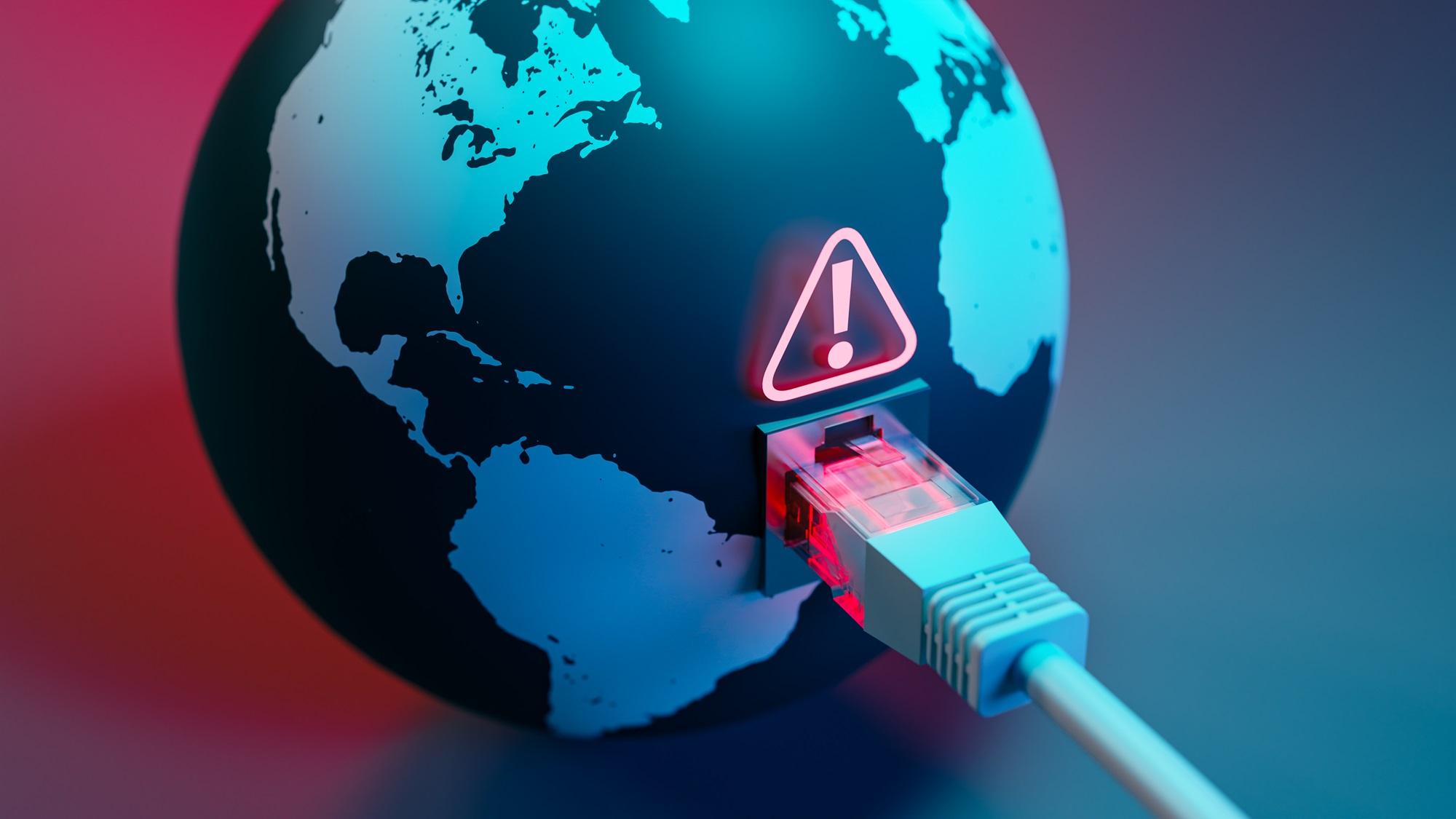
  • Integration with other LLMs: Currently, Apple only offers support for ChatGPT integration with Writing Tools. In the future, the mobile platform is expected to work with other LLMs, such as Google’s Gemini and more.
  • New emoji: Apple usually releases new emojis a few months after its main iOS release. If the company follows the trend, iOS 18.4 could bring new emojis. These are the possible new additions.
  • Robot vacuum cleaners will be compatible with the Home app, so they can participate in automation and scenes and can be activated by a user’s voice using Siri.

iOS 18.1 Apple Intelligence on iPhone 15 Pro all-new Siri designiOS 18.1 Apple Intelligence on iPhone 15 Pro: The all-new Siri design Image source: José Adorno for BGR
While the robot vacuum cleaners feature will likely be released early in 2025 with iOS 18.3, all of these new features will likely be part of iOS 18.4 in the spring.

That being said, it’s possible that most of the Apple Intelligence features related to Siri could be delayed to iOS 19 and beyond. In a previous newsletter, Bloomberg‘s Mark Gurman wrote:

Tech. Entertainment. Science. Your inbox.

Sign up for the most interesting tech & entertainment news out there.

By signing up, I agree to the Terms of Use and have reviewed the Privacy Notice.

These upcoming upgrades will make Siri easier to use on a day-to-day basis, but it’s not the brain transplant that the service really needs. Siri is still based on an outdated infrastructure — AI models that have been overtaken by the technology used by ChatGPT and Google’s Gemini. Siri hasn’t yet been rebuilt for the generative AI age, even if Apple is trying to create the impression that it has.

Wrap up

iOS 18 still has several delayed features that might take a long time to become available. Below, you can learn more about what features iOS 18.2 will bring.

Source

Posted on

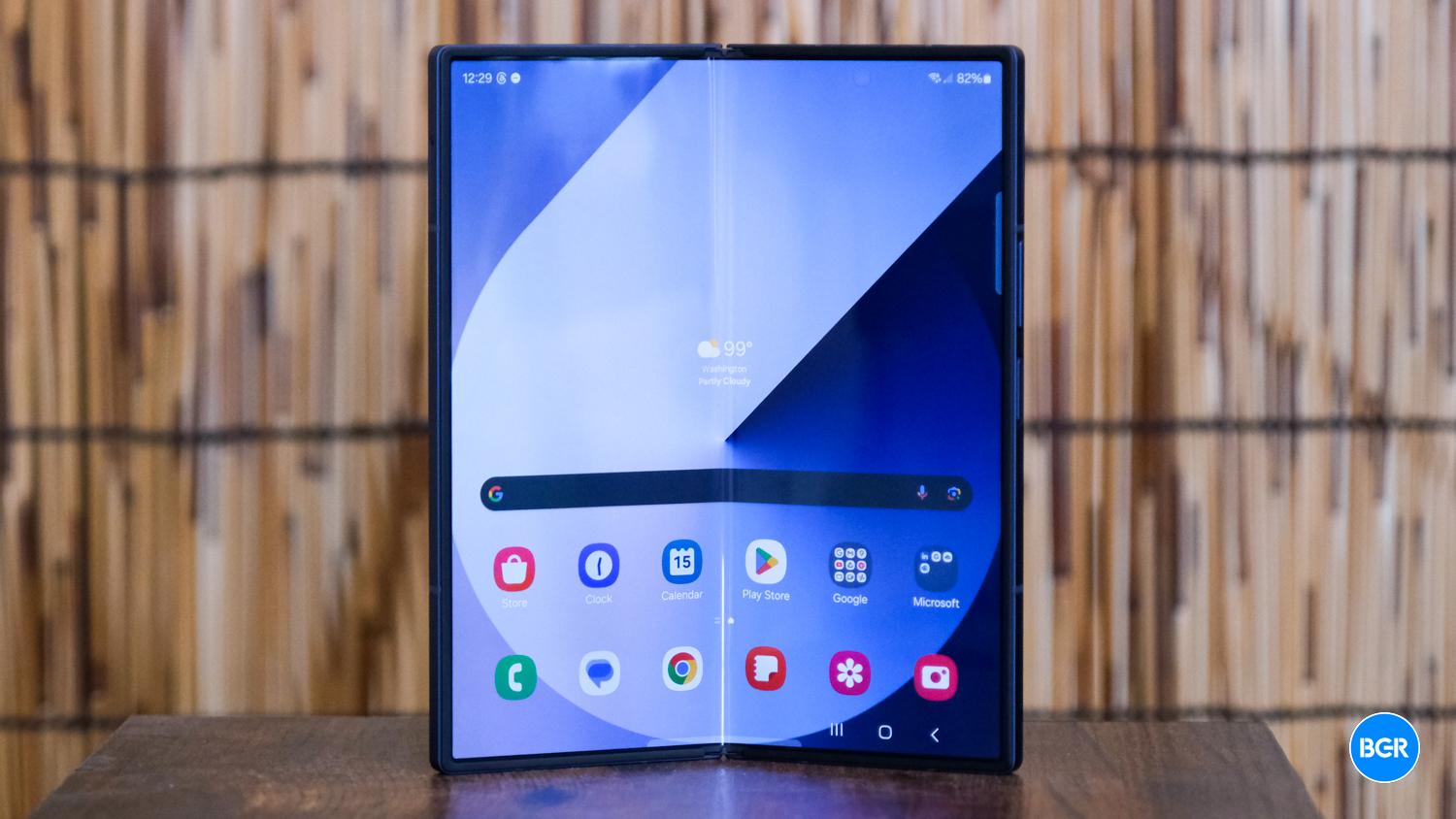
These were 10 the biggest internet outages of 2024

There are few disasters as unifying as an internet outage. Whether it’s a popular website, social network, or online service, everyone collectively freaks out when it goes offline, as was the case when all three major US cell carriers suffered outages on the same day earlier this year.

With that in mind, the network intelligence firm Ookla sifted through Downdetector data from the first three quarters of 2024 to pinpoint the biggest outages of the year. Based on the data Ookla gathered, these were the world’s 10 largest outages of 2024:

World's largest outages in 2024 according to Downdetector.World’s largest outages in 2024, according to Downdetector. Image source: Ookla
The analysis is not an exact science, as the rankings only take into account the number of user reports on Downdetector during the outage. That said, it’s clear that the major Facebook outage on March 5 impacted more people than any other individual outage in 2024.

It wasn’t an especially long outage, but it was the most widespread of the year (so far). Some of these outages impact a small subset of users or users in specific regions, but the Meta crash hit everyone all at once, which is why it received so much attention.

Tech. Entertainment. Science. Your inbox.

Sign up for the most interesting tech & entertainment news out there.

By signing up, I agree to the Terms of Use and have reviewed the Privacy Notice.

“The second largest global outage may be the most memorable. While CrowdStrike is not a service most people think of, we saw nearly 5 million reports to services that rely on it (or rely on Microsoft which relies on Crowdstrike), including emergency services, airlines, and ride sharing apps when a routine software update went bad on July 19,” Ookla notes.

Even if you’ve forgotten about Facebook and Instagram going down, you probably remember when the faulty update from CrowdStrike nearly turned the world upside down.

Source

Posted on

Galaxy Z Fold 7 will be just as thin as the Fold SE, insider claims

As soon as the Galaxy Z Fold Special Edition (SE) foldable came out a few weeks ago, I said that Samsung has no choice but to use the same ultra-thin design for the Galaxy Z Fold 7 next year. Any other option would be admitting that it can’t manufacture thin, foldable phones in large numbers or that it can’t keep up with Chinese foldable smartphone vendors.

The Galaxy Z Fold SE isn’t just thinner than any of its predecessors; it also features larger displays. The best part about the Galaxy Z Fold SE design is that Samsung managed to almost eliminate the crease. The phone is routinely sold out in Korea but is not widely available elsewhere. China is the only market that has a model of the Galaxy Z Fold SE.

Ross Young, a well-connected display analyst, said a few days ago that Samsung’s Galaxy Z Fold 7 will not look like the Galaxy Z Fold SE. But there will be a Galaxy Z Fold 7 SE from Samsung next year. A few days later, the same analyst corrected his previous stance. The Galaxy Z Fold 7 will inherit the Galaxy Z Fold SE design, and that’s amazing news.

Young is the CEO of Display Supply Chain Consultants (DSCC), which just released a report saying that Apple’s first foldable iPhone could hit stores in the second half of 2026. The handset will revitalize foldable phone sales, which are currently experiencing a slump.

Tech. Entertainment. Science. Your inbox.

Sign up for the most interesting tech & entertainment news out there.

By signing up, I agree to the Terms of Use and have reviewed the Privacy Notice.

The DSCC hinted that Samsung will use the Galaxy Z Fold SE design for next year’s Galaxy Z Fold 7, without naming the latter:

Samsung is expected to introduce a second clamshell model in 2025, more aggressively priced as well as a larger infolding model that resembles its recently introduced Z Fold 6 Special Edition.

However, Young clarified those comments on X after the report was released. He said the Galaxy Z Fold 7 will have the same display sizes as the “Fold 6 SE.” The Special Edition phone “will basically become the Fold 7.”

That’s what I was suspecting all along. Samsung has the design of a thinner Fold-type phone ready. All it needs is to update the Galaxy Z Fold 7 specs. I’d expect the 2025 Samsung foldables to feature the same Snapdragon 8 Elite chip as the Galaxy S25 series.

Young also addressed the Flip 7, saying the next-gen clamshell will feature larger displays. We’re looking at a 6.85-inch foldable panel and a 4-inch cover screen.

Also, as seen in the quote from the DSCC report, Samsung should launch a cheaper Galaxy Z Flip 7 next year, a phone Young mentioned a few days ago.

Source

Posted on

What do the Home Secretary’s policing reforms mean for the future of the Police Digital Service?

The Department for Science, Innovation and Technology (DSIT) has become a landing zone for Whitehall’s various digital functions since the new government came to power in July 2024.

Responsibility for running the Government Digital Service (GDS) and the Central Digital and Data Office (CDDO) has transferred from the Cabinet Office to DSIT, but it seems the government’s digital reshuffle might not be over yet.

On 19 November 2024, home secretary Yvette Cooper released a statement about the government’s plans to take a more “active leadership role” to restore the public’s waning confidence in UK policing.

“Confidence in policing has fallen in recent years,” she said. “Visible neighbourhood policing has been decimated. At the same time, crime has become more complex, and policing lacks the systems and technology to respond. Police, and the public they serve, need a system that is fit for purpose and fit for the future.”

The policing sector needs to be reformed, she continued, to ensure it can operate effectively and efficiently – and so that local forces can improve the level of service they provide to the public.

The statement outlines the various actions the Home Office will take to achieve its goals, including the creation of a National Centre of Policing (NCoP) that will have IT in its purview.

“We are determined to work with policing to consult on the creation of a new National Centre of Policing to bring together crucial support services, such as IT and forensics, that local police forces can draw upon, to raise standards and improve efficiency,” it said.

The Home Office’s involvement in UK police IT

What is notable about this is that the Home Office already has a hand in directing the UK’s policing sector’s technology use, through its funding of the privately owned Police Digital Service (PDS).

According to the most recent set of accounts, filed with Companies House on 28 November 2024, the Home Office National Police Capabilities Unit provided PDS with a £32m grant during the financial year ending 31 March 2024.

Previous accounts from PDS have neglected to provide details of the exact size of the grants or funding the Home Office has provided the organisation with.

However, Computer Weekly understands the department defines the £32m grant as being a single-year funding stream, issued on the “basis of need”. As such, there are no guarantees PDS will receive a Home Office grant from one financial year to the next.

For context, during the financial period this grant was issued, PDS made a loss of just over £1m in 2024, having posted a profit of £2.4m in 2023. Its staffing costs also increased from £11.9m to £20.4m during the same 12-month period.

The organisation is tasked with the development and delivery of the National Policing Digital Strategy, which is focused on enabling forces through technology to tackle increasingly complex crimes and, in turn, improve public safety.

With the Home Secretary emphasising the need for more efficiency in policing, does it make sense for two organisations with similar-sounding responsibilities to exist when there is a risk that they could be duplicating efforts?

PDS reform

Owen Sayers, an independent security consultant and enterprise architect with over 20 years’ experience in delivering national policing systems, told Computer Weekly back in mid-July 2024 that he expected the new Labour government would seek to reform PDS when they came to power.

Several months on and it appears his prediction could be coming true, with Sayers now of the view that PDS, or at least its responsibilities, will most likely end up getting folded into NCoP. “I do not doubt the Home Office will seek to build on the work that PDS has done thus far, just as the new administration has lifted the entirety of the CDDO and GDS and placed them into DSIT to ‘continue their good work’ and ‘rely on their expertise’,” he said.

That said, PDS does “carry significant baggage”, he continued, which might make it difficult for the government to “base any new central service upon them”.

To this point, two individuals working for PDS were arrested and bailed in July 2024 on suspicion of bribery, fraud and misconduct in public office – and within two weeks of this news being made public, the organisation’s CEO – Ian Bell – resigned.

The organisation has also been heavily and repeatedly criticised in the past for championing the use of US-based hyperscale cloud services by the policing sector, despite there being a persistent misalignment between how these platforms operate and the policing sector’s own data protection laws.

“PDS, in particular, has overseen and promoted adoption of technologies that breach UK data laws, and that’s not a great CV,” said Sayers. “In addition, there remains serious questions as to whether a body packaged as a profit-making limited company, operating in the heart of government, is an acceptable model to build upon.”

Particularly one that is losing money and receiving multimillion-pound grants from the government. “Making a loss for a public body is nearly as bad as making a profit,” he added.

Invoice data

Invoice data from public sector market watcher Tussell shows that – despite reporting a loss of over £1m for the 12 months to 31 March 2024 – PDS brought in £29.6m of business.  

Computer Weekly contacted the Home Office for clarification on what the creation of NCoP means for the future of PDS, but the department did not directly answer the question.

Computer Weekly also contacted PDS to see if it had received any indication from the Home Office about what the creation of the NCoP means for its future, and received a statement in response from its interim CEO, Tony Eastaugh.

There is no detail in the statement about how PDS and the NCoP will be expected to coexist, but Eastaugh said his organisation “hugely welcomes” the prospect of the NCoP’s creation, describing it as a “once-in-a-generation opportunity” for the policing sector to “design, build and deliver a new construct” that will make communities safer.

“PDS exists solely to support our policing colleagues in that mission – and so we welcome the prospect of being asked to bring our skills, experience and expertise to the discussions on how digital, data and technology in law enforcement needs to look over the coming years,” he said.

“It’s genuinely an exciting opportunity for all of us to deliver tangible change – and PDS is fully committed to doing everything it can to help build that new body with colleagues from across the sector.”

The need for reform

On the same day Cooper’s statement about the need for policing reform went public, she gave a speech at the National Police Chiefs’ Council and Association of Police and Crime Commissioners annual conference, where she shared a few more details about the NCoP’s remit.

“As a starting point, I see this body [NCoP] taking on responsibility for existing shared services [and] national IT capabilities,” she said, having talked about “outdated technology holding policing back” earlier on in her speech.

As an example of this, she pointed to the 50-year-old Police National Computer (PNC). “It was cutting-edge when I was five,” said Cooper.

The government is already working with the sector to create a “collaboration and efficiencies” programme that will seek to cut the costs of IT contracts, among other things, in the interests of saving “hundreds of millions of pounds over the next few years” that can be reinvested in frontline policing, she continued.

“[We’re also] working with you on tackling the bureaucracy that drags policing down – including reforms on redaction, and use of new technology – to free up more time for officers to get back on the frontline,” said Cooper.

Expanding on this point, she said technology procurement is an area that every force wrestles with repeatedly, “with the same questions about new software, IT changes or records management – wasting time, pushing up costs and creating news systems that aren’t even interoperable”.

“Instead of technology driving great leaps forward in policing, too often it is holding policing back,” said Cooper.

Technological changes

Calum Baird is a digital forensics incident response consultant at managed security services provider Systal Technology Solutions, who previously served as a detective constable specialising in cyber investigations for Police Scotland. Speaking to Computer Weekly, he said there are myriad ways that forces are hampered in their ability to fight crime and protect the public because of IT limitations, but also because of how quickly changes to the technological landscape occur.

“Legislative change can take time, and often technology advances at a faster pace, [and] this means that police and legal professionals have to identify how potentially criminal acts fit into existing legislation,” said Baird.

“[Also] think about recent advancements, such as generative AI, cryptocurrency and cloud computing – many of which lack explicit mentions in existing legislation,” he said.

At the same time, forces are often on the back foot when it comes to tackling online forms of crime, because officers need a mix of both investigative and technical skillsets to do so effectively.

“These can be a challenge to develop individually, and even more challenging to develop continually,” said Baird. “Investigative skills take time to develop in law enforcement, and whilst they can be taught, much is learned through practical experience.”

“Cyber security technical skills [as an example] can be developed, but require considerable dedication and often funding to do so,” he said.

What the future holds

For the time being, it remains to be seen how PDS will fit in with the Home Office’s vision of what the future of policing should look like.

However, Secon Solutions’ Sayers said the Home Office would be wise to “turn back the clock” and seek inspiration from how IT was delivered across the policing and criminal justice sector during the latter stages of the last Labour government. “[Back then] the UK had services that were internationally considered to be at the leading edge – both in terms of their technology adoption and exemplars of good governance,” he said.

Sayers cited the Labour government’s early 2000s “Joined-Up Justice” Criminal Justice IT (CJIT) programme that sought to link up the IT systems used by the police and court system. The National Policing Improvement Agency (NPIA) was another example called out by Sayers.

The latter was a non-departmental public body created in 2007 that was set up to support police by providing expertise in IT and data-sharing, among other areas. It closed down during the 2012–2013 financial year.

“During NPIA and CJIT’s tenure, they introduced over 30 national systems, and a host of lesser-known, but still critical, public safety systems,” he said.  

“They worked hand-in-hand to deliver on the joined-up justice agenda, reflecting the reality that criminal justice has many participants, but that for the bulk of cases, the data journey begins in policing,” said Sayers. “This means if the integrity of the data or IT is compromised there, it will never regain good provenance, and the justice process suffers accordingly.

“Rebuilding police technology has to be recognised as foundational to rebuilding all justice IT, and requires organisations to be modelled more on NPIA and CJIT models than police-centric structures like PDS,” he added.

More specifically, Sayers said he would like to see the NCoP change the direction of travel for policing IT, which has seen the sector develop a growing reliance on the US-based cloud hyperscalers, despite their services being “wholly unsuitable” for police and justice use.

“Those technologies are familiar, popular and helped the UK to manage Covid, but the pandemic is behind us now, and we need to build technology platforms suitable for a more diverse operating future,” he said. “Tactical decisions hastily made to address times of urgent need are rarely the right fit for strategic use and growth.

“That is, however, exactly where we are today in policing – where systems born out of our need to react to Covid are being increasingly built upon to form, and constrain, our future thinking,” said Sayers. “We need to be brighter than that.”

We also need the policing sector to start adopting technology offerings that are “optimised for UK laws” because they are built by homegrown providers.

“This does not mean we revert to monolithic and non-interoperable systems … nor should we continue to invest in single-provider technology stacks that lock UK criminal justice into generic commercial services requiring us to compromise on the UK’s mandatory security and vetting requirements – or require UK laws to be changed for use,” said Sayers.

“Whatever the NCoP’s form, it should be tasked to include delivery of a future technology landscape that is based on open standards and federated services, and can provide services at a national scale independent of a reliance on a primary supplier,” he said.

“The next five years can see a renaissance of UK-bred justice technology innovation, but only if the government are brave enough to choose to do so.”

Source