Posted on

Forget Apple Intelligence, Siri doesn’t even know what month it is

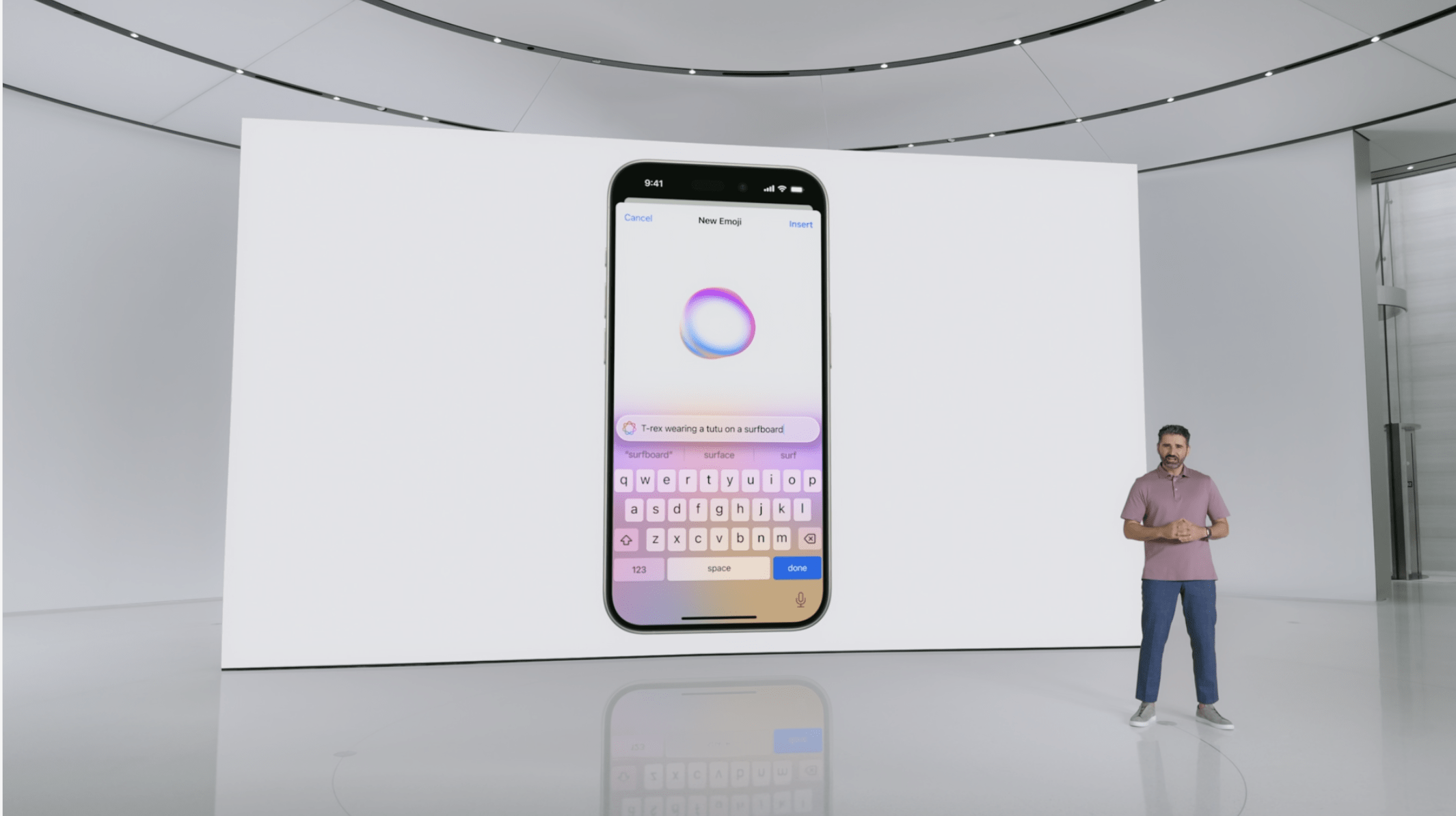
It’s not Apple’s finest hour, as the company is going through one of the most humiliating periods of its recent history. Apple had to admit a few days ago that the smarter Siri it advertised as coming this year to iPhone via Apple Intelligence is delayed indefinitely. It’s unclear how long it’ll take for that Siri upgrade to come to iPhone 16 and other supported devices.

The realization that the smarter Siri in Apple Intelligence is just vaporware prompted plenty of backlash from Apple fans unhappy with how Apple handled the delay.

I said at the time that I still want the Siri vision Apple unveiled at WWDC 2024, but I want Apple to be honest about what it can and can’t do. Yes, Apple is well behind ChatGPT and Gemini, considering this massive setback, but it has time to catch up and deliver the product it advertised. Personal AI assistants are the future of computers, and Apple will eventually get there.

Now that we’re used to the idea of Apple Intelligence being a huge letdown, we can go back to using iPhones as if Apple Intelligence doesn’t exist. Without the smart Siri that should have been here, Apple Intelligence is really nothing to write home about. I’ll continue to ignore it, even though it’s finally available in Europe. It offers nothing I need right now.

Tech. Entertainment. Science. Your inbox.

Sign up for the most interesting tech & entertainment news out there.

By signing up, I agree to the Terms of Use and have reviewed the Privacy Notice.

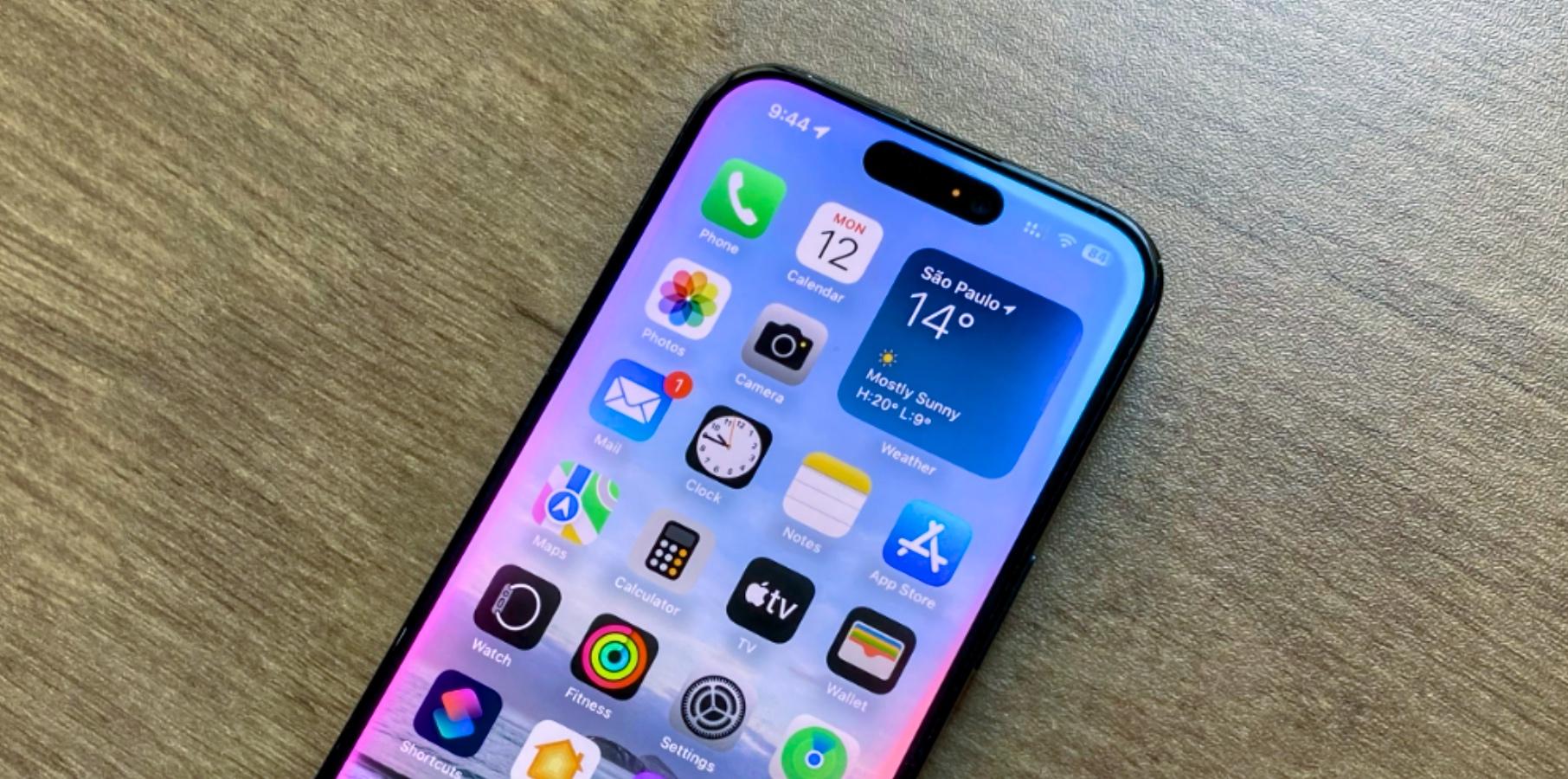
However, it looks like Siri, available outside of Apple Intelligence, is somehow getting dumber. People have noticed the iPhone assistant can’t answer simple questions like “What month is it?” and that’s bad news for Apple.

Siri was the key iPhone 4s feature that Apple unveiled all the way back in 2011. That was nearly 15 years ago. It was extraordinary, teasing the sort of iPhone functionality that seemed taken out of a sci-fi movie. You could issue simple voice commands to the assistant, and Siri would provide assistance.

Since then, competitors have overtaken Siri’s capabilities, with Amazon’s Alexa and Google’s Google Assistant being two good examples, despite Apple improving its own voice assistant.

In 2025, you’d expect Siri to understand your question when you ask it what month it is and answer it. Or, at least, Siri could start a web search for your query, which is what it used to do in the past when it couldn’t quite catch what you asked.

That’s not the case. Siri says it doesn’t understand your question when you ask it what month it is. Apple enthusiast John Gruber, who made waves last week pointing out the deeply misleading Apple Intelligence Siri development and marketing, found a Reddit thread where multiple users posted their experience asking Siri what month it is.

Gruber says he reproduced Siri’s “I’m sorry, I don’t understand” on his iPhone 16 Pro running iOS 18.4 beta 4. I asked Siri the same question on my iPhone 16 Pro Max and got the same bewildering answer.

Truth be told, I have no idea whether Siri ever knew what month it was. I never asked that question because it’s not something I need assistance with. I usually know what month it is. But a phone voice assistant should, at the very least, know what month it is.

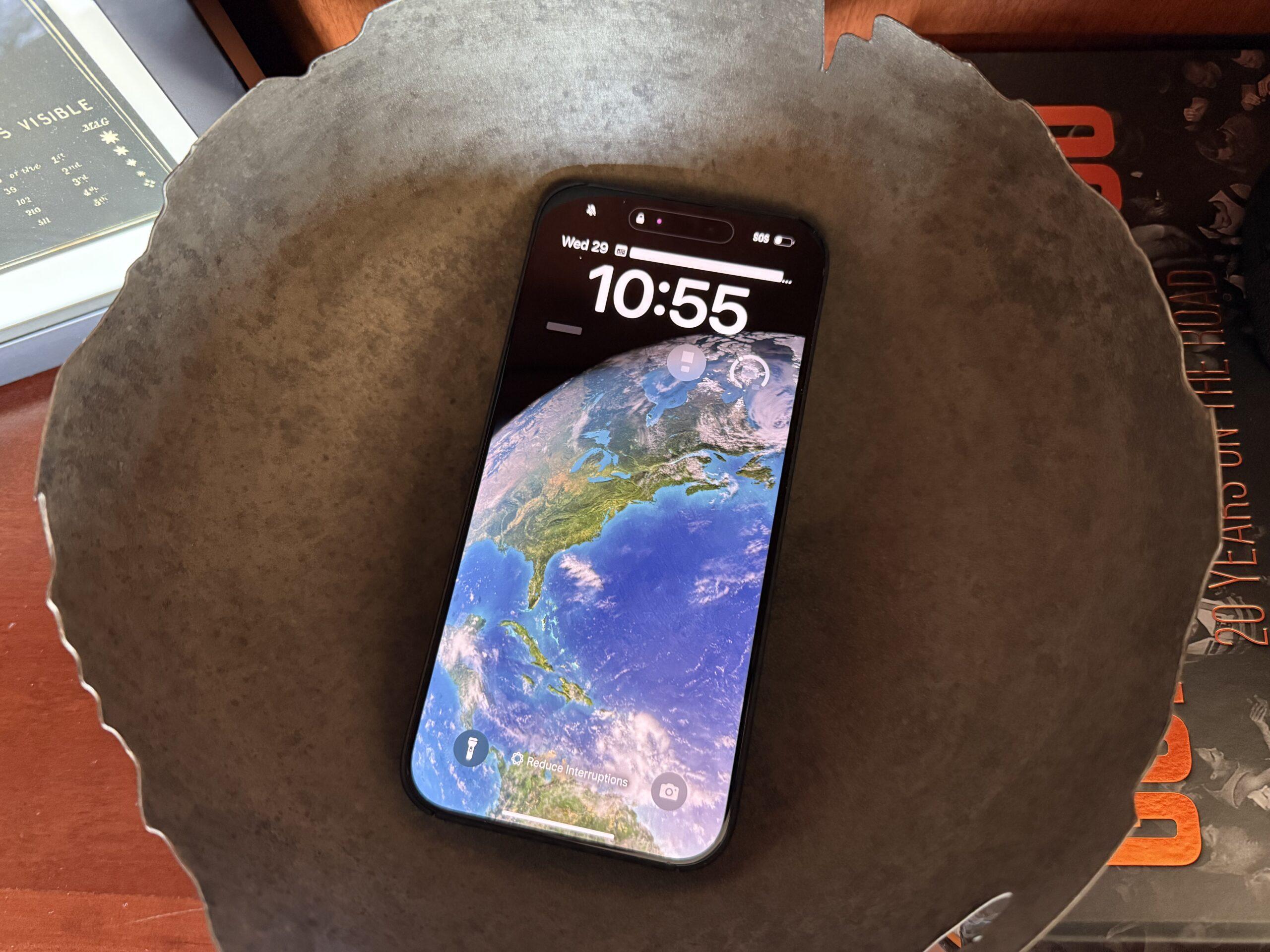
I even tried to text Siri the same question and got the same response. Dumb Siri can’t answer a basic question. It does know the date, so that’s something. But it can’t extract the month from there.

One Reddit user tried to ask, “What month is it currently?” and got the answer, “It is 2025.” My Siri didn’t understand this question either.

This is just embarrassing for Apple, especially in light of the Apple Intelligence fiasco. I can’t wait to see how and when Apple will address these matters publicly.
Source

Posted on

Apple sued over false advertising claims tied to Apple Intelligence

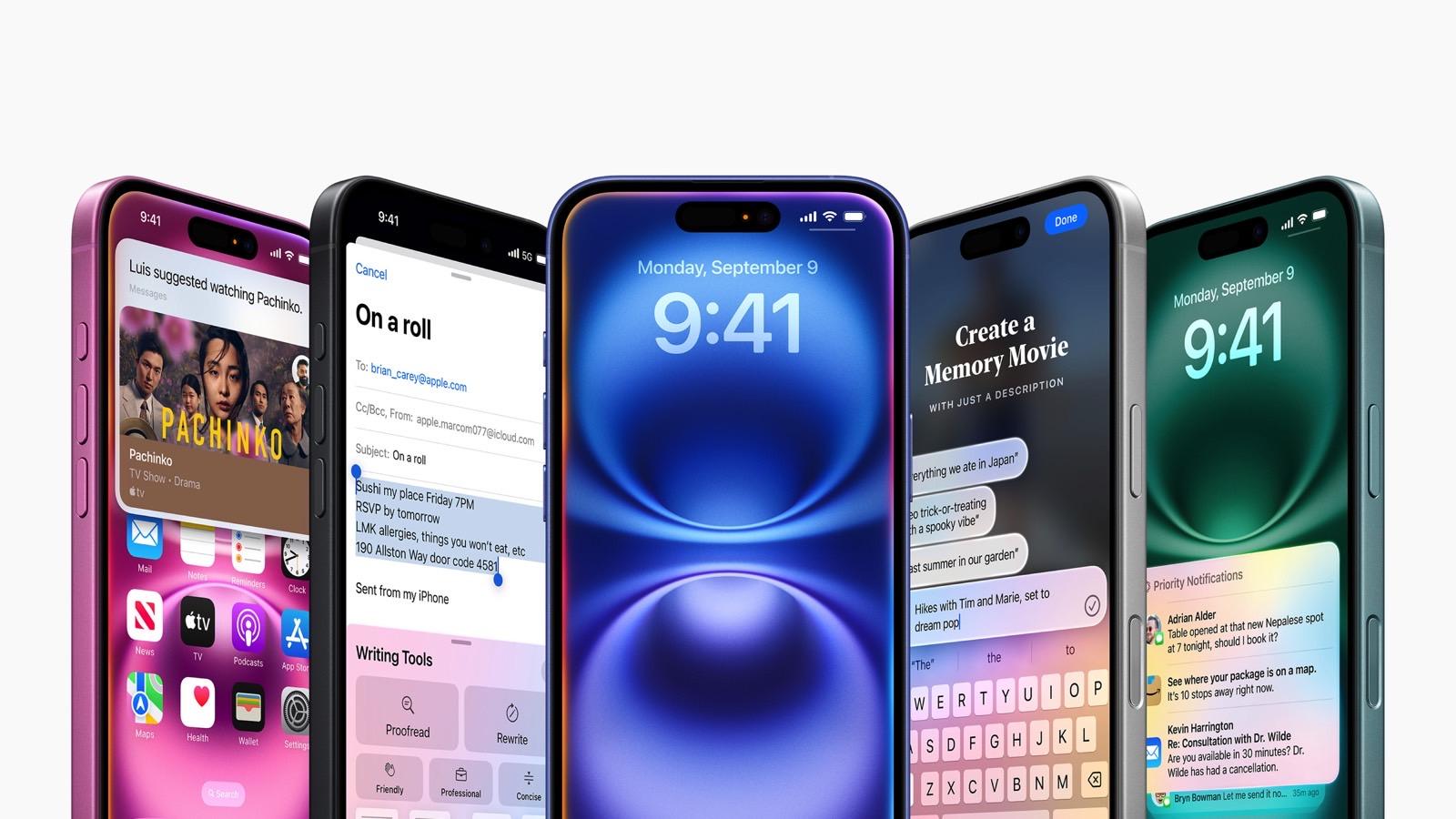
Apple had to come clean a few days ago and reveal that the smart Siri features it demoed at WWDC 2024 would not be available via Apple Intelligence this year. They might hit the iPhone, iPad, and Mac next year. Apple also withdrew that ad featuring Bella Ramsay that advertised the smart Siri features in Apple Intelligence ahead of the iPhone 16 launch.

We all realized the smart Siri Apple envisioned is practically vaporware, a rare event for Apple. The company essentially announced an advanced AI concept at WWDC 2024 that it could not deliver. Apple insiders like John Gruber drew scathing reviews of Apple’s behavior related to Siri, further reinforcing the idea the AI assistant was vaporware.

Since then, we heard of Apple internal meetings over Apple Intelligence, including a purported exec reshuffling that Apple is yet to announce.

Apple didn’t fire anyone over the Siri fiasco, but the company reportedly appointed the Vision Pro boss Mike Rockwell to lead the Siri efforts. Like I said before, I still expect that smart Siri version to be available in Apple Intelligence on iPhone, no matter how long it takes. Apple seems determined to deliver it, too.

Tech. Entertainment. Science. Your inbox.

Sign up for the most interesting tech & entertainment news out there.

By signing up, I agree to the Terms of Use and have reviewed the Privacy Notice.

However, when Apple had to acknowledge the delay of smart Siri, it was clear that lawsuits would follow, particularly after Apple pulled that ad. That first lawsuit is already here, alleging Apple engaged in false advertising to sell the iPhone 16 series.

According to Axios, the Clarkson Law Firm filed the federal lawsuit on Wednesday in U.S. District Court in San Jose. The suit seeks class-action status, asking for unspecified damages for those who bought Apple Intelligence-ready iPhones and other hardware.

The lawsuit has just been filed, and it’ll take some time to settle, but this potential class action already looks like it will cost Apple. After all, Apple received plenty of criticism in the weeks following the iPhone 16 launch for advertising Apple Intelligence features for the new phones that would not be there when buyers received their units.

Apple Intelligence features would roll out in phases, starting with iOS 18.1. The world accepted this outcome, trusting Apple would ship the promised software features. There was no precedent suggesting Apple might run into issues.

That’s what the lawyers point out right from the start.

“Apple’s advertisements saturated the internet, television, and other airwaves to cultivate a clear and reasonable consumer expectation that these transformative features would be available upon the iPhone’s release,” the suit writes.

“This drove unprecedented excitement in the market, even for Apple, as the company knew it would, and as part of Apple’s ongoing effort to convince consumers to upgrade at a premium price and to distinguish itself from competitors deemed to be winning the AI-arms race.”

The lawyers go further, saying that Apple knew the Apple Intelligence features it was demoing were not working.

“But Apple also knew none of it was true. Recently, under mounting pressure from outraged consumers and industry scrutiny, Apple was forced to acknowledge that the heralded Apple Intelligence features, including the Siri enhancements that fueled the greatest consumer excitement, did not exist then and do not exist now,” they say.

As Gruber aptly pointed out a few days ago, Apple clearly knew that the smart Siri features in the WWDC 2024 presentation were not good enough to demo live in front of a large or more limited audience. The absence of the smart Siri feature in the iOS 18.4 beta release further suggested Apple had big problems on its hands.

“Worse, Apple has admitted that if these features ever materialize, it won’t be until 2026—two years after its pervasive marketing campaign built on a lie. 8,” the suit reads. “Against this backdrop, Apple deceived millions of consumers into purchasing new phones they did not need based on features that do not exist, in violation of multiple false advertising and consumer protection laws.”

Unsurprisingly, the lawsuit (available at this link) contains screenshots from the Ramsey commercial and Apple’s website. It also includes claims Apple made about Apple Intelligence and the smart Siri assistant coming to iOS 18.

What happens next? We’ll have to wait a while to see this lawsuit play out. Before we ever get to a settlement, Apple will hold its WWDC 2025 event in a few months, during which it will inevitably have to address the Apple Intelligence mess while unveiling its new software features for the coming year.

Apple will hopefully apologize for the smart Siri delays before WWDC, or at the event. But I can’t blame any iPhone buyer who purchased an iPhone 16 device if they want to join the lawsuit and seek damages from Apple.

Source

Posted on

Latest leaks reveal iPhone Fold may have impressive battery life and an innovative hinge

There are two new leaks regarding the upcoming iPhone Fold, the Galaxy Z Fold-like device Apple is expected to unveil in late 2026 or early 2027. One of them comes from the news aggregator account yeux1122. According to them, Apple is working to improve the display DDI part to make the panel thinner.

Still, yeux1122 says that even though Apple wants to make the iPhone Fold as thin as possible, the company will also make sure to add the best battery available to its device, as it’s working on power-efficiency-related features. We can also assume that some of these functions could include a new C1 chip, Apple’s 5G modem, and the company’s own Wi-Fi chip, which is expected to be available with this year’s iPhone 17 lineup.

With these new processors, Apple will likely improve battery life, as It will have better control over both hardware and software. Analyst Ming-Chi Kuo also brings the latest leak on the iPhone Fold.

According to his industry research, Apple will use liquid metal in the hinges of this upcoming device. He writes: “Apple is focused on improving durability, enhancing screen flatness, and minimizing crease marks in its foldable iPhone design. To achieve these goals, key components like the hinges will be crafted from liquid metal using a die-casting process.”

Tech. Entertainment. Science. Your inbox.

Sign up for the most interesting tech & entertainment news out there.

By signing up, I agree to the Terms of Use and have reviewed the Privacy Notice.

The analyst says Apple has used liquid metal for small components, such as SIM ejector pins, for years. Still, the iPhone Fold will mark the first significant use of the material in a critical mechanical part. Interestingly, Android manufacturers are rumored to start using this technology to improve durability and minimize the crease of the display.

According to the rumors and leaks, Apple wants to deliver an ultra-thin iPhone Fold with great battery life and a creaseless foldable display. If the company can achieve that, it might show the competitors that even though it took a long time to enter the foldable market, it has waited enough to outperform every competitor.

Source

Posted on

iPhone Fold might look like this quirky new foldable you probably can’t buy

The first foldable iPhone is coming next year, barring some sort of really unfortunate event. After years of covering countless iPhone rumors, I’m comfortable saying that. We’ve reached a point in the rumor phase that precedes the launch of a big iPhone release where we see an increasing number of leaks from sources all saying the same thing.

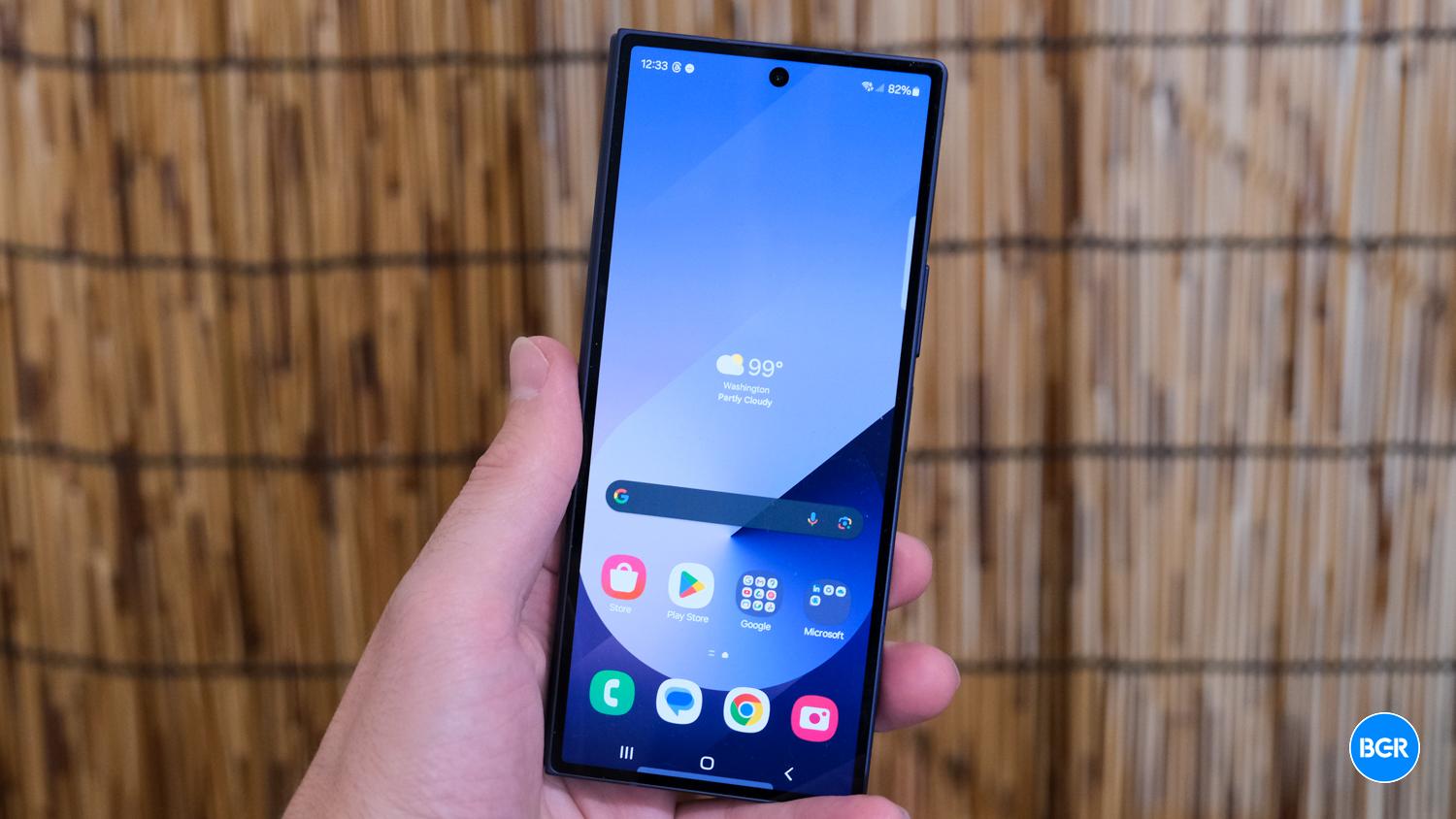
Apple is preparing to launch the first foldable iPhone next year. The company has reportedly settled on the Fold-type design we’ve already seen from Samsung, Honor, Google, Oppo (OnePlus), and others. Rumors also say that Apple will deliver an almost crease-less foldable display, a design detail that’s been a priority for the iPhone maker.

Reports have also mentioned the purported screen sizes for the foldable iPhone, saying the handset will feature a 7.75-inch foldable screen and a 5.49-inch external screen. You don’t need schematics or dummy units to realize those measurements make no sense at first glance. They make no sense if you think Apple’s iPhone Fold will look like the Galaxy Z Fold.

That’s what I thought, and I employed ChatGPT to give me the dimensions of an iPhone foldable featuring those two screen sizes. The conclusion was obvious: Apple would work with a different aspect ratio. The iPhone Fold would not be as tall as the Galaxy Z Fold. When open, it would look more like a tablet than a Fold-type device.

Tech. Entertainment. Science. Your inbox.

Sign up for the most interesting tech & entertainment news out there.

By signing up, I agree to the Terms of Use and have reviewed the Privacy Notice.

Reports that followed also said the iPhone Fold will have a different aspect ratio.

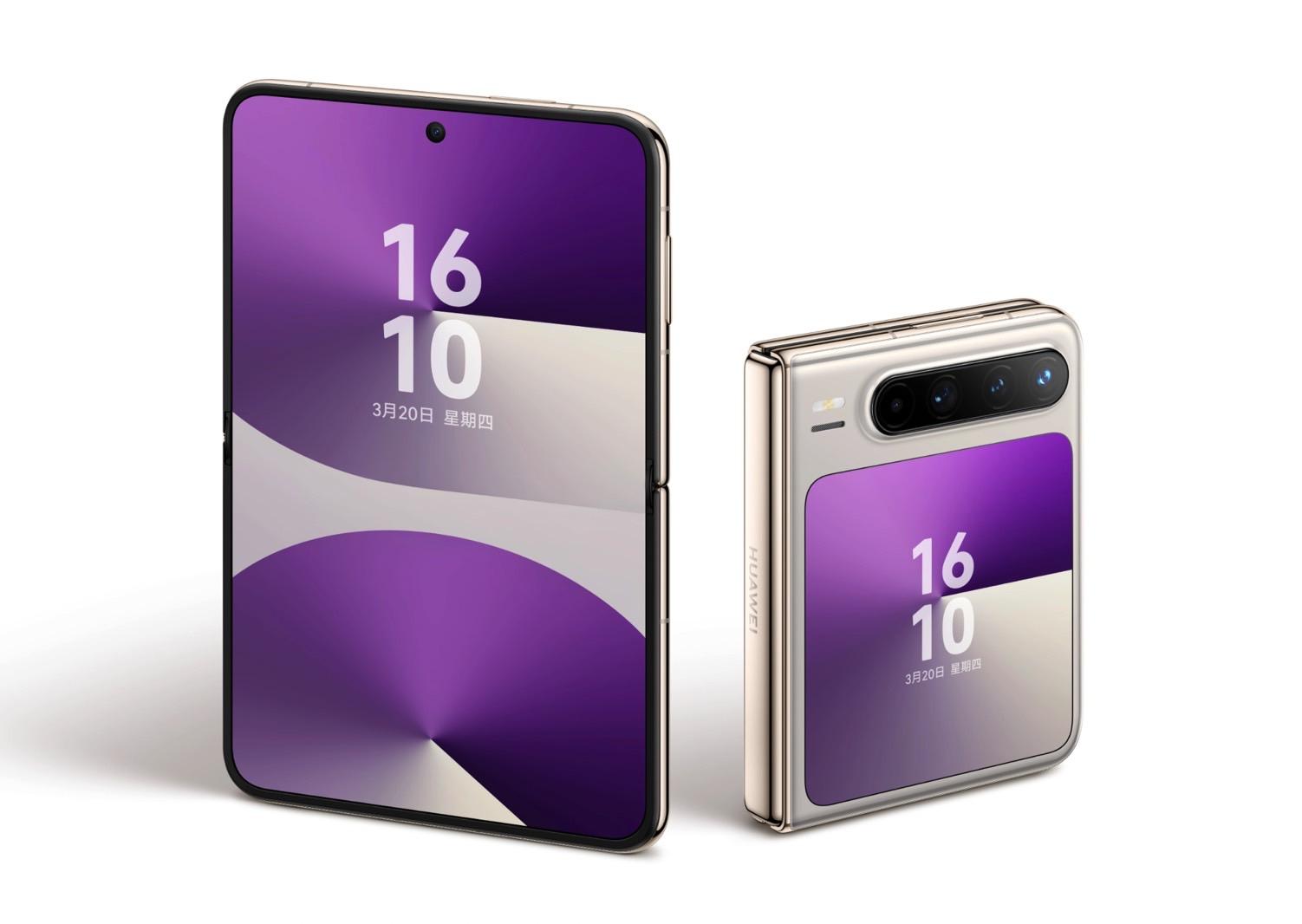
Fast-forward to mid-March, and we have a brand new foldable phone launch on our hands. It’s a phone you’ll probably not be able to buy, and you might not even want to get it if it were launched in the States. It’s the Huawei Pura X in the image above. But what’s amazing about this foldable is that it gives us a visual idea of what the foldable iPhone will look like.

The Pura X, launched in China on Thursday, is priced at 7,499 yuan ($1,037). It’s a flagship device running Huawei’s proprietary HarmonyOS 5.

Huawei Pura X: Cover screen and back panel.Huawei Pura X: Cover screen and back panel. Image source: Huawei

Huawei developed this operating system after Trump banned the Chinese company from working with US tech companies during his first term. This forced Huawei to abandon Google’s Android and Qualcomm’s Snapdragon chips, significantly impacting its ability to compete.

The difference between the early versions of Harmony and HarmonyOS 5 is that the latter is Huawei’s brand-new OS that has no trace of Android. That might be a huge dealbreaker for anyone looking to buy the Pura X, even if the foldable was available in the US and other Western markets.

What’s really exciting about the Pura X is the design, which I immediately associated with the foldable iPhone rumors.

Huawei Pura X: Foldable screen looks like a small tablet.Huawei Pura X: Foldable screen looks like a small tablet. Image source: Huawei

Folded, the Pura X features a 3.5-inch cover screen with a triple-camera sensor placed at the top. This screen design suggests we’re looking at a Galaxy Z Flip-style clamshell, but that’s not really so.

Unfold the Pura X, and you get a massive 6.3-inch screen with an unusual 16:10 aspect ratio. The phone has small, symmetrical bezels and a hole-punch camera at the top. You can hold it in portrait mode like a regular candybar (or Flip clamshell) phone.

But that aspect ratio turns the Pura X into a much better tablet than the Galaxy Z Fold 6. The tablet experience makes me think of the iPad mini 6 or 7.

The two iPad mini variants feature the same design. I’ve long fantasized that a foldable iPhone would unfold to look like an iPad mini. The Pura X, combined with the foldable iPhone screen leaks from a few weeks ago, further reinforces my thinking.

The Pura X tablet experience.The Pura X tablet experience. Image source: Huawei
That said, the Pura X is smaller than the iPhone Fold-type phone, considering those rumors. The Pura X is 91.7mm tall when folded. That height becomes the width of the handset when you unfold it.

My ChatGPT calculations told me the foldable iPhone will have a height of 120.4mm to accommodate the 5.49-inch cover and 7.75-inch foldable displays. Both those screens are larger than the Pura X handset.

I’ll also point out that the Pura X design potentially solves one of my big issues with the foldable iPhone. The main camera module’s cover display placement could help Apple make Face ID possible. Some rumors say that Apple will bring back Touch ID for the handset, as Face ID components might not fit in an ultra-thin foldable iPhone.

The Pura X doesn’t seem to have 3D facial recognition support. It does feature a fingerprint sensor on the side button.

Separately, the thickness is another quirk about Huawei’s strange foldable. The phone measures 7.15mm when unfolded or 15.1mm when folded. That’s much thicker than even Samsung’s foldables. The foldable iPhone should be much thinner than that, according to reports.

Source

Posted on

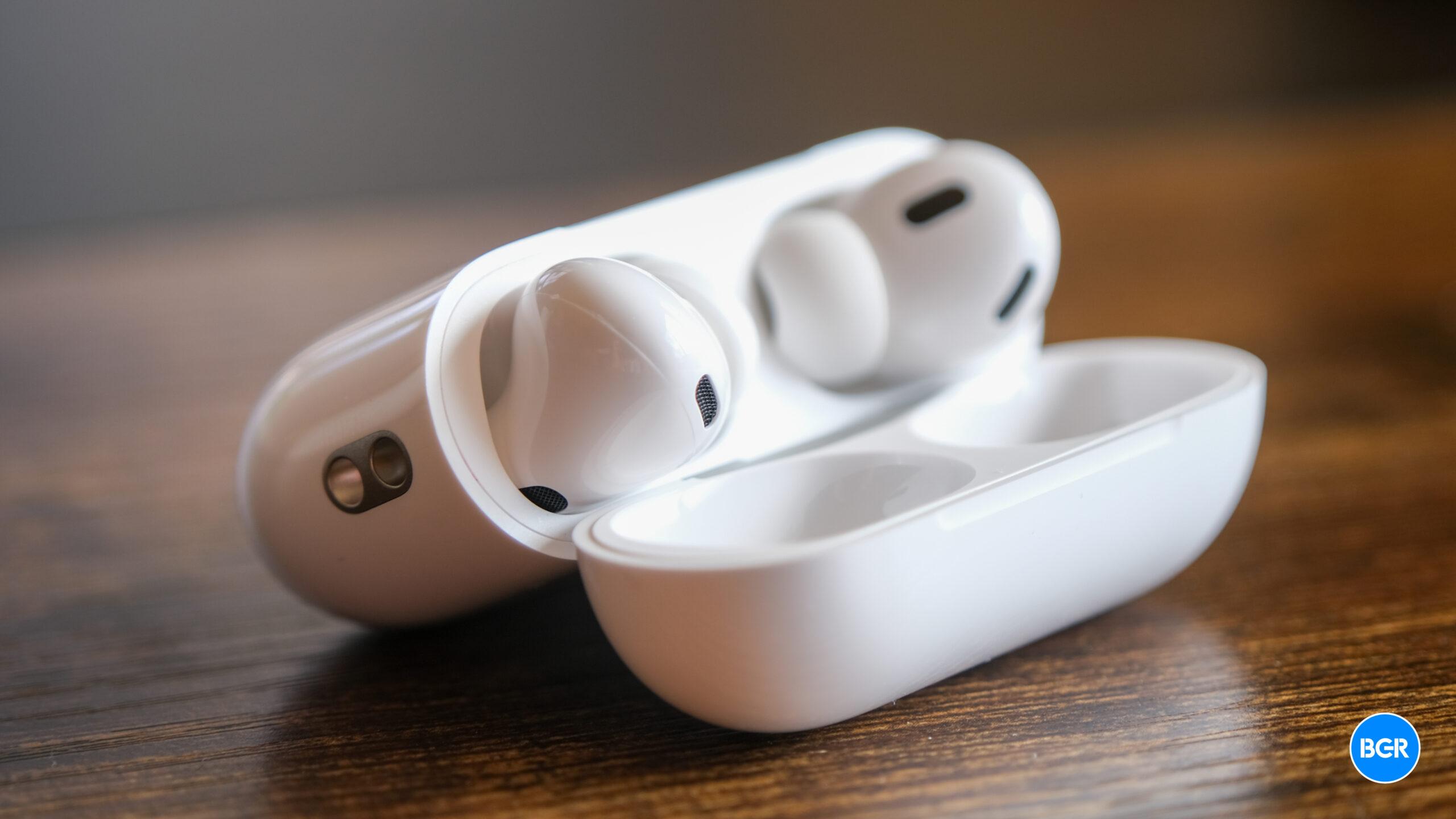
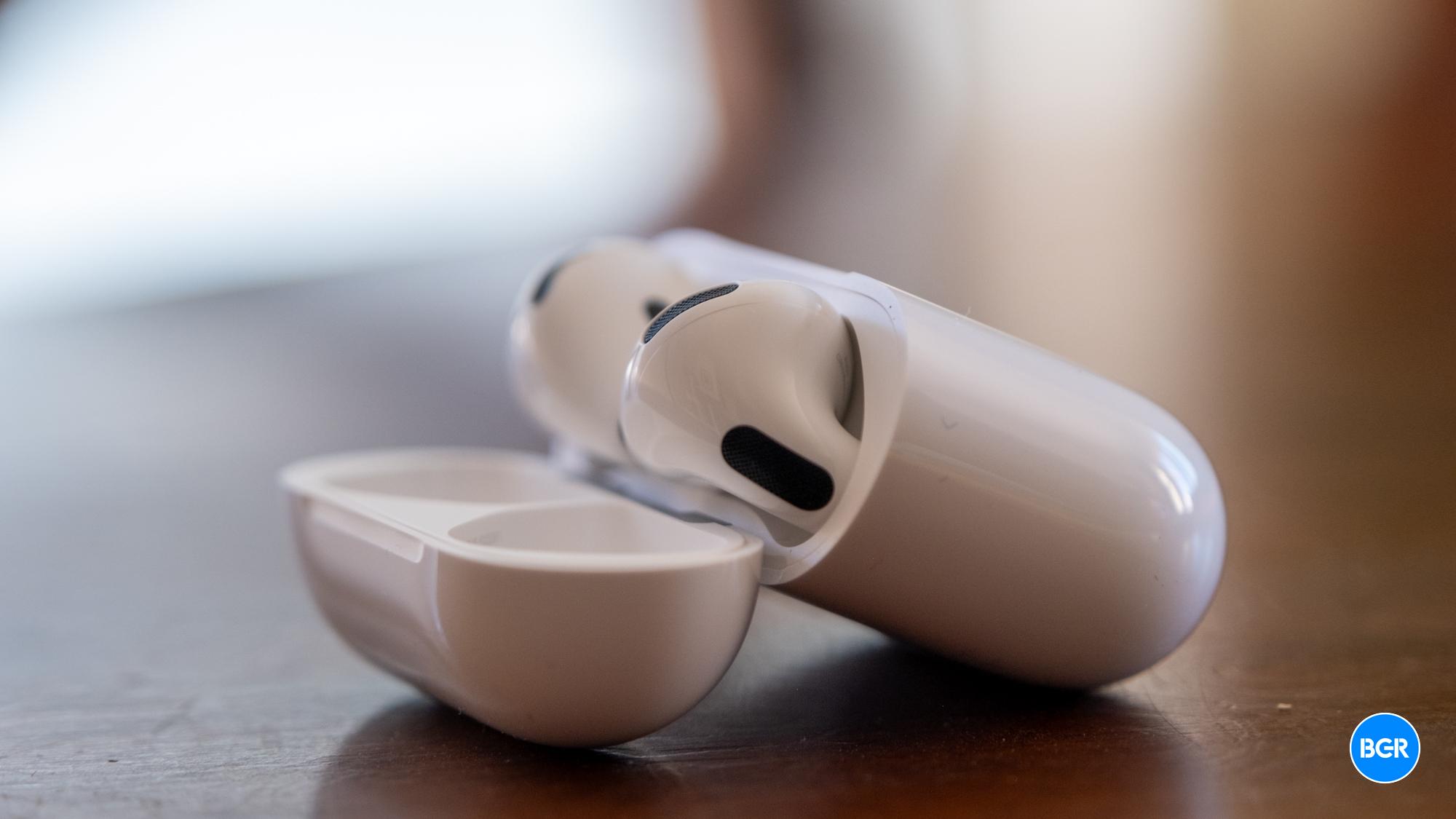
AirPods Pro 3 may be the world’s best earbuds with these 8 rumored features

Apple is expected to release AirPods Pro 3 in late 2025. Three years after the first iteration of AirPods Pro 2 with Lightning port was released, Cupertino is expected to significantly improve its best earbuds. Despite the fact that last year’s AirPods Max update was so disappointing, we expect Apple’s next-gen AirPods Pro to be a much bigger update thanks to several new features and upgrades.

This article covers eight rumored features that should make AirPods Pro 3 an instant hit and potentially the best earbuds on the planet.

Much better ANC: Apple already offers incredible ANC. With its advanced algorithms, the company also offers best-in-class Transparency and Adaptive modes. For the third generation of AirPods Pro, Apple is expected to greatly improve the ANC, and it could build up on the technology available for AirPods 4, which offers ANC even without ear tips.

Improved hearing aid capabilities: AirPods Pro 2 are the first earbuds to offer hearing aid capabilities. It’s only natural to assume that Apple will continue to enhance this feature with upcoming versions of its pro earbuds. In addition, there’s another reason why hearing aid capabilities will be better with this next generation.

Tech. Entertainment. Science. Your inbox.

Sign up for the most interesting tech & entertainment news out there.

By signing up, I agree to the Terms of Use and have reviewed the Privacy Notice.

H3 chip: Apple does a great job with its audio chips. All the way from the W1 chip and its magical features, the company has walked a long path to bring the H2 processor. To this day, Apple keeps adding more features to AirPods Pro 2. It’s only natural to assume that Cupertino will continue to improve the audio quality and the connectivity between AirPods and iPhone while delivering new features, such as better ANC, improved hearing aid capabilities, and so on.

Heart rate measurement: According to Bloomberg‘s Mark Gurman, one of AirPods Pro 3 top features could be heart rate measurement. At the time, the journalist said Apple Watch measurements were more accurate than the prototype AirPods, but not much. This could be perfect for those who don’t like wearing smartwatches all the time. With the Powerbeats Pro 2, we know this feature works without an Apple Watch on, and it’s only active while the user is exercising.

Body temperature: Finally, Apple has also been working on a body temperature sensor for future AirPods. The company may add a camera to help measure the body’s temperature, which could be more accurate than the sensor available with the Apple Watch.

Other tidbits for the upcoming AirPods Pro 3 might include improved battery life, a thinner case (if we consider AirPods 4), more robust water and dust resistance, and so on.

Wrap up

These are the features you should look forward to the most in the upcoming AirPods Pro 3. BGR will let you know once we learn more about this device.

Source

Posted on

iOS 19 will bring live translation to your AirPods

Apple will supposedly give iOS 19 a big design overhaul this year, making the iPhone operating system look more like the visionOS than previous iOS releases.

A major design makeover might just be what Apple needs in light of its recent Apple Intelligence fiasco. The smart Siri assistant Apple promised last summer isn’t coming for at least a year. The best way to make iOS exciting is to give it a new coat of paint. At least that’s something ost iPhone users will care more about than AI features.

But Apple is also readying new features to go along with the redesign, and one interesting AirPods functionality has leaked. Apple plans to bring live translation support to AirPods via the iOS 19 upgrade, and the good news about it is that the feature should work with your existing AirPods.

Also, since I mentioned Apple Intelligence before, live translation is easily something Apple could sell under the iPhone’s AI umbrella of features. It wouldn’t be the only one.

Tech. Entertainment. Science. Your inbox.

Sign up for the most interesting tech & entertainment news out there.

By signing up, I agree to the Terms of Use and have reviewed the Privacy Notice.

Live Translate is one of the first Galaxy AI features that Samsung announced in late 2023. We learned that flagship phones would translate call conversations in real time, on-device, before we saw all the other tricks in the Galaxy AI suite of apps and features.

Samsung updated Live Translate before last summer’s Unpacked event to work on Galaxy phones with foldable displays. Regardless of phone form factor, you do not necessarily need earphones for Live Translate to work.

I wouldn’t be surprised if Apple included live translation in Apple Intelligence because translating live speech as it happens is actually a process that involves AI. Algorithms understand speech, convert it into text, and then translate and turn it back into voice.

We’ll have to wait for Apple to explain how live translation works in iOS 19, but Bloomberg’s Mark Gurman has an example:

The capability will work like this: If an English speaker is hearing someone talk in Spanish, the iPhone will translate the speech and relay it to the user’s AirPods in English. The English speaker’s words, meanwhile, will be translated into Spanish and played back by the iPhone.

That’s a clever use of hardware for both parties in the conversation to be able to chat by voice in real time.

Given that the iPhone will do the actual translation, the feature should work with any existing AirPods model. It should also work with other wireless earphones, assuming Apple wants to expand support to AirPods rivals. But I think Apple would rather keep the feature as an AirPods-only functionality that helps the company further differentiate its earphones from competitors.

The report also notes that Apple is working on new AirPods hardware, including AirPods Pro 3 and a model with built-in cameras for Apple Intelligence.

Source

Posted on

RCS on iPhone will finally get end-to-end encryption

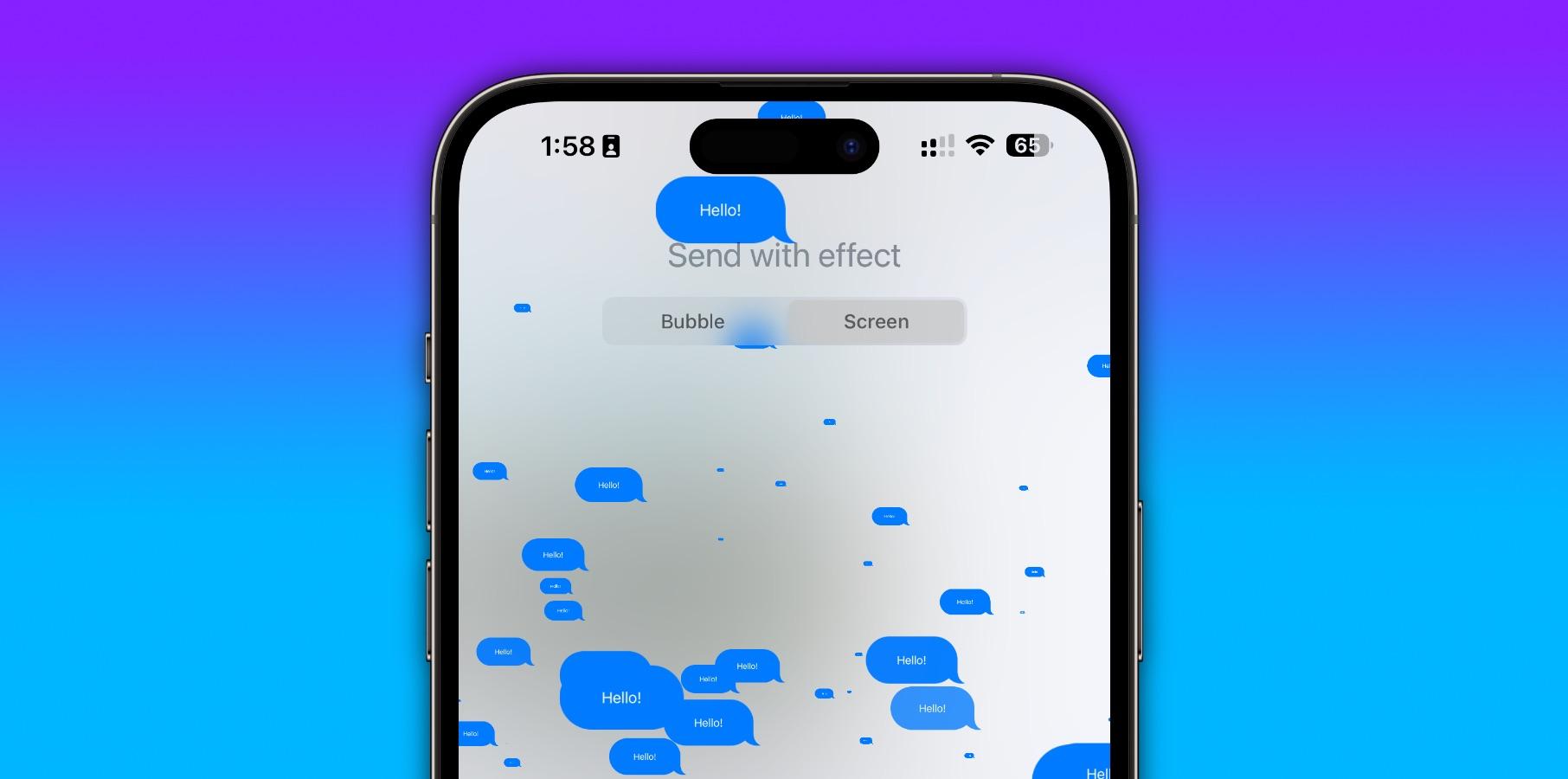
Apple brought RCS support to the iPhone’s Messages app with the iOS 18 update last September, effectively putting an end to the bubble wars. The green bubbles did not disappear from the iPhone all of a sudden, but iPhone and Android users could message each other using a much richer standard than SMS. The green bubble remained in place so that users could tell them apart from iMessage messages (the blue bubbles).

As I said more than once, I wasn’t necessarily a fan of getting RCS support on my iPhone and that it wouldn’t change my texting habits. Half a year later, this still holds true. I don’t really use RCS to talk to any of my friends and family who are Android users. WhatsApp is the chat app that bridges the two operating systems. WhatsApp is also the favorite chat app for some iPhone users in my group.

I want to use chat apps that offer end-to-end encryption, and both iMessage and WhatsApp satisfy that need. Strong encryption is key for strong security and privacy, and RCS didn’t support that on the iPhone. 

Why do we need strong encryption? Because hackers are always working to intercept your data. Just remember last fall’s China hack of major US telecoms, when law enforcement officials advised everyone to rely on encrypted chat and voice apps while they dealt with the threat. RCS on iPhone did not qualify as a secure chat app at the time.

Tech. Entertainment. Science. Your inbox.

Sign up for the most interesting tech & entertainment news out there.

By signing up, I agree to the Terms of Use and have reviewed the Privacy Notice.

Fast-forward to Friday, and Apple announced that end-to-end encryption is coming to RCS on the iPhone. That’s terrific news. We knew encryption was in the works, and I’m not surprised to see it happen.

The GSMA published a blog post to announce the new features coming to RCS. The iPhone is getting end-to-end encryption RCS messages via the Messaging Layer Security (MLS) protocol:

Most notably, the new specifications define how to apply MLS within the context of RCS. These procedures ensure that messages and other content such as files remain confidential and secure as they travel between clients. That means that RCS will be the first large-scale messaging service to support interoperable E2EE between client implementations from different providers. Together with other unique security features, such as SIM-based authentication, E2EE will provide RCS users with the highest level of privacy and security for stronger protection from scams, fraud, and other security and privacy threats.

The GSMA also announced a new RCS Universal Profile 3.0 that brings other new features. Users will be able to talk to businesses over RCS “through a richer deep link format and includes additional smaller enhancements such as improved codecs for audio messaging and easier management of subscriptions with business messaging senders.”

That said, strong encryption isn’t available right away on iPhones. Apple still has to implement the new profile, and that will happen in the future via software updates. Apple confirmed it all to 9to5Mac:

End-to-end encryption is a powerful privacy and security technology that iMessage has supported since the beginning, and now we are pleased to have helped lead a cross industry effort to bring end-to-end encryption to the RCS Universal Profile published by the GSMA. We will add support for end-to-end encrypted RCS messages to iOS, iPadOS, macOS, and watchOS in future software updates.

Source

Posted on

iPhone 16e reportedly has a Bluetooth audio problem that can’t be fixed

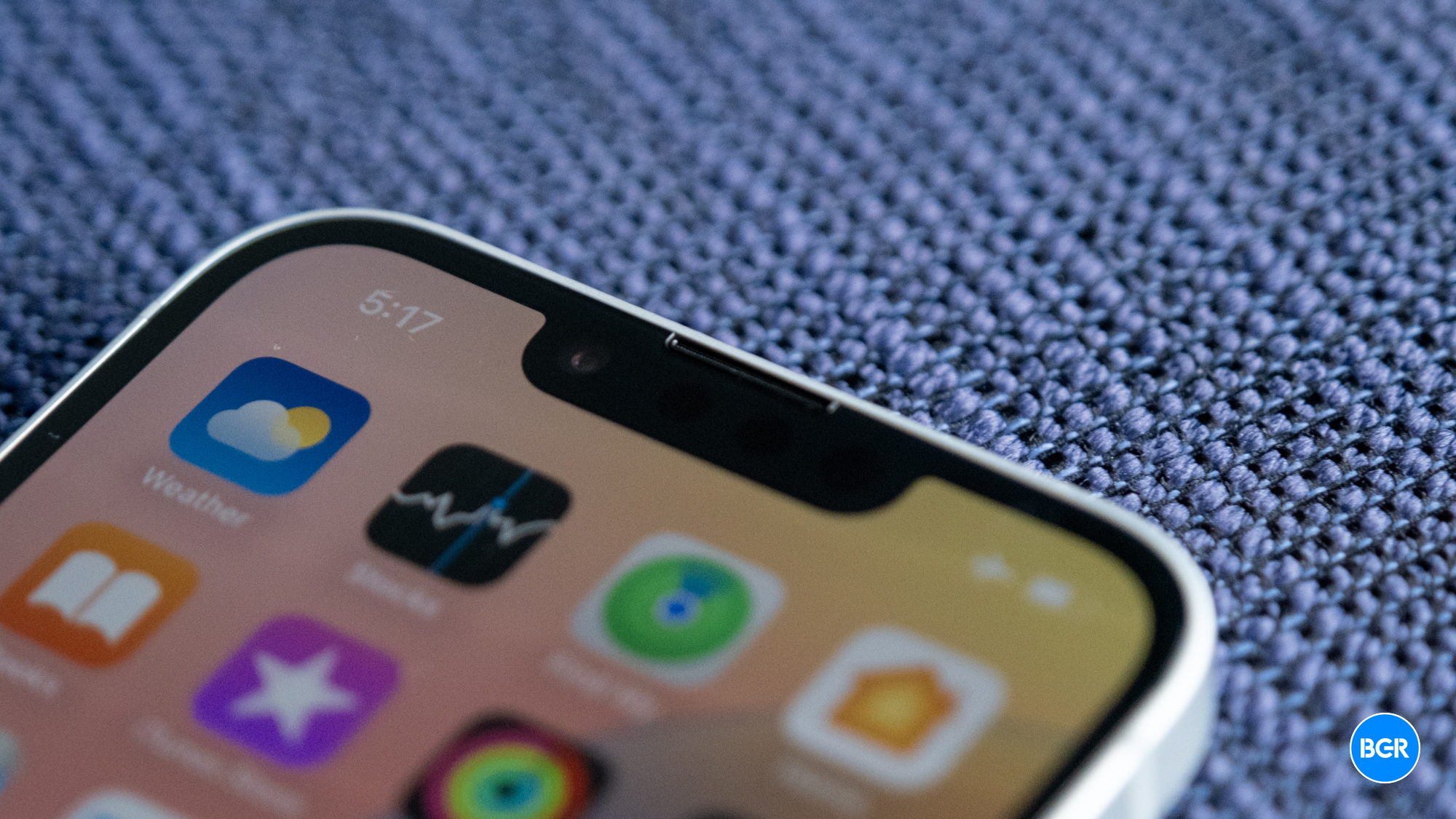
New iPhone hardware might launch with functionality issues that need to be ironed out via subsequent software updates, assuming software can provide fixes. The same goes for Android products. Hearing that the iPhone 16e has a Bluetooth issue where the audio cuts out briefly while music is playing should not be that surprising. However, the iPhone 16e isn’t exactly a new iPhone, is it? It has the same design as every other iPhone with a notch that has been released since the iPhone 12.

Apple also recycled many of the internal components to make this device. Even the iPhone 16’s A18 chip and the 8GB of RAM inside the iPhone 16e aren’t new-new. Therefore, other internal components, including the Bluetooth chip, shouldn’t be brand new.

The only completely new iPhone 16e components might be the new battery, which gives the handset the best battery life in 6.1-inch iPhones, and the C1 modem.

With all that in mind, one shouldn’t expect Bluetooth audio connectivity issues with the iPhone 16e. But it turns out that several iPhone 16e owners have encountered Bluetooth disconnects, and Apple doesn’t know how to fix them for the time being. It doesn’t seem like a hardware issue, so exchanging your iPhone 16e for a new one might not fix it.

Tech. Entertainment. Science. Your inbox.

Sign up for the most interesting tech & entertainment news out there.

By signing up, I agree to the Terms of Use and have reviewed the Privacy Notice.

Some iPhone 16e owners suspect the device has issues handling multiple Bluetooth connections, like an Apple Watch and AirPods. That’s actually a nightmare scenario for this longtime iPhone user. I run a lot, and I wear the Apple Watch to track my workouts while AirPods handle the entertainment.

As is often the case with issues concerning new devices, affected users took to social media and forums to complain. A discussion on Apple forums is particularly interesting, as an iPhone 16e owner details their issues with the Bluetooth audio and their experience with Apple support.

After talking to UK/Europe support, the user was escalated to Apple’s US support, and they had him perform a diagnostic test on the iPhone 16e to figure out why the Bluetooth audio stops:

Then they had me install a profile on my iPhone which logged the Bluetooth and Wifi signals / exchanges in a diagnostic report, which ran for about 20 minutes, whilst I reproduced the issue and noted down the time (to the second) of whenever the audio stutters. This was done with data over Wifi, and data over 5G. Then they phoned me up again, the logs were packaged up, and sent through. All they could do was tell me the data and timestamps etc. were going to be looked at by engineering and they would contact me back if they wanted me to run more test…

The same person said the update to iOS 18.3.2, which dropped earlier this week, did not fix the problem.

A different person found that using an Oura ring might impact the Bluetooth audio on the iPhone 16e. Closing the app completely seems to fix the problem:

Yes, I have the same problem, too. I found a couple of reddit threads with people experiencing the same issue. In my case it appears that the stuttering is related to having another Bluetooth connection (an Oura smart ring). If I close the Oura app, so it’s not running in the background, the audio appears to work OK, but it’s early days and I’m still investigating. Do you have multiple Bluetooth connections other than the headphones? I hope it’s not a hardware issue with the phone.

Over on Reddit, a Fitbit user said that closing the Fitbit app didn’t work, but they removed the wearable from the iPhone 16e, and the Bluetooth audio was fixed.

Obviously, these aren’t acceptable fixes. Again, Apple is selling us devices that are connected via Bluetooth to the iPhone, whether it’s Apple Watch models, AirPods, or Beats earphones. Apple wants iPhone users to buy both the Apple Watch and AirPods, so both should stay connected to the iPhone at the same time.

Even if you use non-Apple wearables and wireless earphones, you should be able to mix and match products without experiencing Bluetooth audio issues.

It’s unclear how widespread the iPhone 16e Bluetooth audio problem is, but Apple is certainly aware of it. Hopefully, a permanent fix will be available soon.

Source

Posted on

iPhone 17 Ultra may replace Apple’s Pro Max with 3 exclusive features

This isn’t the first time we’ve heard rumors like this, but Apple is said to want the iPhone 17 lineup to be unlike any other smartphone lineup Apple has unveiled in one key way. On Naver, well-known leaker yeux1122 shared a few tidbits about the end of the iPhone Pro Max, as Apple supposedly wants to rebrand its most expensive phone as the iPhone 17 Ultra.

Rumors of an iPhone Ultra rebrand aren’t new. We’ve heard Apple could be readying this device for a long time. While creating a top tier above the iPhone Pro Max didn’t make sense, rebranding this device as an iPhone Ultra could be the obvious solution.

Yeux1122 believes Apple wants to give the iPhone 17 series a new look, which is why it might offer a regular model, an Air version, a regular Pro, and an Ultra device. According to the leaker, the iPhone 17 Ultra is expected to have three previously-rumored exclusive features to help set it apart:

Smaller Dynamic Island: Rumors about this change are contradictory. However, based on information from Weibo, Taiwanese, and US investment reports, Apple could add a much narrower Dynamic Island to this device. They say, “Component supply orders suggest that there aren’t enough parts to extend this feature to the Pro model.”

Tech. Entertainment. Science. Your inbox.

Sign up for the most interesting tech & entertainment news out there.

By signing up, I agree to the Terms of Use and have reviewed the Privacy Notice.

Vapor chamber cooling: After three different reports about vapor chamber cooling, the leaker believes it will be exclusive to the Ultra model. This unique cooling system would make the iPhone 17 Ultra more power-efficient and perfect for playing demanding games without overheating the phone. They say this feature has been confirmed through supply chain sources.

Larger battery: Lastly, a recent rumor suggested Apple could make the iPhone 17 Pro Max thicker to add a larger battery. The leaker believes the larger battery will be available for the iPhone 17 Ultra.

yeux1122 also says that the company is at a “turning point where it aims to refresh the iPhone lineup” alongside a major iOS 19 revamp. They also believe Apple might be willing to change some of the names of the iPhone 17 series and highlight the new iPhone 16e to reiterate the new Air and Ultra names.

Source

Posted on

Apple’s top Siri exec calls AI crisis ‘ugly’ and ’embarrassing’

A week after Apple admitted that its revamped Siri with onscreen awareness and context understanding would be delayed with a release in the “coming year,” Bloomberg‘s Mark Gurman reports that Apple’s senior director at Siri’s division, Robby Walker, had an all-hands meeting with his team, and said that delaying these key features has been “ugly” and “embarrassing.”

More interestingly, the report reveals that the company had nothing more than a video mock-up of these features, as it had “a barely working prototype” during the WWDC 2024 keynote. With that, the top Apple executive said in the meeting that it’s “unclear when the enhancement will actually launch.”

Gurman reports: “During the all-hands gathering, Walker suggested that employees on his team may be feeling angry, disappointed, burned out, and embarrassed after the features were postponed. The company had been racing to get the technology ready for this spring, but now the features aren’t expected until next year at the earliest, people familiar with the matter have said.”

What makes this crisis worse is that Apple heavily promoted features that were nowhere near launching, including an iPhone 16 ad highlighting the onscreen awareness of Siri, which has now been made private on YouTube.

Tech. Entertainment. Science. Your inbox.

Sign up for the most interesting tech & entertainment news out there.

By signing up, I agree to the Terms of Use and have reviewed the Privacy Notice.

Even though Gurman says Apple’s executives took “intense personal accountability” for this PR crisis, Apple doesn’t plan to “immediately fire any top executives,” although this could change at any time.

Still, the journalist reveals the situation isn’t as bad as it could be. The onscreen awareness of Siri would work two-thirds to 80% of the time. Still, the executives understood the percentage needed to be higher to actually be helpful to customers, so Apple decided to delay these features.

During the meeting, Walker showed staff a few ways the new Siri already works, such as locating his driver’s license number, finding specific photos of a child, and even manipulating apps precisely via voice control.

Still, this isn’t the only feature Apple is developing to overcome this AI crisis. The company wants to make Siri more conversational by 2027, even though it will require new infrastructure.

Source