Posted on

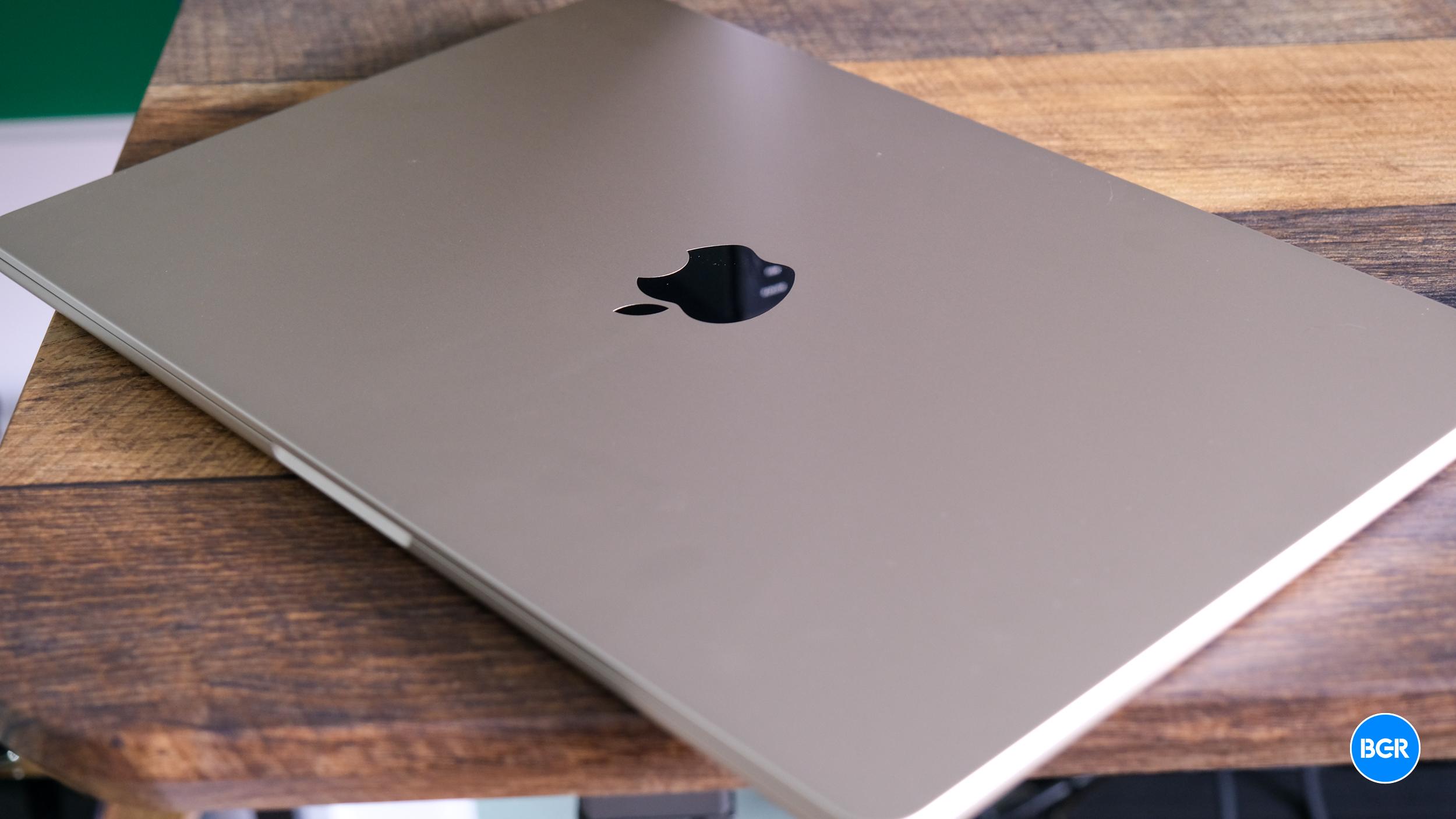
We might finally know when the M4 MacBook Air will launch

The M4 MacBook Air was expected to be Apple’s first launch of 2025. However, the company seems to have other plans, as the new iPhone SE will likely be the first release from Cupertino this year.

Still, Bloomberg‘s Mark Gurman has reported that the M4 MacBook Air could launch anytime. After saying this machine could have been available as soon as the last week of January and then correcting his report to “within the next few weeks,” the journalist wrote in his Power On newsletter that this laptop will be available by March “at the latest.”

While “within the next few weeks” is still accurate, as February won’t last much longer, Apple might be holding up this release to coincide with other products. Previously, a top Mac executive said the company would release new computers “as soon as they were ready.”

Even though Gurman has been inaccurate about the M4 MacBook launch date, we’ve seen evidence that this might happen soon. For example, inventory for the M3 MacBook Air has been dwindling. In addition, the company revealed on its macOS beta code that these laptops exist. This is why we believe the company might want to wait at least a year to release a new iteration of its MacBook Air models.

Tech. Entertainment. Science. Your inbox.

Sign up for the most interesting tech & entertainment news out there.

By signing up, I agree to the Terms of Use and have reviewed the Privacy Notice.

That said, customers won’t have to wait that long. After all, WWDC 2025 is in June, and Apple might have other Macs to unveil, such as the long-rumored Mac Studio with M4 Ultra processor. A redesigned Mac Pro can be teased at the conference, as it happened previously.

Despite the new chip, which is a great improvement over the M3 processor, the new MacBook Air could have the new 12MP Ultrawide camera, which has been available on the latest MacBook Pro and iMac models.

We don’t expect this laptop to have other design tweaks or improved specs. Still, the M4 MacBook Air will likely have the best battery of any Apple laptop. Currently, the most power-efficient MacBook is the base-model MacBook Pro.

BGR will let you know once Apple releases its new Macs.

Source

Posted on

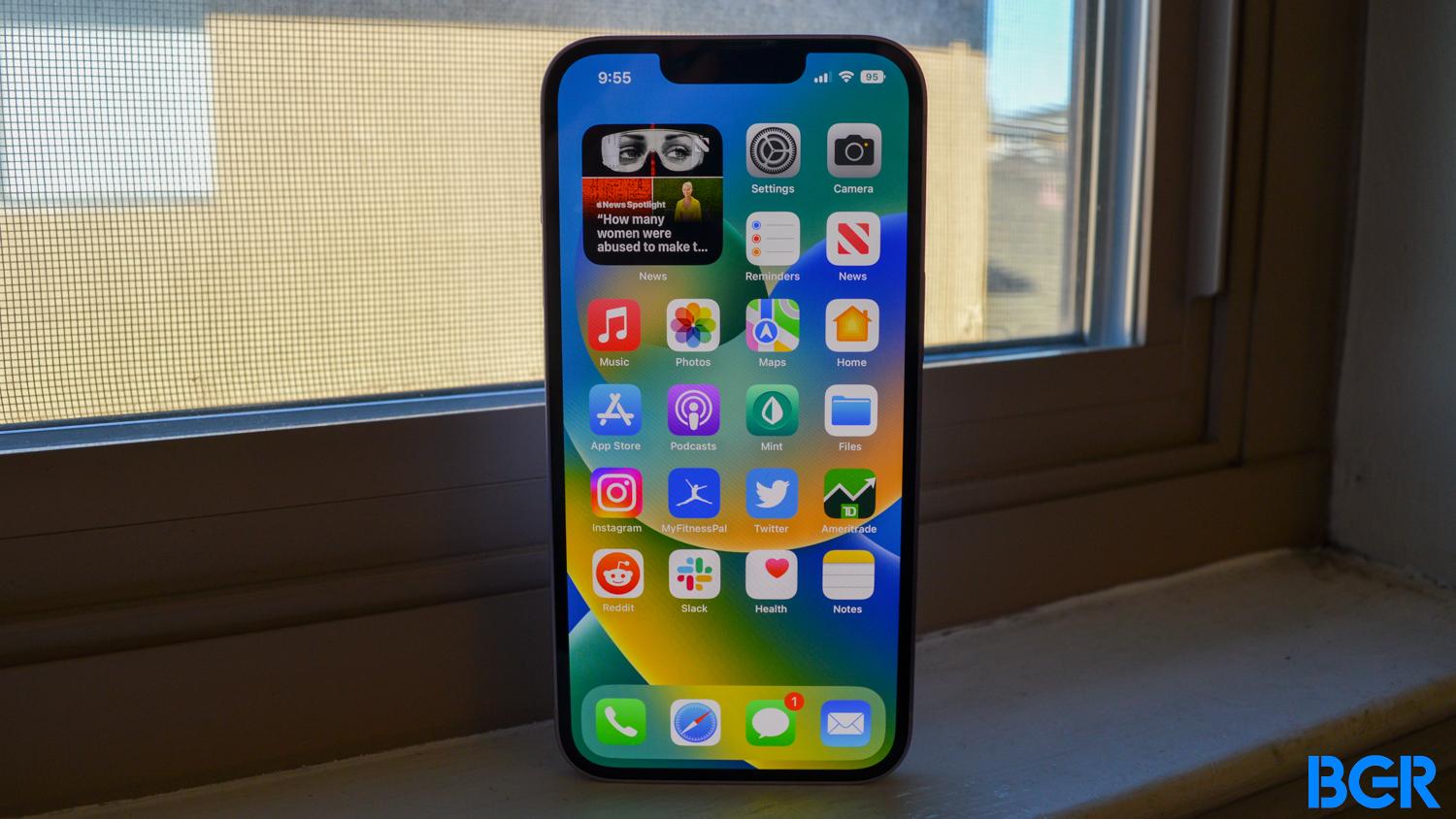
There won’t be an iPhone SE 4 because Apple isn’t calling it that

Tim Cook teased the “newest member of the family” last week on X, seemingly confirming what the leaks have been saying. The iPhone SE 4, Apple’s cheapest new iPhone, will be unveiled on February 14th. It should generate plenty of interest in the coming months.

Cook might not have named the product launching this week, but the iPhone SE 4 is the only Apple product that makes sense to get a mid-February launch. iPhone sales were down in the December quarter, and while Apple reported record revenue for the period, it couldn’t have liked the drop in iPhone sales.

The iPhone did the worst in China, one of Apple’s most important markets. A $500 iPhone SE 4 that looks like an iPhone 14 and behaves like the iPhone 16 and 16 Plus is a device many buyers should consider. Launching the handset as soon as possible makes the most sense.

Speaking of names, there might not be an iPhone SE 4 in Apple’s lineup come Wednesday. Technically, Apple would call it the iPhone SE (4th generation) if it were to use that name. But Apple is expected to coin a new marketing term for this special breed of iPhone rather than rely on a product name that might hurt the phone.

Tech. Entertainment. Science. Your inbox.

Sign up for the most interesting tech & entertainment news out there.

By signing up, I agree to the Terms of Use and have reviewed the Privacy Notice.

A few weeks ago, rumors said the iPhone SE 4 would be known as the iPhone 16E. At the time, I said the name fits much better for a phone that will essentially be one of the best iPhones you can buy right now.

The iPhone SE 4 will offer better performance than the iPhone 14 and iPhone 15, devices Apple still stells. The handset will rock iPhone 16-grade hardware so it can run Apple Intelligence features. That means an A18 chip paired with 8GB of RAM.

Apple has made obvious compromises to keep the price at around $500. The display has a notch instead of a Dynamic Island at the top, and the rear camera has a single lens. Also, Apple will introduce its own 5G modem with the iPhone SE 4, which should help it save money.

All that makes the iPhone SE 4 a more interesting handset than the previous-gen iPhone SE models. Those devices always featured high-end hardware on par with the same-year flagships. For example, the iPhone SE 3 matches the power of the iPhone 13 and 13 mini. Some of the previous iPhone SE models sold very well, too. But the iPhone SE name is synonymous with a phone with huge bezels and a Touch ID button. That name could hurt the iPhone SE 4 sales.

Mark Gurman, who said in previous weeks that the iPhone SE 4 was imminent, mentioned the name change in his latest Power On newsletter. However, he didn’t confirm the previously leaked iPhone 16E moniker.

The Bloomberg reporter said that Cook’s teaser, the “newest member of the family,” may indicate that the iPhone SE 4 will get a new name. In turn, Apple will market it as a new addition to its lineups. “Given how drastic the overhaul is to the iPhone SE, a new name makes complete sense,” Gurman concluded.

I’ve been thinking that way ever since the iPhone 16E rumor. The phone deserves a new name to set it apart from the iPhone SE of the past.

I can also see a scenario where Apple discontinues the iPhone 14 and 14 Plus come Wednesday. Once the $500 iPhone SE 4 launches, there’s no reason to buy the $599 iPhone 14, which can’t support Apple Intelligence. Not to mention that the iPhone 14 models aren’t available in Europe anymore, as they come with Lightning ports instead of USB-C.

There’s no point in manufacturing the iPhone 14 now that the iPhone SE 4 is coming out, no matter what name the latter gets. It’s all speculation for now, but we’ll cross that bridge come Wednesday, when Apple will refresh its iPhone lineup.

Source

Posted on

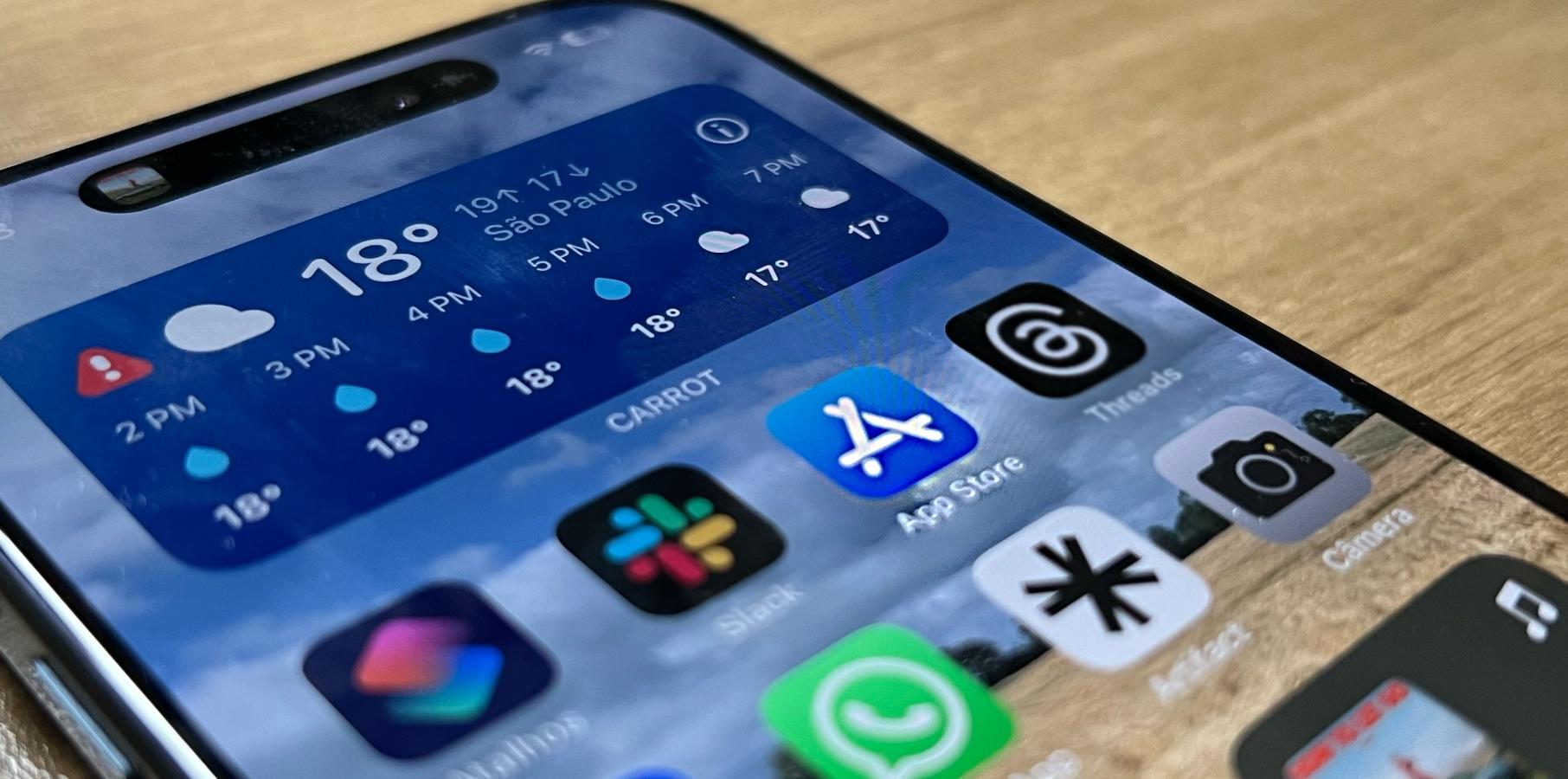
Apple’s Vision Pro mega software update won’t be enough to help sales

If you forgot about Apple’s long-anticipated Apple Vision Pro release a year ago, you’re not alone. After so much hype for the company’s latest product category in a decade, it has proven so far that a high price point and low app are keeping customers away from Apple’s spatial computer.

In addition, visionOS 2 has been a lackluster update. While it brought a few important missing features, including a new ultra-wide Mac view with visionOS 2.2, these updates have been boring so far… at least until now.

In his Power On newsletter, Bloomberg‘s Mark Gurman says Apple is preparing a major visionOS 2.4 update. It is expected to be available this week in beta, making it the biggest visionOS update so far.

According to the journalist, this will be the upgrade that brings Apple Intelligence to Apple’s spatial computer. Interestingly, Apple could have offered its AI features to Vision Pro from day one, as it has an M2 chip and 16GB of RAM, but it preferred to focus on the iPhone, iPad, and Mac instead.

Tech. Entertainment. Science. Your inbox.

Sign up for the most interesting tech & entertainment news out there.

By signing up, I agree to the Terms of Use and have reviewed the Privacy Notice.

In addition, it seems Apple is preparing a “new spatial content app that collects Vision Pro-optimized media like panoramas” and a new guest user mode that allows setup through an iPhone.

While all these features will make this the biggest software update for visionOS so far, I’m still not convinced it will impact Vision Pro sales or even usage. To me, Apple Intelligence has been an underwhelming experience, and it seems the long-awaited on-screen awareness of Siri will take even longer to land.

That said, the fundamental issues with Vision Pro, including its heaviness, lack of apps, and higher price point, are also still here, and these are all significant deals for most customers.

As always, BGR will keep you informed about Apple’s latest software updates and features.

Source

Posted on

Apple’s App Store is under investigation in China

The European Union forced Apple last year to open the App Store under the Digital Markets Act (DMA) work. iPhone users in the EU can install third-party app marketplaces, use third-party payment systems, and sideload apps as a result. Apple and the EU are still fighting over the DMA implementations.

As an iPhone user in the EU myself, I haven’t even bothered trying to take advantage of what the DMA does for me. I don’t want access to third-party apps or payment systems, and I’ll never sideload apps.

However, I said that Apple’s war on preserving the old ways of the App Store is doing more damage than good. Apple should open the App Store similarly in other markets and let every iPhone user and developer deal with the consequences. Most people will not change a thing.

The alternative is for more jurisdictions to investigate the App Store practices. Some of them can then pass laws with similar effects to the DMA.

Tech. Entertainment. Science. Your inbox.

Sign up for the most interesting tech & entertainment news out there.

By signing up, I agree to the Terms of Use and have reviewed the Privacy Notice.

China is the newest addition to the list of countries investigating Apple’s App Store practices. The government started a probe before President Trump took office, but the investigation is making the news now, in the middle of another phase of the US-China trade war. Earlier this week, China announced a formal probe into Google right after the new US tariffs on China came into effect.

The investigation into Apple isn’t as advanced, Bloomberg reports. The State Administration for Market Regulation (SAMR) is currently examining Apple’s App Store practices.

People familiar with the proceedings informed the paper that the agency has spoken with Apple officials and app developers since last year. It’s looking at Apple’s 30% fee on in-app purchases and the ban on third-party app stores and payment systems.

The agency won’t necessarily go after Apple if the conversations go well. But changes to the App Store might have to happen.

The report notes that Chinese regulators share the same concerns as other watchdogs investigating Apple’s App Store policies.

People familiar with the probe told Bloomberg that regulators believe Apple may be charging Chinese developers unreasonably high fees. Also, the unavailability of third-party app stores and payment systems on the iPhone impacts competition and hurts consumers.

The same sources said that the government may launch a formal investigation if Apple resists making changes to the App Store.

This sounds like Apple will be encouraged to open the App Store in China just like it did in the EU, but without a legal framework like the DMA in place to force Apple’s hand.

Then again, the DMA already forced Apple to develop all the tools it would need to open the App Store in other jurisdictions. Apple could probably open the iPhone in China just as easily as it did in the EU once it reaches some sort of deal with the Chinese regulator.

It’s all speculation, however. We’re looking at entirely different conditions here. Apple manufactures many of its products in China, and the government will probably want to keep Apple happy to some extent.

On the other hand, iPhone sales aren’t doing that great in China, which is a huge market for any smartphone vendor, especially Apple. The iPhone maker might want to use third-party app stores and payment systems to generate positive buzz around the iPhone.

Then there’s the US-China trade war the Trump administration reignited. Going after big tech firms like Google and Apple might be part of China’s strategy to reach a compromise.

But even without these complexities, the App Store issues would still linger. Some app developers want to pay lower fees to Apple. Others want to deploy third-party app stores and payment systems. Apple wants to keep in place the current practices and fees, as it believes its way of policing the App Store is in the consumer’s interest.

Unlike the EU’s DMA, there are no deadlines here. It’s unclear how the informal investigation will proceed, how long it will take, and when to expect App Store changes in the country.

Source

Posted on

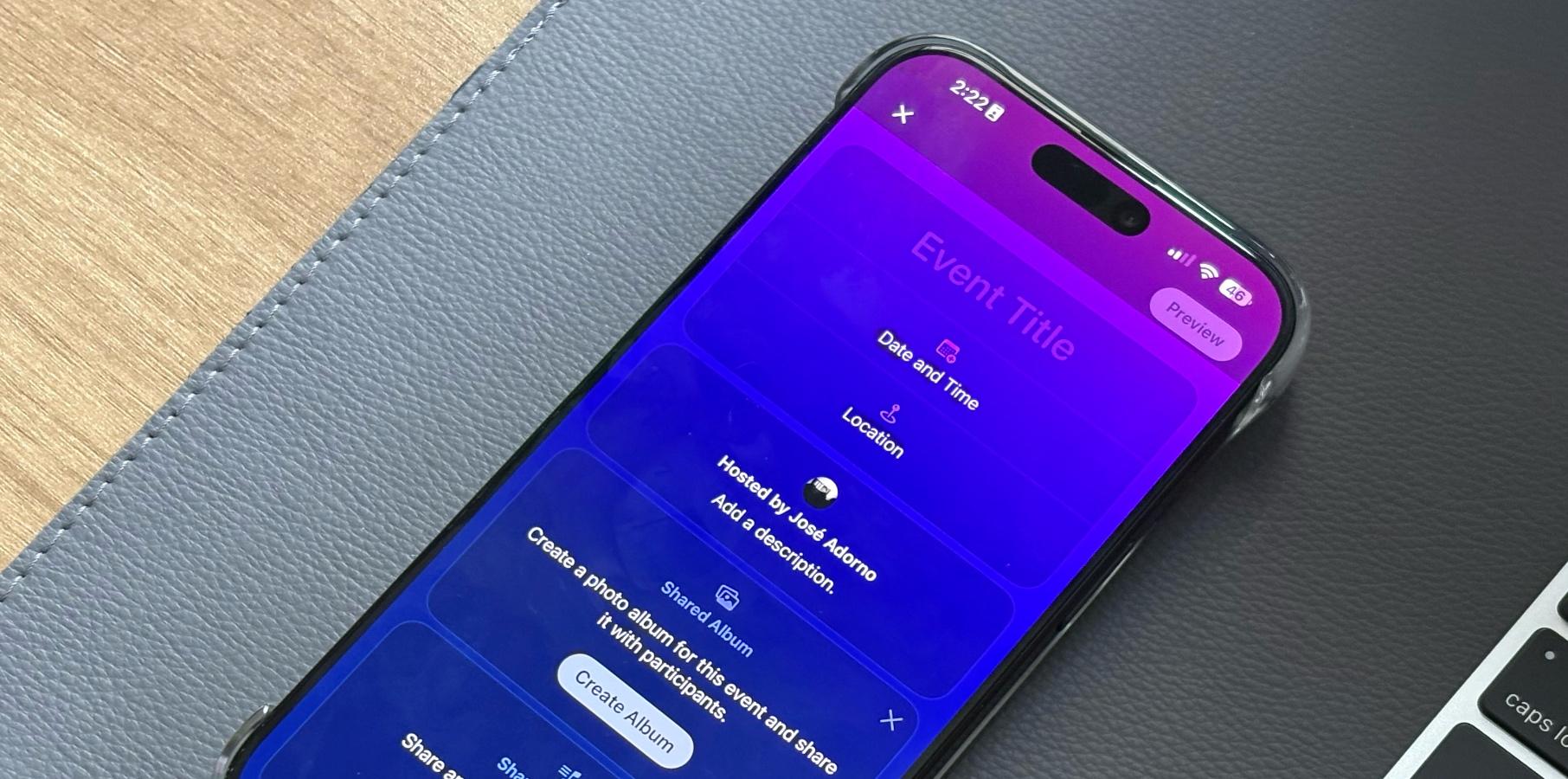
Apple Invites and Sports apps could hint at major iOS 19 redesign

This past year, Apple released two new apps: Apple Invites and Apple Sports. Besides that, with iOS 18, the company unveiled two unique UIs for the Action Button and the iMessage menu. With all that in mind, some iPhone users think Apple might be preparing a big iOS 19 redesign, and they might be correct.

Before iOS 18 was introduced, there was an ongoing rumor that Apple was planning a visionOS-like redesign for this software update. While it didn’t happen, it’s only natural that this rumor might be passed to iOS 19.

In January, Front Page Tech also suggested iOS 19 might get a redesign inspired by visionOS, especially the Camera app, which several users find more confusing than ever. With several layers of interaction, some have suggested Apple might need to make the Camera app simple again, and redesigning it with the visionOS UI might be a possibility.

On social media, one X user shared several screenshots of the Apple Invites app and asked, “Does this mean iOS 19 is getting a UI redesign?” Another was more confident: “iOS 19 is redesign year. I’m calling it.”

Tech. Entertainment. Science. Your inbox.

Sign up for the most interesting tech & entertainment news out there.

By signing up, I agree to the Terms of Use and have reviewed the Privacy Notice.

So far, it’s unclear if Apple plans to redesign iOS 19. Since the significant iOS 7 overhaul, Apple has been cautious enough to make slight changes over the updates. While the company hasn’t completely overhauled its system at once, the iPhone operating system is far different from what it was a decade ago.

Apple Sports appImage source: Apple Inc.

Still, that didn’t stop Apple from revamping the Control Center and the Home Screen with customizable widgets, tinted icons, and so on.

Users have been asking for a visionOS-inspired iOS update as Apple has prioritized rounder cards, glassy effects, and other UI changes previously unavailable on iOS. In addition, with less exciting iPhone updates, Apple needs to make the software stand out so upgrading becomes more enticing. Otherwise, the company might have its Samsung Galaxy S25 moment, with the same smartphone with a few software tweaks as new features.

Wrap up

BGR has a comprehensive iOS 19 guide. We’ll keep updating it as we learn more about this future software update, which is expected to be announced at WWDC 2025 around June.

Source

Posted on

Helium Mobile launched the first-ever free phone plan, with 5G data and voice for $0

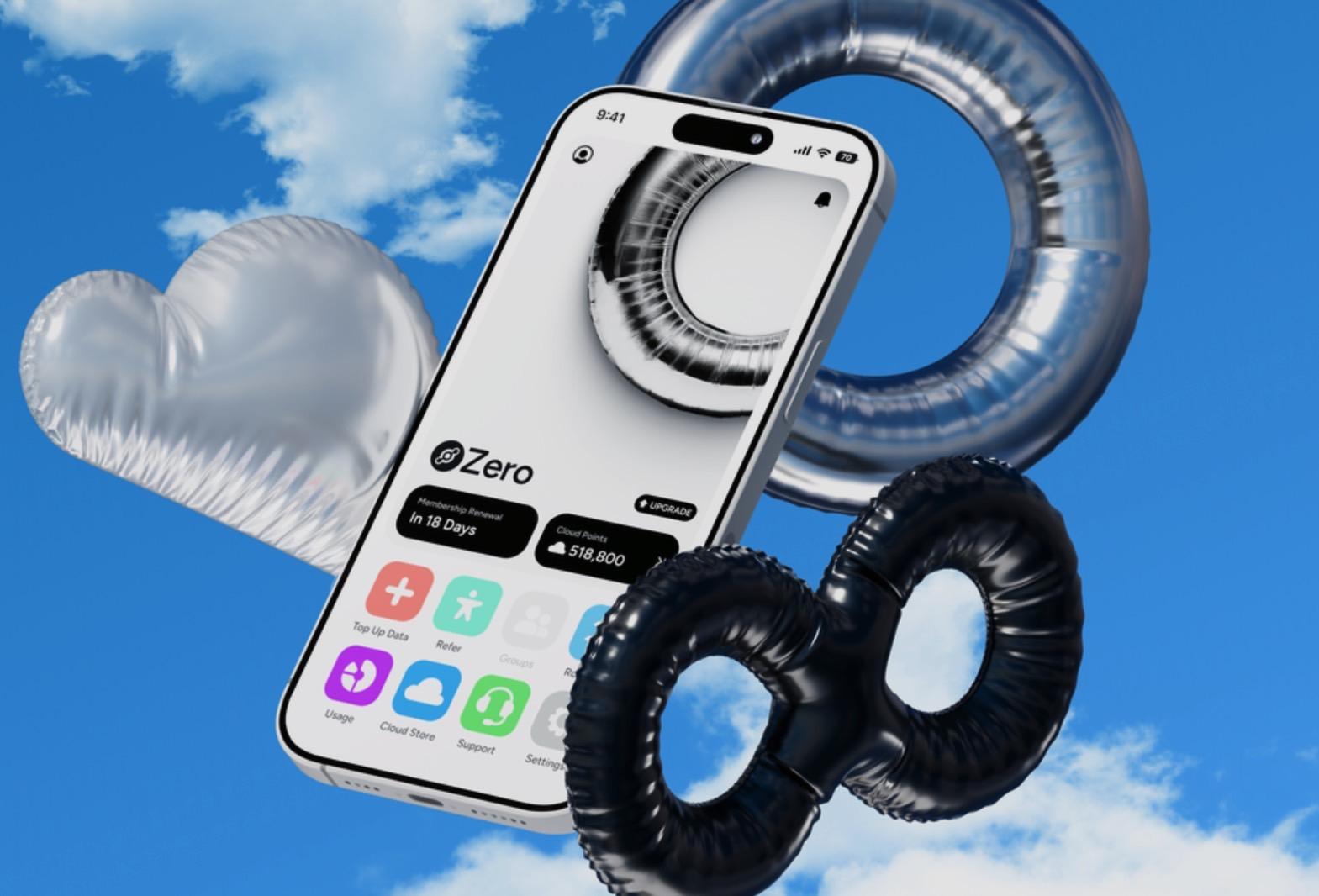
You might not be familiar with Helium Mobile, but you should get acquainted with the company if you want to spend less on your phone bill. That’s because Helium introduced three new mobile plans this week, including the nation’s first free phone plan. For $0/month, you get 3GB of data, 300 texts, and 100 minutes of voice calling. Pay $15 or $30 each month, and those limits increase significantly.

You might think this must be all a marketing gimmick. Nothing is free, so how can Helium afford to offer a free plan? The explanation might lie in how Helium works. It’s not just a Mobile Virtual Network Operator (MVNO) that uses a larger provider (T-Mobile in this case) to provide coverage to interested consumers. Helium also builds its own 5G network in ways other carriers have not considered.

Helium owns an expanding decentralized network where individuals operate small cellular hotspots. Combined with T-Mobile’s network, these 5G hotspots help reduce costs.

This explains how the new Zero Plan can exist and serve those smartphone owners looking for the cheapest possible solution to get 5G data and voice minutes. Access to Zero Plan customers’ anonymized data is another.

Tech. Entertainment. Science. Your inbox.

Sign up for the most interesting tech & entertainment news out there.

By signing up, I agree to the Terms of Use and have reviewed the Privacy Notice.

The obvious downside is that the Zero Plan limits will not necessarily be enough for many users. That 3GB of data will run out quickly without access to free Wi-Fi. Also, 100 voice minutes might not be enough. Luckily, Helium has two other options that consumers on a budget might appreciate even more than the Zero Plan. Here’s the full structure of Helium’s new mobile offerings:

  • Zero Plan ($0/month): 3GB of data, 300 texts, 100 minutes
  • Air Plan ($15/month): 10GB of data with unlimited talk and text
  • Infinity Plan ($30/month): Unlimited data, talk and text

At $15, the Air Plan makes sense if you need more data while on the go. The $30 Infinity Plan is the best choice, as you get unlimited data, talk, and text.

Helium Mobile outdoor hotspot.Helium Mobile outdoor hotspot. Image source: Helium Mobile

Helium Mobile also has a reward system that lets you collect Cloud Points for various activities. The most important one might be sharing your location anonymously, which lets Helium improve coverage in underserved areas.

It’s important to note that location-sharing is required for the Zero Plan.

You can collect Cloud Points for referring friends to sign up, answer surveys, and other activities. In turn, you can spend Cloud Points on movie, restaurant, and rideshare gift cards. Cloud Points can be used to pay your monthly bill and activate other services, like international roaming.

To get on Helium Mobile, you can use your current number and the device you already own. Download the iPhone or Android app to get started.

There is one big caveat here. Helium Mobile is invite-only. You can either get an invite code from an existing subscriber or join the waitlist at this link. Also, check out this link to read more about the new plans, including the Zero Plan offer.

Source

Posted on

DeepSeek: Welcome to US artificial intelligence’s Sputnik moment

Following last weekend’s introduction of the latest large language model (LLM) from DeepSeek, ChatGPT’s new artificial intelligence (AI) rival has topped the Apple App Store for iPhone downloads.

The DeepSeek R1 LLM is open source and uses reasoning combined with what the company calls “cold start data”, which means that rather than trawling the internet and social media sites to amass vast quantities of machine learning data, it relies instead on reinforced learning to improve accuracy.

On its GitHub page, the developers of DeepSeek describe R1 as a large-scale reinforcement learning on the base model. “We directly apply reinforcement learning to the base model without relying on supervised fine-tuning as a preliminary step,” it says. “This approach allows the model to explore chain-of-thought for solving complex problems.”

An estimated 2.1 million searches for DeepSeek were recorded over the weekend, with at least 1.6 million of these on Sunday 26 January alone. This is 12.3% of ChatGPT’s 13 million searches in the same timeframe.

Along with taking a different approach to ChatGPT, the interest in DeepSeek is also being driven by competitive pricing and the fact that the code is open source.

While OpenAI, the maker of ChatGPT, charges $2.50 per million input tokens for its GPT-4o model, DeepSeek is priced at $0.14 per million input tokens in situations where the AI engine is able to draw on previously cached information. Non-cached inputs are priced at $0.55 per million tokens.

The extent of interest in the AI from the Chinese firm resulted in turmoil in the valuation of tech stocks in the US. Reuters reported that Nvidia saw its share price drop 17%, which effectively wiped $593bn off its market valuation.

Wake-up call

In a speech on Monday, US president Donald Trump described DeepSeek as a wake-up call for the US tech sector.

Among the numerous subjects Trump spoke about in his speech to Republican party members of Congress were the executive orders revoking the AI regulations introduced under former president Joe Biden. “We don’t want to have any future president ever sabotage our economy with out-of-control regulations,” he said. “Last week I signed an order revoking Joe Biden’s destructive artificial intelligence regulations so that AI companies can once again focus on being the best, not just being the most woke.”

He then referenced DeepSeek as he continued talking about why deregulation is important for AI in the US. “Today and over the last couple of days I’ve been reading about China and [one Chinese company] in particular coming up with a faster method of AI and a much less expensive method. Hopefully the release of DeepSeek AI from a Chinese company should be a wake-up call for our industries that we need to be laser-focused on competing to win.”

DeepSeek’s developers have been able to combine cutting-edge algorithms to slash the energy demands of AI training and deployment. In his speech, Trump described what DeepSeek had achieved as “good”, since companies aiming to develop AI applications that use DeepSeek do not have to spend as much money compared with rival LLMs. “I view that as a positive, as an asset,” he added.
 
Commenting on what the rise of DeepSeek has meant to financial markets, Charu Chanana, chief investment strategist at investment platform Saxo, pointed out that DeepSeek took only two months to develop and less than $6m to build, using reduced-capability chips from Nvidia. This is significant given that the Biden administration banned the export of high-end Nvidia graphics processors (GPUs) to China in 2023.

“US tech companies are trading at premium valuations, with major AI players like Nvidia, Microsoft and Alphabet commanding forward P/E [price to earnings] multiples far above historical averages,” she said. “With these stocks priced for perfection, even minor disruptions, such as DeepSeek proving advanced AI can be built without top-tier chips, could weigh heavily on share prices. For Nvidia, in particular, its role as a key supplier of AI chips makes it vulnerable if demand for its high-end products wanes.”

The idea of lower-cost and more energy-efficient AI coming from DeepSeek appears to have an immediate impact both on the US tech giants and the energy sector, which has been banking on the growth of AI-fuelled power consumption.

“DeepSeek’s breakthrough signals a shift toward efficiency in AI, which will redefine both energy and AI markets,” said Nigel Green, the CEO of global financial advisory giant DeVere Group. “The opportunities for investors willing to act now are enormous.

“This challenges the assumption that AI’s growth is tied to ever-increasing energy consumption. While the market is reacting to short-term uncertainty, efficiency-driven AI models will expand adoption into new markets and industries. This means more widespread use, deeper integration and, ultimately, sustained demand for energy solutions.”

Arguably, it’s the fact that DeepSeek has been able to achieve results using inferior hardware and offer its LLM at a highly competitive price that is set to change every organisation’s approach to AI: it doesn’t necessarily require throwing vast amounts of costly GPUs at the hardware and having to recoup these costs by charging end users a premium.

“By developing cutting-edge generative AI models without relying on the latest, most expensive hardware, DeepSeek has demonstrated that agility and strategy can outpace raw computational power,” said Kjell Carlsson, head of AI strategy at Domino Data Lab. “Their achievements also highlight the vulnerability of incumbents in the generative AI space – proving that open-source innovation continues to be a powerful equaliser, enabling challengers to match and even surpass established players years into the revolution.”

What all this means is that DeepSeek signifies Chinese competition to Silicon Valley’s existing AI models and is a demonstration of how the pace of AI development is pushing boundaries and lowering costs. 

Source

Posted on

Will the iPhone SE 4 have a Dynamic Island or a notch?

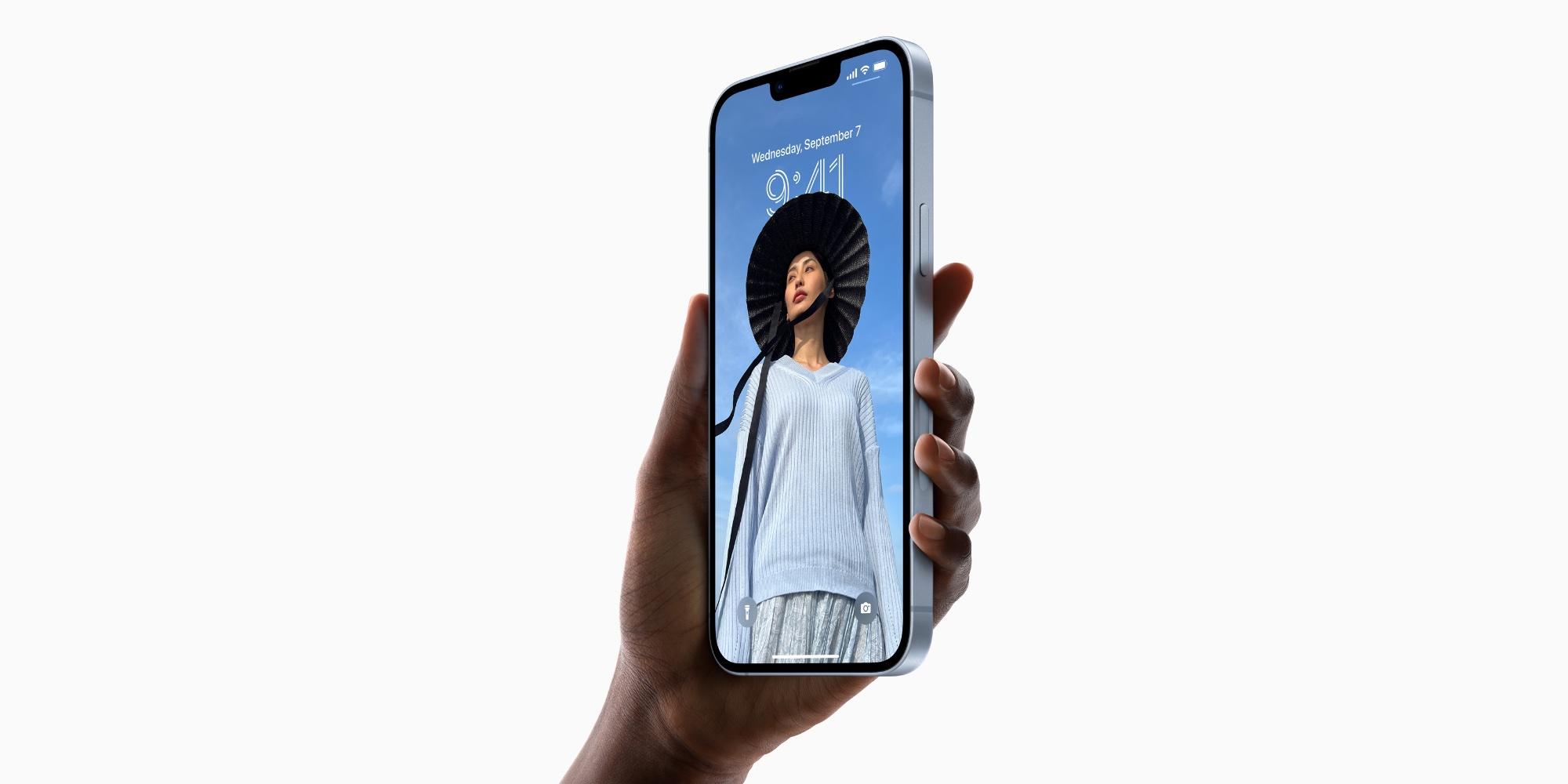
Despite all the DeepSeek hype and OpenAI recently accusing the Chinese company of training its model with ChatGPT, there’s still room for iPhone SE 4 rumors. Did you even remember that Apple is getting ready to announce its first new iPhone of 2025? Apple’s most affordable iPhone with the A18 chip, 6.1-inch OLED display, Dynamic Island cutout, a single rear camera, and Apple’s exclusive 5G and Wi-Fi modems? Well, it seems not all of those rumors are true.

Over the past few weeks, we’ve seen leaks claiming the iPhone SE 4 would have a Dynamic Island cutout instead of the iPhone 14-like notch, which was already rumored for years.

This possible change was teased by credible leaker Evan Blass, followed by controversial leaker Majin Bu. While seeing a new iPhone SE with all this tech would be pretty impressive, it would make sense if Apple held back just a little. Now, thanks to display analyst Ross Young, we’ve pretty much got confirmation.

Young has a perfect track record, and he recently posted on X that the iPhone SE 4 will feature an iPhone 14-like notch cutout. Even if the analyst didn’t say that, Apple has been consistent with its iPhone SE releases to assume that.

Tech. Entertainment. Science. Your inbox.

Sign up for the most interesting tech & entertainment news out there.

By signing up, I agree to the Terms of Use and have reviewed the Privacy Notice.

In the past three iterations, Apple used the previous iPhone design. For example, with the iPhone SE 1, Apple rocked the iPhone 5-like design while it already offered the new iPhone 6 style. With the second and third generations of the iPhone SE, it remained with an iPhone 6/8-like design because Apple was already offering iPhone models with a notch. Finally, now that the company moved on to Dynamic Island, it makes sense the notch and larger displays are the next big improvement.

That said, even if the new iPhone SE 4 gets the notch, it’s still a big improvement over the past design, especially since Apple will finally phase out Touch ID on the iPhone and offer Face ID across its lineup.

Apple is expected to hold a spring event to announce this new iPhone alongside other new products. BGR will let you know once we learn more about it.

Source

Posted on

Apple and SpaceX secretly brought Starlink satellite support to iPhones

Apparently, Apple, T-Mobile, and SpaceX have been working together in secret. A new report from Bloomberg says the three companies have brought Starlink’s satellite service to iPhones. So far, testing is very limited, but the feature began rolling out with the release of iOS 18.3 on Monday.

This unannounced collaboration is a significant step in expanding satellite connectivity for smartphone users. While Apple has already offered emergency satellite messaging through its partnership with Globalstar, integrating SpaceX’s Starlink network marks a major accessibility shift.

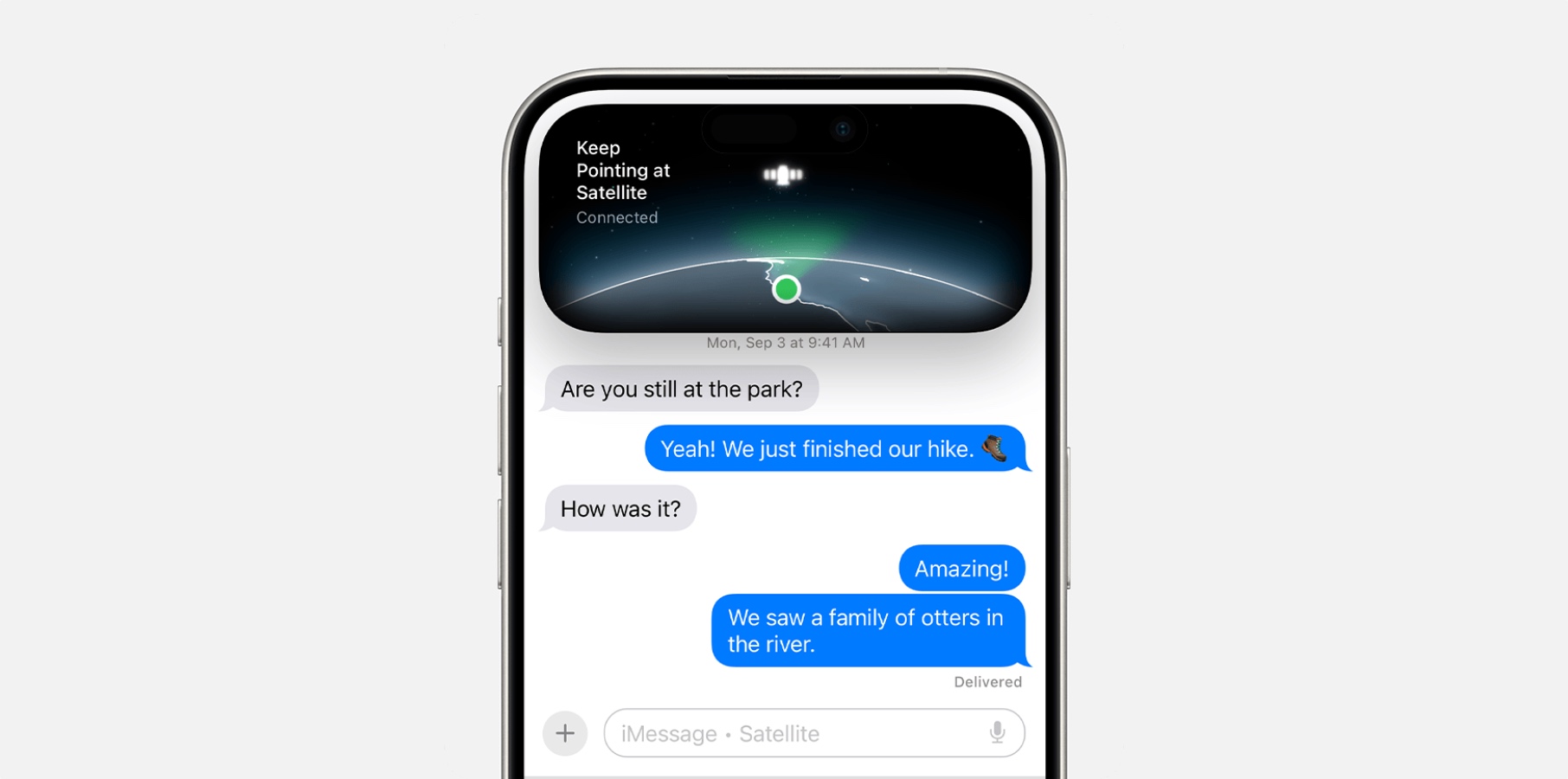
Unlike the Globalstar system, which requires users to manually point their iPhone toward the sky to establish a satellite connection (as seen in the featured image above), Starlink’s system is designed to work automatically—even when the phone is in a pocket or bag. This seamless functionality should make off-the-grid communication more accessible.

Only a small number of customers are included in the beta test, and T-Mobile has been quietly notifying select users that they now have access to Starlink’s satellite texting service. Those enrolled in the program received a message saying it was now available. iPhone users have gained a new toggle in their cellular settings to manage the satellite connection.

Tech. Entertainment. Science. Your inbox.

Sign up for the most interesting tech & entertainment news out there.

By signing up, I agree to the Terms of Use and have reviewed the Privacy Notice.

Starlink's Direct to Cell satellite cellular serviceStarlink’s direct-to-cell service has been available on other phones for months now. Image source: Starlink

For now, Starlink’s satellite service on iPhones only supports texting, but T-Mobile and SpaceX have confirmed plans to expand to data and voice services in the future. While Apple has kept quiet about its role in the project, T-Mobile has indicated that Starlink’s satellite connectivity will eventually be available for most smartphones on its network.

Bloomberg says the company is expected to broaden the beta test in February, gradually adding more iPhone users before an official launch. Since 2022, Apple has exclusively relied on Globalstar to power its emergency SOS and satellite texting features, but this new Starlink integration suggests the company is open to working with multiple satellite providers.

We’ve long been curious about this, especially since Musk hinted on X shortly after the announcement that discussions with Apple regarding Starlink connectivity had been very promising. Considering the reports that the iPhone’s satellite service has literally been saving lives, having more ways for people to connect is a huge win for everyone.

Now, it seems that Apple has been planning to offer Starlink satellite connectivity for iPhones for some time, and soon, you’ll be able to reap those benefits for yourself, at least on T-Mobile.

Source

Posted on

Microsoft Windows 11 is getting a feature like iPhone Mirroring

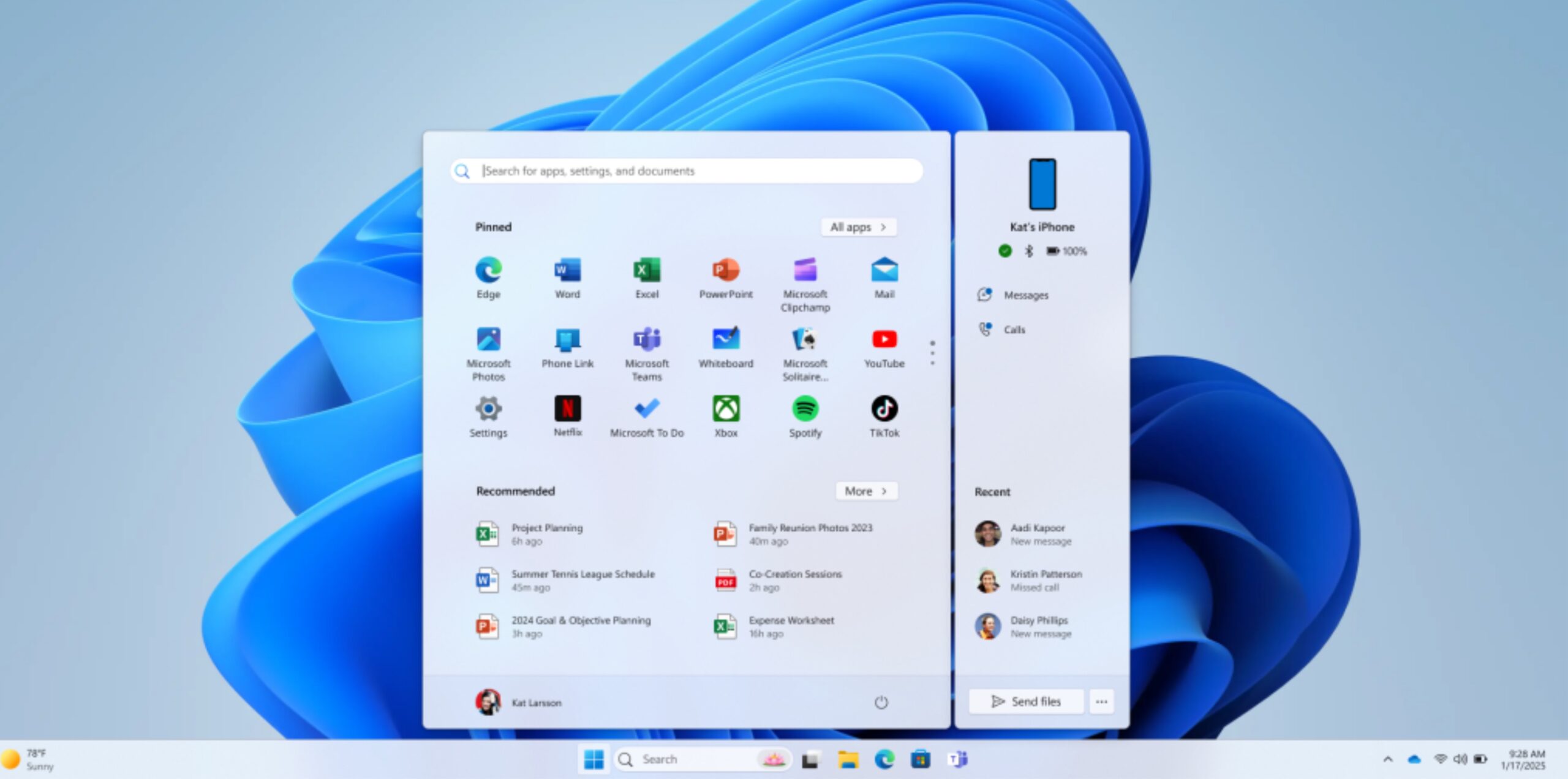
After introducing a side panel to the Start menu on Windows 11 last year that allowed Android users to check some of their phone’s features and status, Microsoft is now testing the same level of integration with iPhone devices and Windows 11 PCs. This feature, which is similar to iPhone Mirroring, will make the Windows 11-iPhone experience a little better, even though it’s nowhere near the level of integration available with the iPhone and Mac using Apple’s new iPhone Mirroring functionality.

According to the Microsoft blog, this seamless phone integration from the Start menu is rolling out to Windows Insider iPhone users, and it will be available to all customers in the coming months. Here’s how it works:

To get started, users need to open the Start menu and select the device type (Android or iPhone) from the right-side panel. Following the on-screen instructions, they need to connect their devices to the PC and start accessing their phones from the Start Menu.

With that, connected iPhone users can access their phone features directly from the Start menu. Microsoft says this seamless integration allows iPhone users to enjoy the same benefits as Android users, including viewing the phone’s battery status and connectivity, accessing messages and calls, and keeping track of the latest activities, all integrated into the Start menu.

Tech. Entertainment. Science. Your inbox.

Sign up for the most interesting tech & entertainment news out there.

By signing up, I agree to the Terms of Use and have reviewed the Privacy Notice.

iPhone users will also be able to share files between their devices and Windows 11 PCs. To begin transferring files, they just have to select the “Send Files” option from the Start menu.

These are the requirements to start testing this new feature:

  • Windows 11 Insider Preview Build 4805 and higher in Beta Channel and 26120.3000 and higher in Dev channel.
  • Phone Link version 1.24121.30.0 or higher.
  • Your PC must be signed in with a Microsoft account and must have Bluetooth LE capability.
  • Not supported for PCs running Pro Education or Education SKUs.

BGR will let you know once this feature rolls out to all users.

Source